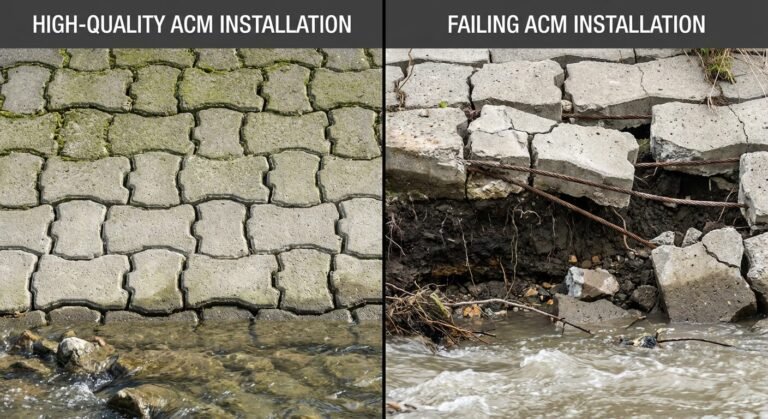

Industrial Articulated Concrete Mattress Procurement Specifications 2025
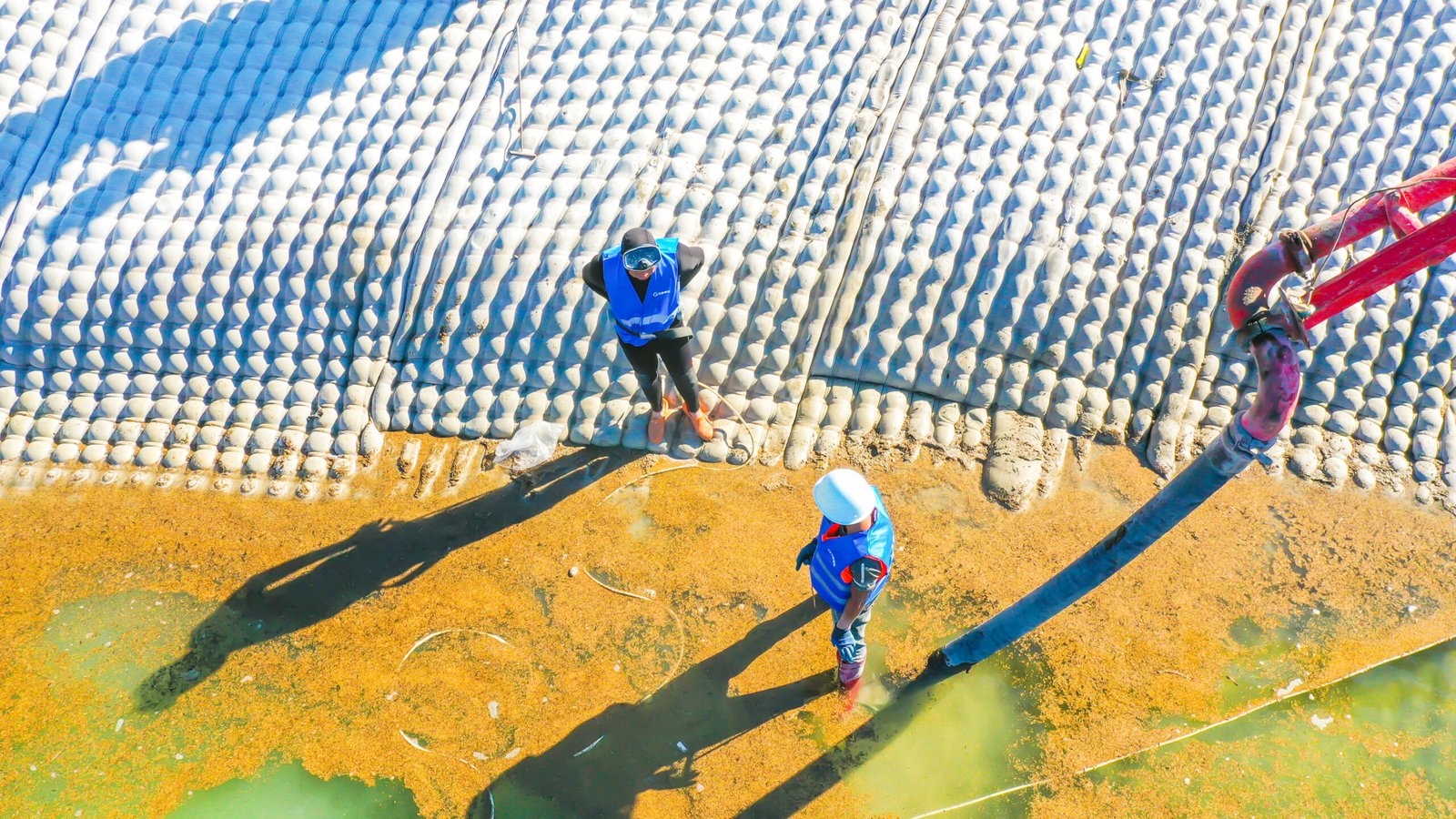
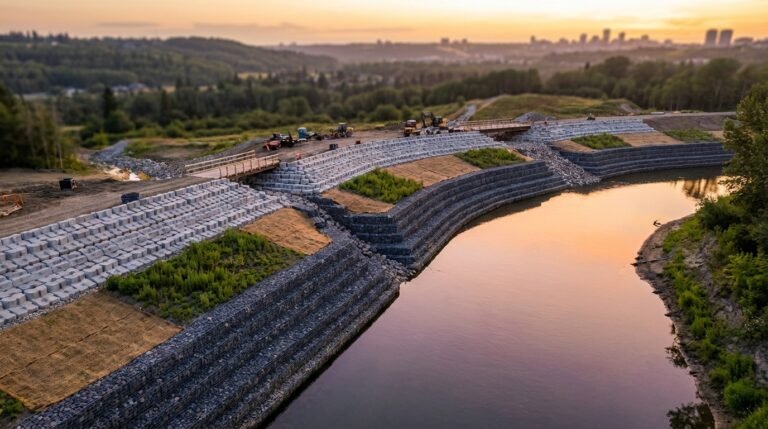
Procuring heavy-duty armored revetment systems for municipal and commercial hydraulic projects demands rigorous evaluation of physical asset durability. As extreme weather events drastically alter return-period flow velocities, civil engineering procurement officers are entirely shifting baseline standards away from unconsolidated riprap. Modern infrastructure frameworks now require interconnected block structures designed to absorb hydrodynamic uplift while maintaining total subgrade integrity.
The industrial articulated concrete mattress procurement specifications 2025 mandate represents a pivotal evolution in how stabilization matrices are evaluated against catastrophic shear stress. Backed by 10+ years of dedicated continuous expertise, a comprehensive library of over 230+ successful deployments, and 150+ active production lines, top-tier manufacturers establish strict compliance bases capable of matching staggering municipal order volumes.
Traditional un-armored solutions historically experience catastrophic shear failure when flow velocities surpass 4.35 meters per second. This foundational guide dissects the exact mechanical performance thresholds, interlocking hinge mechanisms, and sub-layer synthetic combinations necessary for large-scale municipal erosion control longevity.
Securing specialized materials for vast embankment or spillway shielding requires granular comprehension of material science formulas. Design methodologies have outpaced legacy sourcing guidelines, forcing buyers to meticulously scrutinize precise metrics like chloride resistance, inter-block friction coefficients, and exact tensile strength thresholds before authorizing massive capital expenditures.
Key Technical Parameters for Articulated Mattress System Baselines
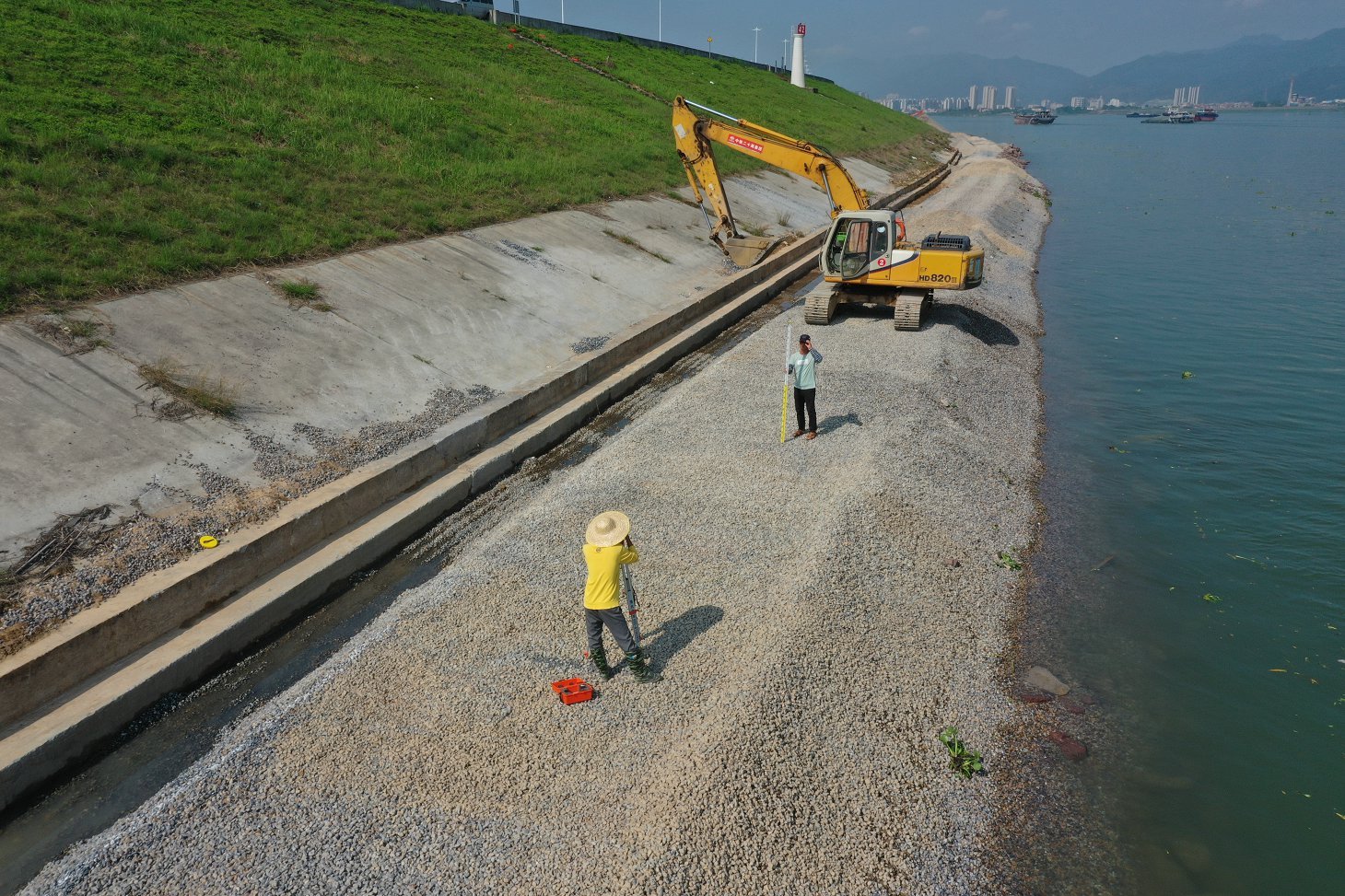
Evaluating an armored block system requires precise measurement checks rather than relying on generalized supplier claims. Contemporary hydraulic environments necessitate concrete components demonstrating a minimum compressive strength of 35.6 MPa after a standard hydration phase. Anything falling beneath this rigid tier risks rapid surface abrasion when subjected to continuous sediment bedload transport over its service lifecycle.
Water absorption limits present another non-negotiable metric for procurement teams operating in freeze-thaw climates. Core specifications now cap maximum water absorption strictly at 4.6% by total mass. Retaining excess moisture within the micro-capillaries of the concrete matrix invites severe spalling during cold-weather contraction cycles.
Quality verification protocols must include 300 continuous freeze-thaw cycle laboratory testing, ensuring mass loss never exceeds a rigid 0.8% parameter. Dimensional tolerances across massive, repetitive block yields determine the functional articulation rating of the finalized mattress. Procurement documents must dictate a maximum structural length and width deviation of ±1.8mm per discrete unit.
These exact dimensional restrictions guarantee the engineered articulation gap remains consistently locked at 22.4mm across the entire installed footprint. When gaps fluctuate beyond this threshold, hydrodynamic uplift pressure localized on specific joints drastically accelerates subsurface erosion.
Density standards similarly dictate the gravitational stability foundation. A dry weight density requirement of 2450.8 kg/m³ acts as the industry’s baseline countermeasure against extreme buoyancy forces during intense floodwall cresting. Utilizing lighter aggregate mixtures severely comprises the crucial bed shear stress rating, which must withstand forces exceeding 85.4 lbs/ft² without undergoing structural deformation.
Mechanical Performance of Interlocking Hinge Joints vs. Interconnected Cables
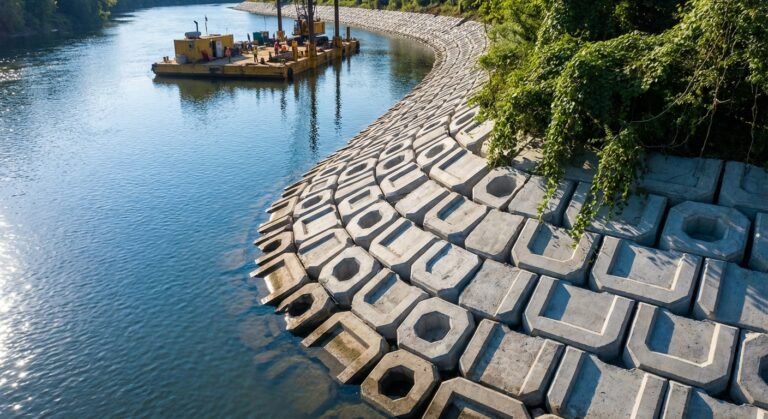
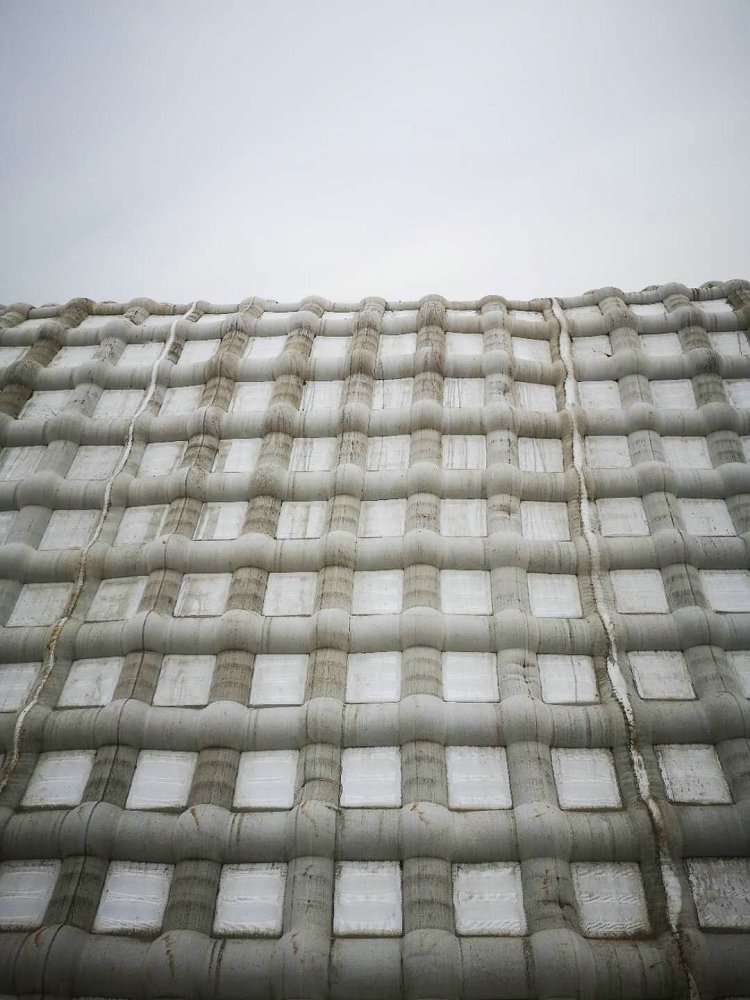
The method connecting independent concrete segments defines the structural response against turbulent hydraulic jumps. Interlocking hinge structures rely heavily on physical geometry, utilizing precision-cast lateral protrusions that seat intimately into adjacent cavities. This three-dimensional restriction system restricts vertical block displacement entirely while allowing a controlled 42.5-degree radial articulation angle.
Such geometrical locking prevents any discrete component from lifting independently during high-velocity impact. Cable-laced connection methodologies operate on a continuous tensile reinforcement philosophy. High-specification matrices typically integrate Class C galvanized steel or heavy-grade polyester tendons threaded laterally and longitudinally through pre-cast internal ducts.
When specifying metallic cabling for inland freshwater developments, the minimum required cable yield strength is strictly indexed at 1420 MPa to counteract localized stress fractures during lifting operations. Coastal applications expose connecting mechanisms to aggressive halite saturation, changing the procurement narrative.
In environments where salinity concentrations remain constantly above 31.2 ppt, standardized galvanized materials fail prematurely due to chloride pitting. Buyers must instead specify Type 316L stainless steel tendons coated in extruded high-density polyethylene. The combination limits mechanical tendon elongation to a maximum of 1.25% under terminal loading conditions, averting structural loosening.
Geosynthetics Integration and Geotextile Formwork Criteria
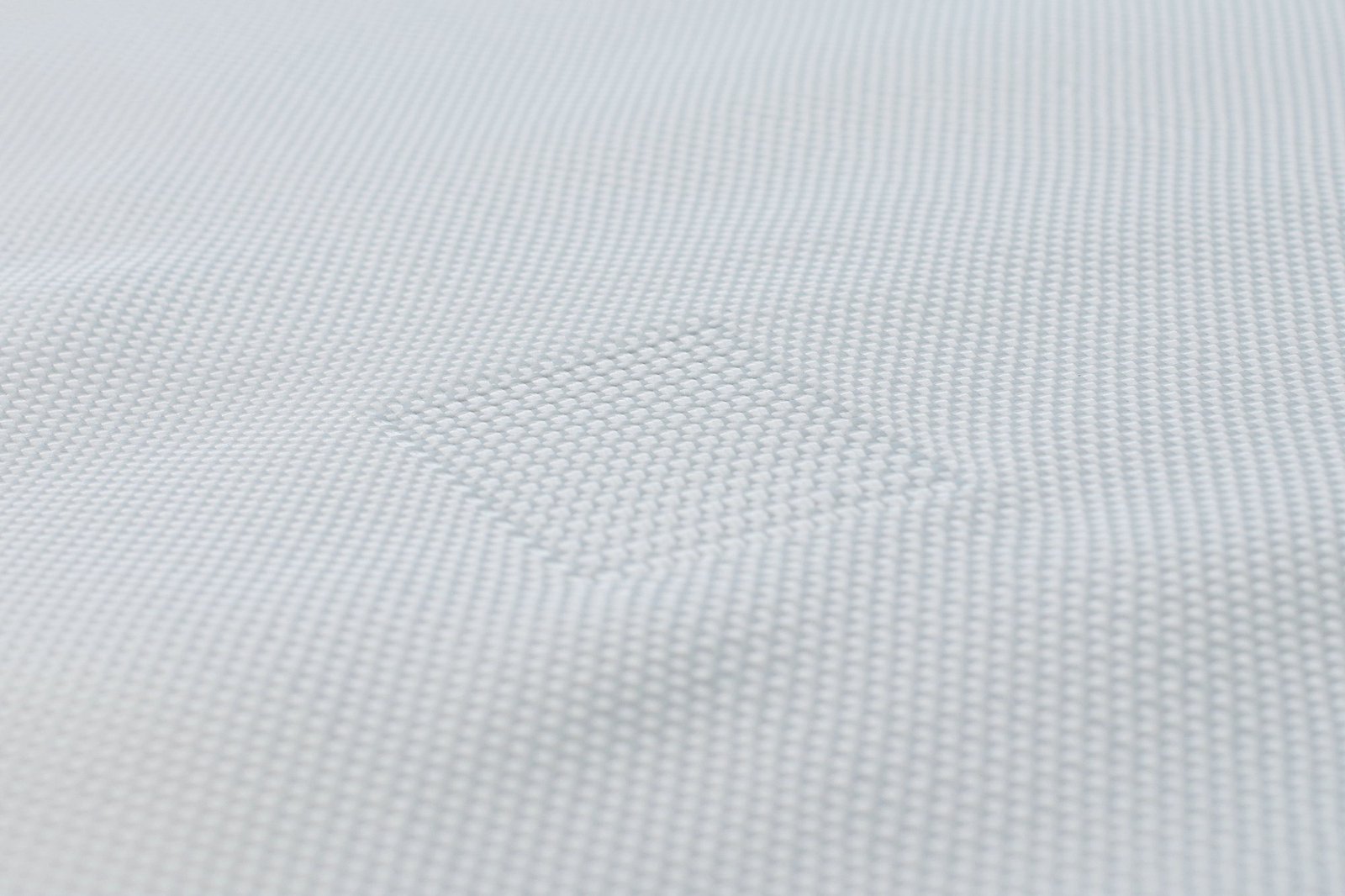
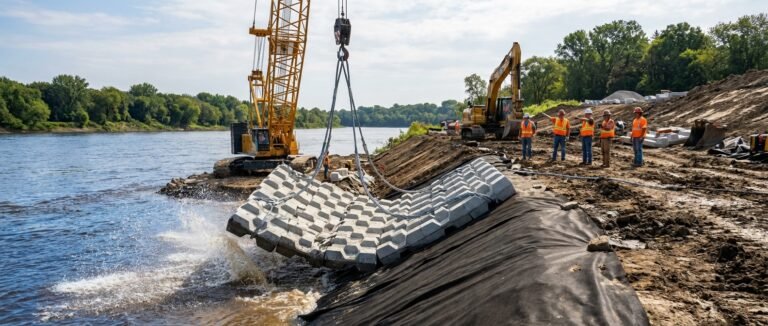
Direct concrete-to-soil installation guarantees rapid subgrade piping failure. A robust base layer consisting of highly engineered filtering fabrics is universally mandated underneath armored top layers. Comprehensive sector reporting backs this transition; the Geosynthetics Market Growth Analysis – Size and Forecast 2025-2029 confirms the global sector size is valued to increase by USD 7.56 billion.
This enormous infrastructure investment dictates strict adherence to specific foundation materials beneath heavy revetment blocks. Underlayment specification metrics primarily focus on the Apparent Opening Size (AOS) and steady-state permittivity. Municipal project designers normally require an AOS of precisely 0.212mm, providing flawless soil particle retention while yielding a dynamic permittivity rate of 1.25 sec⁻¹.
This delicate balance relieves intense subgrade hydrostatic pressure caused by receding water tables while completely halting microscopic particle migration. Procuring synthetic isolation barriers constitutes a major commercial pivot for contractors. Market intelligence outlining how the Global Geosynthetics Market to Reach USD 45.3 Billion by 2035 as Infrastructure Expansion and Environmental Protection Drive Demand indicates that geomembranes comprise approximately 31% of total demand.
Their absolute impermeable properties make them an essential sub-structure for industrial containment basins where liquid infiltration translates directly to catastrophic ecological compromise. Certain sloped topographies necessitate robust triaxial structures to halt sliding forces. As the Geosynthetics Grid Market is Projected to Expand at a 7.8% CAGR, reaching an estimated $1.82 billion by 2026, anchoring requirements have correspondingly tightened.
Earth-gripping grids embedded immediately below the filter fabric dramatically increase the total subgrade friction angle to over 37.8 degrees. This locks the massive concrete payload firmly against aggressive shoreline inclines.
Selection Criteria and Tolerance Frameworks for B2B Buyers
Supplier evaluation demands a calculated checklist of tolerance specifications rather than basic aesthetic reviews. Analyzing vendor documentation necessitates comparing exact material thresholds against anticipated 2025 engineering stress limitations. Industrial procurement protocols require verifying exact yield numbers prior to contract initiation to prevent mid-project component failure and subsequent schedule overruns.
Rigid adherence to these defined metrics forms the basis of all modern infrastructure supply agreements, separating high-capability fabrication centers from low-tier generalists. Implementing a structured evaluation process guarantees consistency across multiple municipal bids.
B2B Procurement Sourcing Checklist:
- Verify Dimensional Integrity: Confirm ±1.8mm maximum variance per structural block.
- Audit Subgrade Compatibility: Demand minimum AOS of 0.212mm for all geotextile underlayments before pouring.
- Assess Tendon Specifications: Mandate 1420 MPa yield strength for freshwater and 316L stainless steel for coastal zones.
- Review Freeze-Thaw Lab Data: Ensure mass loss is documented at < 0.8% over 300 cycles.
| Component Category | Legacy Standard Baseline | 2025 Strict Specification Parameter | Engineering Purpose |
|---|---|---|---|
| Concrete Compressive Strength | 25.0 MPa | 35.6 MPa Minimum at 28 days | Defeats accelerated cobble bedload abrasion |
| Block Weight Variance | ±3.5% Allowed | ±0.8% Maximum Deviation | Maintains balanced localized uplift resistance |
| Tendon Elongation Rating | < 3.5% Under Stress | < 1.25% Load Deformation | Prevents joint widening during heavy cresting |
| Porosity Factor | Variable based on pour | 18.4% Exactly calibrated | Controls aquatic vegetation rooting potential |
| Freeze-Thaw Mass Loss | < 1.5% after 150 cycles | < 0.8% after 300 cycles | Crucial for northern municipal infrastructure |
| System Bend Radius | Generic contour rating | 42.5 Degree Maximum Arc | Maintains physical hinge contact at slope toes |
Manufacturing Process Deep Dive: Wet Cast vs. Dry Tamp Operations
Analyzing fabrication methodologies reveals drastic discrepancies in finalized block durability. Dry cast operations rely heavily on zero-slump mixtures severely compressed within steel forms. While production speeds are inherently faster, the water-to-cement ratio often hovers erratically around 0.28.
This potentially creates internal micro-voids if vibrating table frequencies fall below the required 4500 RPM threshold. These hidden imperfections form weak points highly susceptible to cyclic loading failure. Wet cast methodologies, conversely, employ a highly controlled slump metric stabilized exactly at 85.5mm.
This fluidity ensures the mixture perfectly encapsulates complex internal tubing complexes and perimeter interlocking geometries. Achieving the mandated 2450.8 kg/m³ density requires extensive agitation accompanied by a rigid 28.5-day closed-environment curing cycle operating continuously at 98.2% relative humidity.
Evaluating the aggregate matrix directly impacts surface longevity. Top-tier specifications demand employing pure crushed granite angular aggregates, strictly passing a 19.5mm sieve limit. When lower-tier manufacturers substitute rounded river stone to cut operational costs, the internal frictional interlocking decreases drastically. This inevitably leads to premature block shattering upon encountering high-velocity floating debris impact.
Solution Blueprint: Navigating Manufacturing and Global Supply Deficits
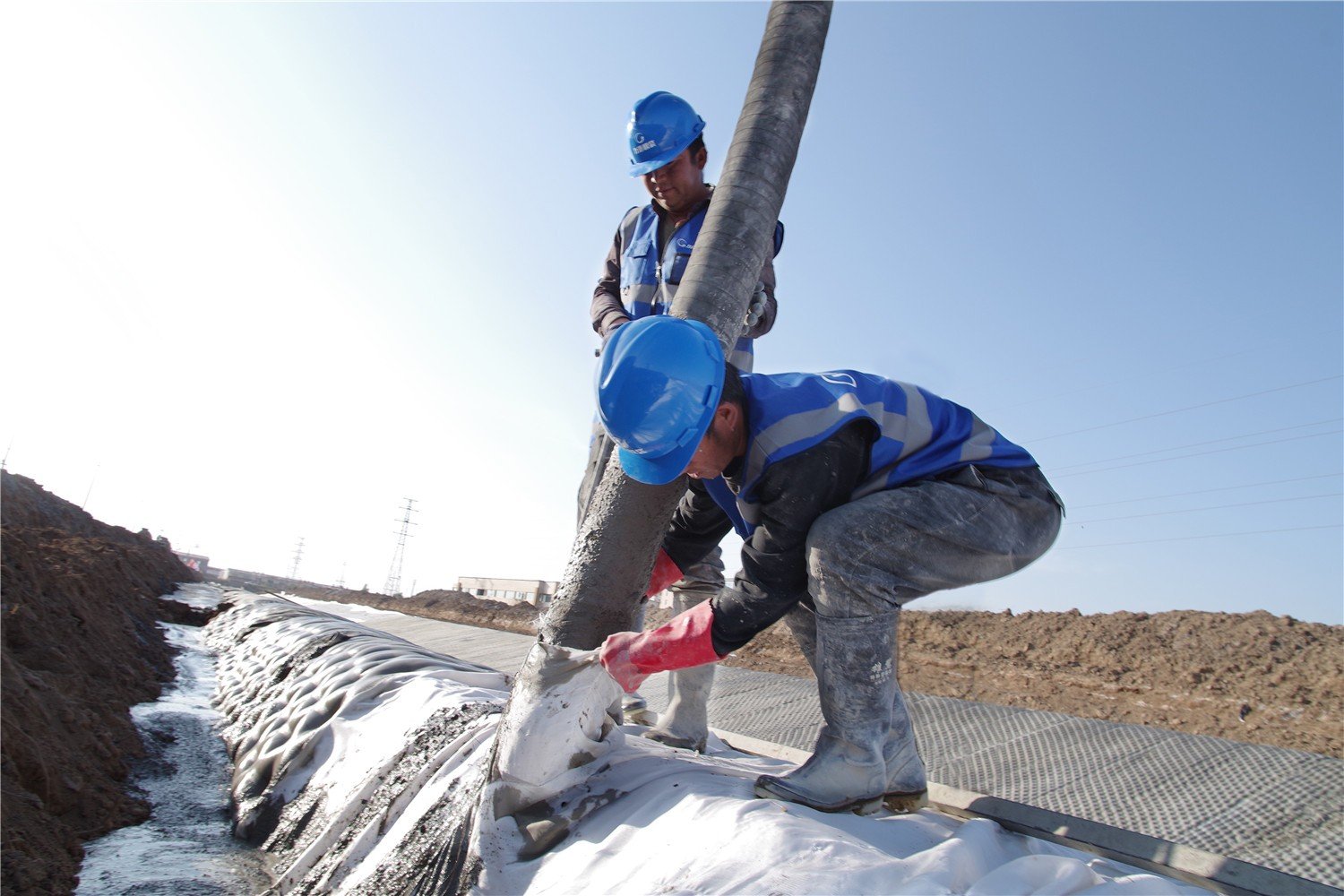
Procuring immense tonnage of highly specified structural materials forces project managers to balance regional supply constraints against rigid implementation deadlines. A fractured logistics chain directly threatens critical path schedules. For example, manufacturers like HydroBase have addressed this by establishing vertically integrated supply models that consolidate raw material acquisition, advanced polymer integration, and heavy steel cabling entirely under singular operational command hubs.
Partnering with established fabricators guarantees adherence strictly to modern industrial parameters. This ensures unified production centers possess the immense capacity to consistently fulfill staggering municipal order volumes. Consolidating sourcing through robust operators eliminates the severe variability frequently found exclusively in fragmented supplier networks.
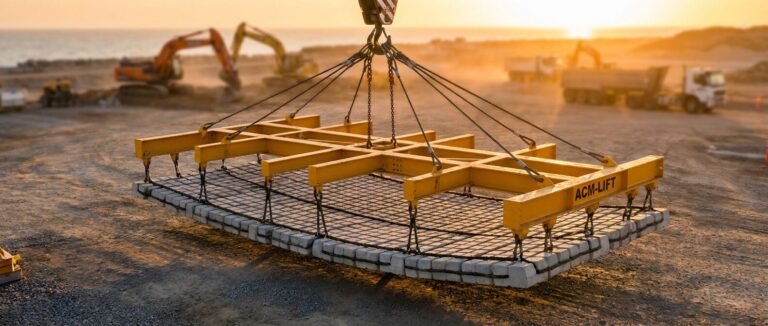
Executing large-scale stabilization contracts safely requires evaluating flexible installation variants capable of contouring seamlessly to complex subgrades. Procurement directors frequently integrate advanced Articulated Concrete Mattress (ACM) systems to counter localized shoreline scour zones securely. The ability to orchestrate 48-hour containerized dispatch capabilities entirely eliminates costly downtime for heavy crane operators staged at the project installation zone.
Quality Standards, Certification Protocols, and Sourcing Best Practices
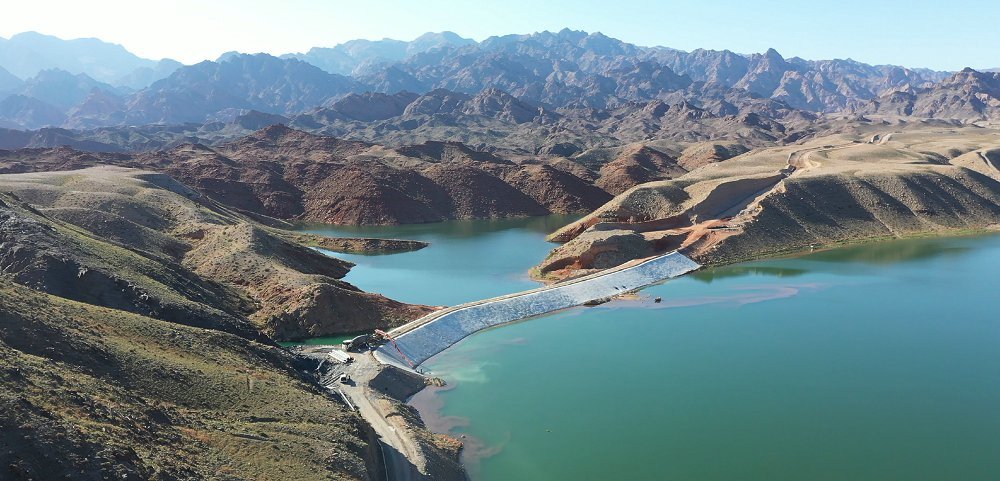
Verification remains the ultimate defense against vendor non-compliance. Sourcing operations should only engage manufacturers universally certified to strict ISO 9001:2015 process standards. Quality management audits must aggressively scrutinize daily batch logs, particularly recording precise hydration temperatures maintained during early concrete set periods to prevent imperceptible thermal boundary cracking.
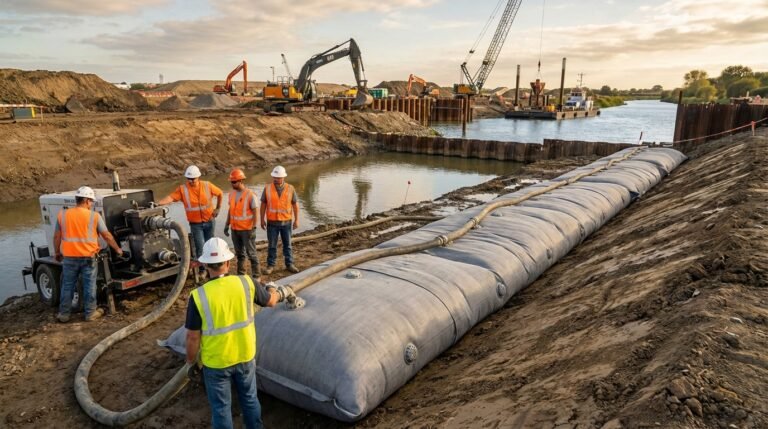
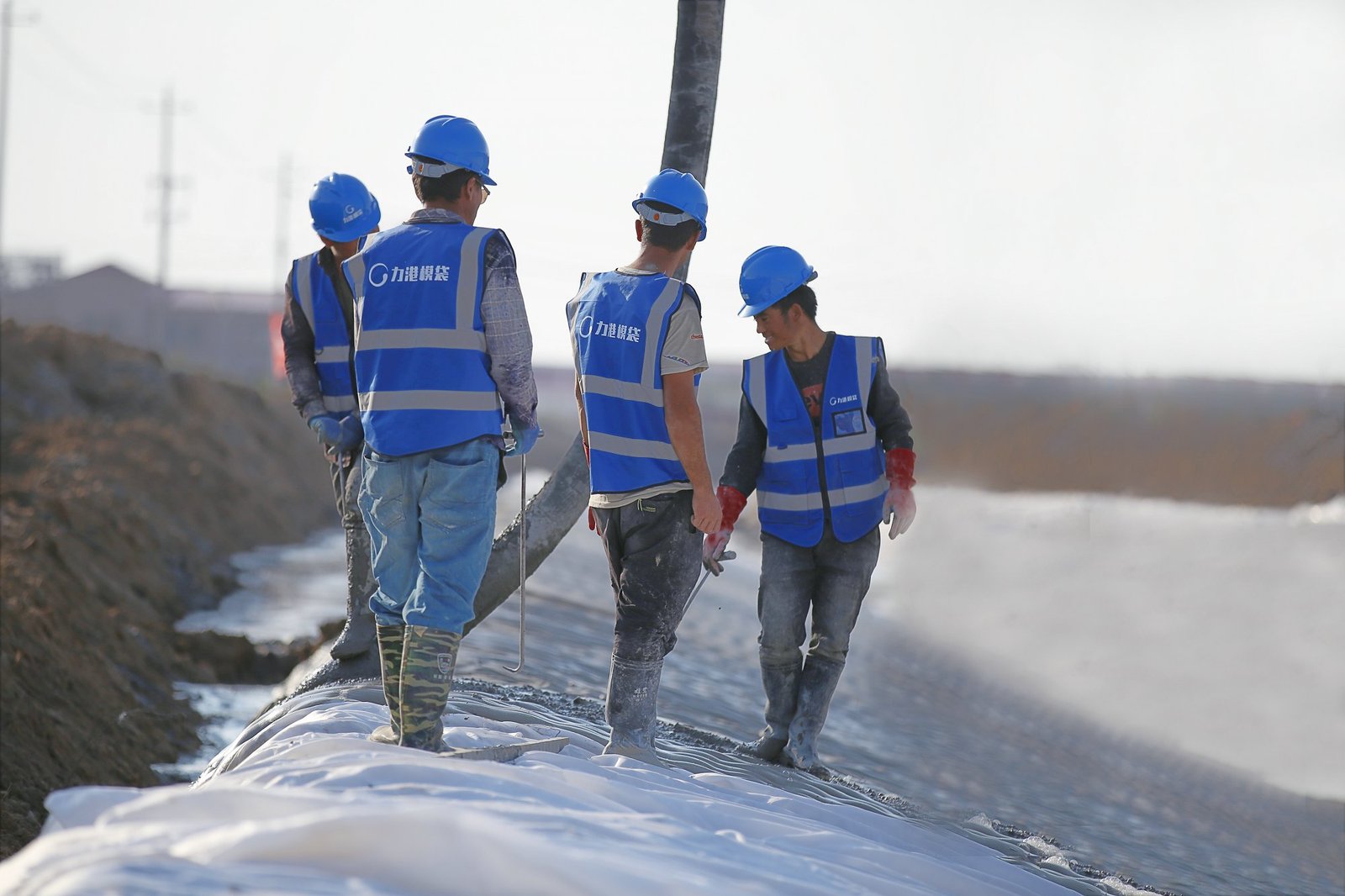
Depending on the target deployment velocity, engineers frequently evaluate structural alternatives capable of rapid on-site structural deployment via heavy transit mixing. Sourcing a permeable Filter Point Concrete Mattress offers severe friction resistance alongside rapid hydrostatic pressure regulation for extreme slope topographies. Verifying the woven polyester tensile rating prior to pumping operations eliminates catastrophic burst risks under high manifold pressure.
Discerning the exact required block geometry impacts total project expenditure profoundly. Analyzing Slab vs. Block: When to Spec Articulated Concrete Slab Mattress matrices allows purchasers to optimize lifting rig efficiency while significantly reducing total underwater diver engagement hours. High-end procurement demands receiving comprehensive batch test certificates proving drop-test resilience from a stabilized 2.4-meter height without exhibiting catastrophic fracturing along internal cable ducts.
Frequently Asked Questions
Q: What is the typical MOQ and current manufacturing lead time for industrial-scale ACM orders?
Minimum Order Quantities (MOQ) typically begin at 500 square meters for custom-engineered articulated systems to justify specific mold alignments. High-volume manufacturers equipped with substantial production lines usually require a 14 to 21-day fabrication lead time prior to staging logistics. Expedited 48-hour containerized dispatch can be arranged utilizing standard pre-cast municipal inventories.
Q: How does a cable-connected concrete mattress functionally differ from an interlocking block matrix?
Cable-connected mattresses utilize lateral and longitudinal high-strength synthetic or galvanized steel tendons (yielding at 1420 MPa) to unite discrete blocks mechanically across massive dimensions. Interlocking block matrices rely entirely on physical geometrical protrusions seating into adjacent cavities to restrict vertical displacement. This creates a tight lock without requiring integrated wiring infrastructure.
Q: Why do procurement specifications require a minimum concrete compressive strength of 35.6 MPa?
A rigid 35.6 MPa operational limit strictly ensures the concrete matrix survives accelerated bedload abrasion caused by fast-moving stones and floating debris. Systems testing below this exact metric consistently display rapid surface degradation. Subsequent tendon exposure occurs predictably when subjected to intense hydrostatic cresting forces exceeding 4.35 m/s.
Q: Which synthetic base layers dictate compliance with 2025 erosion control mandates?
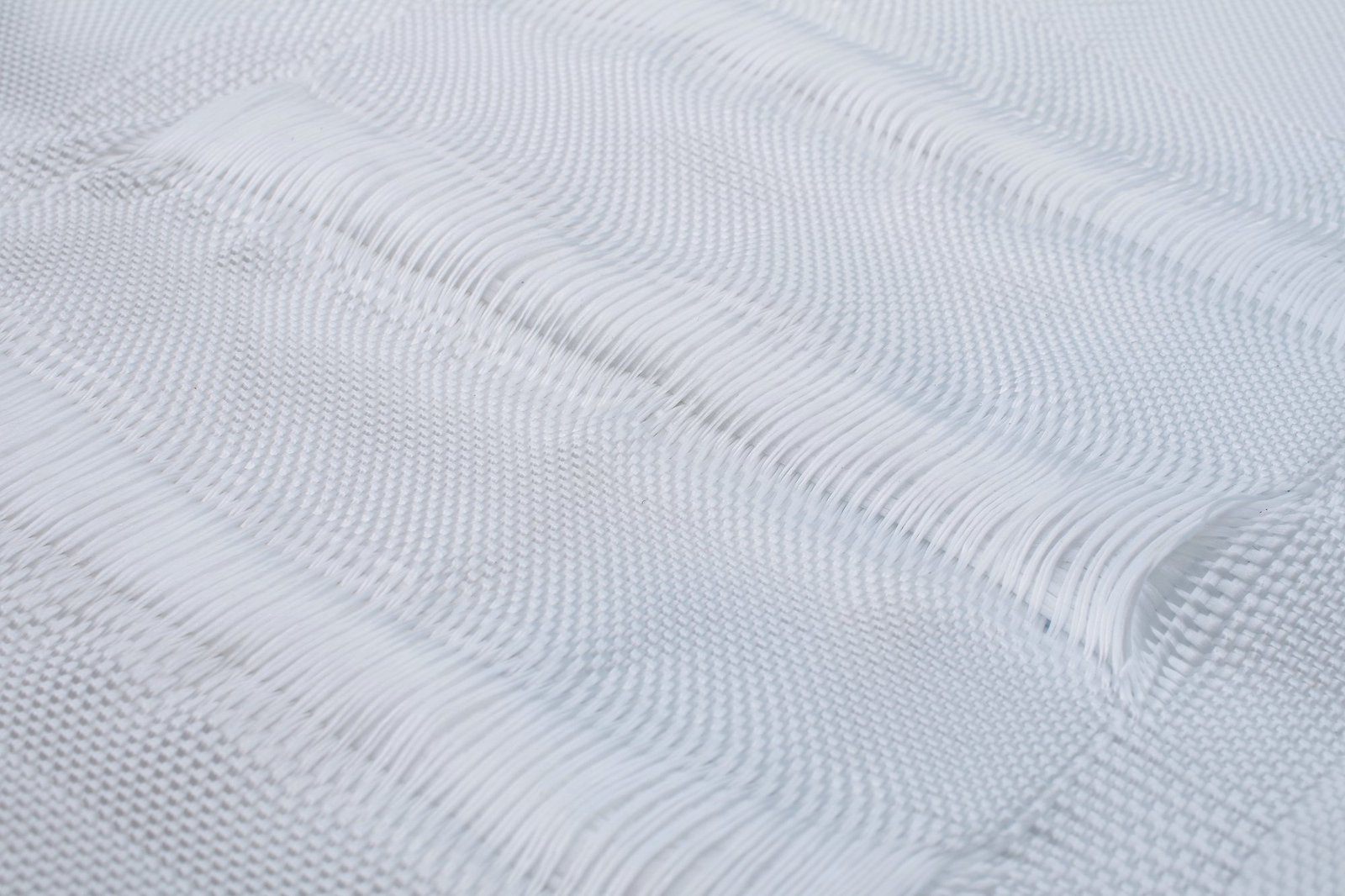
Modern compliance strictly mandates integrating woven monofilament geotextiles exhibiting a 0.212mm Apparent Opening Size. This simultaneously blocks particulate migration while allowing a 1.25 sec⁻¹ steady-state hydraulic release. Bypassing these exact synthetic underlayment parameters immediately compromises the entire installation by inviting rapid subgrade soil piping under extreme saturated pressure.
Strategic Industry Outlook and Procurement Conclusion
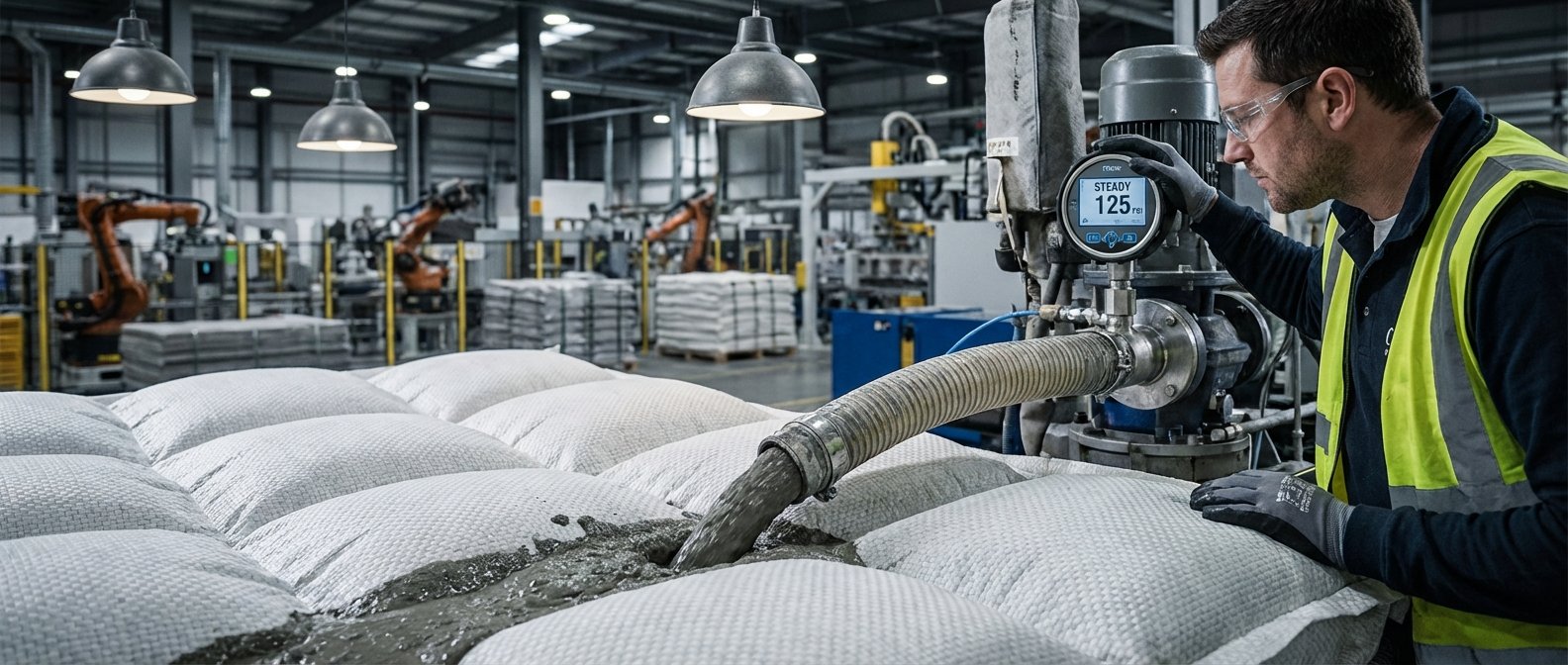
The pivot from unpredictable un-armored earthworks toward rigorously controlled, mathematically formulated hydraulic barriers marks a permanent shift in civil engineering asset management. Implementing structural components adhering strictly to sub-millimeter tolerances and extreme high-yield densities eliminates recurring municipal maintenance expenditures drastically over 50-year mandated operational horizons. Navigating the complex interplay of tendon elongation, concrete density, and geotextile permittivity allows purchasing departments to secure infrastructure capable of defying unprecedented climatic turbulence seamlessly.
Integrating premium engineered solutions ensures long-term capital investments remain fundamentally protected against relentless aquatic forces. Establishing robust vendor alignment with elite manufacturing operations guarantees continuous compliance with tightening international performance limitations. To review complete engineering capability scopes and evaluate verified performance metrics across international installations, explore the extensive China Concrete Mattress Manufacturing footprint at HydroBase to request a free technical consultation.