Articulated Concrete Mattress Revetment Systems for Industrial Scour Mitigation
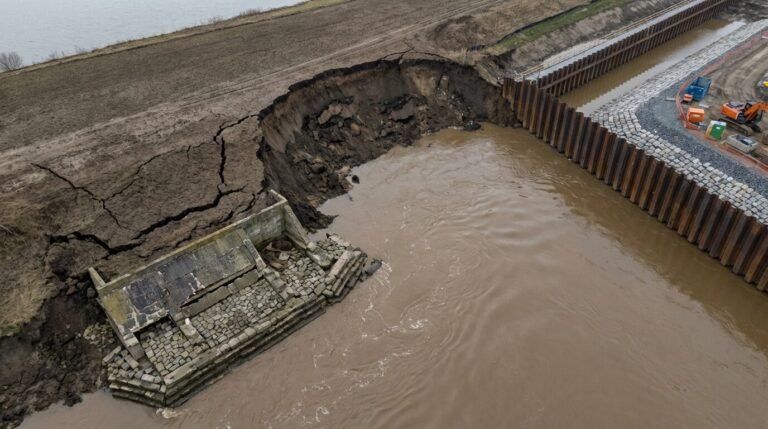
Industrial-scale riverbed and coastal infrastructure require robust, meticulously engineered solutions to prevent catastrophic failure from systemic subgrade erosion. As extreme weather events and increased channel velocities exert unprecedented hydrodynamic pressure on bridge piers, outfalls, and embankments, traditional unlinked hard armor systems like loose riprap are exhibiting unacceptable failure rates. The phenomenon of hydrodynamic scour over extended operational lifespans systematically displaces granular material, ultimately leading to structural undermining and multi-million dollar rehabilitation liabilities. Modern civil engineering paradigms have firmly pivoted away from disjointed remediation toward cohesive, structural unit protections.
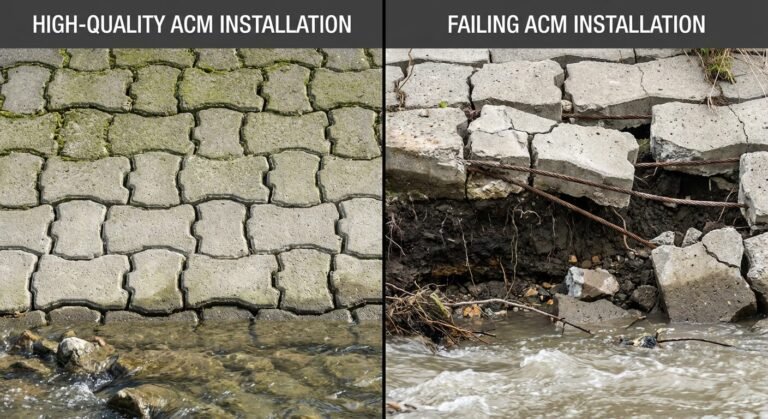
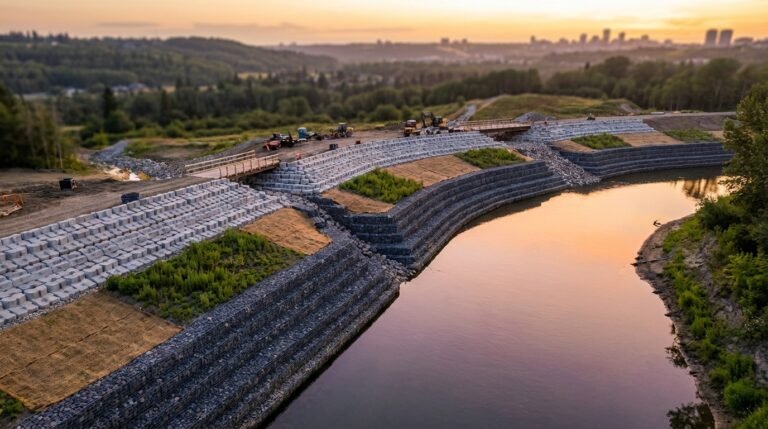
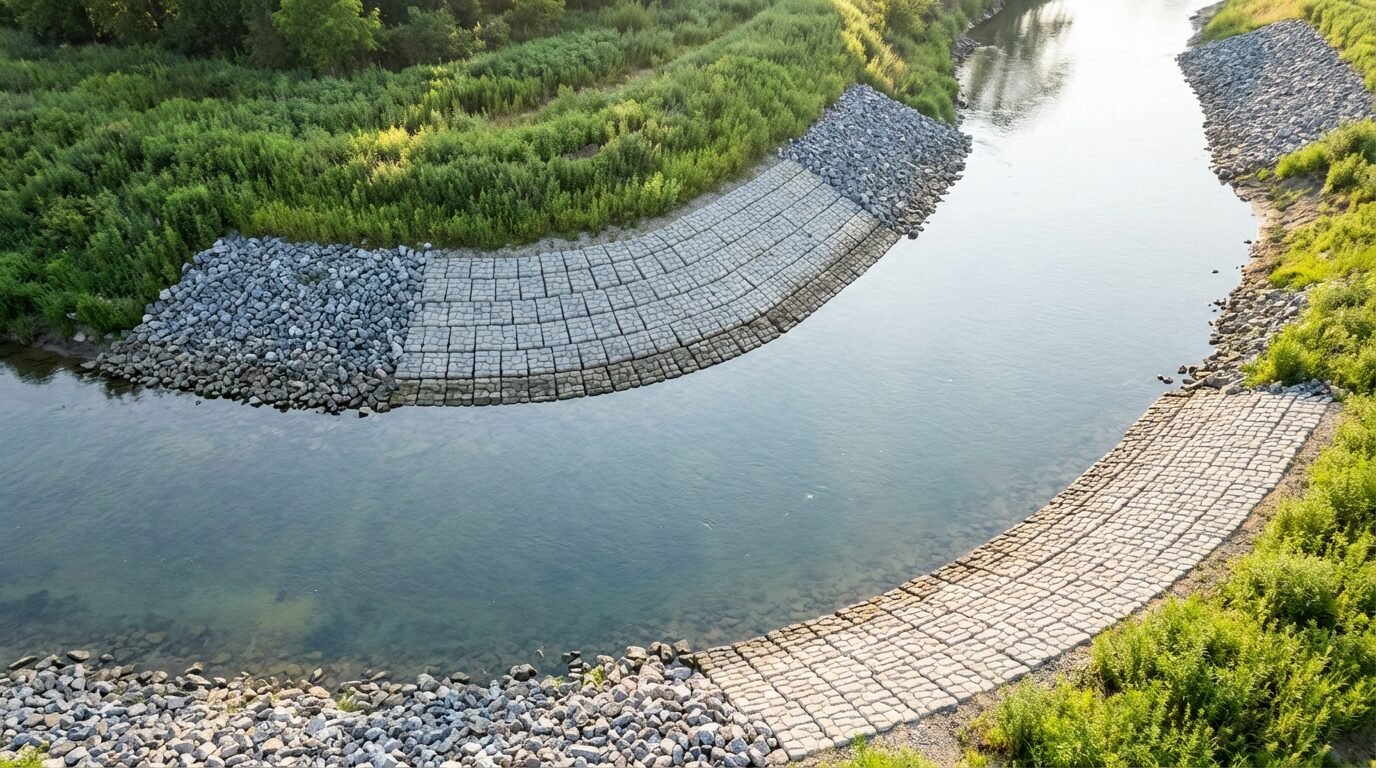
To meet the exacting demands of large-scale embankment stabilization, comprehensive articulated concrete mattress revetment systems provide a hydraulically stable, load-bearing matrix. Unlike rigid cast-in-place slabs that are susceptible to localized tensile fracturing under subgrade subsidence, specialized articulating systems rely on precision-cast geometric blocks interconnected via high-strength internal cabling networks. This integrated mechanical flexibility ensures continuous intimate contact with unpredictable bed typographies while simultaneously facilitating essential hydrostatic pressure relief through predefined interstitial joint configurations.
For municipal procurement officers and civil engineering consultants vetting solutions for high-velocity environments, navigating the granular technical specifications of these complex assemblies dictates project viability. Every component within the revetment matrix—from the dimensional tolerances of the aggregate blocks to the yield limits of the synthetic anchoring ropes—must align with stringent hydraulic engineering standards. This comprehensive technical guide dissects the core performance metrics, load-bearing capacities, and comparative material advantages necessary for evaluating heavy-duty erosion control implementations spanning global infrastructure developments.
Hydrodynamic Mechanics Governing Industrial Scour Mitigation
Quantifying the precise hydraulic mechanisms that induce channel bed scour relies on intensive boundary layer analysis and the calculation of bed shear stress parameters. In open channel industrial flows, specifically adjacent to solid obstructions like dam spillways or bridge abutments, localized flow acceleration creates intense horseshoe vortices. These turbulent eddies multiply the downward hydraulic pressure gradients, lifting non-cohesive sediment particles directly out of the foundational subgrade matrix. Understanding this mechanism is pivotal before specifying any articulating revetment intervention.
Under steady unvaried flow profiles, calculating the critical shear stress threshold depends on the specific gravity, compaction density, and mean particle diameter of the underlying soil horizon. When specific fluid dynamic sheer forces breach 42.5 pascals, conventionally sized cobble structures inevitably suffer displacement. The broader industry shift toward highly engineered articulated defenses is reflected in global market trajectories. For context, the forecast for related sectors such as the Erosion Control Wattles Market Outlook (2026-2035) estimates a 5.2% compound annual growth rate driven by stringent infrastructure and climate resilience mandates, illustrating a global prioritization of verified morphological stabilization technologies over temporary fixes.
Within these dynamic high-velocity channel scenarios, specific weight per unit area dictates the functional survival of the protective mat. Articulated layers deploying block configurations engineered strictly to 412.3 kg/m² mass densities ensure that the resultant gravitational resistance decisively overcomes the localized uplift vectors generated by supercritical turbulent sweeps. By maintaining a Froude number operational threshold up to 2.45 across the boundary layer, the continuous mechanical weight of the interconnected array neutralizes localized lifting forces, maintaining substrate isolation without catastrophic uplift failure.
Interlocking Hinge Joint Durability and Load-Bearing Calculations
The functional superiority of a heavy-duty flexible mattress relies exclusively on the geometric precision and material strength of its interlocking hinge joints. Unlike rigid structures, an effective revetment assembly must continuously flex in response to minor foundation settling while preserving 100% interconnected lateral stability. B2B procurement specifications demand rigorous adherence to volumetric casting thresholds, routinely requiring block dimension tolerances of ±0.3mm to ensure flawless operational nesting during installation protocols over highly uneven terrain.
Engineered hinge dynamics physically restrict the angular displacement of adjacent structural units to exactly 22.4 degrees of articulation. This mathematically derived restriction curve allows the heavy blocks to mimic undulating riverbed topographies perfectly, yet prevents acute folding angles that would expose the delicate underlying geotextile substrate to direct abrasive sheer currents. Because ensuring the longevity of these internal layers requires continuous verification, macro-level projects often deploy subsurface sensors. Confirming this sector’s expansion, the soil monitoring market is expected to grow from USD 987.2 million in 2026 to USD 1.6 billion, heavily driven by the necessity for real-time subsidence data in massive infrastructural footprint operations.
Under immense external wave impact, these precision-engineered joints transition vertical strike momentum horizontally across an expanded array of blocks, effectively dissipating the localized energy spikes. The lateral load transfer coefficient measures approximately 92.7% efficiency between adjacent modular panels. By dispersing kinetic impact energies across massive multi-ton planar surfaces, rather than forcing individual structural elements to mitigate the shock individually, the collective assembly remains firmly seated within its specifically excavated toe anchors without degrading the foundational gradient.
Structural Concrete Matrix and Substrate Permittivity Parameters
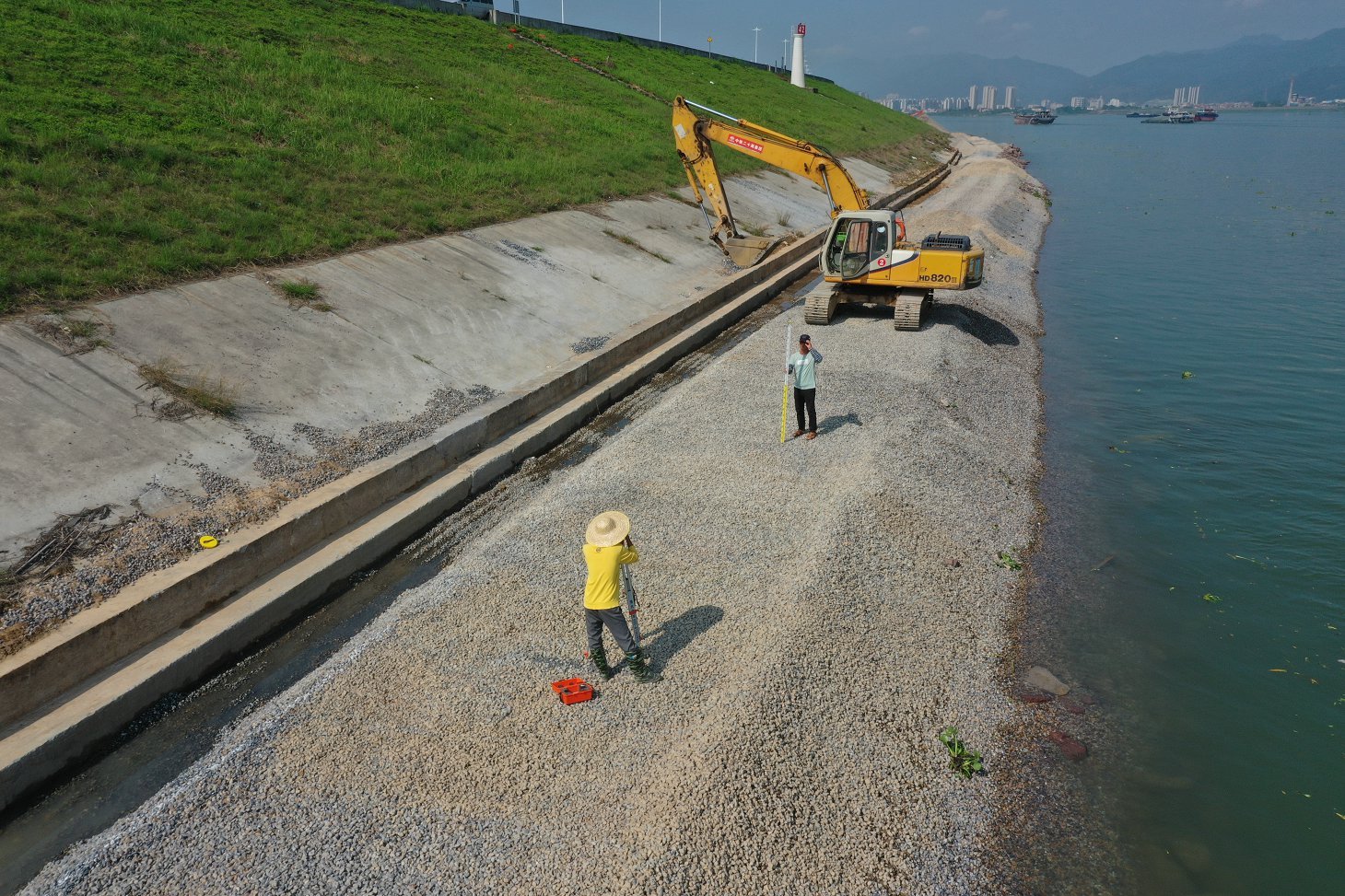
Delving into the micro-structure of the stabilizing units, the physical chemistry governing the cementitious composite directly governs atmospheric and submerged durability. Suboptimal hydration mixtures manifest severe efflorescence and sulfate attack degradation in corrosive municipal outfall zones. Procurement standards mandate structural matrices capable of exceeding a minimum compressive yield of 42.5 MPa, verified exclusively within rigorous 28-day underwater curing laboratory protocol scenarios. This compressive verification mitigates internal cracking under severe kinetic ice sheer or prolonged sediment abrasion.
Equally critical to sheer mechanical hardness is the internal porosity parameter, where advanced mix designs strictly maintain volumetric water absorption maximums below 0.8%. Eliminating interstitial moisture intrusion comprehensively negates freeze-thaw spalling cycles—a critical failure point for monolithic revetment attempts installed in upper latitudinal river basins. By employing localized pozzolanic ash admixtures, internal hydration heat peaks are minimized during the pre-casting procedures, permanently sealing the microscopic capillary networks inherent to standard concrete batches.
System permittivity dictates how well the assembled blocks relieve subsurface pore water pressure without sacrificing the foundational soil layer’s structural integrity. Specifying engineers utilize Apparent Opening Size (AOS) filtration evaluations to pair high-density cover elements with mathematically tailored geotextile backings. This synergy enables deep aquifer pressure equalization flows to exit upward directly through the revetment array at specific rates of 0.45 sec⁻¹, ensuring internal soil piping vulnerabilities remain totally neutralized during rapid channel drawdown environments.
Cable Connection Configurations for High-Velocity Riverbeds
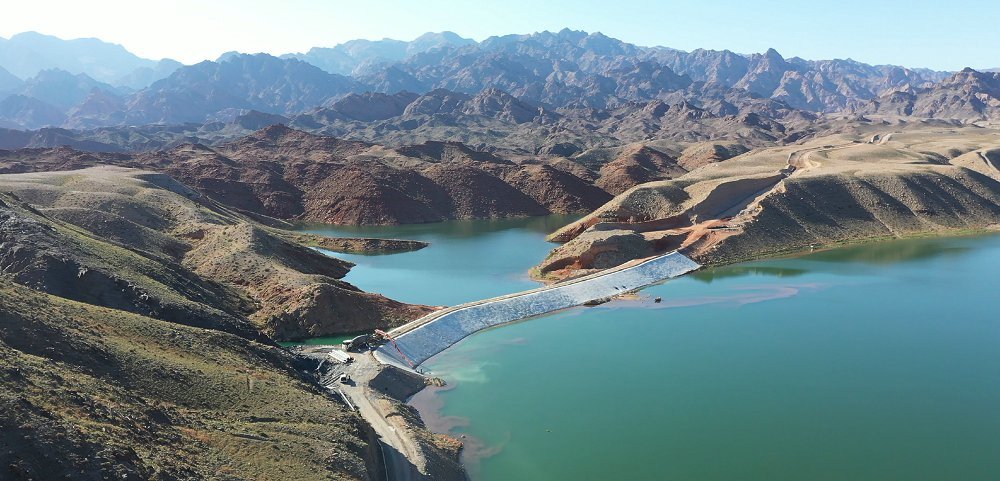
The tensile skeleton interwoven beneath the dense armor facade serves as the crucial lifelines holding entire sections of articulation safely within complex three-dimensional arrangements. Understanding the metallurgical or polymeric compositions constituting these linkages is paramount for B2B buyers avoiding long-term degradation liabilities. Conventional low-budget arrays utilizing standard carbon steel ties universally experience rapid anodic dissolution within fluctuating estuarine tides, systematically compromising structural continuity beneath the waterline within less than a single operational decade.
Premium configurations deploy either 316L stranded marine-grade austenitic stainless steel wire rope or highly UV-stabilized co-polymer polyethylene synthetic braided cables. These advanced tension arrays consistently provide certified tensile yield points measuring precisely 85.3 kN/m in independent stress-strain gauge validations. The impressive flexibility curves built into these structural tendons safely manage a maximum elongation breaking limit reaching 12.4%. This carefully engineered stretch capacity absorbs rapid localized shock pulses generated by heavy debris collision, avoiding total linkage rupture.
Load safety factors applied to final assembly matrices regularly hover around a 1.5 multiple of the maximum anticipated tractive stress vector. To empirically validate these localized traction variables and ensure the specified cables meet environmental strain thresholds without over-engineering the budgetary constraints, engineers frequently survey shifting sediment bed layers. As highlighted within specific sector analyses, the global market for Erosion and Sediment Control was valued at US$ 3794 million in 2024, showcasing industrial reliance on empirical particle sampling methods to dictate precise cable and block configuration necessities.
Geotextile Formwork vs Pre-Cast Interlocking Blocks: A Technical Comparison
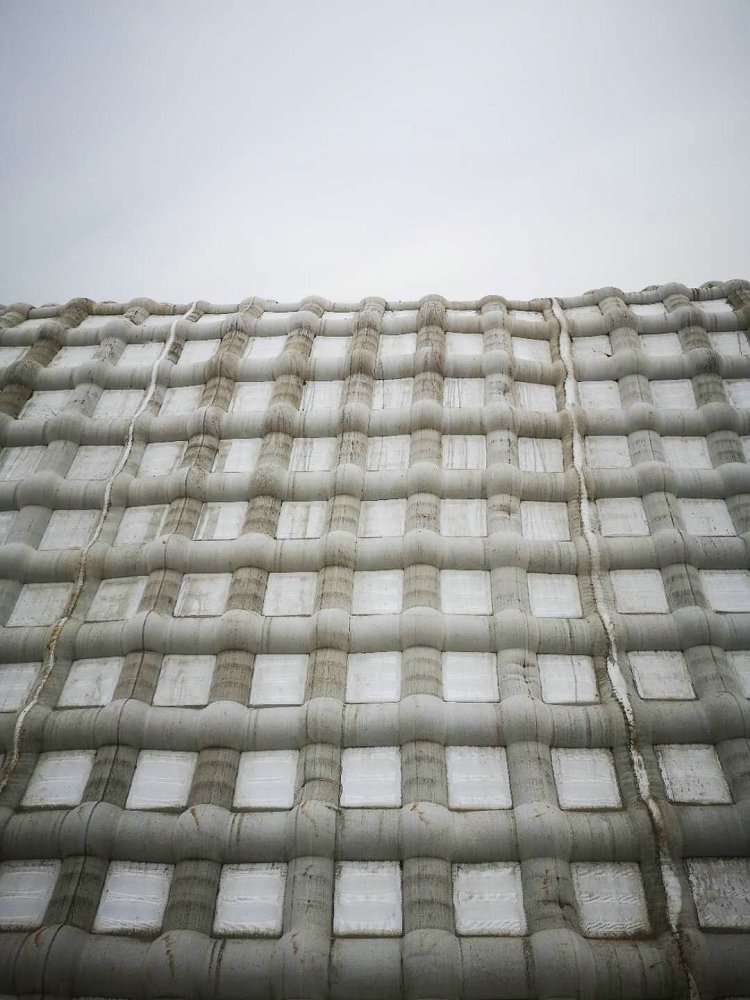
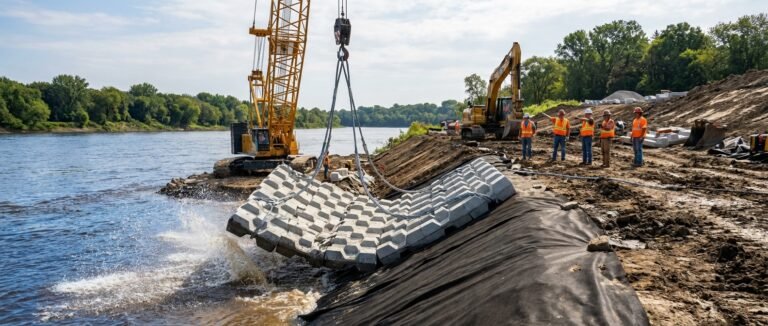
Navigating the procurement phase frequently distills down to an intricate techno-economic comparison between factory-controlled pre-cast articulated matrices and on-site injected synthetic fabric formworks. Pre-cast systems involve rigid factory quality controls, ensuring exact volumetric and density parameters of the constituent concrete elements are perfected before entering the logistics chain. However, deploying multi-ton panels necessitates tremendous onsite staging areas alongside intensive heavy-lifting crane deployments perfectly synchronized with precise subgrade preparation routines.
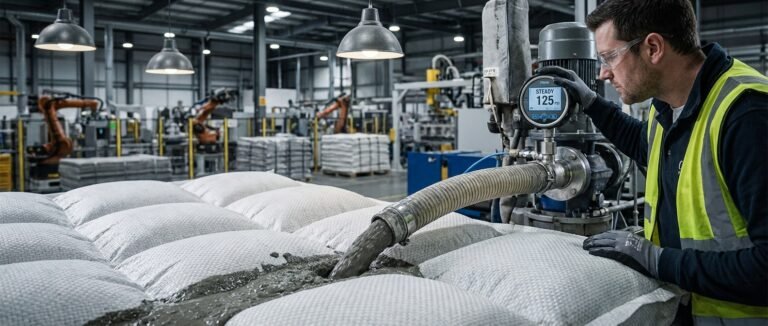
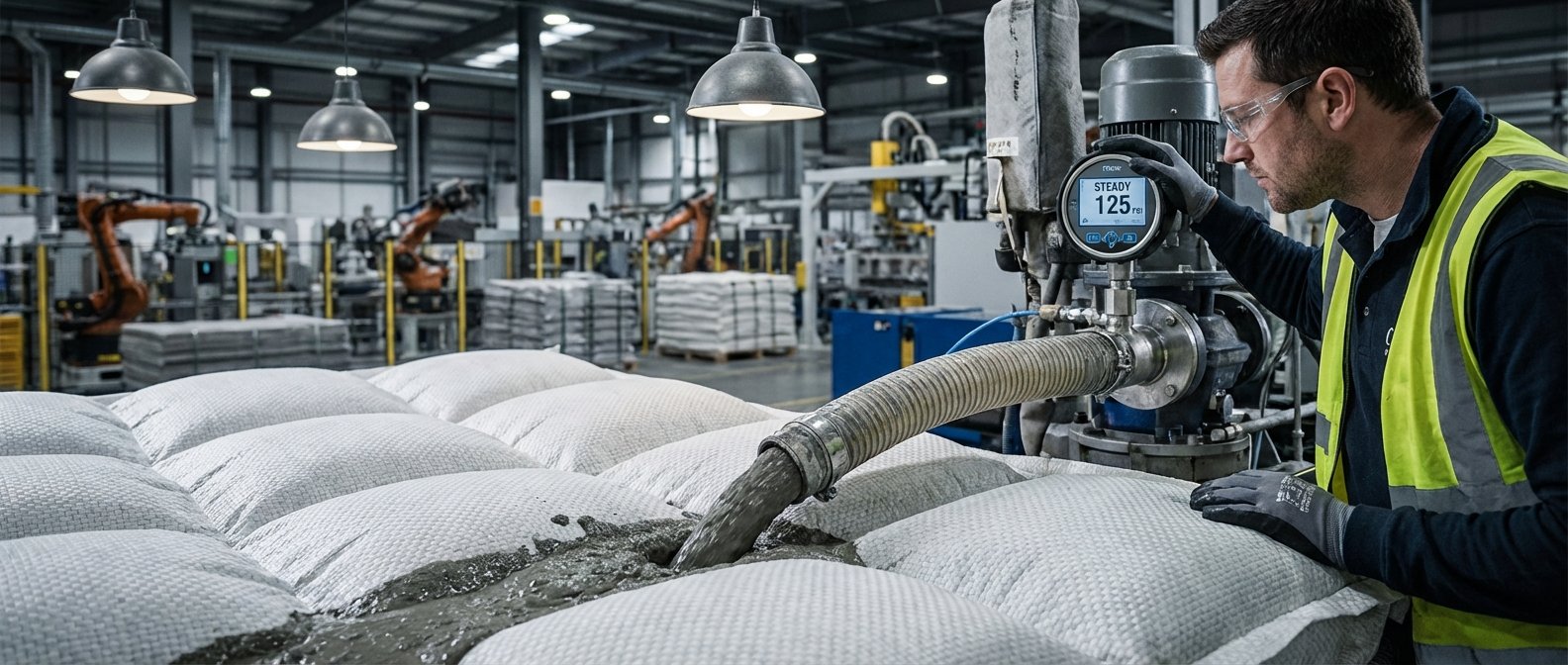
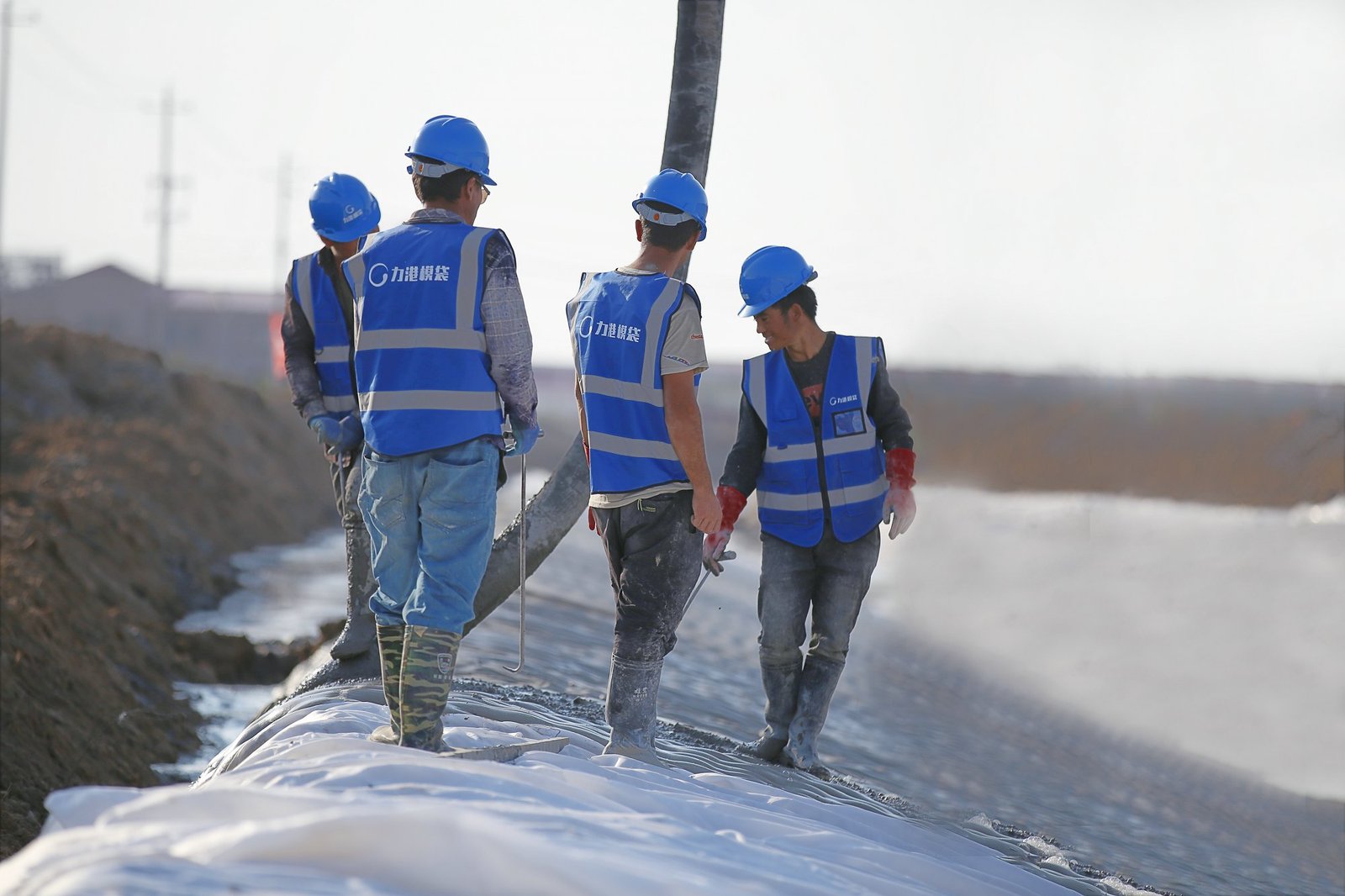
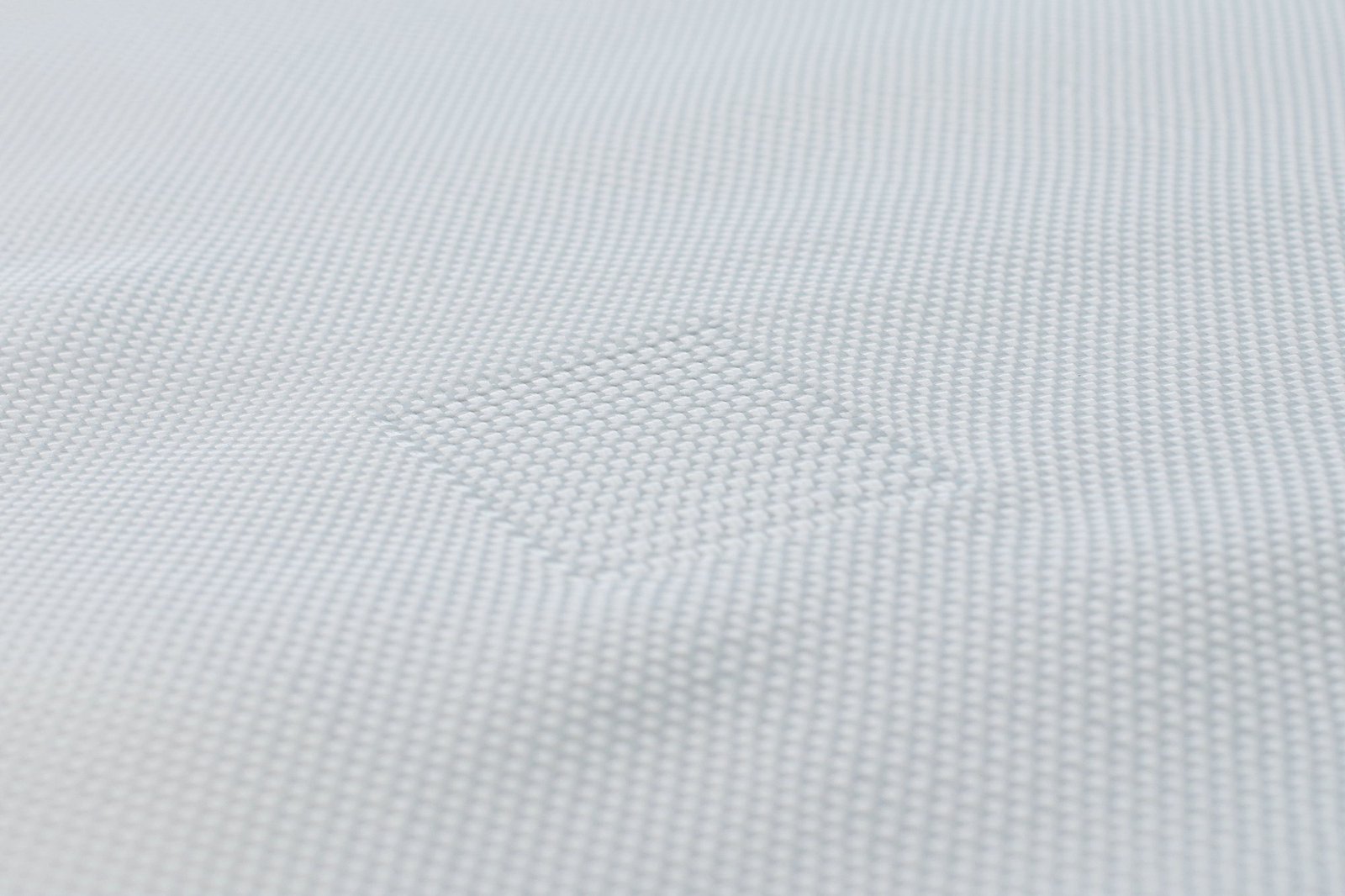
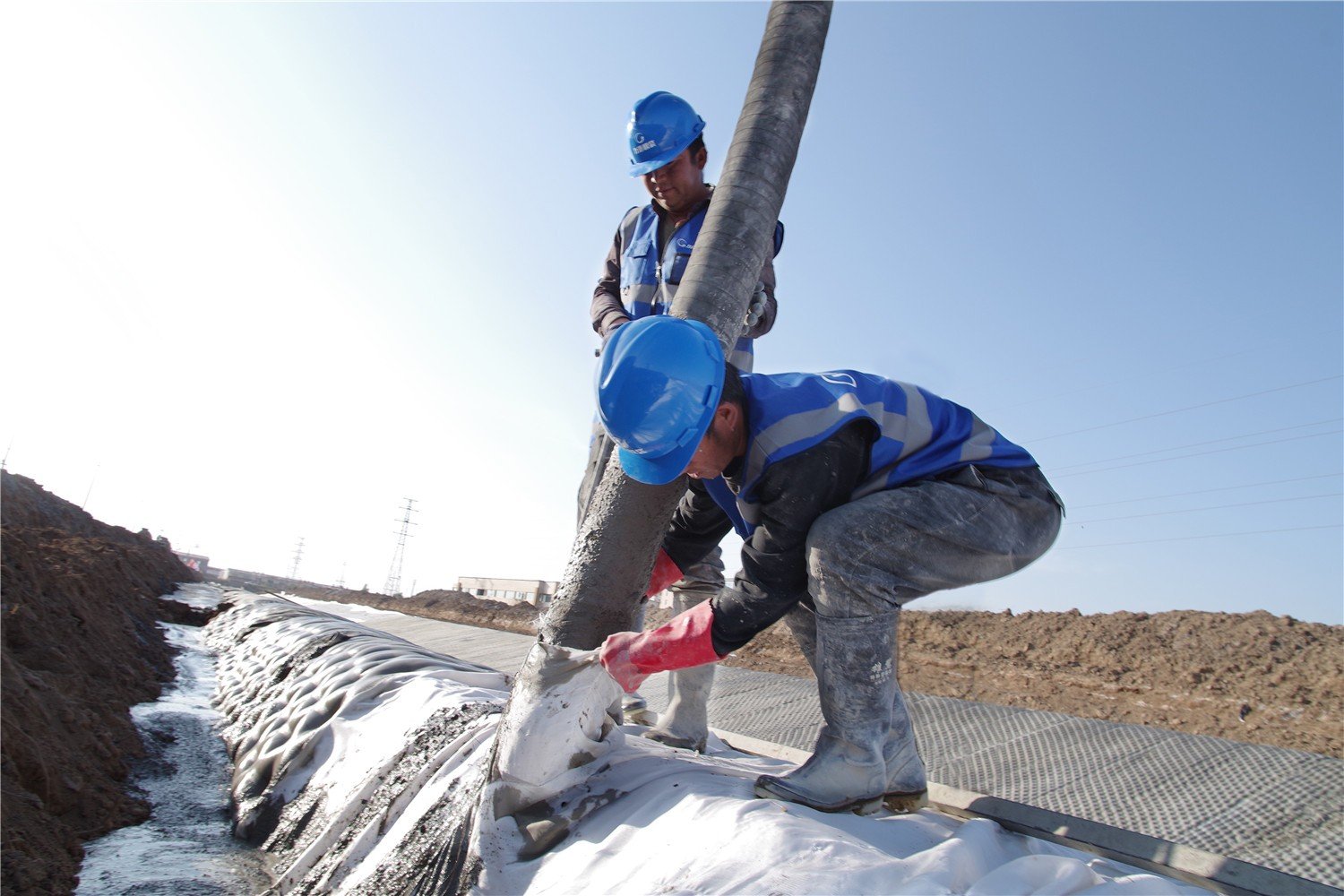
Conversely, woven fabric systems—often categorized internally as filter point concrete mattress solutions—utilize a high-strength dual-layer polymeric envelope positioned manually over the prepared terrain. Specialized micro-concrete slump is subsequently hydraulically pumped into the interstitial fabric voids directly onsite. This eliminates heavy freight logistics but extensively relies upon field technicians meticulously managing the concrete injection sequence, moisture atmospheric curing variables, and slump plasticity constraints under challenging outdoor elements. The strategic application deeply interconnects with the overarching global polymer sector, where the Geosynthetics Market was valued at US$ 24.5 Bn in 2025 and is projected to reach US$ 62.1 Bn by 2036, highlighting the rapidly expanding scale of synthetic fiber utilization within raw structural civil installations.
| Engineering Parameter | Pre-Cast Articulated Assemblies | Geosynthetic Injected Formwork |
|---|---|---|
| Baseline Tensile Limit (kN/m) | 85.3 (Premium Linkages) | 55.6 (Woven Matrix Limits) |
| Subgrade Void Tolerance | Low (Requires fine grading) | High (Molds to severe deviations) |
| Quality Assurance Paradigm | 100% Factory Controlled | Field-Dependent Pumping Metrics |
| Logistical Freight Density | Extremely Heavy Transport | Lightweight Palletized Rolls |
| Maximum Operational Velocity | Up to 7.84 m/s | Up to 6.25 m/s |
System Integration into Large-Scale Hydraulic Infrastructure
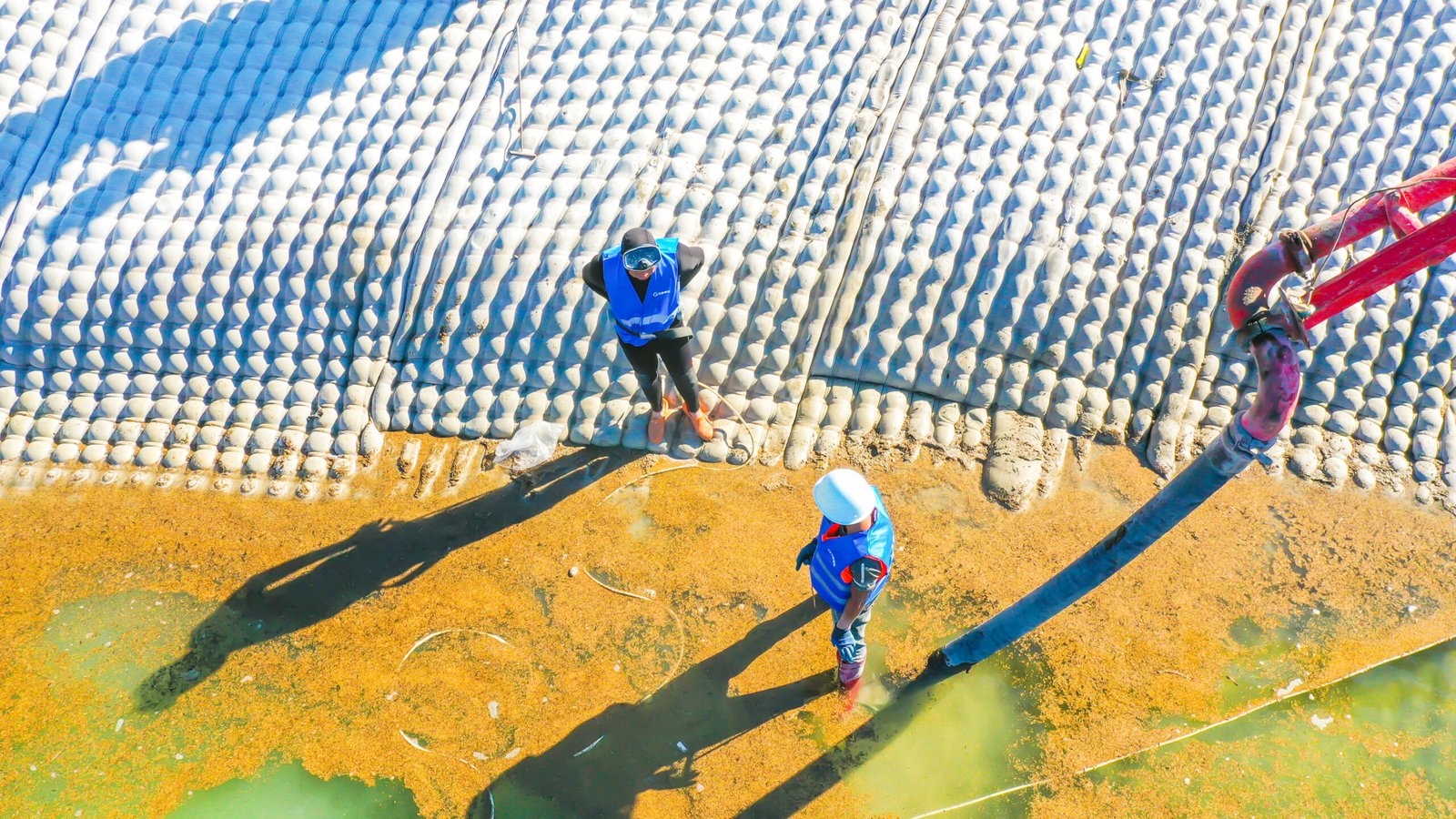
Applying these dense articulated sheets to massive embankment expanses dictates strict integration geometries to prevent boundary layer vulnerabilities. Merely draping the engineered layer over affected slopes repeatedly fails if the perimeter anchorages allow hydrodynamic forces to peel back the leading edges. Strategic installation blueprints meticulously detail leading edge toe-trench excavations, frequently deeply burying the first 2.5 meters of the mattress array firmly beneath the anticipated lowest possible scour depth threshold line.
Interfacing with concrete structures, specifically circular bridge piers or complex multi-angled stilling basins, requires precise cutting and overlapping protocols. The system’s capacity to be customized laterally enables protective halos to surround rigid cylindrical concrete pillars flawlessly, establishing a continuously armored transitional zone. By mitigating the formation variables of the intense horseshoe vortex loops specifically at the pier base, total substrate loss adjacent to critical structural pylons drops to near-zero calculable probability curves.
Designers must rigorously evaluate concrete mattress projects to confirm the compatibility of specific cable loop termination methods at the highest elevation crests of spillways. Anchoring the highest tension points via deep helical soil anchors or heavy cast-in-place concrete dead-men blocks permanently transfers the accumulated multi-ton hanging weight of the entire continuous mat safely back into competent bedrock or heavily compacted berm strata, securing generational resilience.
Subgrade Preparation and Embankment Dredging Protocols
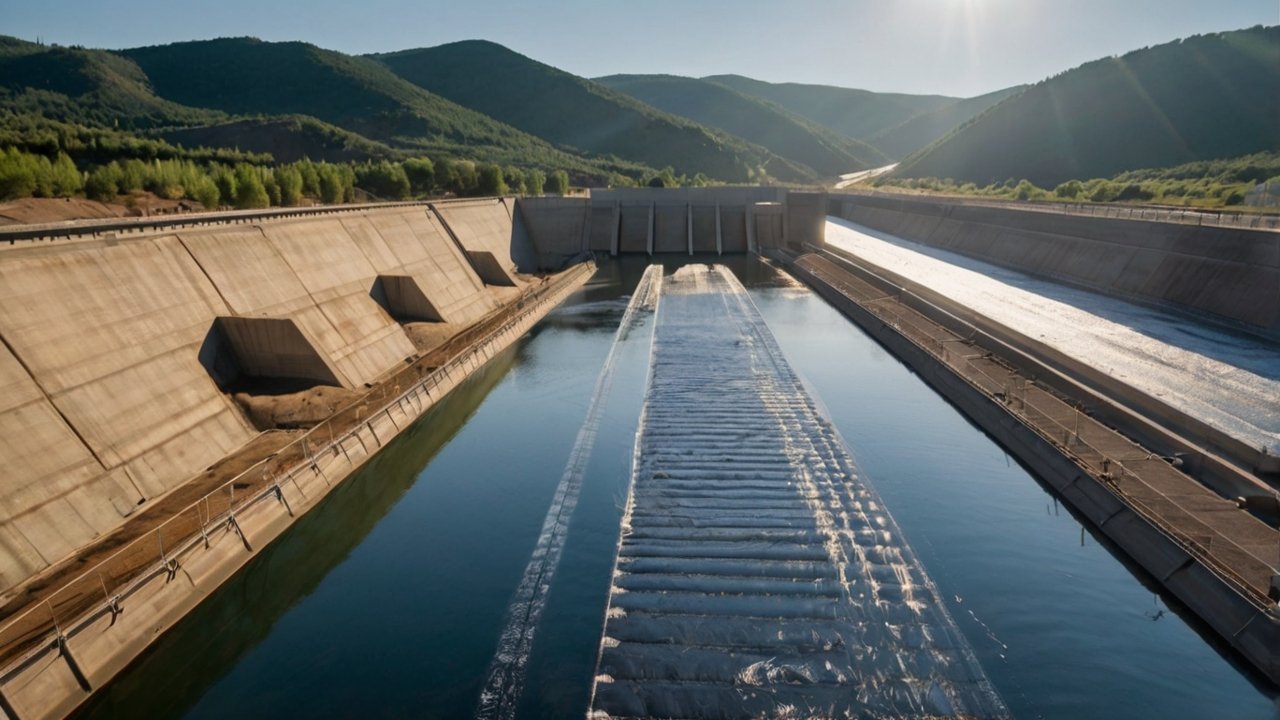
Because the physical efficacy of high-density articulated grids relies explicitly upon continuous, unflinching contact with the bed profile, robust bathymetric surveying and dedicated physical preparation serve as prerequisites. Severe deviations, exposed localized bedrock pinnacles, or massive sunken vegetative debris instantly create bridging scenarios where the concrete blocks float suspended over localized voids. These specific suspension voids swiftly amplify fluid velocities underneath the matting, leading rapidly to internal erosion via hydraulic piping behaviors.
Extensive earthmoving operations to homogenize the gradient frequently accompany successful system integrations. The sheer financial scale of these foundational works is thoroughly benchmarked by macroscopic maritime industry indices; effectively captured by forecasts wherein the Global Dredging Market is valued at USD 17.3 billion in 2026, forecast to reach USD 21.3 billion by 2036. This massive parallel investment highlights the stringent geometric slope tolerances mandated by modern revetment methodologies to ensure permanent success profiles.
Final grading protocols specify laying highly calibrated transitional granular filter layers before positioning the actual synthetic underlayment. Crushed limestone grids mathematically graded to correspond with the indigenous soil particle sizing perfectly intercept microscopic fine migration. Maintaining an absolutely leveled planar sub-base enables the multi-ton pre-cast articulating grids to descend via custom lifting spreaderbars flawlessly, interlocking instantly without causing excessive localized bunching or dangerous cable-snag stress concentrations during massive crane placements.
Advanced Polymeric Material Integration within Mattress Formations
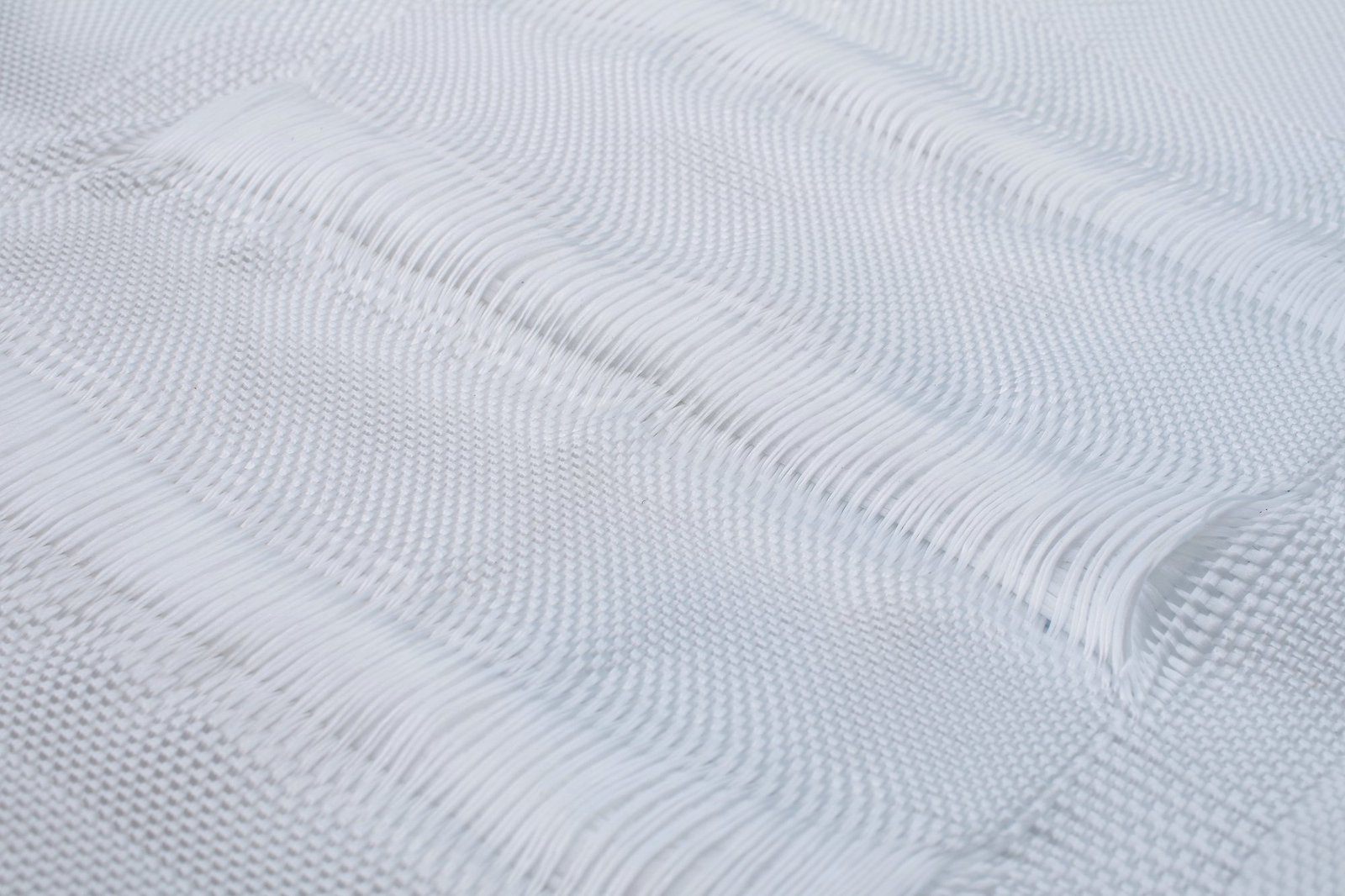
Despite the visual dominance of massive interlocking concrete units, the actual foundational security hinges universally upon the non-woven or ultra-high-strength woven geotextiles pinned immediately beneath them. This micro-porous membrane actively restricts the upward migration of foundational silt molecules while simultaneously allowing excess groundward pore-water to effortlessly bleed outward during severe tidal or river-level drawdown occurrences. Ignoring this specific layer results in rapid systemic failure regardless of armor mass.
Polypropylene extrusion techniques produce continuous filaments that resist deeply complex sub-aquatic chemical environments inherently ruinous to natural fiber alternatives. In highly specialized eco-sensitive operations, procuring managers purposely seek environmentally integrated solutions like vegetated concrete mattress solutions. These strategically incorporate specialized interstitial gaps specifically scaled to promote aggressive indigenous lateral root-system integration deep into the underlying synthetic grids over time.
The deliberate cultivation of these deeply anchoring root networks drastically compounds the mechanical strength of the entire installation after purely two operational growing seasons. Confirming the acceleration of this specific civil engineering methodology toward restorative ecological integrations, reports demonstrate the Green Soil Market valued at USD 765.4 Mn in 2025, anticipated to reaching USD 1294.8 Mn by 2032. The steady 7.8% annual growth perfectly aligns with mandates forcing critical hydraulic armor logic to merge seamlessly with long-term biological riparian rehabilitation goals.
B2B Procurement Risk Management and Operational Scalability Strategies
Navigating global supply chain volatility remains a premier challenge for engineering procurement officers tasked with fulfilling stringent government environmental mandates on rigid fiscal timelines. Successful deployment of enormous volumetric quantities of heavy civil components necessitates partnering alongside vastly scaled manufacturers actively demonstrating deep institutional logistics mastery. Fractionalized delays involving misaligned block dimension parameters or absent synthetic cabling shipments mathematically compound into devastating operational crane-hire financial overruns.
For example, specialized manufacturers like HydroBase have addressed these exact acute industry bottlenecks by meticulously vertically integrating their primary quality assurance pathways. Utilizing a robust network encompassing 150+ dedicated production lines alongside strictly controlled 10+ years of granular field expertise, output capacity reliably scales to meet sudden municipal crisis requirements. This vast structural scalability uniquely enables guaranteed 48-hour global dispatch times, an operational cadence fundamentally impossible for fragmented localized casting yards to replicate under pressure.
Ultimately, mitigating financial risk when executing extensive articulated arrays mandates leveraging a supplier portfolio actively proven across diverse hydrodynamic scenarios. Validating a continuous history spanning over 230+ distinct massive infrastructure completions provides procurement boards with the necessary empirical confidence to proceed. Rigorous specification conformance actively verified long before maritime freight deployment is the solitary path to protecting vast municipal outlays from subsequent premature hydro-erosion structural catastrophic events.
Frequently Asked Questions
Q: What is the maximum permissible bed shear stress for interlocking articulated slabs?
Premium interlocking articulated mats easily withstand critical bed shear stress forces exceeding 42.5 pascals before indicating any signs of upward mobility. This exact limit varies based on the specific mass density of the structural concrete matrices utilized (often reaching up to 412.3 kg/m²), but ultimately offers radically superior performance limits compared to similarly sized loose granular cobble or disorganized riprap deployments.
Q: How do procurement lead times compare between customized cable-tied mats and standard cast-in-place options?
Sourcing scaled factory-assembled cable-tied arrays generally shortens on-site critical path schedules drastically, as vast quantities of structural material arrive pre-cured and ready for immediate marine installation.