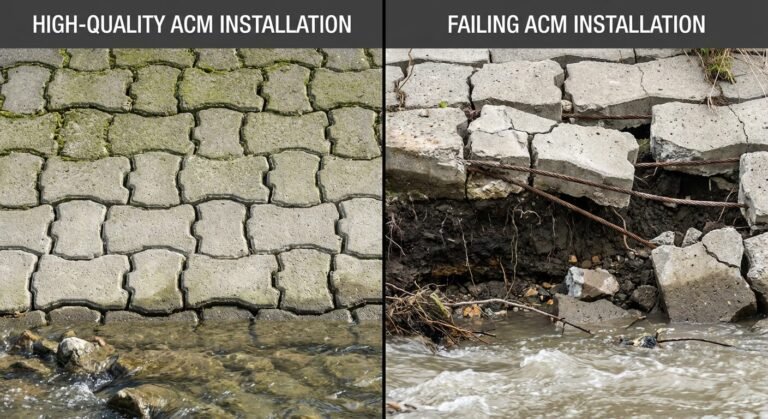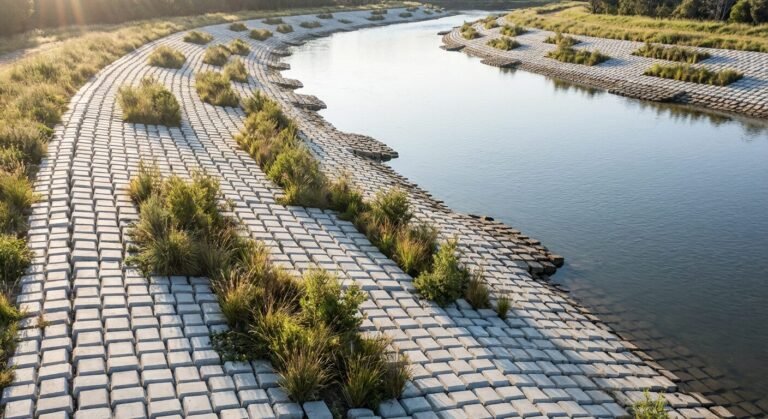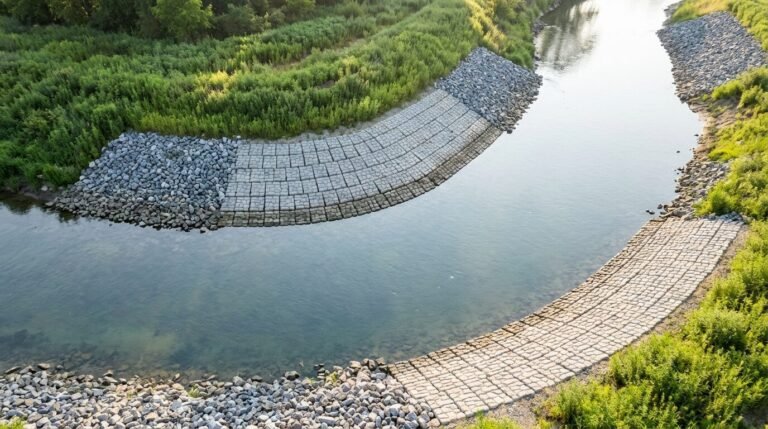

Civil engineering procurement officers and municipal project managers are increasingly tasked with sourcing robust revetment systems to prevent catastrophic infrastructure failure. In high-velocity hydraulic environments, standard riprap and rigid concrete paving have repeatedly failed to accommodate subgrade settlement or withstand extreme hydrodynamic uplift forces. The shift toward engineered modular solutions requires a rigorous understanding of the Articulated Concrete Mattress technical specifications for bank stabilization.
Modern hydraulic architecture demands materials that combine massive gravitational stability with flexible articulation. A high-performance mattress system utilizes an interconnected matrix of dense concrete blocks tied together by high-strength cables, forming a monolithic yet permeable protective layer across vulnerable embankments. When specifying these systems, buyers must transition from generic erosion control methodologies to precise mechanical performance criteria, focusing strictly on interoperability, tensile yield strengths, and compliance with stringent federal deployment standards.
This comprehensive technical manual delivers an uncompromising analysis of mattress system procurement. By evaluating interlocking block hinge-joint integrity, precise casting tolerances, and subgrade geotextile compatibility, engineering teams can establish a resilient defense against turbulent flow and long-term structural scouring. The following specifications will serve as your definitive baseline for evaluating vendors, validating material test reports, and ensuring maximum lifecycle performance in critical dam spillway and riverbank installations.
Key Technical Parameters for Articulated Mattress Solutions
The fundamental resilience of any articulating block system stems directly from the density, compressive strength, and specific gravity of the precisely molded concrete units. Procurement specifications must mandate a minimum 28-day compressive strength of 4,000 PSI (27.6 MPa) verified through continuous ASTM C140 batch testing. By utilizing Type I or Type II Portland cement combined with graded aggregates, the resulting modular units can effectively resist severe impact loads and abrasive forces caused by suspended sediment in high-velocity waterways.
Water absorption is a critical vulnerability metric for revetment structures exposed to cyclical inundation. Technical data sheets must verify that concrete water absorption does not exceed 9.1 lbs/ft³ (145.7 kg/m³).
Excessively porous concrete enables water infiltration, leading to internal hydraulic pressure fractures and accelerated degradation during freeze-thaw cycles. The specific gravity of the individual blocks should maintain a strict minimum of 2.34, ensuring the system possesses the critical mass necessary to remain negatively buoyant against hydrodynamic uplift.
Dimensional tolerance during the casting process directly dictates field assembly efficiency and hinge-joint flexibility. Individual block dimensions—length, width, and thickness—must not deviate by more than ±0.125 inches (3.17mm) from approved engineering drawings.
This precision facilitates uniform load distribution across the mattress and ensures consistent gap widths for vegetation integration or secondary interlocking mechanisms. Accurate manufacturing is increasingly prioritized across all facets of site management, just as exact data protocols drive adjacent sectors like the soil monitoring market, which is expected to grow from USD 987.2 million in 2026 to USD 1.6 billion in 2035.
Interlocking Block Hinge-Joint Integrity and Cable Metrics
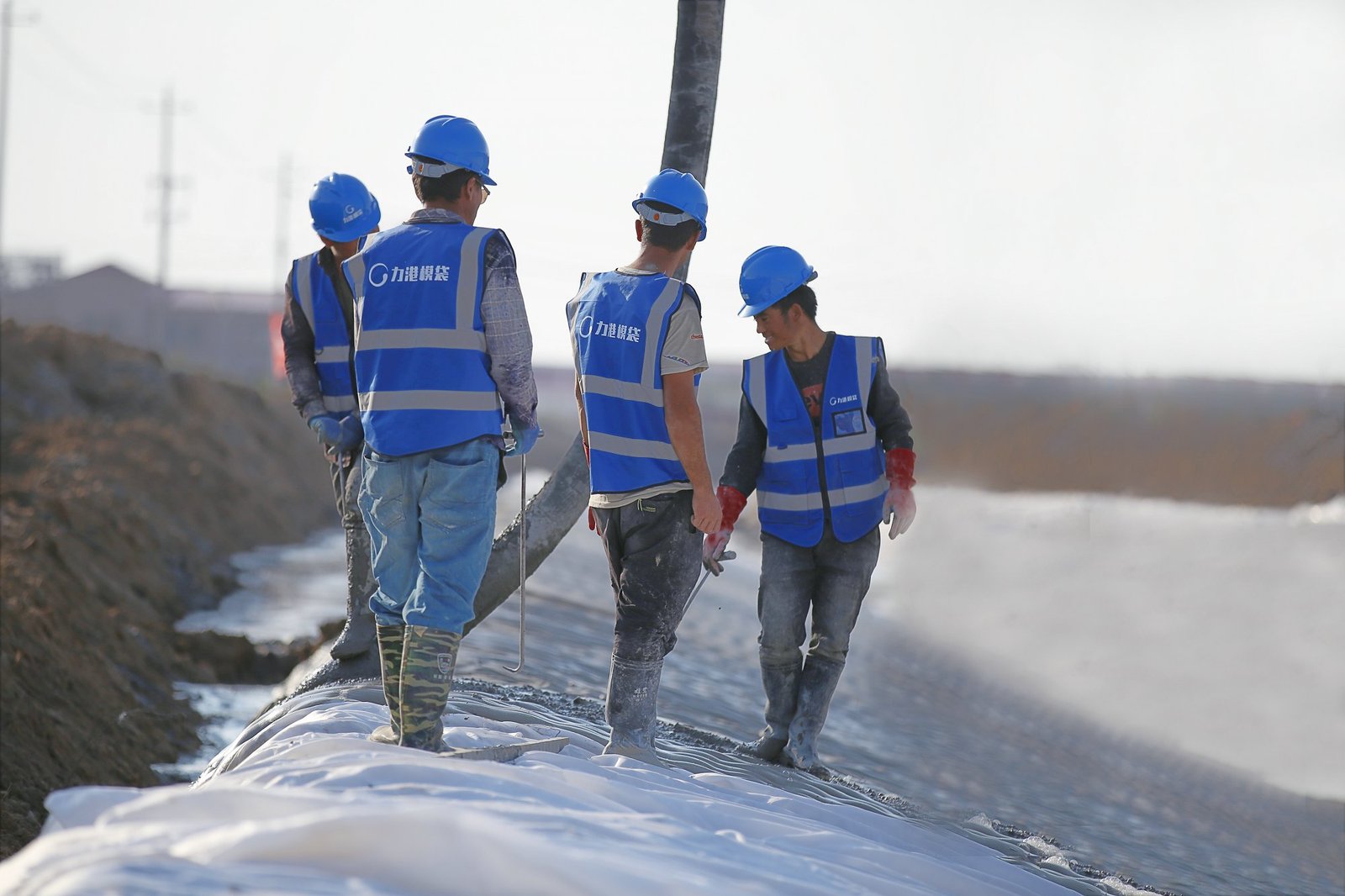
A mattress is only as robust as the longitudinal and lateral cables binding its individual modules. The primary failure mode in large-scale installations occurs when undersized cabling yields to transverse tension forces during subgrade settlement.
Technical requirements often specify 1×19 stainless steel aircraft cable (Type 302 or 304) or high-tenacity, low-elongation polyester ropes. The designated revetment cables must deliver a minimum breaking strength of 8,700 lbs force, accompanied by an elongation variable of less than 4.5% at standard working loads.
Copolymer ropes, favored in brackish or highly corrosive environments, eliminate the galvanic corrosion risks inherent in metallic fasteners. These synthetic lifelines must be treated with industrial-grade UV inhibitors and protected from direct solar radiation by the geometric overhangs within the concrete block ducts. When comparing containment systems, engineers note that while the complementary erosion control wattles market will experience sustained expansion toward 2035 due to regulatory enforcement, those soft armor profiles cannot replace the shear strength of precision-cabled concrete matrices in turbulent zones.
Sleeve and ferrule swaging specifications secure the structural integrity of the peripheral lifting loops. Aluminum or copper oval sleeves must be hydraulically crimped to exact dimensional tolerances to prevent cable slippage during staging and crane placement.
A dynamic pull-out test of these ferrule connections must register an absolute lock up to 95% of the cable’s rated breaking strength. These rigorous interconnectivity standards guarantee that the entire concrete array will behave as a unified, articulating blanket conforming seamlessly to shifting topographical profiles.
Structural Scouring Risk Mitigation in High-Velocity Flows
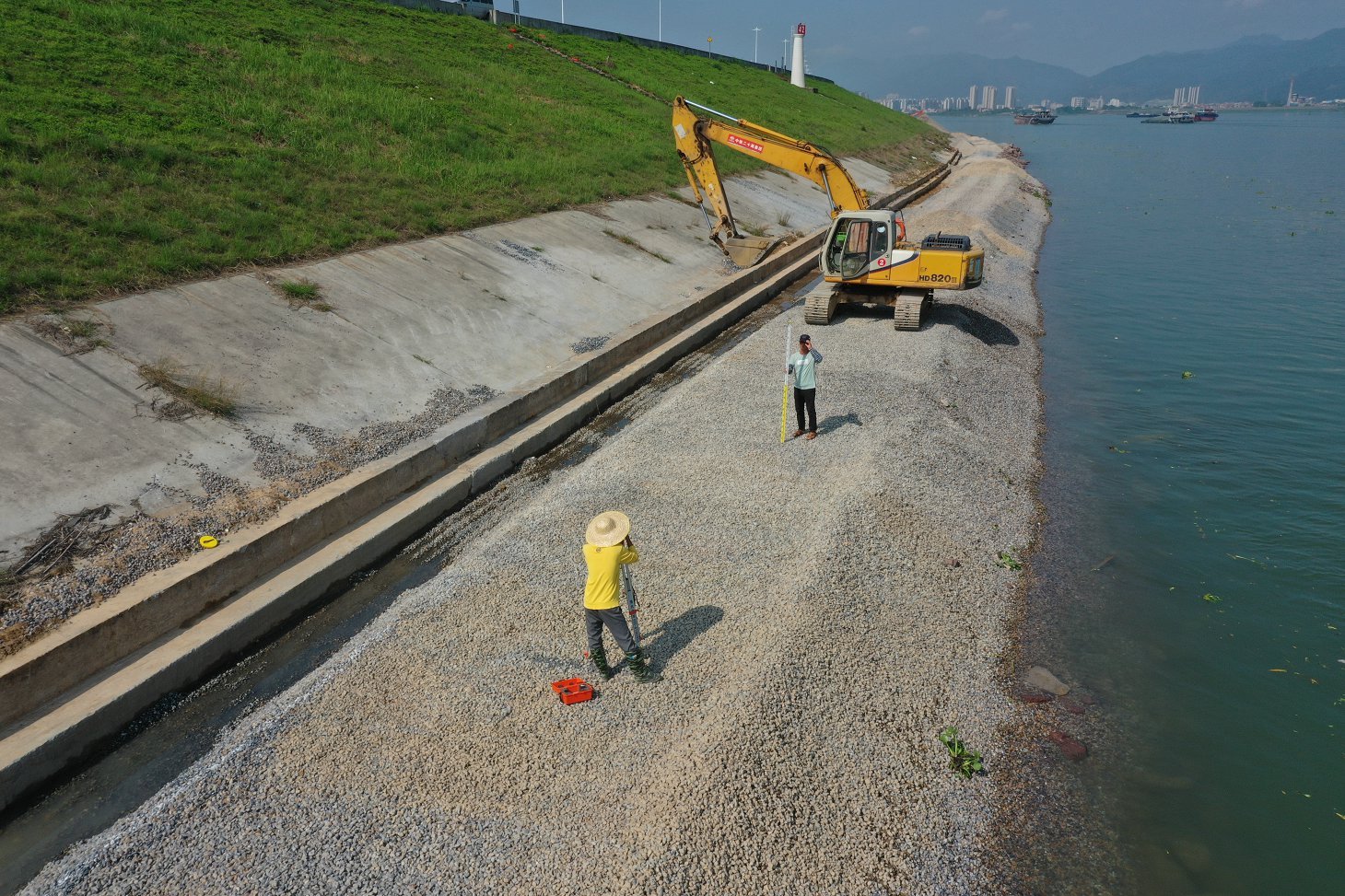
Erosion protection in extreme environments demands precise calculations regarding bed shear stress and subgrade piping. Articulated concrete profiles disrupt laminar flow patterns, intentionally generating localized micro-vortices that dissipate kinetic energy without lifting the monolithic structure. Systems must be certified to withstand constant flow velocities exceeding 8.4 meters per second and localized shear stresses surpassing 24.5 lb/ft² (1,173 Pa) without initiating leading-edge lift or structural decoupling.
To negate the devastating effects of toe scour—the primary catalyst for revetment collapse—procurement blueprints must specify deep trench anchoring. Leading edge concrete block rows must be keyed into the substrate foundation at a minimum depth of 3.2 feet, or below the calculated maximum scour elevation based on standard 100-year flood event hydrology. This subsurface embedding locks the mattress geometry in place, redirecting hydrodynamic overtopping forces away from the vulnerable soil interface.
Surface roughness factors heavily influence drag coefficients along the riverbank. Properly designed frustum-shaped blocks offer a Manning’s ‘n’ roughness coefficient ranging between 0.025 and 0.035, effectively slowing boundary layer velocities. This friction management prevents catastrophic soil piping. This sophisticated marriage of heavy civil works and permeable containment is why the broader geosynthetics market is expected to climb to USD 62.1 Bn by 2036, supporting the complex subgrade architectures necessary to stabilize unpredictable hydrospheres.
Subgrade Preparation and Geotextile Integration Standards
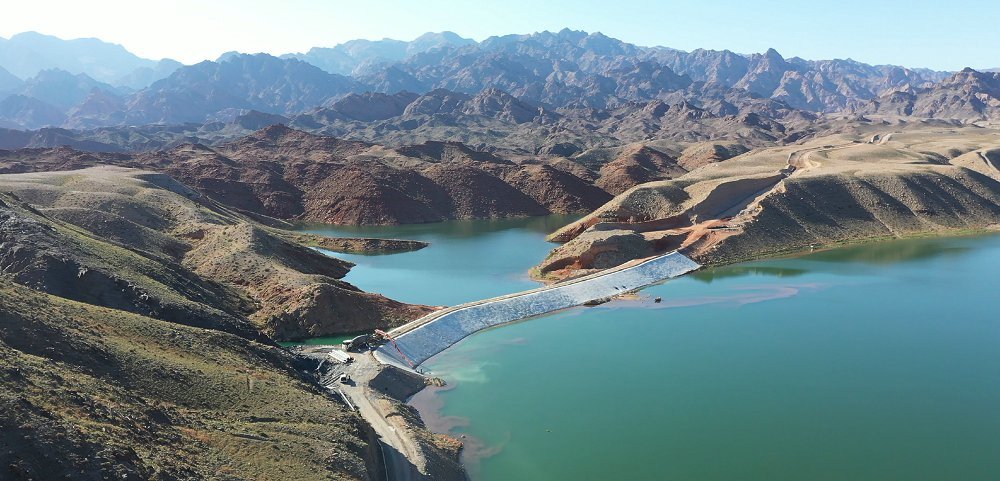
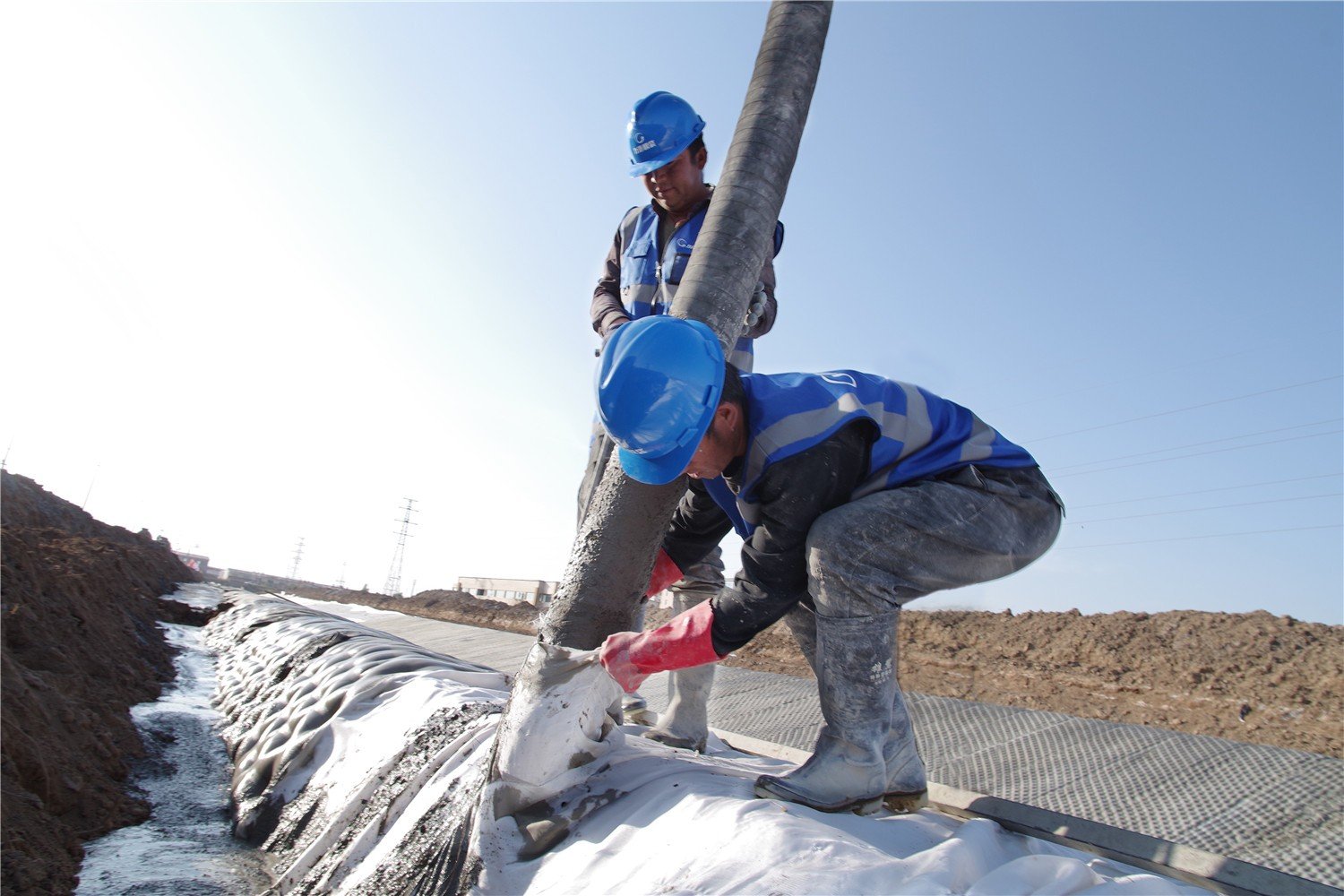
Concrete block weight alone cannot prevent bank stabilization failure if the underlying particulate matrix washes out through the system’s articulating joints. Geotextile integration is an absolute prerequisite, acting as an advanced filtration mechanism. A high-survivability woven monofilament or heavy-duty non-woven needle-punched geotextile fabric must be deployed between the prepared earthen subgrade and the lower bearing surface of the block modules. This layer prevents the out-migration of fine soils while freely transmitting hydrostatic pressure.
When evaluating fabric alternatives, engineers must pinpoint the Apparent Opening Size (AOS) compatibility against the native site soil gradation. The AOS (measured in mm or U.S. Sieve size) must be small enough to retain the D85 particles of the subgrade while delivering a minimum water permittivity rating of 0.5 sec⁻¹. This delicate balance prevents subgrade pressurization, ensuring that rapid reservoir drawdown acts predictably, pulling pore water out of the soil backing without discharging structural matter.
Prior to textile rolling, the terrain itself must meet strict geotechnical compaction ratios. Grading specifications dictate an optimal native surface leveled to a minimum of 90% Standard Proctor Density, removing large organic debris, cobble over 2 inches, and abrupt concavities.
Meticulous earthwork prevents the occurrence of point-load stress fracturing within the concrete plates. Eliminating sub-surface voids prior to installation ensures the integrated load-bearing system operates exactly as engineered within flume laboratory controls.
USACE Compliance Criteria for Hydraulic Procurement
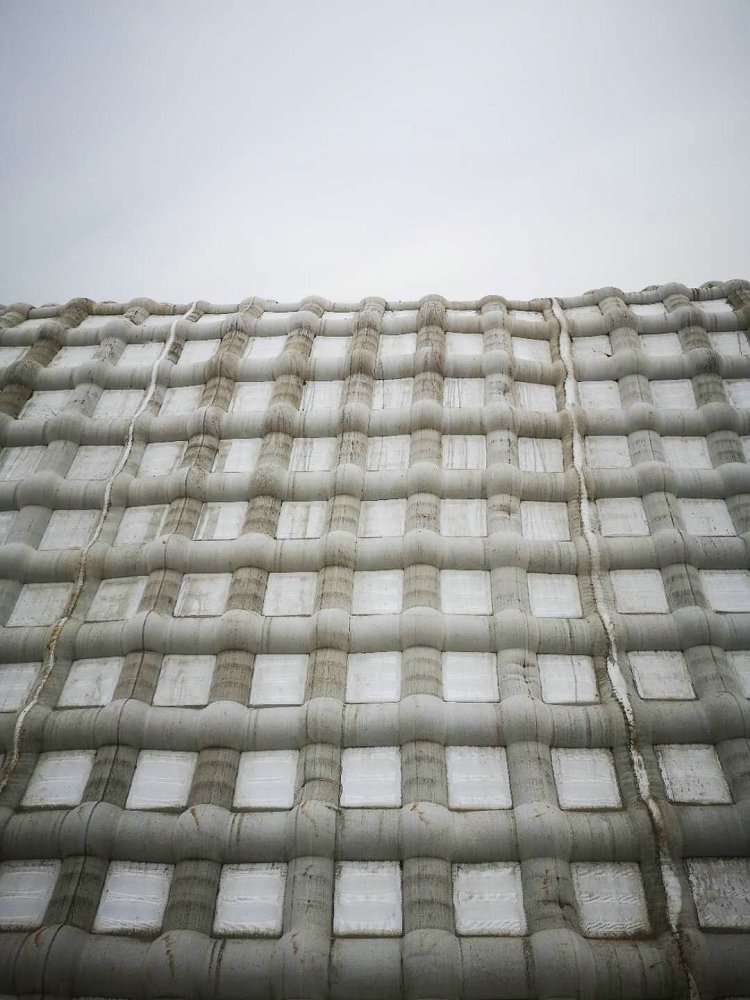
For federal and municipal bank stabilization, adherence to United States Army Corps of Engineers (USACE) hydraulic directives is mandatory. High-velocity deployments utilize guidance extracted from EM 1110-2-1601, determining specific factors of safety (FS) against both sliding and rotational failure mechanics. B2B buyers must solicit comprehensive testing reports verifying that commercial block revetments deliver a minimum calculated factor of safety of 1.5 against peak shear thresholds derived from site-specific hydrological modeling.
In the realm of materials testing, the definitive standards are established by the American Society for Testing and Materials. Specifications refer heavily to ASTM D6684—Standard Specification for Materials and Manufacture of Articulating Concrete Block (ACB) Revetment Systems.
This canon governs mix designs, weight tolerances, and physical integrity rules. In tandem, ASTM D6884 dictates installation protocols, preventing catastrophic job-site assembly errors related to cable alignment or improper anchoring mechanisms.
To streamline vendor evaluation requests, civil engineers and municipal purchasing managers can deploy the technical parameters outlined below to immediately quarantine substandard product offerings and isolate premier manufacturing pipelines.
| Technical Property | ASTM Standard | Minimum Target Specification |
|---|---|---|
| Compressive Strength | ASTM C140 | 4,000 PSI (27.6 MPa) at 28 days |
| Water Absorption | ASTM C140 | Max 9.1 lbs/ft³ (145.7 kg/m³) |
| Freeze-Thaw Durability | ASTM C1262 | < 1.0% mass loss at 100 cycles |
| Product Manufacture | ASTM D6684 | Full compliance verified by ISO lab |
Manufacturing Process Deep Dive: Casting and Quality Tolerances
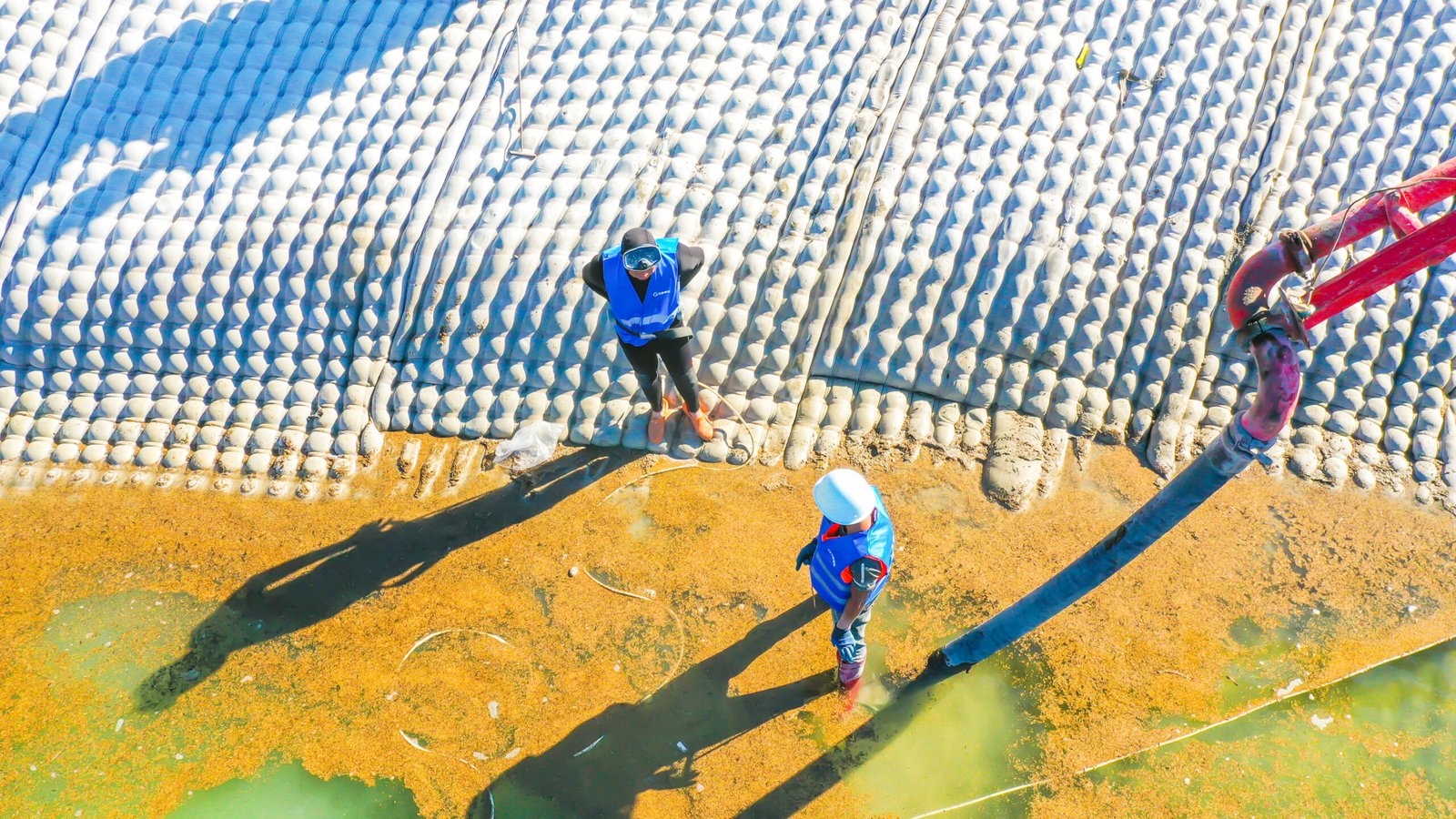
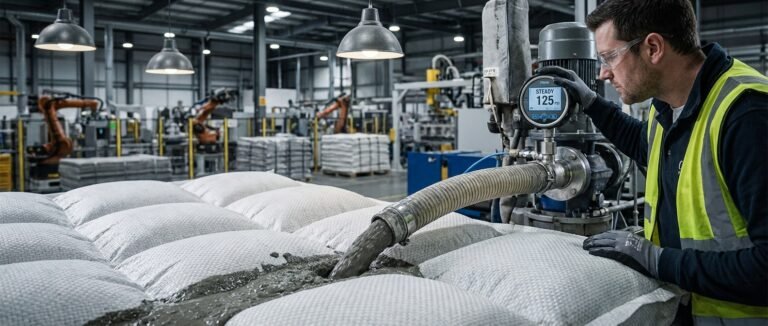
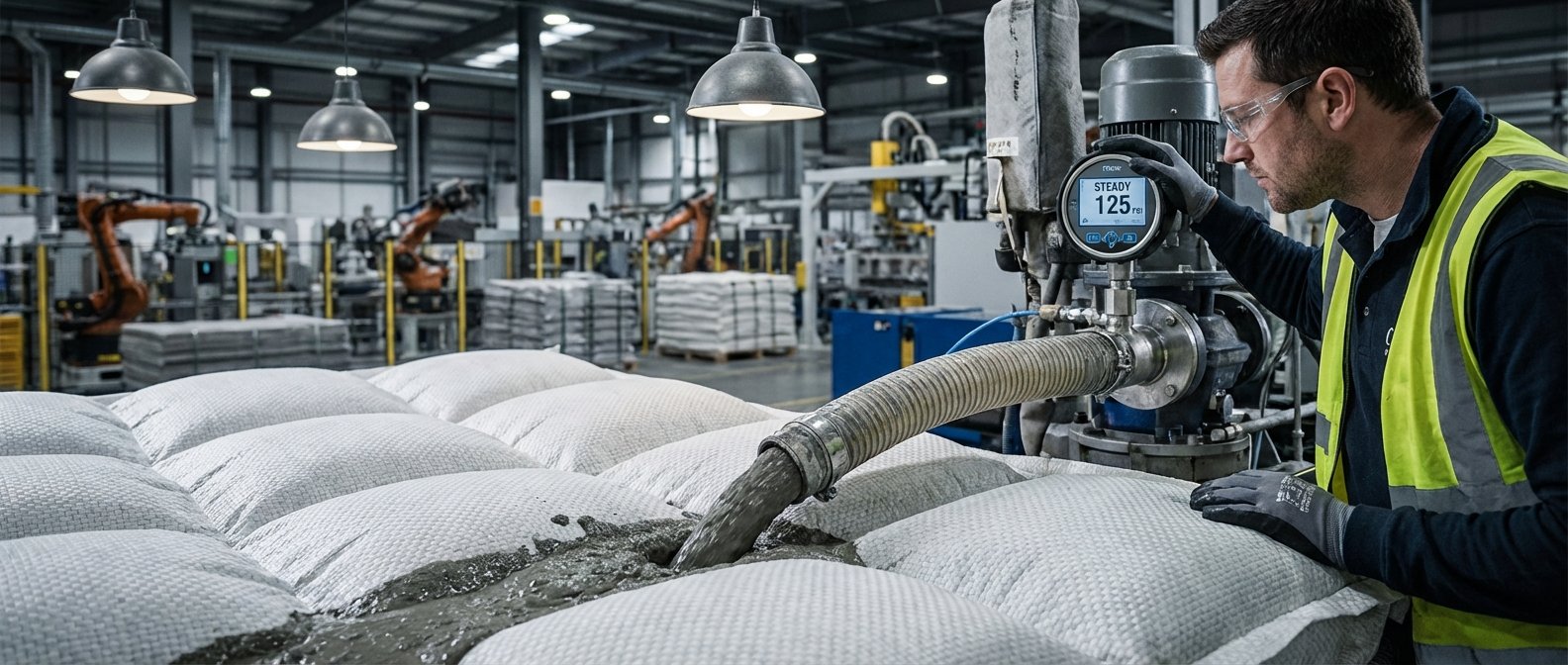
At the core of an advanced revetment product runs a highly engineered dry-cast vibratory manufacturing process. To achieve the extraordinary 130 lbs/ft³ minimum specific gravity requirement, production lines engage a zero-slump concrete mixture with a meticulously controlled water-to-cement ratio, typically constrained around 0.38 to 0.42. High-frequency vibro-compaction molds instantly consolidate the aggregate matrix, mechanically expelling entrapped air pockets and densifying the internal cement paste architecture in seconds.
Thermal dynamics within the curing chamber heavily influence the subsequent structural rigidity. Facilities utilize computerized kiln chambers delivering precise steam curing injection, maintaining a steady relative humidity of 65% up to 85% and a core heat temperature around 56.5°C to accelerate early-stage hydration rates. This controlled exothermic reaction neutralizes surface micro-fissures and locks the dimensional sizing required for seamless cable threading operations prior to field dispatch.
Data-driven oversight throughout the batching sequence dramatically limits variance in large-scale municipal orders. Continuous moisture-probing sensors inside the planetary mixers dynamically adjust water additions down to fractions of a gallon. This evolution in material consistency and digital tracking mirrors advancements across parallel environmental control sciences, echoing trends highlighted by the digital agriculture market forecasting a steady 9.17% year-over-year growth trajectory relying on similarly precise hydrological management infrastructures.
Evaluating Lifecycle Erosion Control Resiliency
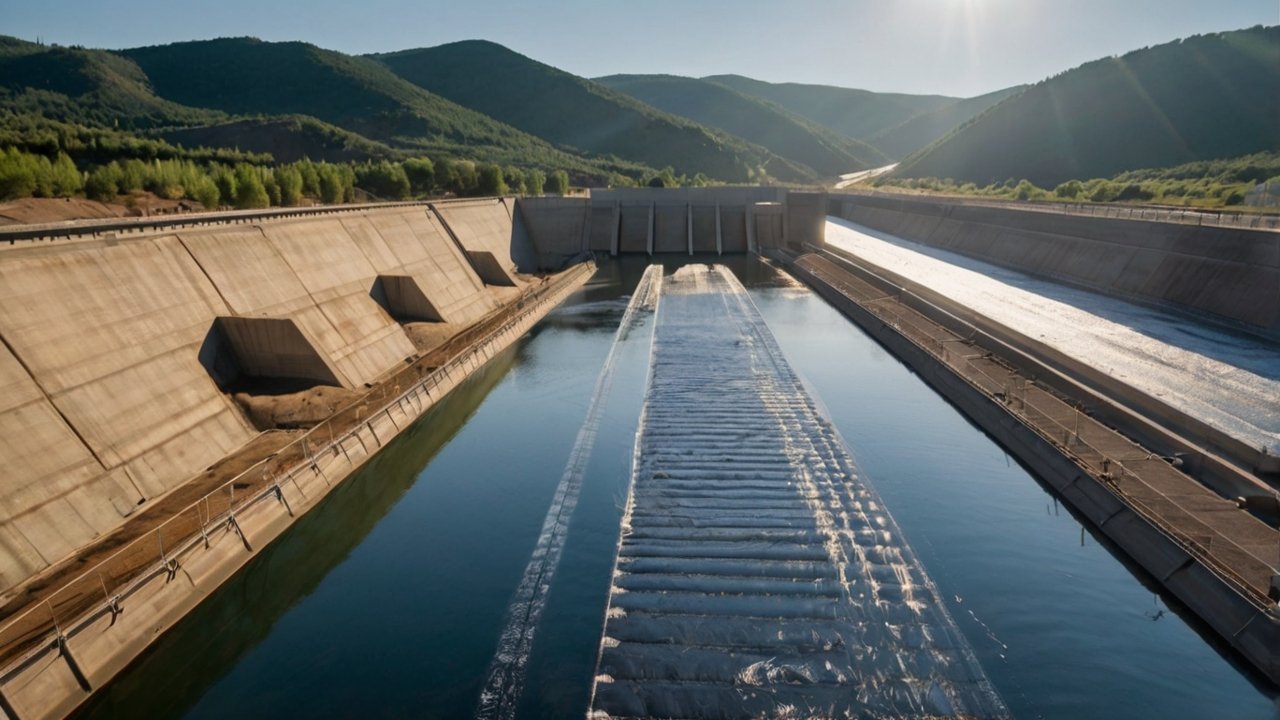
When amortizing capital budgets, procurement teams evaluate long-term resilience as stringently as upfront capital expenditure. A compliant articulated structure resists long-term mechanical degradation caused by ice floes, floating timber, and submerged heavy debris common in turbulent river basins. By employing internal polymeric cables shielded entirely within the concrete cast, the entire tensile network relies on protective insulation to survive decades of continuous solar UV bombardment and alkaline interactions.
To certify longevity across drastic seasonal variations, block geometries undergo ASTM C1262 assessments targeting freeze-thaw durability within saline environments. Structural mass loss must be constrained below 1.0% over an arduous 100-cycle thermal fluctuation test. This thermal resistance guarantees that blocks will not spall or shatter as trapped capillary moisture violently expands during profound mid-winter temperature differentials common in northern hydraulic projects.
Anticipating future hydrologic shifts is increasingly becoming standard protocol among civil design bureaus. As 100-year storm frequencies compress into shorter time horizons, building infrastructure with scalable safety margins addresses systemic risks. With the global climate adaptation market projected to reach a massive $140.82 billion by 2034, investments in interlocking heavy-armor revetment directly translate to enduring operational continuity during unforeseen extreme watershed flooding.
Sourcing Best Practices for Civil Engineering Procurement
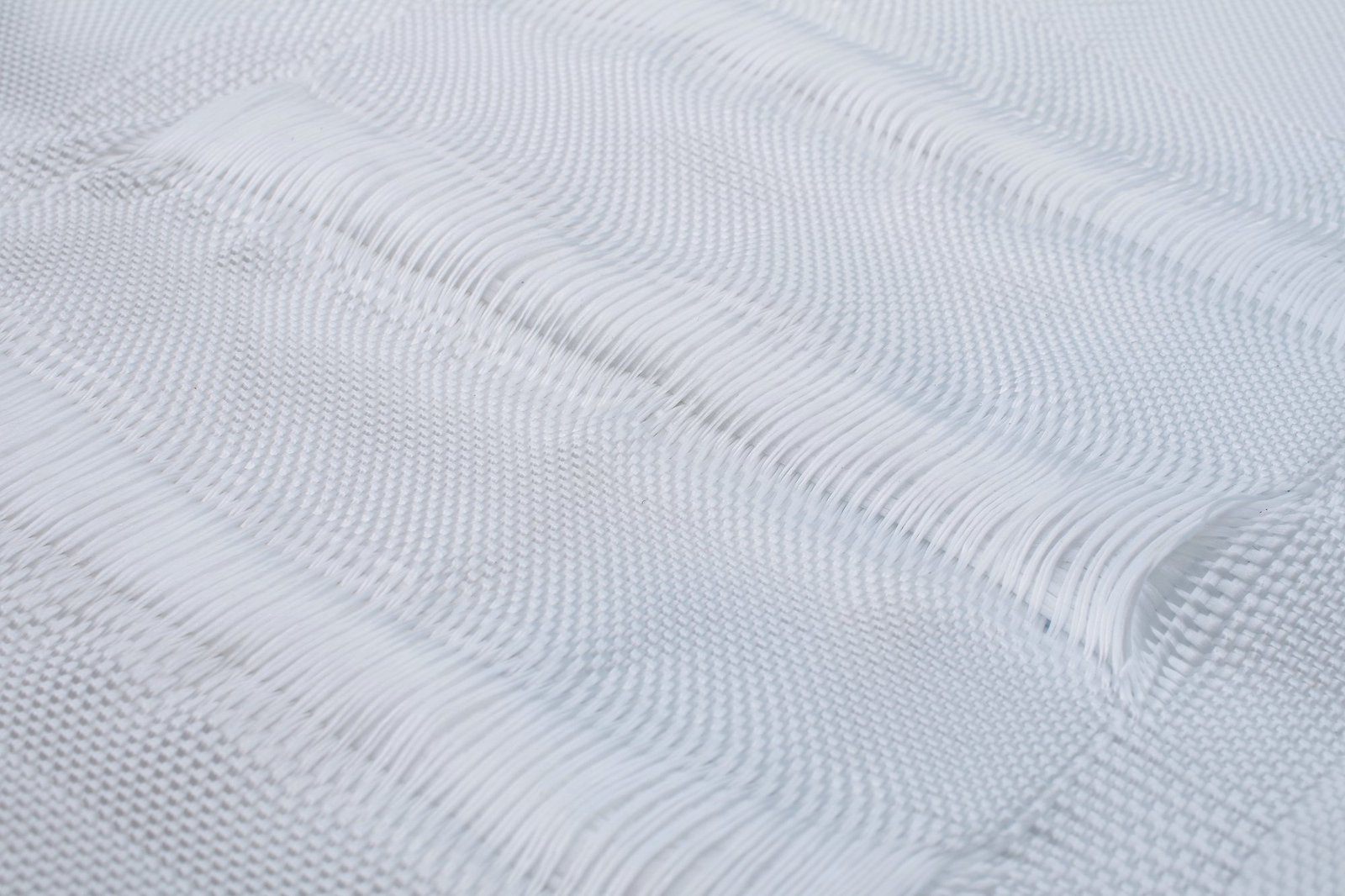
Transitioning from theoretical blueprints to reliable field delivery necessitates rigorous vendor vetting. Procurement officers must analyze a supplier’s production capability, factory output volume, and stringent QA/QC data trails before issuing high-value purchase orders. Evaluating Articulated Concrete Mattress technical specifications for bank stabilization requires partnering with manufacturers capable of submitting third-party laboratory verification for every single batch poured during production cycles.
For example, manufacturers like HydroBase have addressed these procurement barriers by integrating rapid-response logistics with industrialized curing protocols. Their manufacturing infrastructure, possessing over 10 years of specialized expertise across more than 230 successful global projects, leverages 150 dedicated production lines to ensure scalable output. This immense manufacturing footprint allows for an aggressive 48-hour dispatch Service Level Agreement (SLA), effectively securing mission-critical operational timelines against weather-related delays.
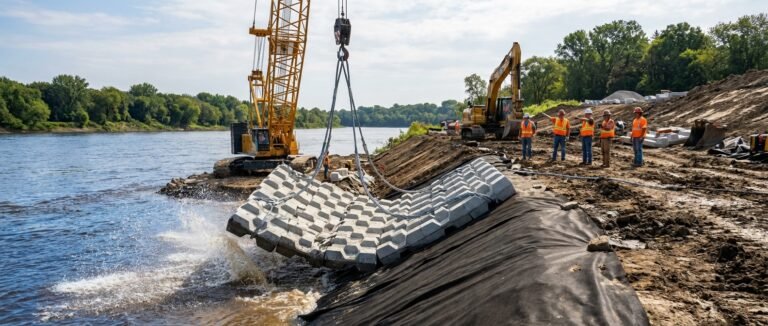
To prevent sub-contractor friction, purchasing departments should also demand comprehensive installation frames and specialized spreader bar systems designed parallel to the concrete mattresses. Securing lifting apparatus tested explicitly for the target weight tolerances avoids catastrophic rigging failures during the embankment lowering phase. Selecting an integrated solution suite spanning from a flexible Filter Point Concrete Mattress textile configuration up to heavy articulated block arrays streamlines technical oversight and radically flattens the execution risk curve.
Cost Optimization Strategies for Large-Scale Infrastructure
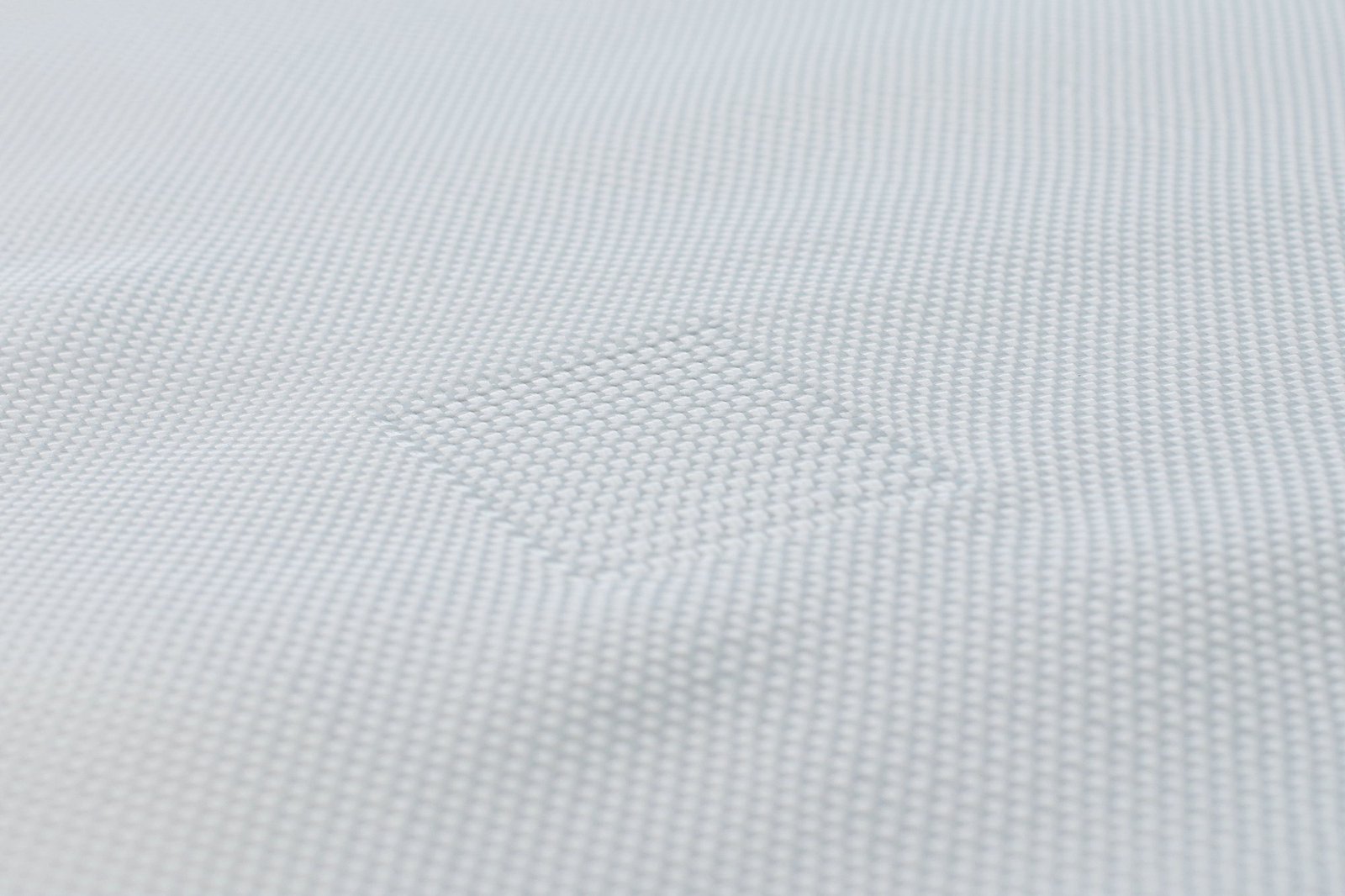
Value engineering in heavy civil works relies predominantly on reducing total lifecycle ownership costs rather than merely chasing low initial bid rates. Because logistics typically constitute over 25% of the total mattress acquisition cost due to extreme product density, precise freight maximization is paramount. Advanced factory algorithms calculate precise stack configurations—maximizing flatbed weight allowances without inducing hairline transport fractures—substantially lowering per-square-foot delivery expenditures.
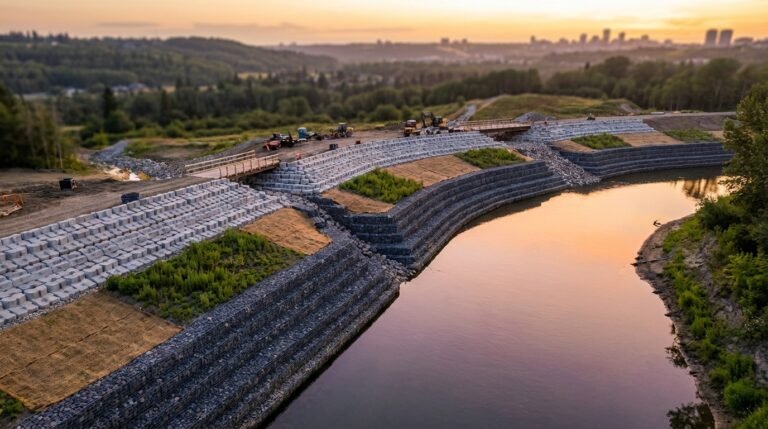
Further economic optimization arises from hybrid green-gray design integration. Specifying open-cell articulation units permits vegetative seeding directly through the concrete matrix voids.
This method transforms the sterile infrastructure into dynamic root-reinforced bio-armor, drastically reducing long-term maintenance needs. This progressive synergy with botanical consolidation is actively tracked alongside the hydroseeding market, which is recognized globally to hit US$3.2B by 2033 due to immense demand for sustainable ecological stabilization integrations.
On-site labor efficiency presents the final vector for cost suppression. Procuring pre-assembled, factory-cabled sheets dramatically alters labor economics by displacing tedious hand-placement of traditional riprap with rapid mechanical crane placement. Integrating a specialized Vegetated Concrete Mattress framework essentially combines structural armoring with environmental remediation in one monolithic installation motion, generating exponential savings across contractor hourly billing and equipment rental cycles.
Articulated Concrete Mattress Vendor Sourcing Checklist
- [x] Verify continuous ASTM C140 batch testing for a minimum of 4,000 PSI compressive strength.
- [x] Audit Apparent Opening Size (AOS) of integrated geotextile fabrics against native site soil gradation.
- [x] Confirm cable metrics: ensure minimum breaking strength of 8,700 lbs force (stainless steel or copolymer).
- [x] Request 100-cycle freeze-thaw reports compliant with ASTM C1262 directives (max 1.0% mass loss).
- [x] Demand 48-hour dispatch SLAs to secure mission-critical operational timelines.
Frequently Asked Questions
Q: What is the difference between polyester rope and stainless steel cable in concrete block revetment systems?
Stainless steel cables (Type 302/304) provide unparalleled short-term tensile rigidity for crane handling, whereas high-tenacity polyester ropes offer complete immunity to galvanic corrosion in highly saline or brackish environments.
Ready to deploy resilient hydraulic armoring?
Get a project-specific quote within 48 hours and secure your bank stabilization project today.