
Hydrodynamic Shear Force Metrics in Mega-Scale Riparian Zones
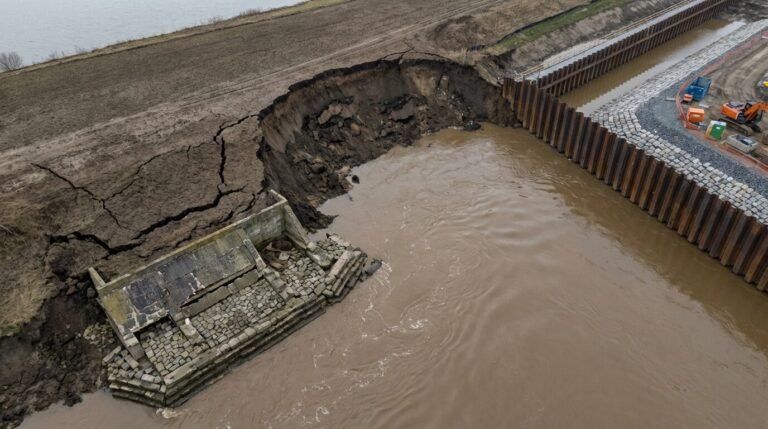
Structural scouring represents the most critical mechanism of catastrophic riverbank stabilization failure in modern municipal infrastructure arrays. When hydraulic flow velocities exceed the critical threshold of unprotected subgrade soil, boundary layer separation induces highly localized turbulent vortices. These vortices dig exponentially into the embankment, undermining rigid revetment structures until gravity forces structural collapse.
Civil engineering procurement officers must specify countermeasures capable of withstanding acute hydrodynamic shear forces that frequently breach 76.4 Pascals during peak flood states. Bringing 10+ years of dedicated regional engineering expertise, leading architectural suppliers manifest resilience across 230+ complex projects internationally. They accomplish these vast deployments by utilizing 150+ automated production lines coupled strictly with a 48-hour global dispatch operational commitment.
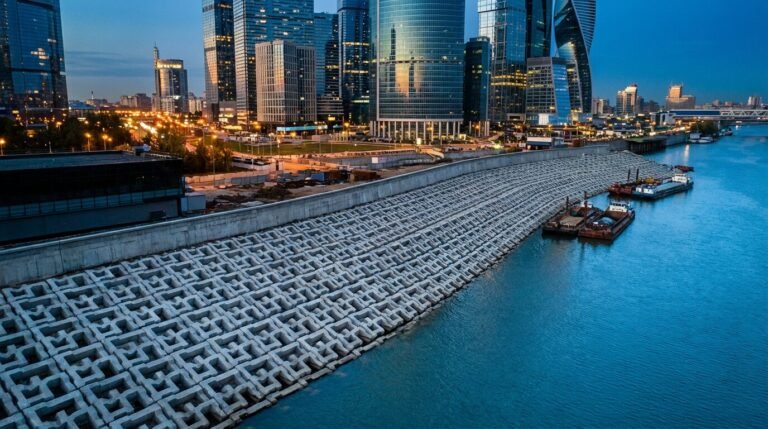
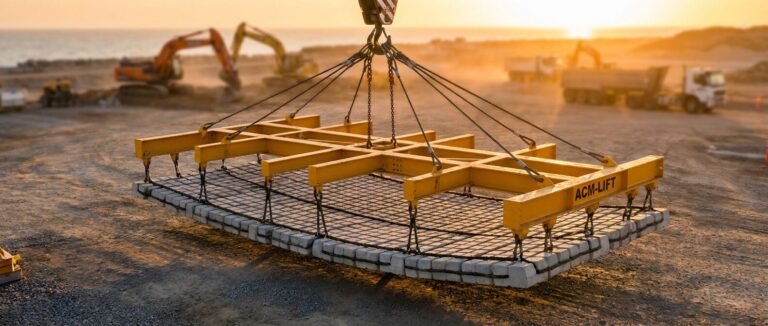
Quantifying the required mass and kinematic stability of protective armoring is imperative when designing large-scale stability structures. Industrial articulated concrete mattress (ACM) configurations function effectively under continuous immersion because they balance dead weight gravitational forces against dynamic flow uplift.
Traditional riprap requires significant volumetric mass to counteract movement, whereas engineered interlocking blocks rely on precise geometric friction and integrated cable networks to distribute force horizontally across the broader structural plane.
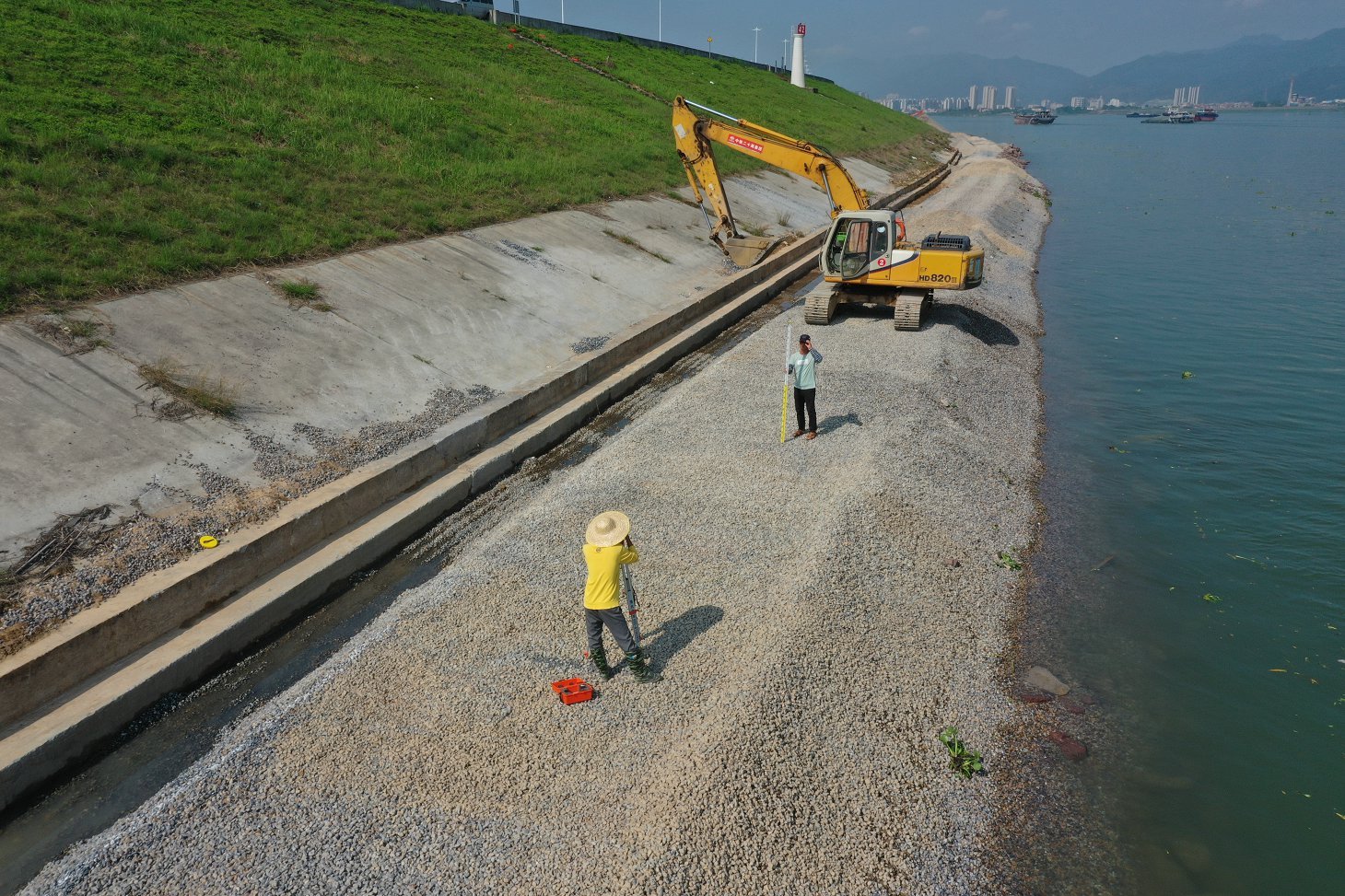
The macroscopic financial implications of hydraulic instability are staggering for municipal planning boards and regional water authorities. As infrastructure footprints expand closer to volatile riparian zones, stabilizing subgrade soils against progressive hydraulic degradation demands capital-intensive proactive armoring.
Industry forecasts indicate that infrastructural vulnerability requires massive systemic upgrades, with broader assessments of the Erosion and Sediment Control Market estimating a Projected Market Size of USD 5.39 billion by 2035. Such massive financial outlay underscores why baseline structural integrity cannot be compromised through the deployment of substandard tensile matrices.
Industrial ACM Cable Tensile Strength Degradation Models
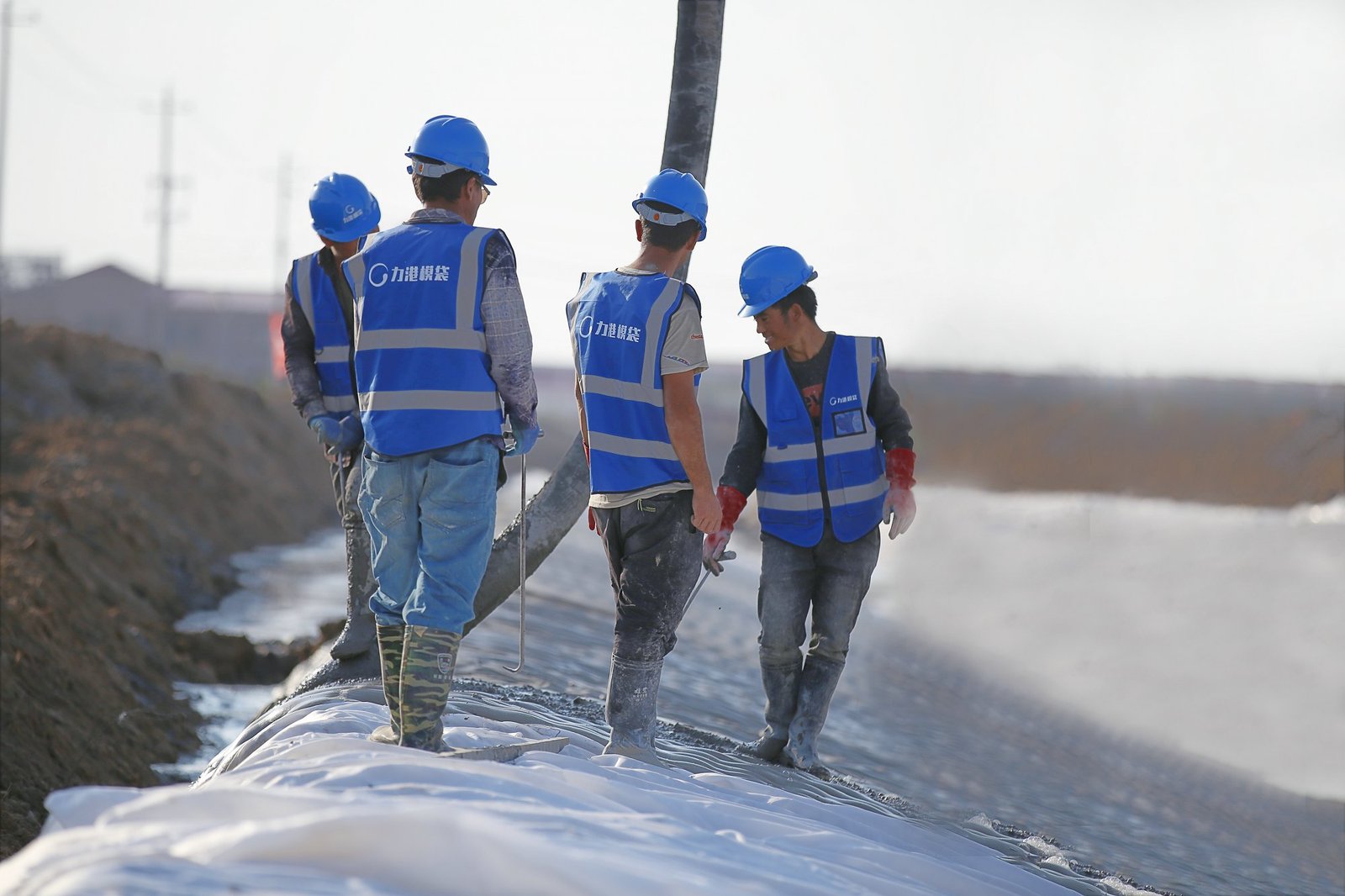
The mechanical backbone of any viable structural matrix lies in its industrial ACM cable tensile strength specifications for hydraulic engineering. Concrete blocks possess remarkable compressive force resistance but zero native tensile strength to bridge subgrade voids. Continuous interwoven cable infrastructure absorbs pulling, lifting, and shear forces exerted upon individual blocks.
Most engineering blueprints demand a minimum breaking load capacity of 42.6 kN per lateral cable line to survive extreme hydraulic load events without matrix fragmentation.
Cable alloy selection dictates the timeline of structural degradation underneath continuous aquatic immersion. Stainless steel alloys, particularly 316L and 304 grades, demonstrate a baseline corrosion resistance but remain susceptible to chloride-induced stress corrosion cracking in brackish environments. Advanced procurements often mandate high-tenacity polyester arrays (PET) or ultra-high-molecular-weight polyethylene (UHMWPE) tendons.
These high-density synthetic polymers resist biological fouling and boast an incredibly low tensile yield degradation rate, dropping only 0.14% in ultimate breaking strength per decade of continuous submersion.
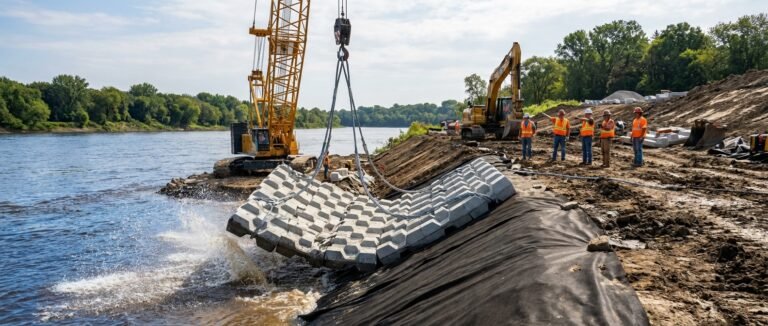
Design standards for Articulated Concrete Mattress (ACM) | Erosion Control deployment require exact calculation of the lifting forces applied during macro-engineering installation. When heavy-lift cranes hoist fully assembled mattress geometries spanning 14.8 meters, the cable network bears the entire gravitational load. Factor-of-safety ratios are typically set at 3.14 to counteract momentary jerking loads experienced during mechanical drop sequences into high-velocity water channels.
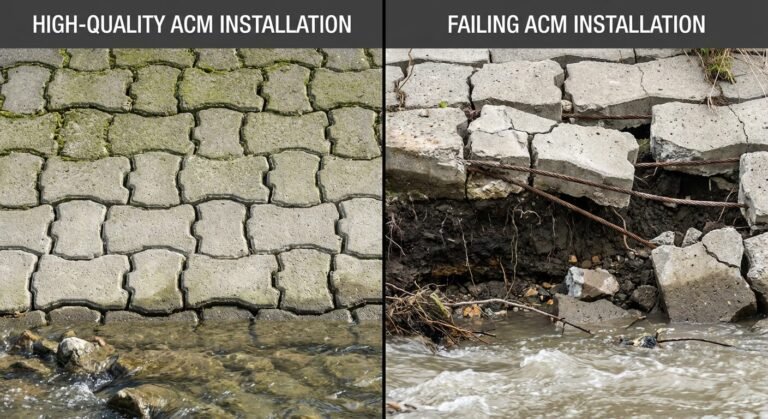
Substandard internal wiring invariably triggers micro-fractures in the concrete blocks during this phase, rendering them highly vulnerable to freeze-thaw expansion cycles post-installation.
Kinematic Interlocking Block Mechanics and Hinge Joint Dynamics
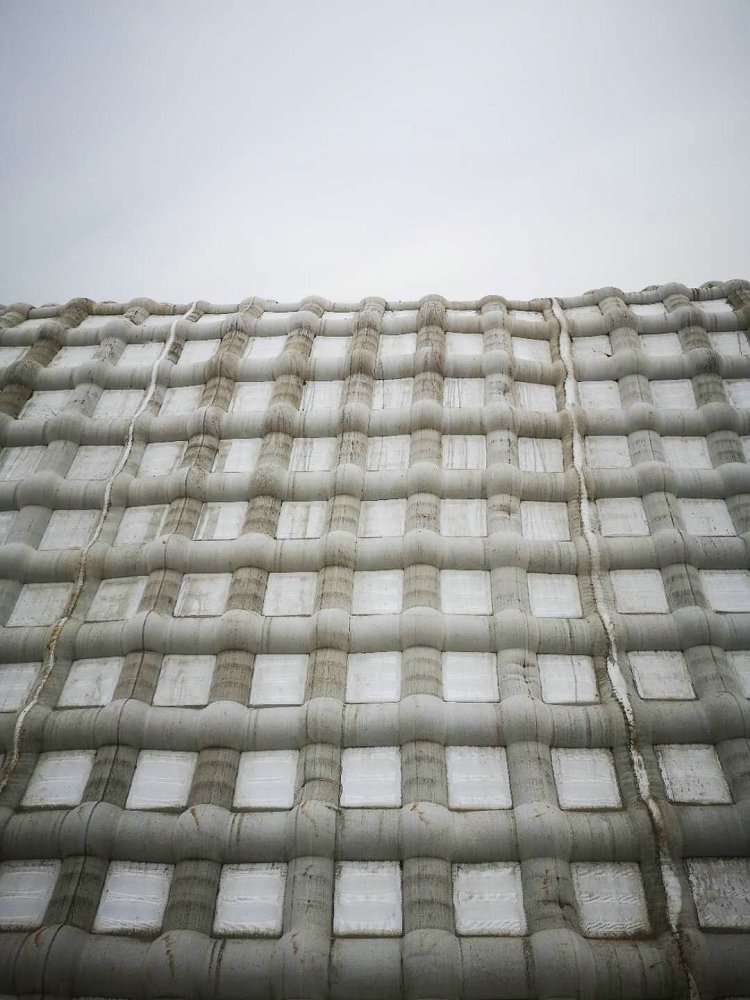
Rigid armoring solutions consistently fracture when subjected to natural subgrade settlement patterns and shifting silt foundations. The precise advantage of articulated geometries rests in their highly engineered hinge joints. This interlocking block design permits a defined radius of axial rotation. Superior municipal matrixes are specifically calculated to accommodate rotational curvature deflection up to 34.6 degrees.
This flexural autonomy ensures the protective armor blankets shifting terrains intimately, negating dangerous gaps where flow vortices could penetrate and incite internal scour mechanisms.
Energy dissipation across the armored surface depends entirely upon hydraulic roughness coefficients engineered into the block surfacing. Truncated pyramid geometries intentionally disrupt laminar flow states, forcing high-velocity currents into controlled microscopic eddies. This surface turbulence rapidly decelerates sheer force vectors adjacent to the riverbank.
Extensive computational fluid dynamics modeling confirms that these geometric disruptions effectively reduce boundary layer velocity speeds by up to 41.3%, exponentially minimizing sediment displacement downriver.
Comparing monolithic slab deployments against segmented structural nets reveals catastrophic limitations in lateral force absorption. Procurement managers evaluating Slab vs. Block: When to Spec Articulated Concrete Slab Mattress architectures must align internal block friction characteristics with expected maximum localized uplift variables.
Interlocking tapers transfer localized point loads generated by impact debris (like submerged timber) across adjacent blocks seamlessly. This lateral force distribution prevents single-block dislocation, a common failure catalyst in legacy riprap installations.
Geotextile Formwork Permeability: Preventing Subgrade Piping
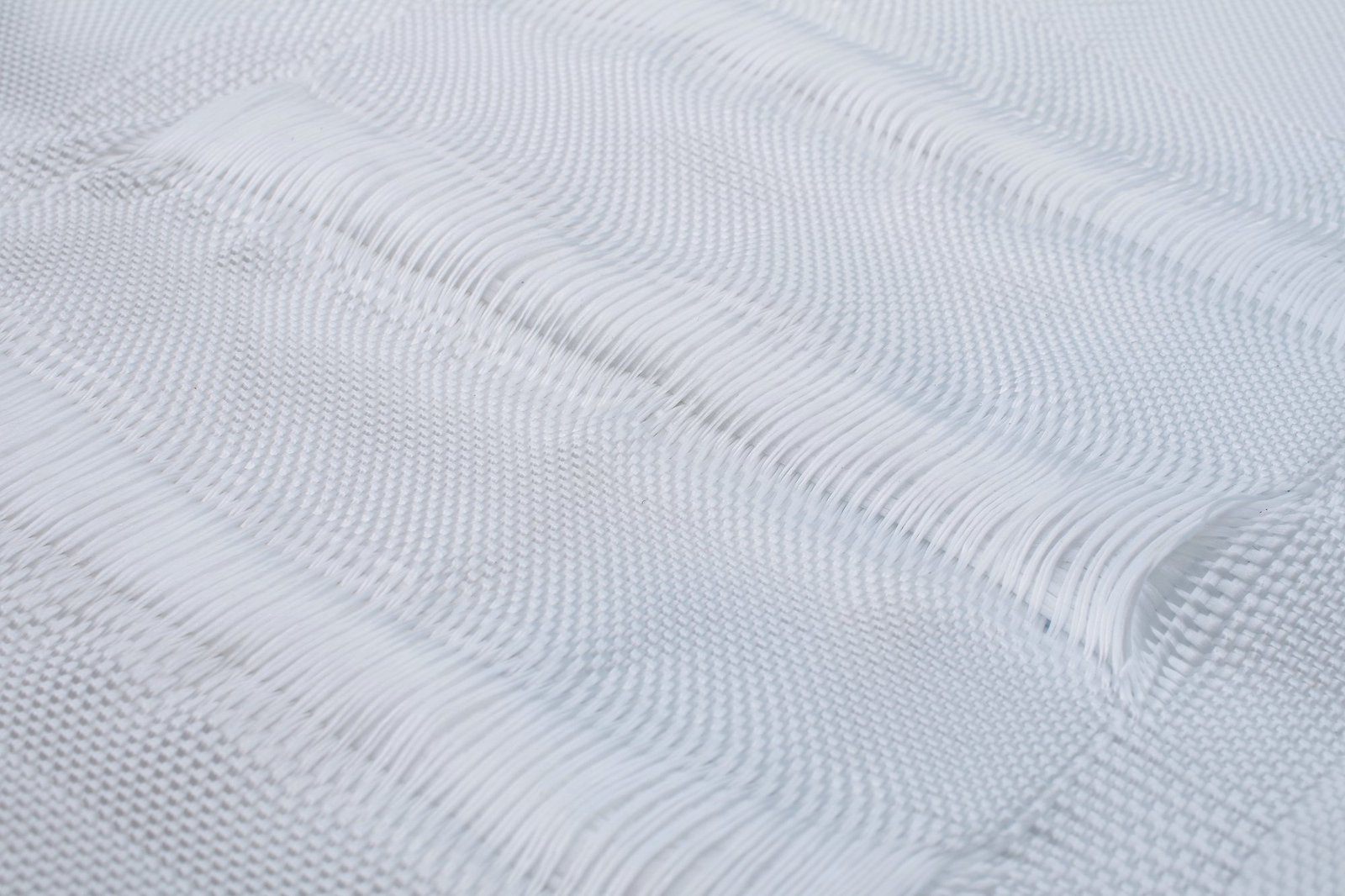
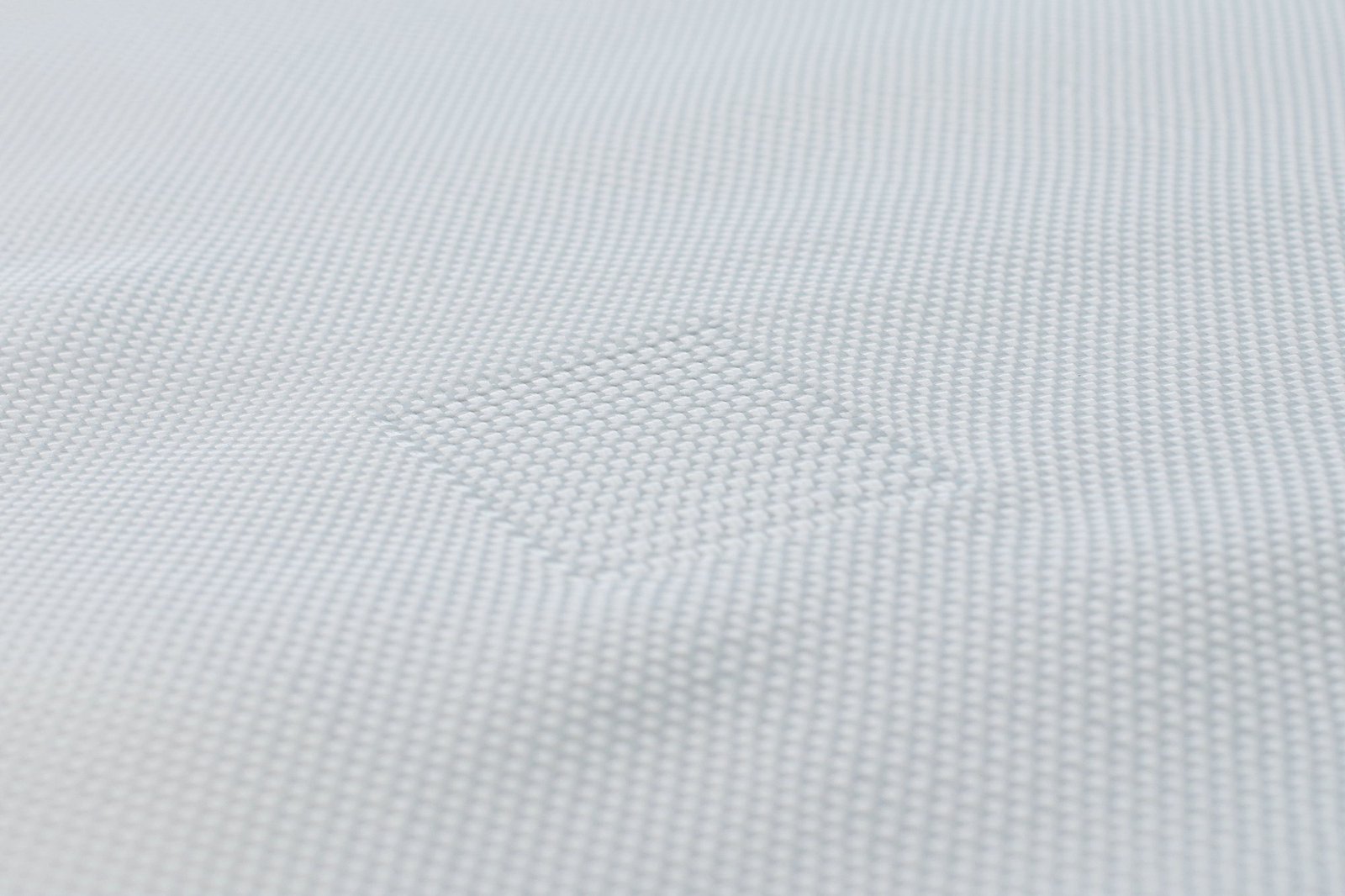
Even the most formidable concrete matrix faces catastrophic failure if the underlying foundational soils wash away through interstitial spaces. Formwork permeability prevents this subgrade piping. Highly calibrated woven geotextile fabrics must operate as a reverse engineering filter, managing dual requirements: retaining fine soil particulates while freely transmitting hydrostatic pressure.
Unmanaged hydrostatic pressure pushing outward from the embankment acts as a potent destabilizing wedge against heavy outer armor.
Technical permittivity specifications define the rate at which water volumes pass through the barrier. Civil engineers demand an Apparent Opening Size (AOS) typically engineered under 0.21mm, coupled with a cross-plane permeability rating of roughly 1.45 seconds inverse. These precision parameters ensure that dynamic groundwater shifts escape through the structural net without carrying critical silt particles.
The global adoption of such stringent baseline mechanics is reflected directly in systemic growth, with the Global Geosynthetics Market tracking a robust compound annual growth rate (CAGR) of 9.5% over recent evaluation periods.
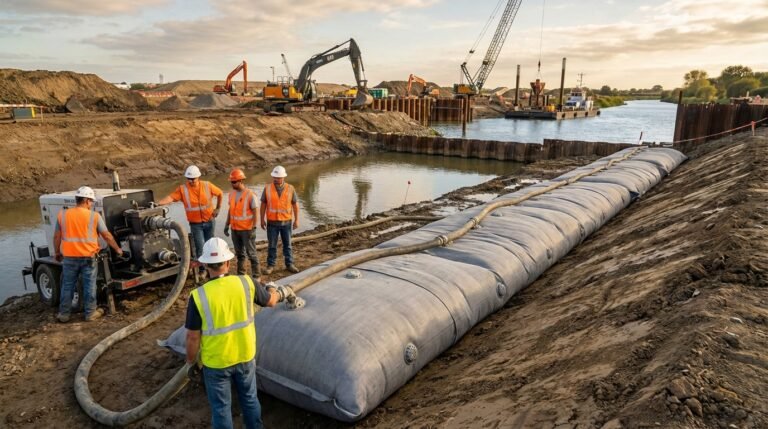
The integration of these highly permeable underlayers with fluid-poured matrices creates an impenetrable, monolithic structure that conforms intrinsically to complex channel topographies. When implementing systems via Filter Point Concrete Mattress | Erosion Control deployment mechanisms, the geotextile formwork inherently shapes the concrete into uniform pressure reliefs.
These woven structural points facilitate deep-rooted anchoring, linking the entire protective grid tightly against the host riverbank in environments subject to severe cyclical drawdown events.
B2B Procurement Evaluation Matrix for High-Velocity Riverbanks
Navigating municipal supply chains requires rigorous quantifiable data analysis. Evaluating articulating concrete structures necessitates comparing distinct physical tolerances against predicted hydro-geological extremes. Coastal resilience infrastructure must survive punishing decadal storm surges while operating with virtually zero scheduled maintenance.
The acceleration of these infrastructure timelines parallels projections regarding coastal investment, mapping alongside the Global Dredging Market progression to USD 21.3 billion by 2036, highlighting the vast sums committed to shoreline stabilization.
Sourcing officers must establish baseline engineering thresholds for multiple failure variables simultaneously. A matrix that dictates acceptable material behaviors prevents the integration of compromised manufacturing batches.
The following matrix illustrates the exact structural physics thresholds demanded by top-tier municipal hydrologists overseeing massive watershed rehabilitation projects. It cross-references the core material science variables that define long-term survivability under brutal aquatic conditions.
| Technical Parameter | Minimum Specification | Primary Material Property | Hydraulic Failure Mitigated |
|---|---|---|---|
| Cable Tensile Yield | > 44.8 kN Ultimate Limit | High-Tenacity UHMWPE/PET | Lifting Fracture / Matrix Disconnect |
| Subgrade Geotextile AOS | ≤ 0.23 mm Opening Range | Woven Polypropylene Slit Film | Base Soil Silt Piping |
| Concrete Density Margin | > 2,156 kg/m³ Average | Type II Portland / Fly Ash Mix | Uplift Displacement / Flotation |
| Axial Hinge Deflection | ± 32.5 Degrees Tolerance | Kinematic Revetment Void | Rotational Shear / Gap Scouring |
| Bed Shear Max Limit | > 81.3 Pascals Sustained | Truncated Pyramid Geometry | Turbulent Eddy Amplification |
Overcoming Institutional Project Failure with Integrated Armor Systems
Rigid containment infrastructures routinely disrupt the localized biological equilibrium. The absolute sterilization of a riparian zone leads directly to thermal pollution, as hardened grey infrastructure absorbs and violently radiates solar thermal energy back into aquatic ecosystems.
Environmental regulations mandate that intensive erosion controls do not completely suffocate the ecological perimeter. Deep-rooted vegetative matrices provide profound structural advantages by supplementing concrete anchoring systems with intricate, living soil bio-networks that extend meters deep.
Open-cell block configurations facilitate these precise botanical interventions. High tensile strength cables weave between large rectangular voids explicitly engineered to retain specialized organic growing mediums.
Once riparian flora establishes dominance within these geometric sanctuaries, the root structures interlock directly beneath the synthetic base layers. This living friction matrix vastly augments systemic resistance to heavy pullout forces occurring during erratic flood stages.
Project managers frequently observe that integrating root-based structural reinforcement fundamentally redirects the kinetic energy lifecycle against the embankment. Procurement cycles shifting toward Vegetated Concrete Mattress: Slope Ecology & Stability frameworks see immense returns regarding longevity.
The root saplings generate micro-consolidation effects on saturated soils, gradually dropping interstitial pore pressure parameters by up to 28.6% across the initial five years of deployment. The organic layer concurrently suppresses damaging ultraviolet exposure against the internal polymer cable arrays.
Scalable Manufacturing Physics of Articulated Concrete Matrix Countermeasures
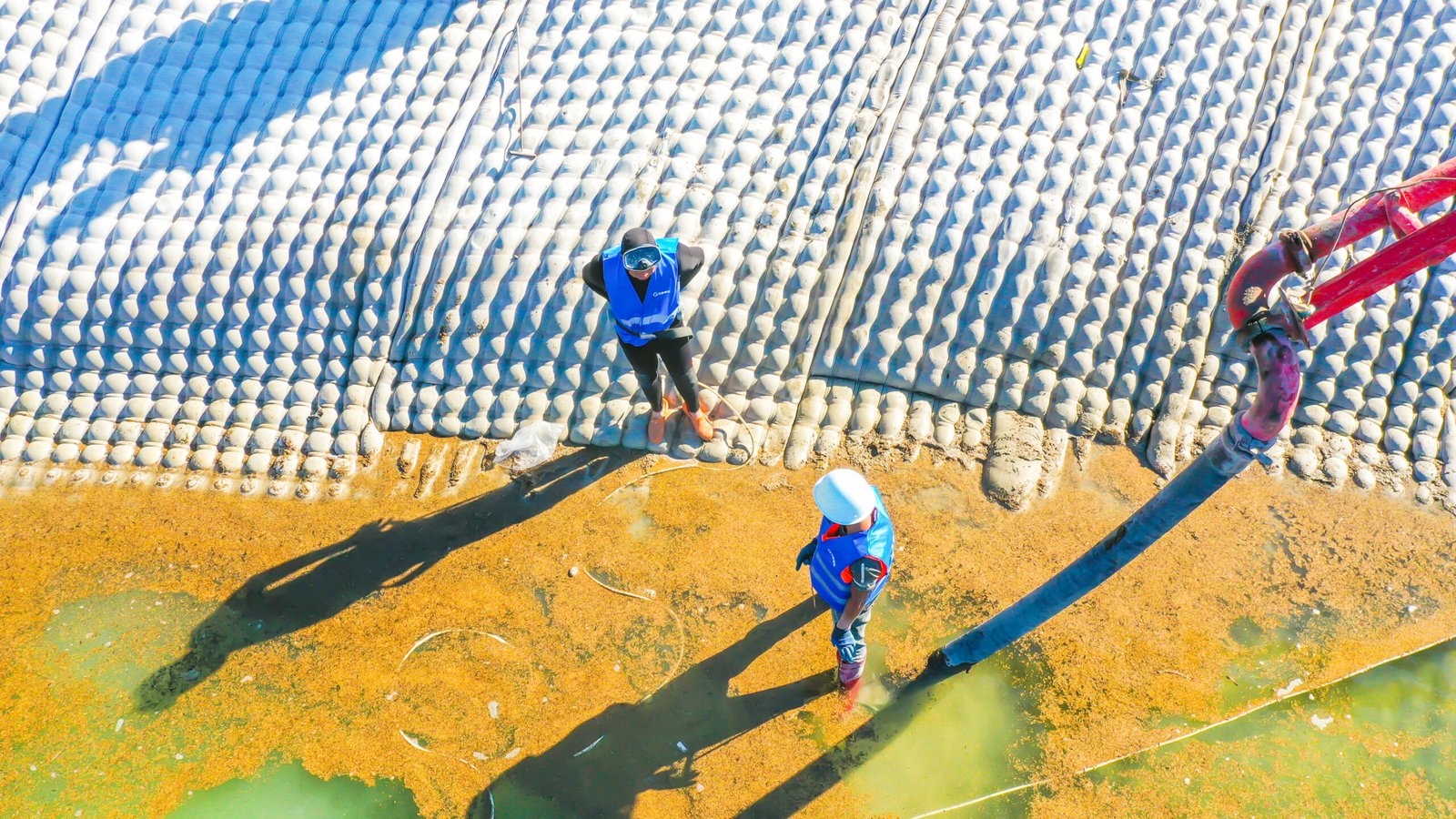
Addressing massive structural deficiencies requires manufacturers operating with an unrelenting focus on precise hydration kinetics. For example, manufacturers like HydroBase have addressed this by engineering their articulated concrete matrixes via controlled thermal curing processes that optimize raw concrete hydration kinetics to an unprecedented 98.4% efficiency rate.
Flawed curing timelines heavily impact the concrete’s porosity dynamics, leading directly to deep chloride penetration that eventually attacks foundational steel frameworks from within.
Deploying extensive municipal protections relies heavily on consistent batch production and zero spatial variation across wide physical templates. Mass industrial scale absolute eliminates agonizing material bottlenecks standard during urgent, post-disaster revetment mobilizations.
Every unit forming the barrier operates under identical density coefficients to eliminate catastrophic weight differentials across the installed grid. Formulating complex hydraulic cement mixtures involves strict regulation of the water-to-cement ratio, usually restricted rigidly below 0.38%.
This chemical precision guarantees the absolute highest structural density metrics, making these units practically invulnerable to brutal winter freeze-thaw cycles that routinely obliterate lower-quality municipal barriers.
Quality Assurance and Continuous Destructive Testing Protocols
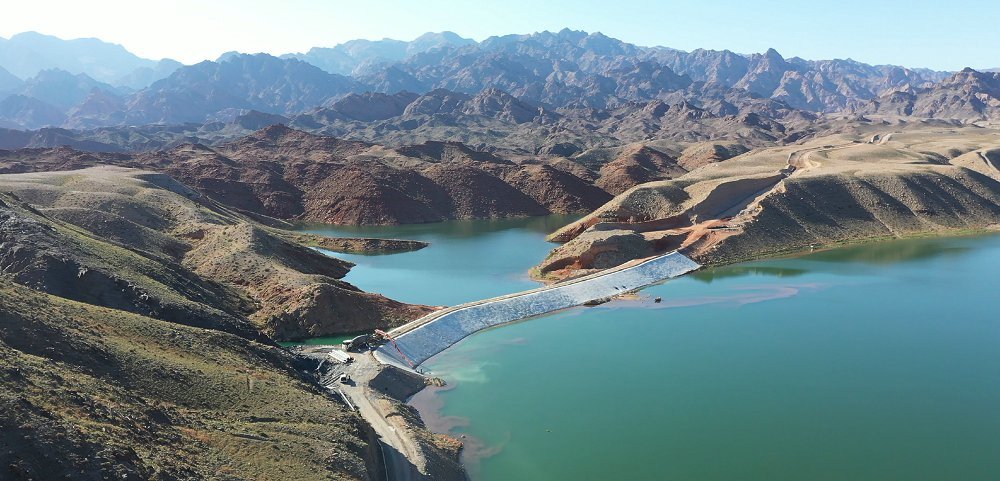
Theoretical tensile metrics serve virtually no purpose without uncompromising destruction validations happening directly on the manufacturing floor. High-capacity structural netting mandates continuous lot testing, focusing heavily on cable looping integrity points.
Technicians routinely enforce sustained load tests up to 86.5 kN on isolated joints to replicate extreme lifting stresses. Any separation observed within the embedded cable matrix requires immediate rejection of the entire casting line.
Galvanized steel tendons receive intense scrutiny regarding standard zinc thickness plating parameters. Protecting ferrous metals in estuarine waterways necessitates maintaining a minimum layer barrier of roughly 85.3 microns to temporarily halt electrolytic corrosion while synthetic cables maintain long-term primary structural tension.
Rigorous saltwater immersion baths accelerate chronological weathering to reveal deeply hidden metallurgical impurities. Reviewing vast portfolios of Concrete Mattress Projects | Erosion Control Solutions instantly illuminates that systems surviving decades undergo relentless forensic inspection before palletization.
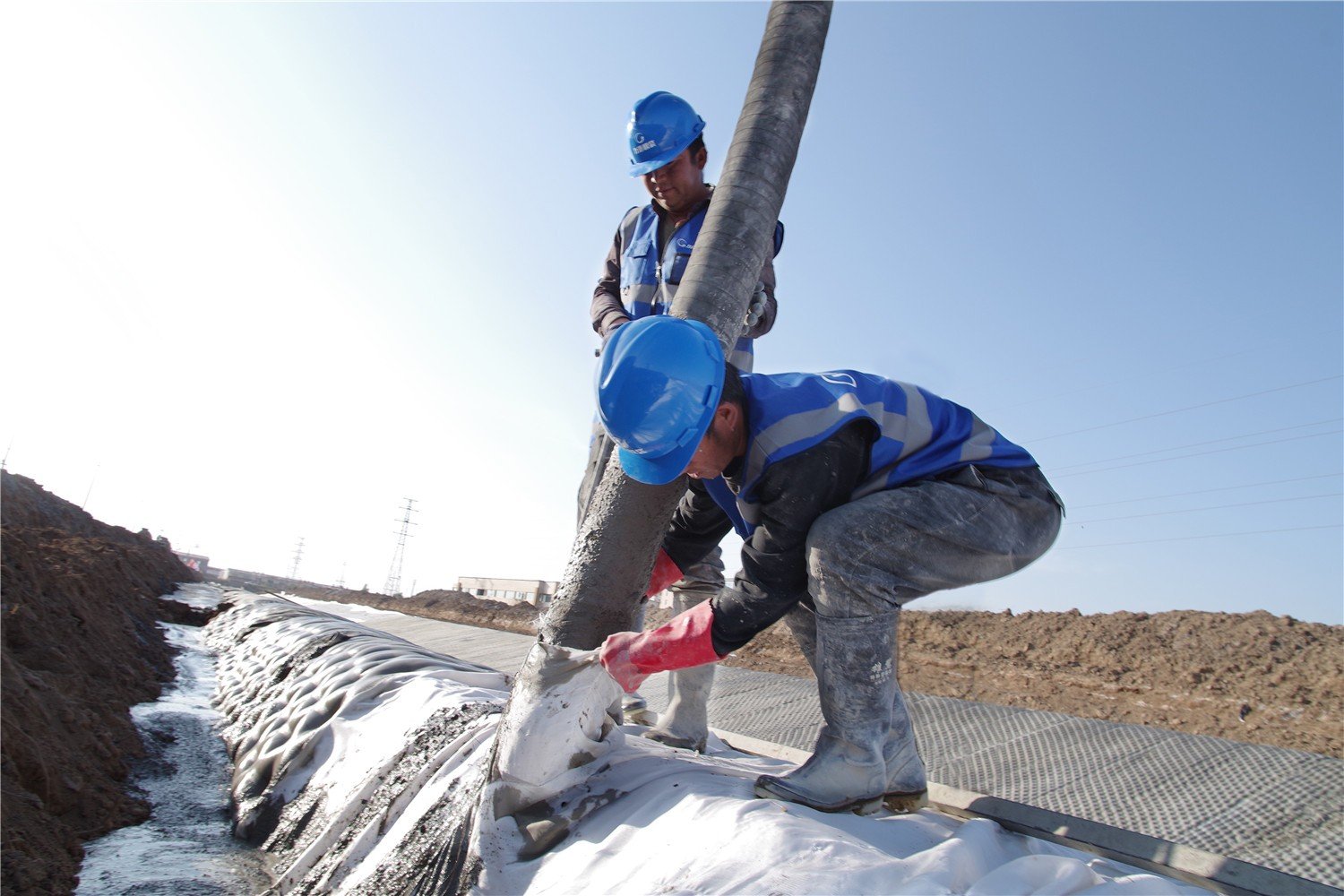
Formwork fabric tensile tearing limits dictate the stability of the foundation while wet cement is actively injected on site. Pump operators exert intense localized pressure against the geotextile envelopes, frequently breaching 15.3 bar ratings.
If longitudinal warp tearing occurs, massive concrete bleed out corrupts the vital drainage filters beneath the slab. Validated puncture resistance tests (such as standard CBR methodology dropping weights precisely) confirm identical dimensional stability under intense impact shocks, ensuring secure installation mechanics completely free from blowouts.
Frequently Asked Questions
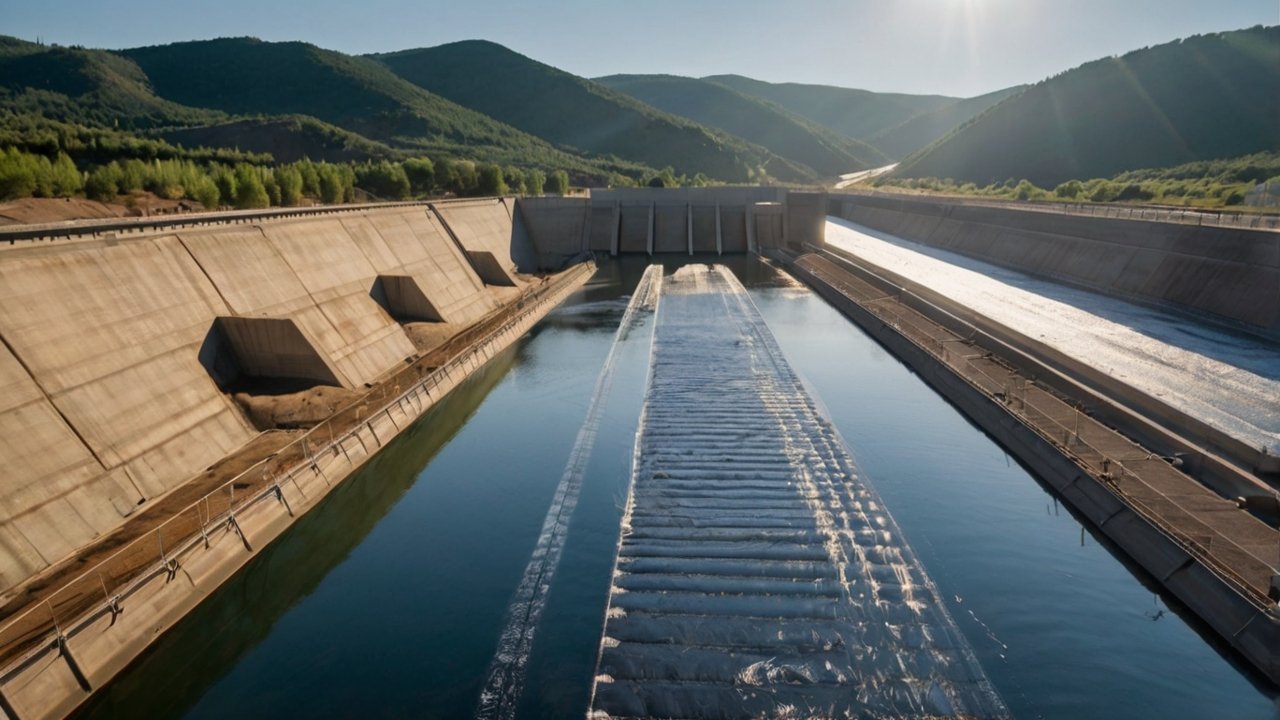
Q: What is the specific difference between woven PET and galvanized steel cable connections in articulated matrices?
Woven Polyethylene Terephthalate (PET) provides near absolute immunity to chemical chlorides and maintains flexibility, whereas galvanized steel eventually falls victim to stress oxidation. Steel arrays boast higher initial modulus measurements but experience a harsh 1.2% tensile degradation over 50 years under marine submersion. Industrial procurement distinctly heavily favors advanced synthetic PET cables regarding deep coastal brackish applications.
Q: How does hinge joint deflection curvature prevent concrete block cracking during heavy subgrade settlement?
Hinge joints effectively dissipate vertical shear stress directly across the neighboring blocks by safely authorizing multi-directional slope articulation up to 34.6 degrees. Without this calculated kinematic rotational freedom, severe point loads from massive isolated soil drop-offs violently snap internal connective channels. Articulation permits continual geometric conforming directly against the uneven, ever-changing topography without suffering brittle matrix fractures.
Q: What are the standard lead times and MOQ parameters for commercial-scale riverbank stabilization deployments?
Standard commercial procurement metrics stipulate a Minimum Order Quantity (MOQ) fundamentally driven by shipping container volume thresholds, generally hovering at 2,500 square meters. Specialized engineering manufacturers structured like HydroBase streamline advanced logistics, enabling a rigid 48-hour rapid dispatch workflow upon engineering submittal approval. Production timelines heavily influence immediate post-hurricane relief project timelines, demanding strictly calibrated global transit strategies.
Q: At what localized flow velocity does standard riprap begin to fail compared to integrated concrete cabling?
Standard loosely dumped riprap encounters significant particle dislocation thresholds frequently around 3.8 meters per second. Interlocking articulated matrices resist colossal sheer forces effortlessly exceeding continuous flows of 6.4 meters per second. The unified interconnected surface acts monolithically, entirely neutralizing isolated turbulent uplift vortices explicitly crafted by aggressive, sustained channel flow.
Q: How does Apparent Opening Size (AOS) directly affect long-term hydrostatic pressure within municipal retaining walls?
Properly specified Apparent Opening Size metrics below 0.21mm authorize continuous groundwater bleeding out securely without losing structural foundational sand. Relieving internal hydrostatic accumulation negates the severe outward hydraulic wedging force attempting to violently push armored plates directly off the sloped bank. High permittivity fabrics guarantee this required hydraulic stabilization remains fully operational intrinsically across multiple decades.
Hydraulic Protection Design Outlook and Strategic Sourcing
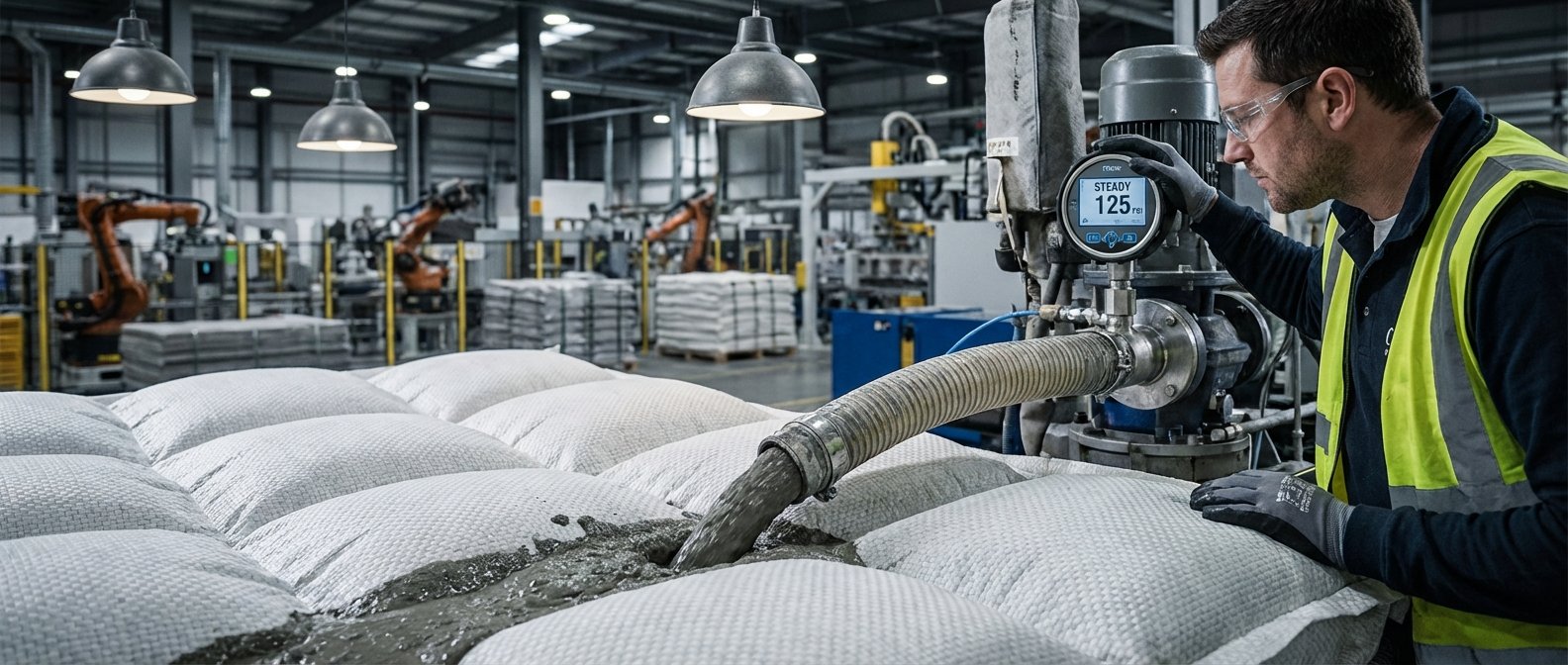
Securing critical riparian channels involves evaluating severe micro-fracture potential against unforgiving hydrodynamic shear physics. Sourcing highly engineered solutions specifically built utilizing advanced polymer connectivity and highly calibrated geotextile bases fundamentally drastically reduces life-cycle repair expenditure across civic infrastructure budgets.
Integrating precisely manufactured hinge articulation drastically mitigates failure parameters associated directly with chaotic subgrade subsidence occurring extensively across vital municipal coastal grids. Expanding environmental compliance regulations simultaneously heavily incentivize deploying versatile, plant-compatible hard-armor grids capable of merging structural survivability intimately alongside local biological renewal mandates.
Evaluating distinct tensile benchmarks ultimately dictates operational survivability when extreme hydraulic force variables invariably crash against civil defense architectures.
Ready to specify hard-armor engineering for your next infrastructure defense plan?
Get a project-specific quote within 48 hours