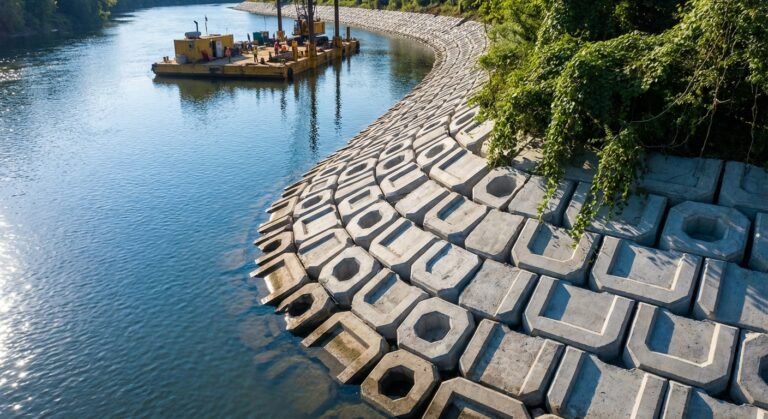
For civil engineering procurement officers and municipal project managers overseeing large-scale river corridor infrastructure, mitigating long-term liability and optimizing infrastructure return on investment demands an exhaustive understanding of industrial-grade scour protection systems. At the core of engineered bank resilience lies the careful optimization of articulated concrete mattress interlocking block specifications for hydraulic revetment. Securing permanent structural stability against the ceaseless kinematic forces of fluvial currents requires pivoting away from generalized stabilization approaches toward rigorous, empirical technical performance analysis. Designing a comprehensive hydraulic barrier system necessitates strictly monitoring precise engineering tolerances, validating extreme cable connection durability thresholds, and establishing accurate hydraulic stability coefficients within the revetment matrix.
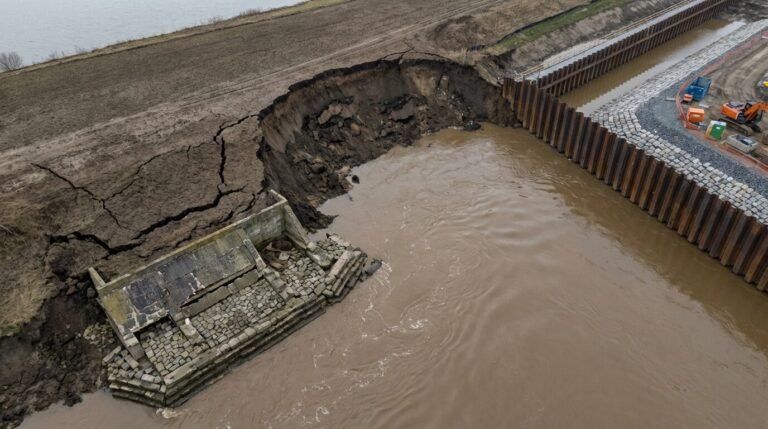
Evaluating heavy civil engineering procurement standards reveals that generic wet-cast block deployments routinely fail under cyclic hydrostatic loading. High-velocity riverbed dynamics dictate that interconnected spatial frameworks must absorb shear stress while maintaining subgrade continuity. Procuring optimal protection involves examining complex morphological interactions where water flow meets manufactured topography. Engineering departments must verify the exact material thresholds to prevent catastrophic basal scouring, ensuring that massive infrastructure investments remain insulated from accelerating environmental degradation vectors. This comprehensive technical guide analyzes the elemental physics, structural specifications, procurement protocols, and overarching market trajectories defining modern hydraulic protection networks.
Fundamental Mechanics of Hydraulic Stability and Hydrodynamic Stress
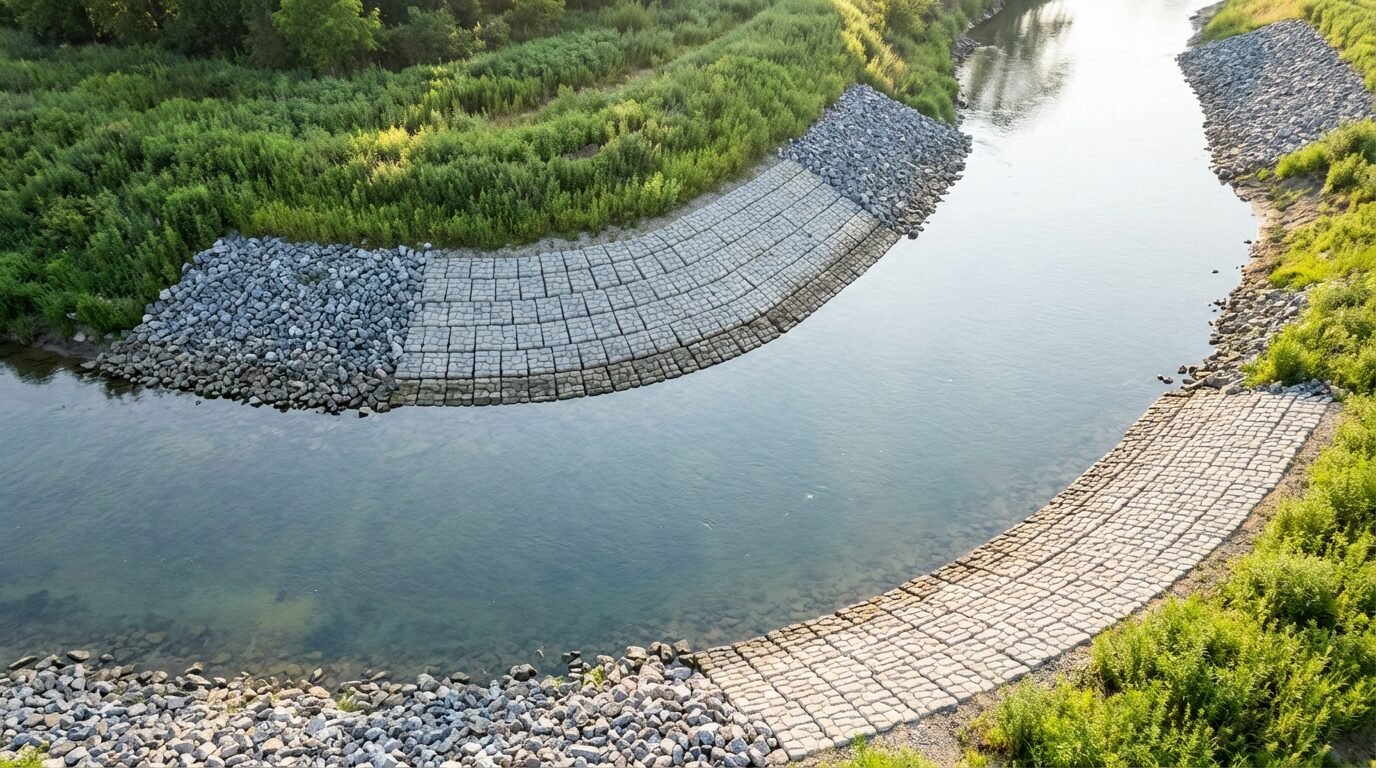
Achieving permanent structural immobility under flood-stage hydraulic loading requires establishing precise stability variables. Hydrologists fundamentally rely on calculating boundary layer shear stress thresholds to model how articulated arrays distribute extreme fluid kinetic energy. Determining the critical K-Value directly influences how interlocking block specifications must be engineered to resist overturning moments generated by sub-critical and super-critical flow states. Navigating turbulent meandering river sections introduces non-uniform multidirectional force vectors that systematically attack inadequate mass-to-drag ratios. Riverbank protection matrices must be mathematically verified to withstand immense pressure differentials caused by rapidly fluctuating operational water levels.
Assessing the macroscopic civil engineering landscape indicates a profound shift toward heavily armored coastal and fluvial corridors. Coastal and riverine defense architectures are aggressively expanding in response to intensifying seasonal flood events. Statistical mapping detailing the global dredging market outlook demonstrates this trajectory clearly, noting the market was valued at USD 17.3 billion in 2026 and is forecast to reach USD 21.3 billion by 2036, progressing at a compound annual growth rate of 2.1 percent. Dredging and channel widening operations inherently steepen bank gradients, which exponentially increases the localized velocity of diverted water masses. Consequently, the minimum functional threshold for an applied revetment demands interlocking block mechanics capable of sustaining sustained peak velocity tolerances of exactly 6.74 m/s without experiencing structural dislodgement.
Concrete Density Tolerances and Material Compression Specifications
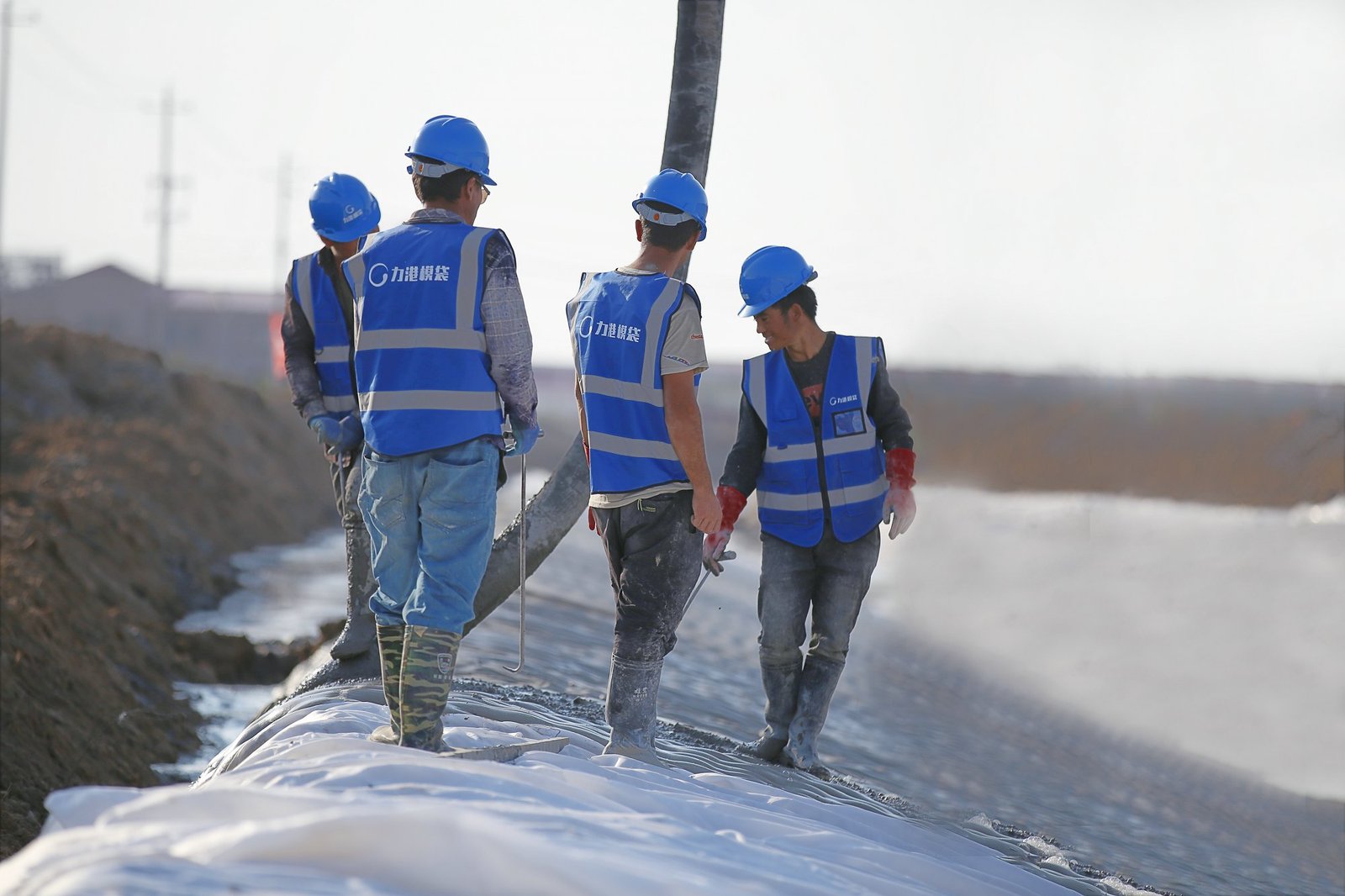
Micro-level material science determines the lifespan of any submerged protective barrier. Defining the articulated concrete mattress interlocking block specifications for hydraulic revetment mandates observing highly restrictive casting margins. Standard civil construction practices often accept broad dimensional variations, but interlocking articulation points require a strict block dimension casting variance bounded to exactly ±1.5mm. Exceeding this exact parameter generates micro-frictions between adjacent nodes during settlement shifting, leading to accelerated localized spalling. The structural integrity of the individual nodules fundamentally dictates the survivability of the entire contiguous blanket array.
Cementitious mix designs formulated for constant underwater immersion must achieve precise density criteria to combat continuous chemical and abrasive degradation. Procurement documents must mandate a strictly bounded water-to-cement blending ratio of 0.42. Elevating this ratio introduces excessive porosity, trapping capillary moisture that shatters internal concrete bonds during cyclic freeze-thaw barometric transitions. Civil projects should specify a rigorous compressive strength target of 31.4 MPa to guarantee resistance to heavy bed-load impacts from submerged timber and boulders. Adhering to these strict material blending laws ensures that abrasion mass loss over a validated testing cycle remains ≤ 0.8 percent after 500 hours of continuous hydro-mechanical sediment bombardment.
Cable Articulation Matrices and Sub-Surface Tensile Mechanics
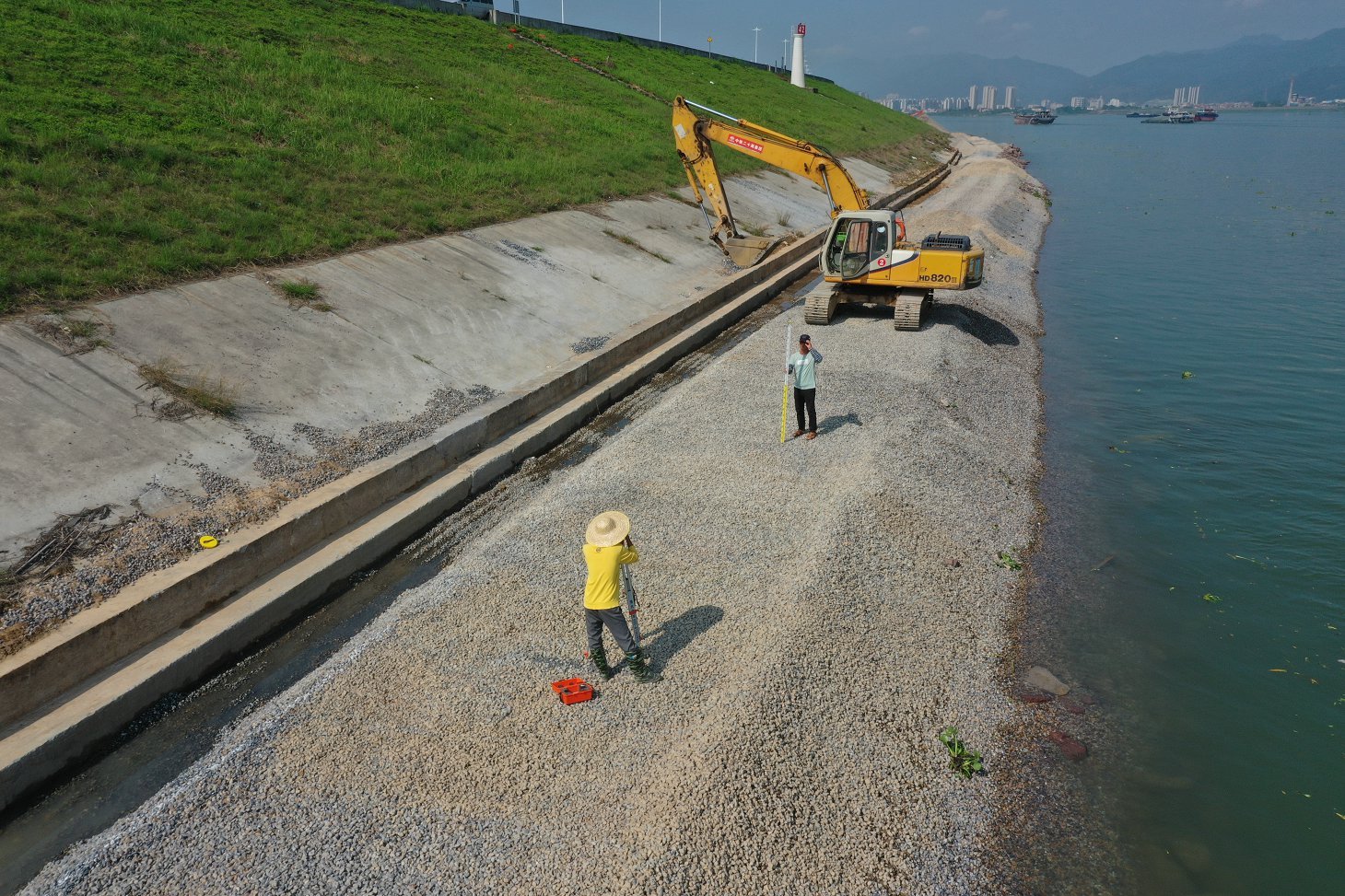
Structural cohesion across a sprawling riverbank contour hinges entirely on the longitudinal and transversal connecting cables embedded within the concrete matrix. The core architectural advantage of an articulated system is flexural yield; the blanket must map identically to localized terrain settlement without fracturing. Connection tendons must possess sufficient tensile strength to endure the immense gravitational loads experienced during crane lifting operations while maintaining indefinite submerged flexibility. Analyzing the exact internal tendon requirements highlights a crucial specification: cable yield strength tracking must maintain strict compliance within a ±0.3mm diameter stretch tolerance under peak hydrodynamic loading.
Contractors deploying heavily engineered revetment networks must choose between zinc-galvanized stainless alloys and ultra-high-molecular-weight polyester polymer cables. Polymer variations are increasingly specified for aggressive saline or high-sulfate environments where traditional metallics face rapid oxidation. When specifying synthetic internal tendons, project leads must establish parameters targeting a system peak thermal resistance rated to withstand 560°C during raw manufacturing extrusion to prevent subterranean brittle fracturing. Achieving an interlocking sliding friction coefficient of precisely 92.7 percent prevents individual matrices from cascading dangerously toward the lowest topographic elevation during rapid drawdown events.
Foundation Modeling and Subgrade Permeability Coefficients
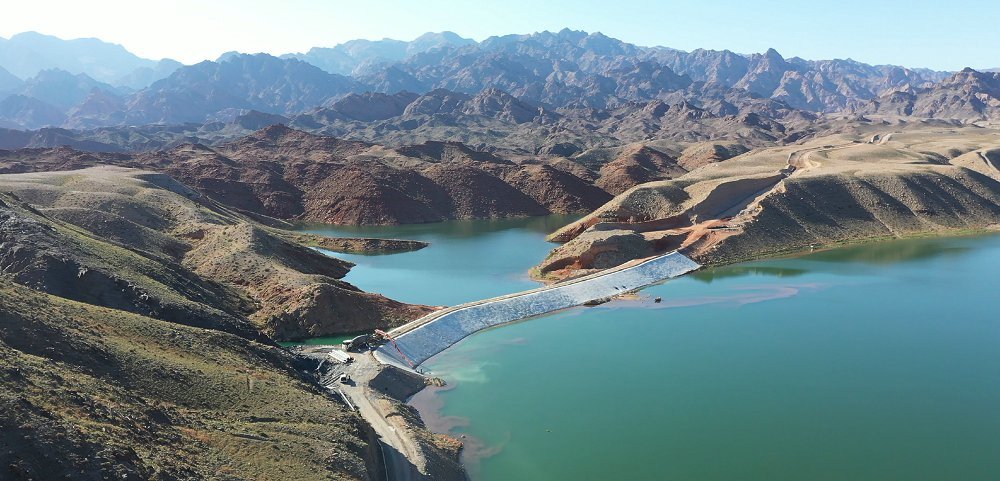
Hydraulic infrastructure failure rarely originates at the rigid armored layer; it originates deep within the basal soil foundation. Substantial pressure differentials exist between the saturated embankment soils and the free-flowing channel current. Without highly managed permeability, internal groundwater attempts to forcefully exit the bank structure during river stage drawdowns, liquefying the granular foundation underneath the protective blocks. Precision engineering demands establishing a recognized subgrade continuous permeability calculation at an exact rate of 1.25 × 10&supminus;&sup4; cm/s. Ensuring exact hydrostatic equilibrium across the boundary barrier restricts fine sediment particles from being systematically vacuumed through the concrete apertures by venture-effect forces.
Understanding deeply hidden erosion metrics requires integrating advanced subsurface evaluation technologies. Observing the upward trajectory within the soil monitoring market growth, which was estimated at USD 938.1 million in 2025 and is projected to expand to USD 1.6 billion, proves that modern environmental compliance mandates exhaustive foundational tracking. Sub-surface diagnostic sensors continuously map granular compaction loss beneath the revetment layer, feeding vital lifecycle telemetry back to municipal engineering boards. Coupling this precise granular retention modeling with robust filtration fabrics locks the underlying typography into permanent stasis, neutralizing the primary vector of mechanical bank collapse.
Fabric Interfaces and Filter Point Configurations
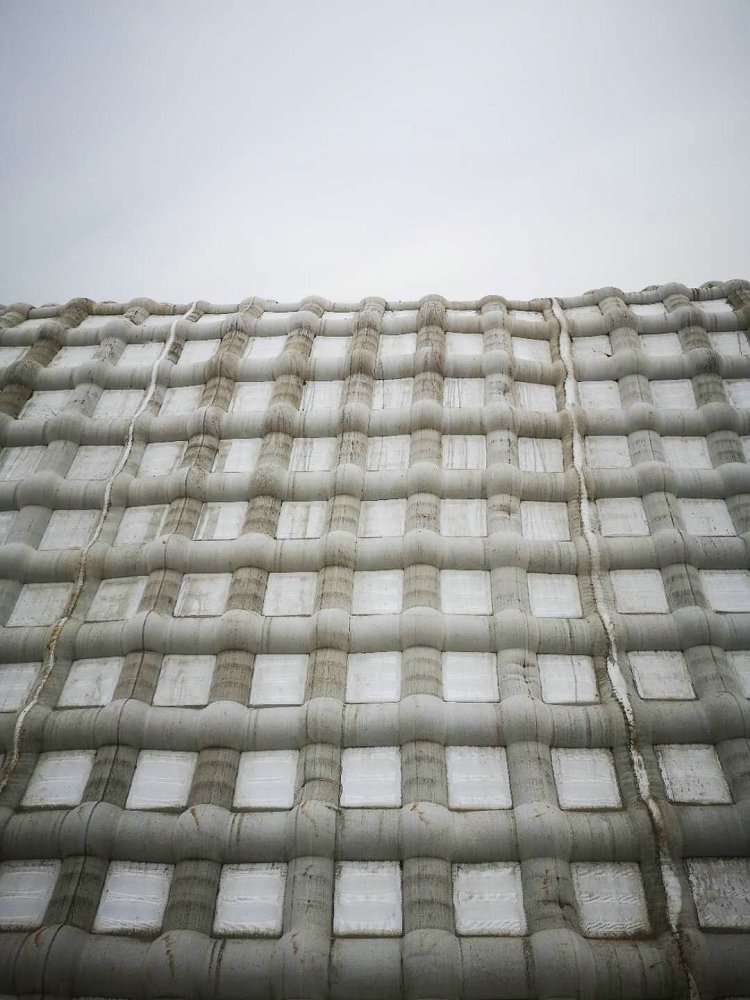
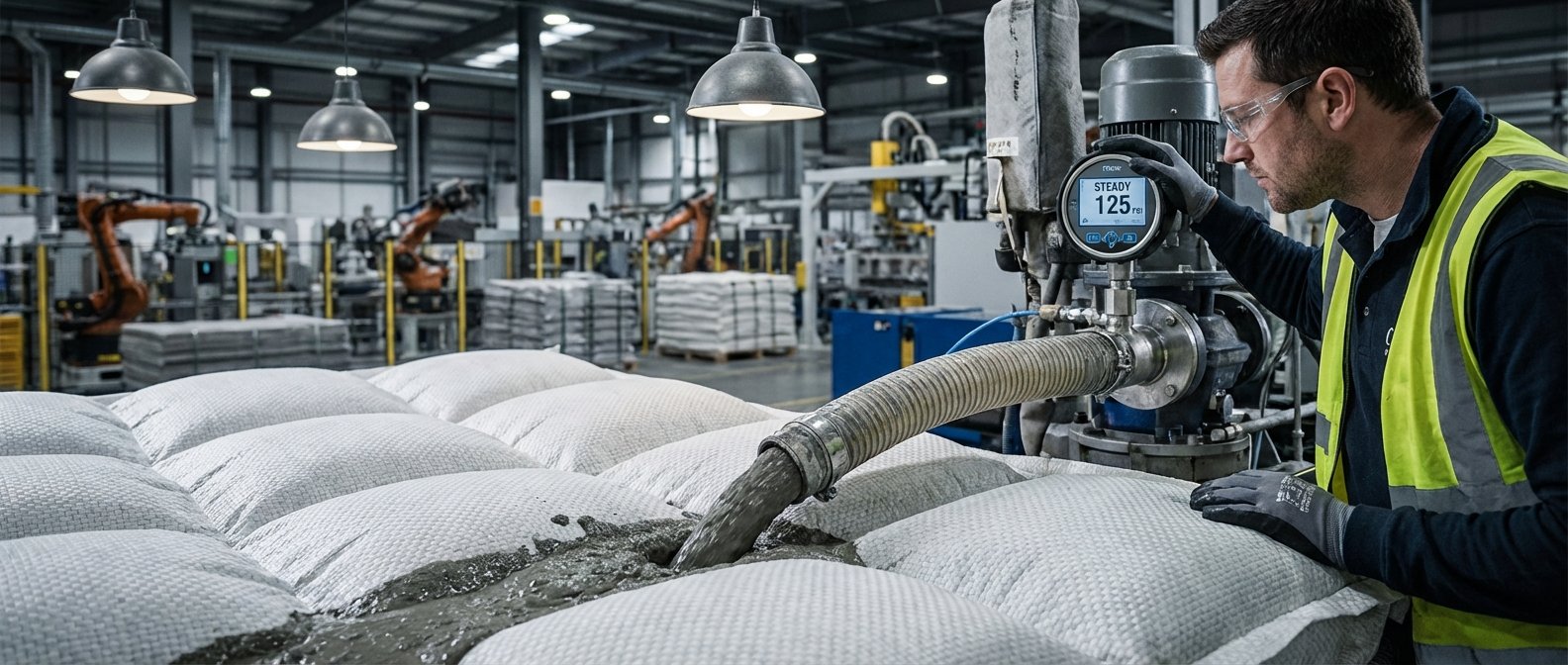
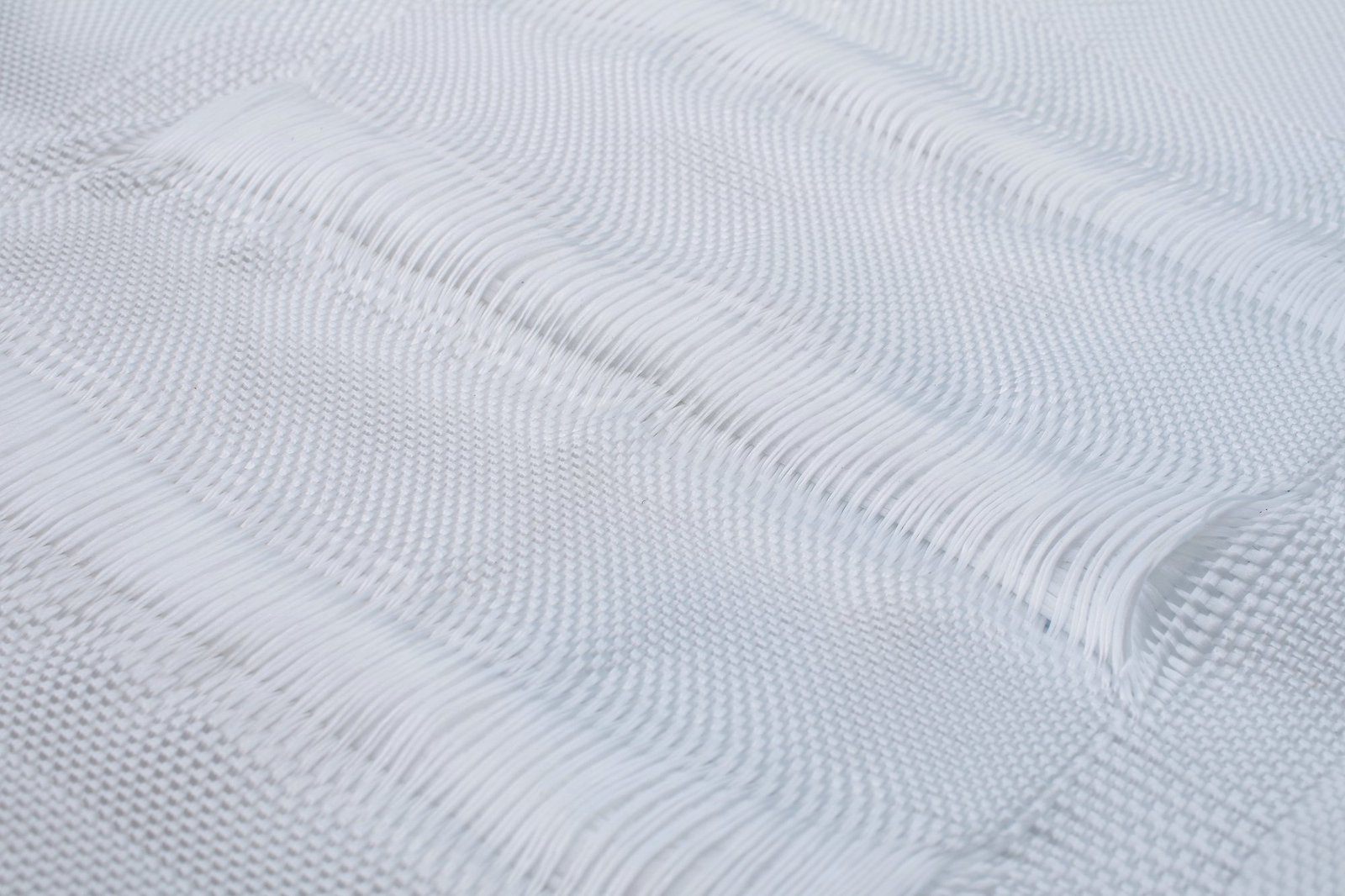
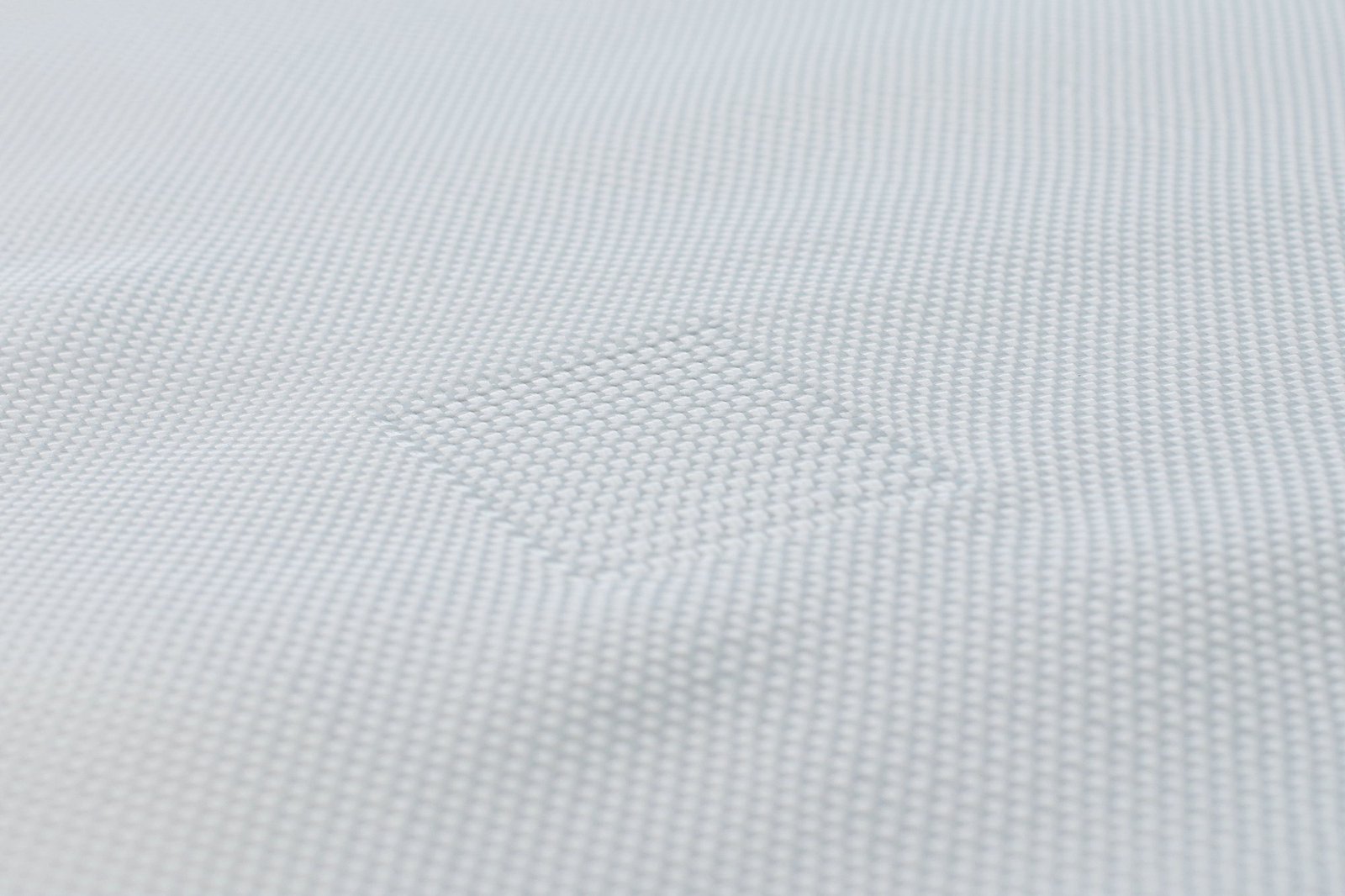
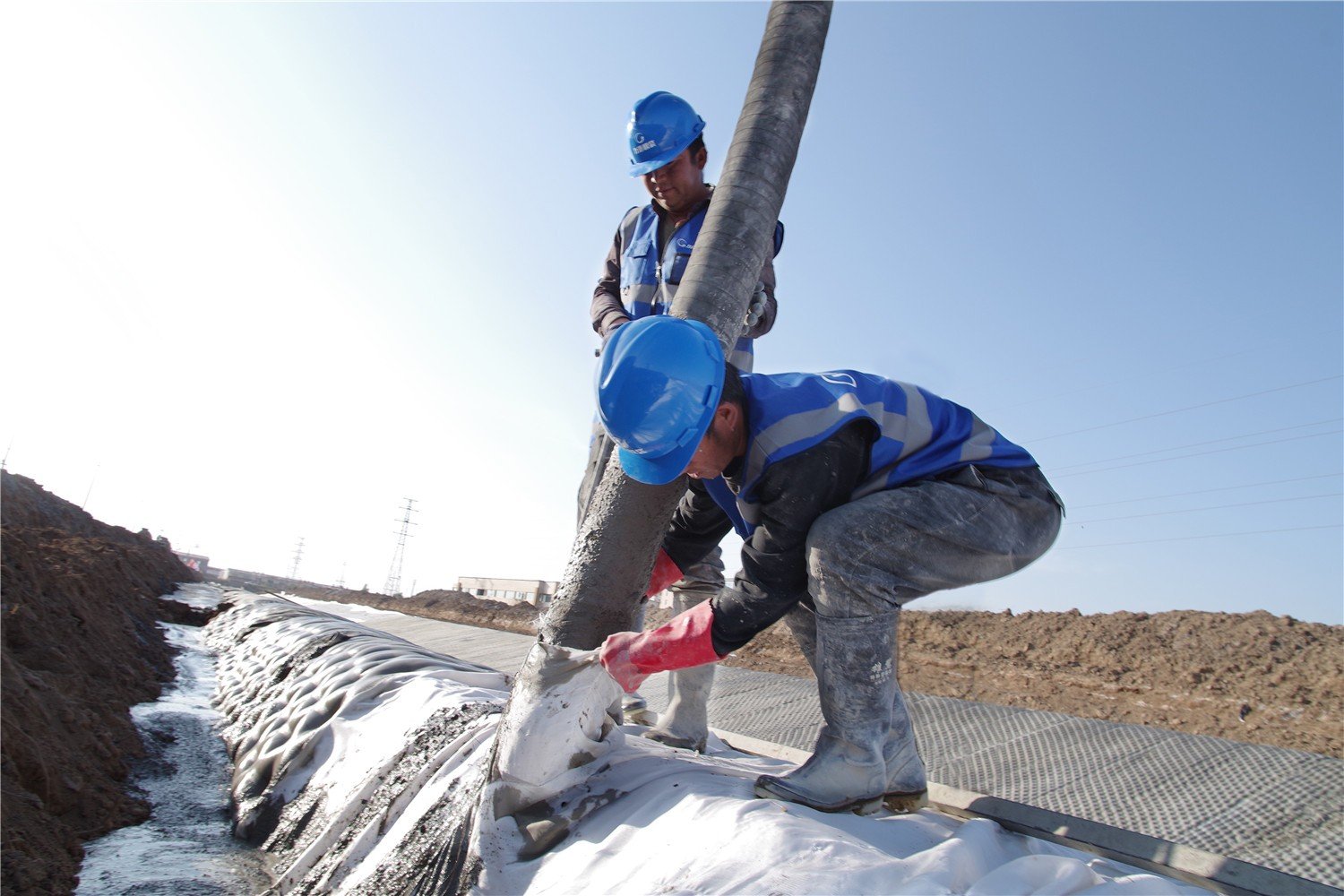
Anchoring the heavy block array inherently requires integrating a high-tensile engineered geotextile underlayment. Fabric formworks act as the ultimate physical barricade against granular piping. Specific variations of these systems, prominently deployed as a Filter Point Concrete Mattress, utilize a double-layer woven textile envelope where highly flowable micro-concrete is pumped directly into designated geometric pockets. The interconnected filter point design intentionally leaves defined woven fabric nodes un-concreted, guaranteeing that the required hydrostatic pressure relief mechanisms remain completely unobstructed across the entire operational plane. These distinct relief nodes are technically required to maintain an uncompromised structural geotextile open area ratio established strictly at 9.3 percent.
Synergistic bio-engineering practices frequently mandate combining these rigid poured structures with vegetative retaining elements. Reviewing the overarching projections for the erosion control wattles forward outlook shows an anticipated 5.2 percent compound annual growth rate toward 2035, driven heavily by climate resilience frameworks. Integrating biodegradable surface wattles alongside rigid filter point concrete zones allows riparian root matrices to establish within the designated void spaces. This deliberate ecological fusion stabilizes the immediate shoreline against intense wave action while simultaneously absorbing heavy surface runoff currents before they can compromise the rigid concrete periphery points.
B2B Sourcing Parameters and Defect Evaluation Benchmarks
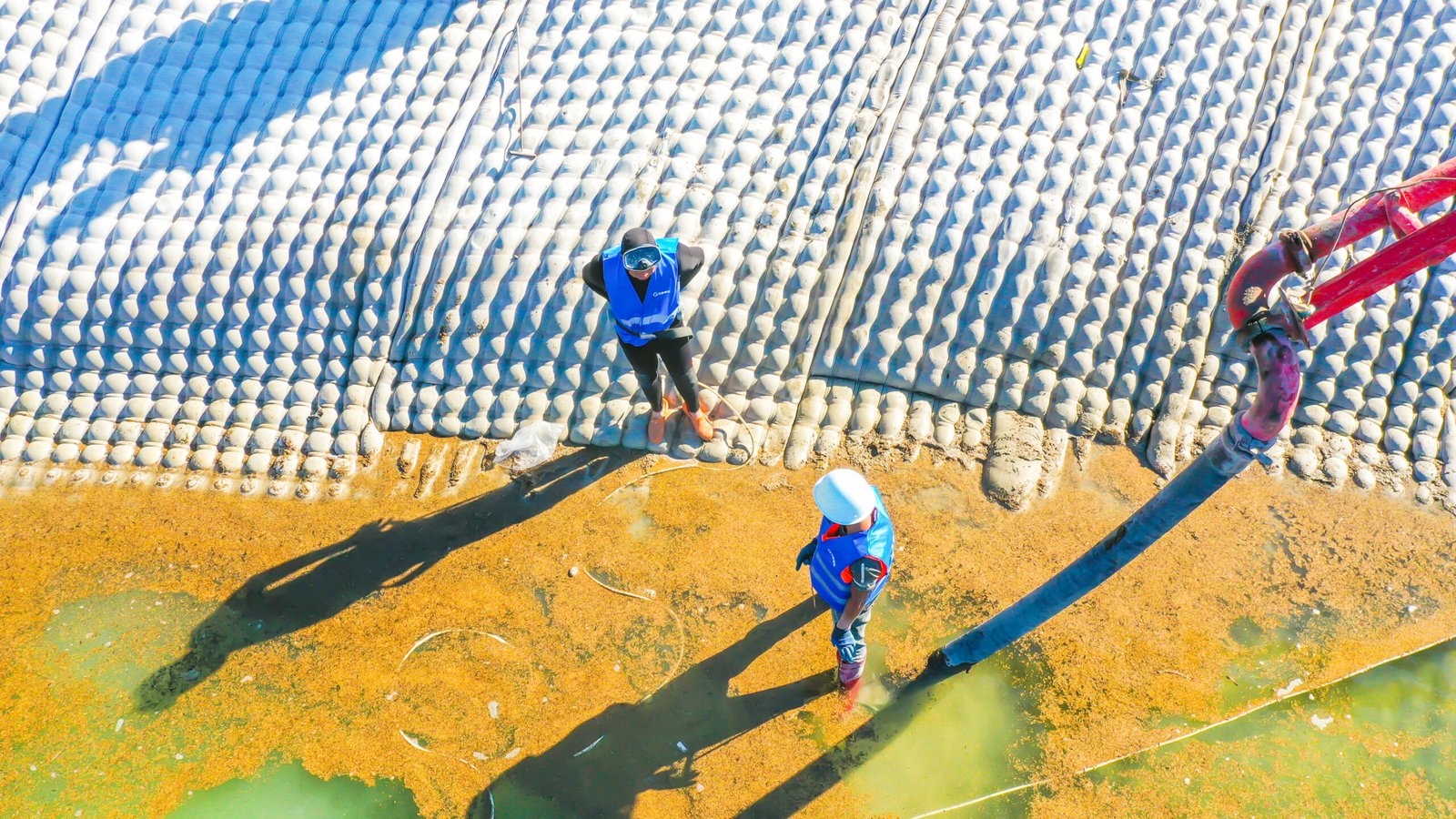
Managing massive civil contracting budgets dictates implementing aggressive quality assurance vetting prior to raw material disbursement. Municipal project leads evaluating articulated concrete mattress interlocking block specifications for hydraulic revetment cannot rely exclusively on theoretical engineering blueprints; they must execute tangible laboratory testing on cast sample batches. Sourcing from global manufacturers demands verifying continuous ISO regulatory compliance and examining internal factory chain-of-custody documentation regarding raw aggregate purity. Isolating specific engineering deficiencies early in the procurement cycle prevents catastrophic multi-million dollar failures during sequential decade flood events.
The exact diagnostic thresholds for block mattress evaluation are outlined in the technical compliance tool below. Engineering officers utilize this standardized analytical framework to qualify prospective tier-one heavy material suppliers against stringent international hydraulic structural codes.
| Compliance Parameter | Absolute Engineering Threshold | System Failure Consequence |
|---|---|---|
| Abrasion Mass Loss Index | ≤ 0.8% Degradation @ 500h | Premature armor layer dissolution |
| Cable Yield Extrapolation | Maximum ±0.3mm Tolerance | Violent articulation snapping under load |
| Core Thermal Resistance | Sustained Peak 560°C | Polymer melting during extrusion |
| Poured Compressive Base | Strictly Bounded 31.4 MPa | Catastrophic internal lattice fracturing |
| Fabric Open Area Ratio | Target Calibrated at 9.3% | Uplift from trapped granular piping |
| Casting Variances | Machine Limit ±1.5mm | Uneven settlement and spalling friction |
Macro Projections for Sediment Resiliency Ecosystems
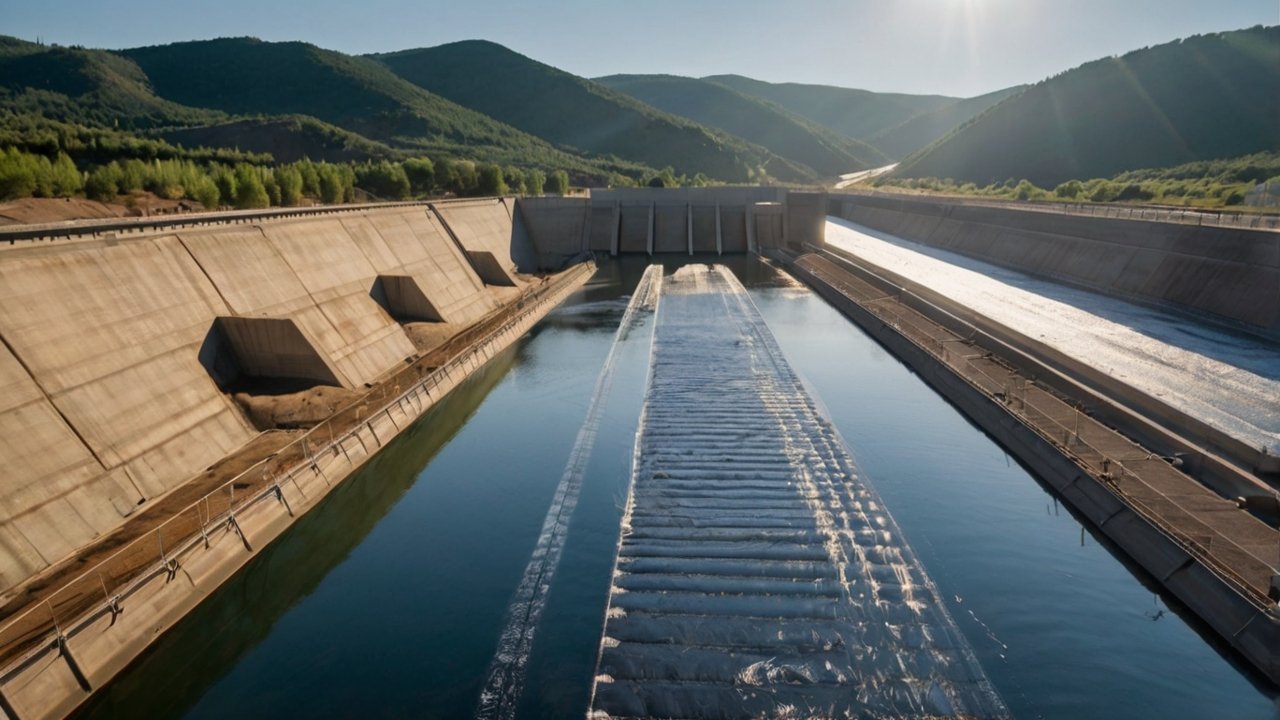
Heavy infrastructure projects are currently operating against an aggressive backdrop of escalating global climatic threats. Analyzing the specific monetary influx backing this hardware acceleration provides vital context for B2B procurement prioritization. Data extracted regarding the sediment sampler market trends shows the corresponding sphere for global erosion and sediment control achieved a recognized value of US$ 3794 million in 2024. Governing bodies are actively shifting massive budgetary weight toward impenetrable coastal barriers and inland dam spillway renovations to intercept severe infrastructural decay models natively associated with rapid regional urbanization.
The exact intersection of rigid foundational concrete limits and flexible subsurface fabric arrays drives profound sector growth. Advanced fiscal tracking demonstrates the immense scale of this global initiative; the overall geosynthetics sector estimations indicate the domain captured US$ 24.5 Bn in value by 2025. Projections reflecting the global geosynthetics expansion footprint suggest market valuations soaring toward unprecedented heights of USD 45.3 Billion by 2035, powered uniquely by critical infrastructure augmentation. Protecting high-value municipal property, rail corridors, and cross-country energy pipelines requires scaling civil engineering hardware production lines to match this rapidly steepening trajectory of defensive demand.
Supply Chain Volatility and Heavy Construction Logistics
Modern civil procurement officers face unprecedented geopolitical challenges acquiring massive quantities of engineered raw materials. Operating a successful cross-continental mega-project demands insulating the daily logistical chain against sudden macroeconomic supply shocks. We witness parallel technological industries suffering profound systemic disruptions, starkly highlighted by the impending global memory shortage reshaping logistics, forcing massive hardware redesigns and radically halting continuous component dispatch mechanisms. When equivalent bottlenecks cascade into heavy aggregate and high-tensile polymer cable sourcing networks, the subsequent timeline delays render rigidly scheduled multi-million dollar river-diversion construction windows completely unviable.
Counteracting this severe logistical threat involves establishing direct partnerships with internationally scalable primary producers possessing vast internal inventory buffers. Heavy construction operations utilizing immense sequences of interconnected subgrade protection must eliminate intermediate vendor dependencies that typically paralyze rapid response deployment operations. True architectural supremacy demands sourcing methodologies capable of executing comprehensive quality-verified dispatch manifests independent of isolated localized raw material fluctuations or trans-oceanic transit blockades.
Advanced Solutions in Revetment Manufacturing Systems
Eliminating structural degradation risks and supply chain paralysis mandates partnering with heavily vetted manufacturing entities inherently capable of producing rigorous custom civil architecture on demand. Engineering officers continually reference specialized heavy material producers like HydroBase when navigating extremely complex Concrete Mattress Projects requiring exact volumetric tolerances and zero-defect delivery frameworks. Operational capabilities reflect intense industrial maturity, specifically highlighted by over 10 years of direct manufacturing expertise, successful deployment across 230 complex global projects, operating 150 dedicated high-volume production lines, and maintaining an unwavering 48-hour global dispatch capability.
Integrating a completely verified Articulated Concrete Mattress (ACM) framework transforms chaotic riverbed maintenance modeling into an exact scientific certainty. Procurement channels navigating China Concrete Mattress Manufacturing pathways secure unparalleled structural redundancy against extreme flooding mechanisms. Achieving absolute control over the entire on-site fluid dynamic profile further necessitates evaluating extensive installation parameters, expertly outlined in standard industrial guides examining Field Ops: Mastering Filter Point Concrete Mattress Pumping strategies formulated specifically for complex submerged topographies.
Frequently Asked Questions
Q: What is the typical Minimum Order Quantity (MOQ) and lead time for commercial articulated formwork?
Standard commercial MOQs for heavy woven geotextile formwork generally begin at 5,000 square meters depending on customized cable insertion specifications. Leading manufacturers consistently offer accelerated production queues, establishing an operational benchmark capable of executing finalized dispatch protocols within a strict 48-hour operational window, ensuring massive civil timetables remain protected from logistical shortfalls.
Q: How does the specific K-Value alter standard articulated block metrics?
The exact K-Value dictates the required gravitational mass and exact sliding friction limits necessary to prevent hydraulic overturning moments. Engineering parameters must increase the target block sheer density to consistently withstand peak hydrodynamic force vectors exceeding 6.74 m/s, modifying the ultimate structural profile to safely intercept highly turbulent Froude numbers natively present in meandering channels.
Q: What is the primary operational difference between wet-cast blocks and pumped filter point matrices?
Wet-cast blocks are pre-cured heavy concrete nodules tied by cables prior to onsite heavy-lifting crane deployment, while filter point matrices utilize a continuous double-layered woven fabric envelope injected with flowable micro-concrete strictly on location. Both structural configurations effectively establish high-density armoring, though filter variations specifically maintain distinct 9.3 percent open relief areas to drastically accelerate internal bed permeability.
Q: Can intense thermal variations degrade internal reinforcement tendon durability?
Yes, intense ambient thermal cycling fundamentally degrades inferior unshielded synthetic connections lacking UV and elevated thermal stability limits. Securing permanent structural articulation requires verifying the primary connecting tendons possess an industrial thermal resistance mathematically rated at a peak 560°C limit, entirely negating physical molecular breakdown mechanisms during extreme low-water atmospheric exposure cycles.
Q: Why is subgrade granular monitoring essential for heavy revetment stability?
Subgrade foundation monitoring directly diagnoses microscopic granular loss beneath the actual protective layer before catastrophic internal embankment collapse occurs. Establishing proper hydrostatic equilibrium must achieve a sub-strata permeability retention coefficient of exactly 1.25 × 10&supminus;&sup4; cm/s to completely intercept negative venture-effect vacuuming forces generated continuously by super-critical flood event phases.
Future Revetment Engineering Perspectives
Securing critical public infrastructure against aggressive hydrodynamic degradation requires replacing localized remedial tactics with meticulously engineered macroscopic protection grids. Understanding the absolute precision demanded by articulated concrete mattress interlocking block specifications for hydraulic revetment guarantees that multi-decade civil investments survive continuous environmental bombardment events. Analyzing the distinct interplay between compressive concrete thresholds, complex subterranean fabric permeability, and immense continuous supply chain resilience isolates exactly how municipal authorities achieve definitive riverbed topography stabilization. Moving heavy infrastructure projects forward necessitates locking these complex parameters directly into preliminary architectural drawings to construct fail-proof civil defenses.
Related Resources
- HydroBase Project Case Studies — More case studies
- Articulated Concrete Mattress Systems — ACM specifications
- Concrete Mattress Engineering & Installation Services — Full project services
Need a concrete mattress solution for your project?
HydroBase provides end-to-end concrete mattress engineering & installation services — from hydraulic design and factory-direct ACM supply to on-site supervision and post-project inspection. Trusted by civil engineers in 50+ countries.