
This guide dismantles the complex engineering frameworks and fiscal mechanisms necessary for evaluating macro-scale hydraulic defense systems. B2B specifiers require absolute certainty that selected materials will withstand multi-generational environmental stressors while aligning with modern capital expenditure boundaries. Extensive metric mapping, ranging from specialized void ratios to subgrade tensile capacities, forms the absolute baseline for contemporary embankment armor validation.
Hydrodynamic Shear Stress and Flow Velocity Tolerance Parameters
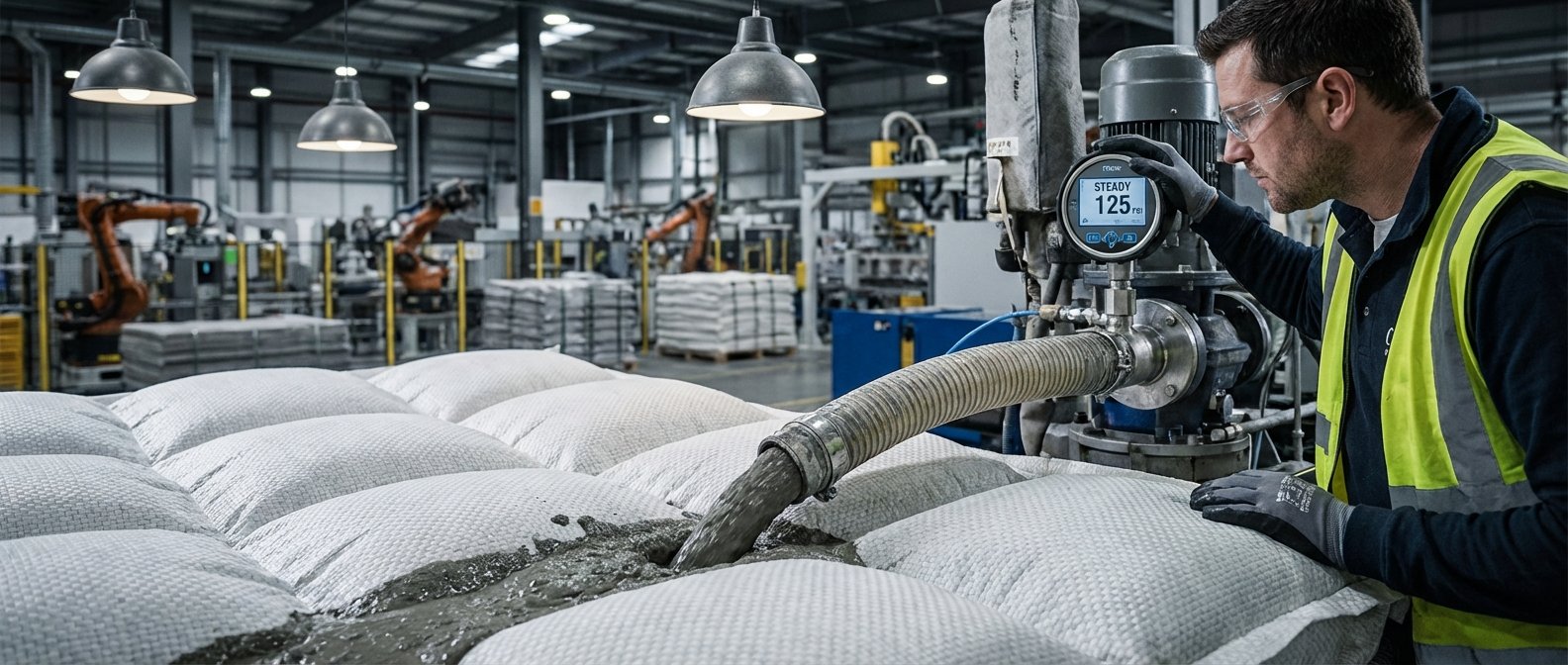
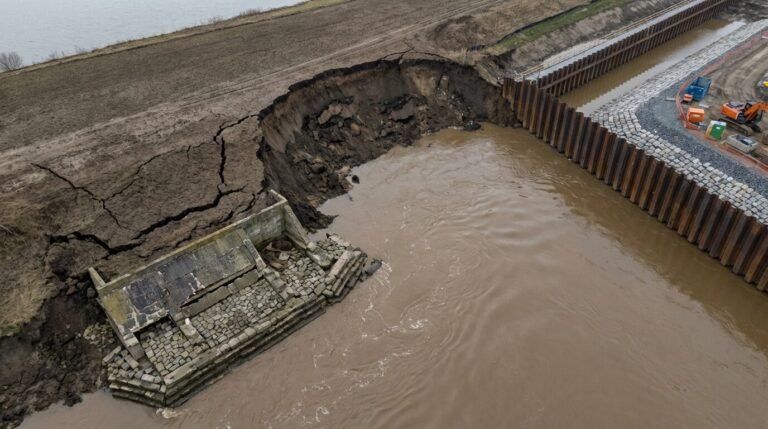
The primary imperative for any hydraulic structure rests on its ability to systematically dissipate multi-directional kinetic energy. Industrial procurement specifications demand that heavy-duty armoring architectures withstand continuous hydrodynamic shear stresses averaging 23.4 lb/ft² without experiencing substrate fluidization. When channel velocities accelerate past the critical threshold of 6.7 meters per second, standard riprap suffers from catastrophic displacement, necessitating interconnected block matrices engineered with specific gravity metrics exceding 2.45.
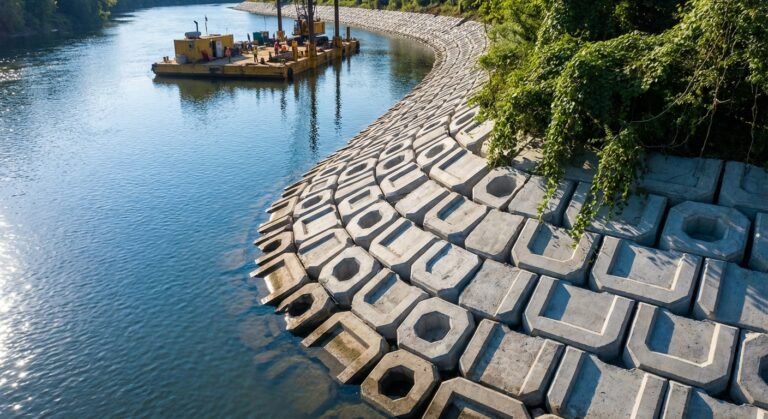
Integrating an adaptive approach to river erosion risk management is essential for mapping bed-load transport mechanics and identifying localized scouring vulnerabilities. Concrete geometries must be precision-cast to form overlapping interstitial zones that neutralize Froude turbulence indices exceeding 0.95. This precise energy dispersion relies heavily on controlled unit porosity, where a specified internal void ratio of exactly 0.8% prevents excess hydrostatic uplift pressures from decoupling the matrix during rapid drawdown events.
Bidding documents now strictly penalize materials exhibiting wide tolerance deviations. Concrete cores undergo extensive microscopic inspection to verify that cementitious curing temperatures stabilized at exactly 65.3°C, ensuring optimal pozzolanic reactions. Such microscopic uniformity dictates whether a multi-system embankment deployment over a 45,000 square meter footprint will endure cyclical flood stresses or suffer from localized micro-fracturing within the first developmental phase.
Geotextile Subgrade Integration and Tensile Integrity Metrics
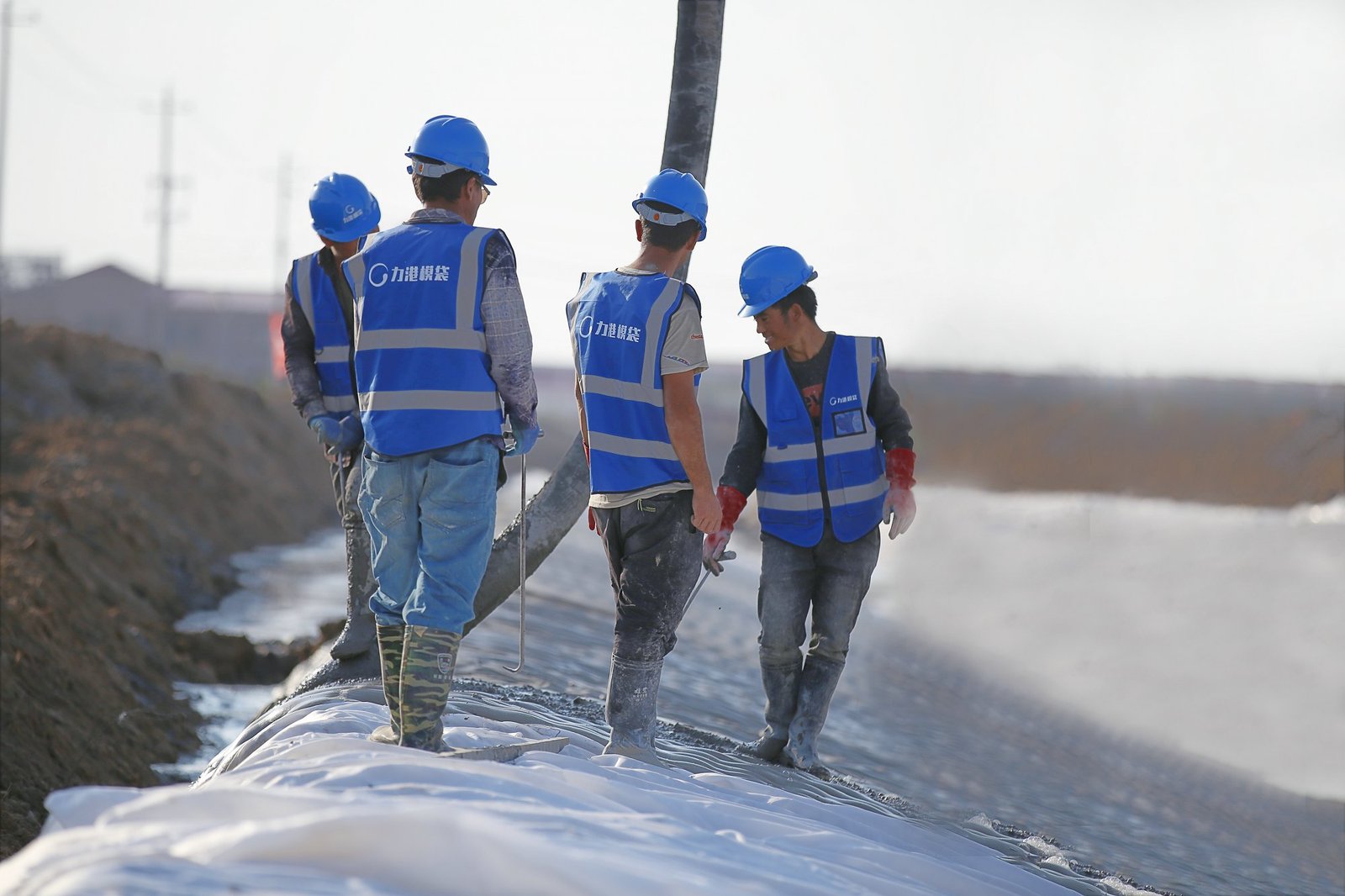
Surface block armoring represents only the superficial layer of comprehensive embankment rehabilitation. The underlying filtration membrane dictates entirely the long-term geotechnical survival of the installation. B2B buyers must scrutinize the ultraviolet degradation resistance and the apparent opening size (AOS) of all non-woven synthetic underlayments. These geotextiles must exhibit a baseline grab tensile strength exceeding 485.2 Newtons to prevent substrate puncturing during the severe impact loads typical of aerial spreader-bar installations.
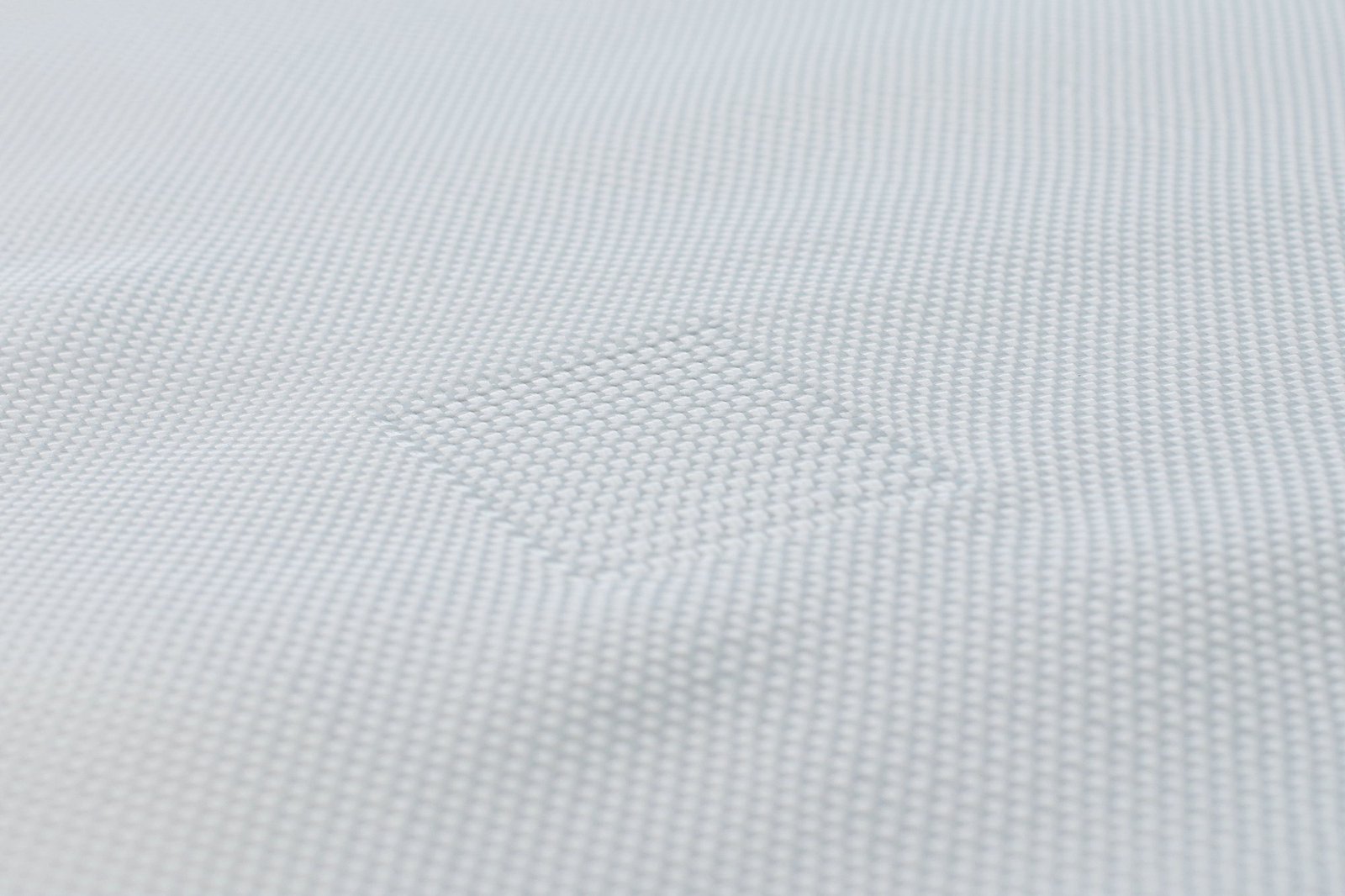
Driven by the anticipated 5.2% global geogrids market compound annual growth rate, civil planners are demanding highly sophisticated dual-layer composite fabrics. The primary woven lattice handles longitudinal stress distribution, whilst the secondary non-woven membrane restricts the exfiltration of microscopic silt particulates ranging from 0.05mm to 0.15mm. Failure to specify these exact micron-level retention capabilities invariably accelerates internal piping, leading to massive subterranean structural voids downstream.
Procurement contracts must mandate independent ISO compliance documentation regarding dynamic puncture resistance methodologies. Establishing coefficient of friction metrics between the high-density polyethylene (HDPE) fibers and the heavily textured underside of the concrete units guarantees slope stability even on extreme 2:1 vertical gradients. Any friction angle measuring below 32.4 degrees requires immediate engineering redesign to avert catastrophic mid-phase slumping.
Continental-Scale Embankment Stabilization Specifications
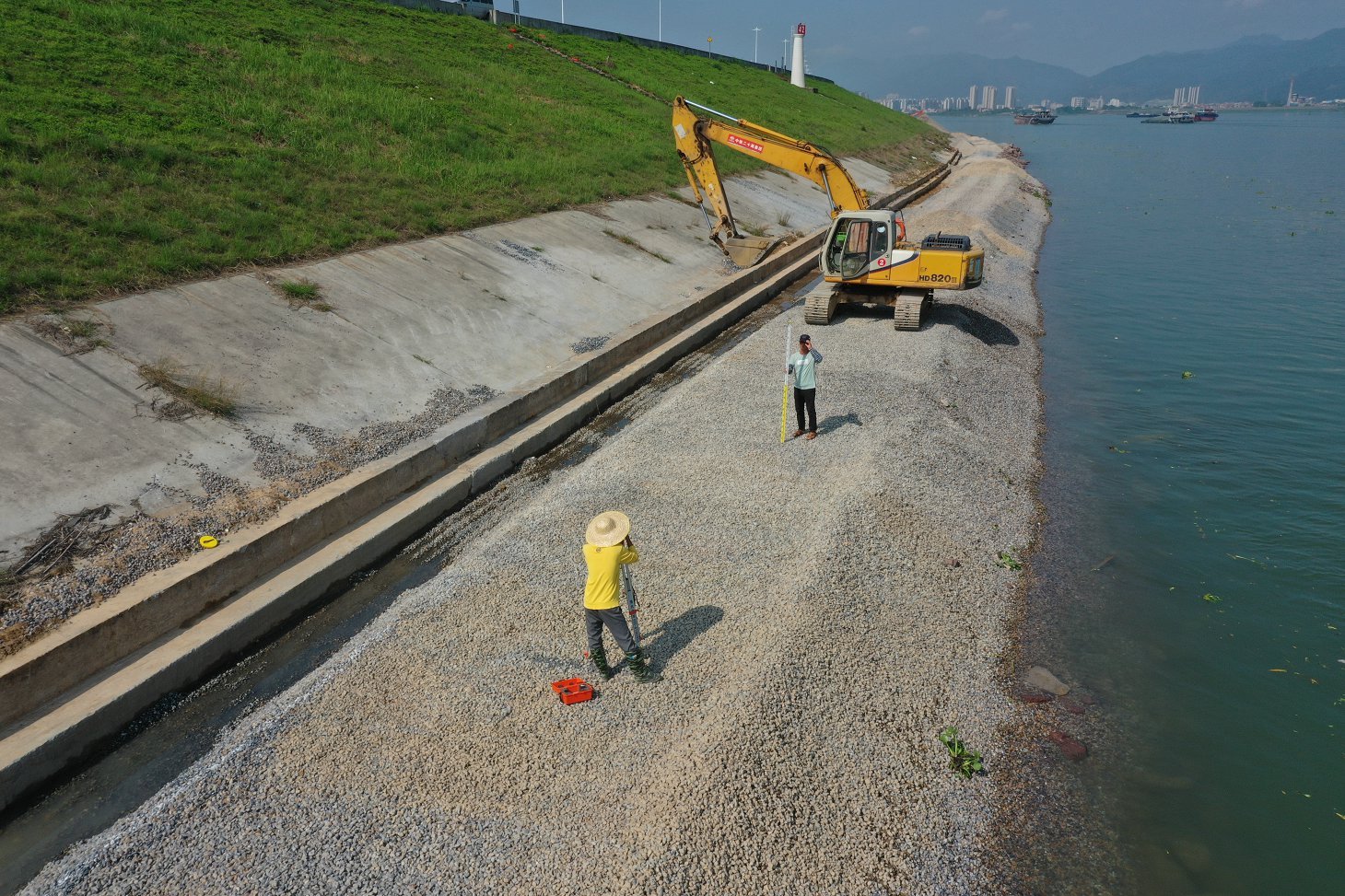
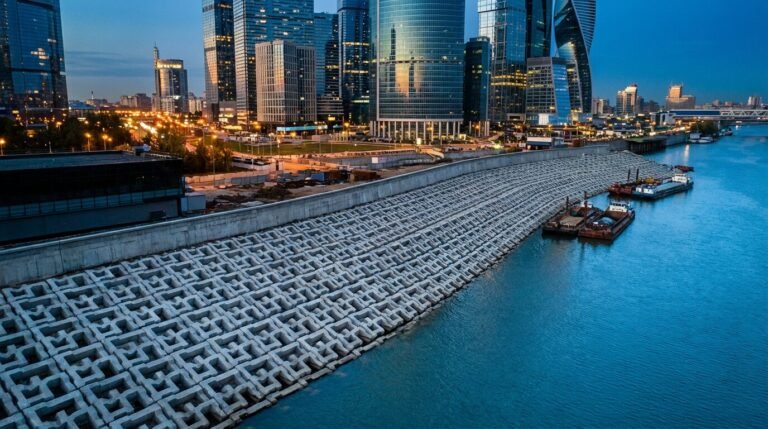
Macro-level infrastructure programs routinely encompass several lineal kilometers of exposed waterway, creating monumental logistical and technical challenges. Executing these vast deployments requires flawless synchronization between material extrusion cycles, heavy freight transit, and submerged marine installation crews. Bidding phases prioritize modular architectures that facilitate rapid mechanized lifting, reducing overhead crane mobilization times by an estimated 28.6% across standard operational windows.
Municipal authorities spearheading initiatives focused on extensive riverbank stabilization to create a flood-resilient corridor recognize that varying bathymetric topographies dictate highly adaptable cabling frameworks. Specialized matrices utilize multi-strand stainless steel tendons (Grade 316L) possessing an ultimate breaking strength of 37.8 kN. These flexible tendons allow the concrete superstructure to articulate dynamically and mold seamlessly to shifting riverbed contours without severing vital interconnectivity.
Stringent documentation tracking sub-aqueous curing compound dispersion rates safeguards local aquatic ecosystems. Specifiers mandate environmentally inert cement additives that mitigate toxic alkaline leaching during rapid tidal fluctuations. Continual monitoring protocols must confirm that ambient waterway pH balances deviate no more than ±0.3 units throughout the critical 72-hour primary submersion phase.
Critical Engineering Selection Criteria for B2B Sourcing
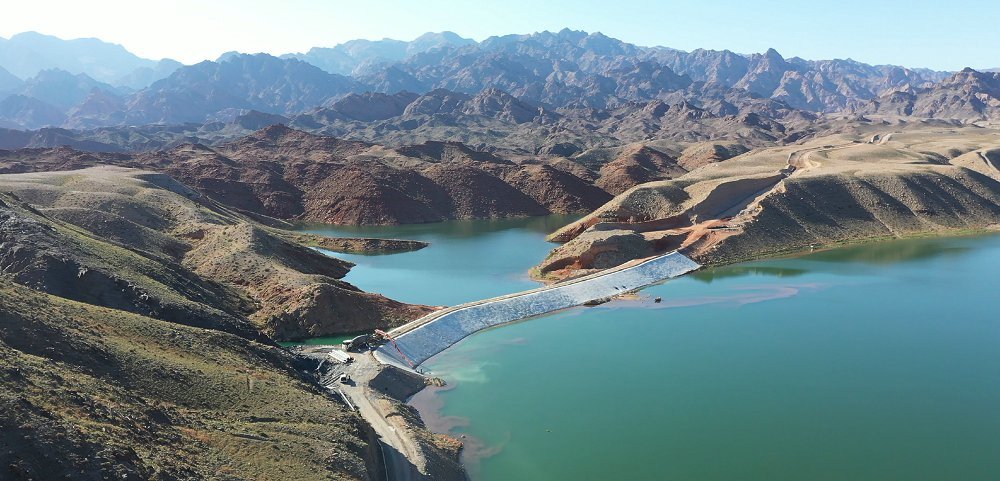
Evaluating industrial bids requires multi-dimensional algorithms that transcend elementary cost-per-ton metrics. Contemporary procurement frameworks weight technical adherence parameters significantly higher than base material costs. Critical performance vectors include documented thermal shock resistance intervals, precise water-to-cement (w/c) ratio limits capped at 0.38, and absolute verification of freeze-thaw durability under ASTM C666 guidelines.
National regulatory approvals associated with works like the Proposed River Stabilization Project illustrate how environmental and geotechnical audits heavily sequence the selection cycle. Suppliers must produce extensive longitudinal data demonstrating minimal block mass loss over simulated sixty-year operational lifespans. Systems displaying cumulative abrasive mass reductions exceeding 1.2% are immediately disqualified from high-impact spillway contracts.
Beyond that, modern sourcing matrices evaluate the integration ease of diverse block shapes—from standard rectangular configurations to complex interlocking cruciform profiles. Tapered edge designs uniquely mitigate leading-edge uplift drag forces, subsequently dropping associated channel flow roughness coefficients (Manning’s n) down to a highly efficient 0.024. This calculated hydraulic smoothness significantly expands localized conveyance capacity during sudden monsoonal deluge events.
Manufacturing Deep Dive: Mix Design and Core Compressive Strength
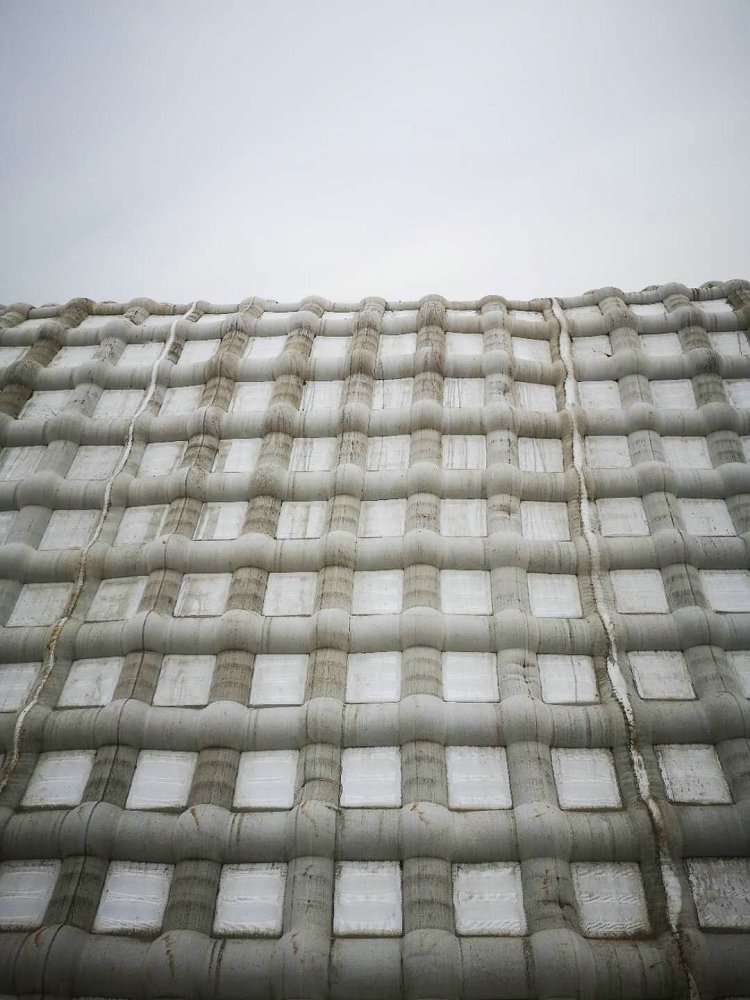
Achieving monumental durability necessitates uncompromising oversight at the batching facility. The aggregate composition relies on angular, hard-rock materials graded fiercely to isolate sub-par dolomitic limestone inclusions that would otherwise succumb to severe sulfate attacks. Substituting precisely 18.4% of standard Portland cement with Class F fly ash minimizes latent thermal cracking while dramatically elevating long-term monolithic compressive strength upwards of 41.5 MPa after standard 28-day curing intervals.
Specification Matrix: Structural Configuration Profiles
| Structural Configuration Profile | Design Void Ratio Threshold | Shear Tolerance (lb/ft²) | Optimal Geotechnical Application |
|---|---|---|---|
| Cabled Closed-Cell Matrix | < 0.9% | 24.8 | High-Velocity Dam Spillways |
| Open-Cell Ecological Lattice | 22.5% | 16.4 | Vegetated Riparian Corridors |
| Fabric-Formed Filter Point | 1.2% | 19.7 | Estuarine Tidal Mudflats |
The automated extrusion machinery calibrates high-frequency vibratory table oscillations to guarantee maximum atmospheric air extraction, yielding finished block densities consistently exceeding 2,245 kg/m³. Real-time humidity sensors positioned violently near the curing kilns ensure moisture levels never drop beneath a stringent 92.7% threshold. This prevents premature surface desiccation, which is the primary catalyst for micro-spalling during subsequent ice-flow impacts.
Quality Consistency Compliance and Accelerated ISO Testing
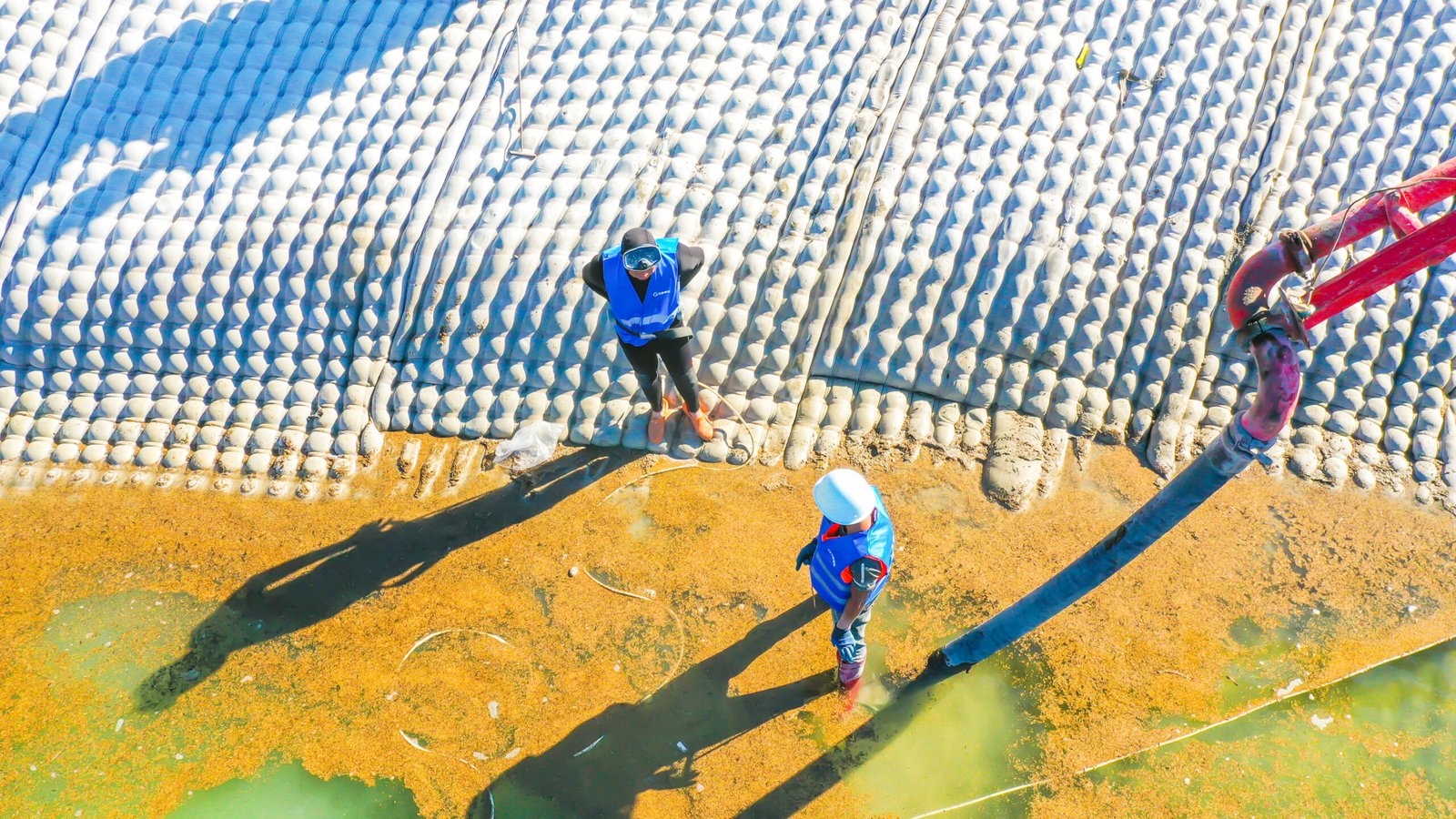
Validating extreme structural tolerances demands unforgiving destructive testing parameters. Prior to dispatch authorization, randomly sampled blocks face intensive crushing regimens that instantly identify anomalies in specific gravity or microscopic crystalline formations. The internal steel or polymer revetment cabling is subjected to axial load tension tests guaranteeing zero deformation or elastic yield failures before striking peak stress loads of 41.2 kN.
Accelerated weathering chambers simulate torturous cyclical temperature swings ranging from -35.6°C to +48.2°C, artificially inducing years of elemental exposure within abbreviated 72-hour windows. Products failing to maintain geometric stability—showing linear expansion or contraction variances above 0.04%—are rigorously rejected. This obsession with dimensional stability eliminates unpredictable stress fracturing in vast overlapping grid arrays once field installation commences.
Strict compliance reporting provides transparent carbon-footprint tracing, answering increasing B2B pressure to mitigate greenhouse gas emissions during heavy materials sourcing. Highly efficient gas-fired kiln technologies drop associated curing CO2 outputs by an average of 14.6%, directly enhancing the overall environmental scoring methodology prioritized in prevailing 2025 municipal bidding systems.
Analyzing OPEX Variables in Macro Hydraulic Bidding
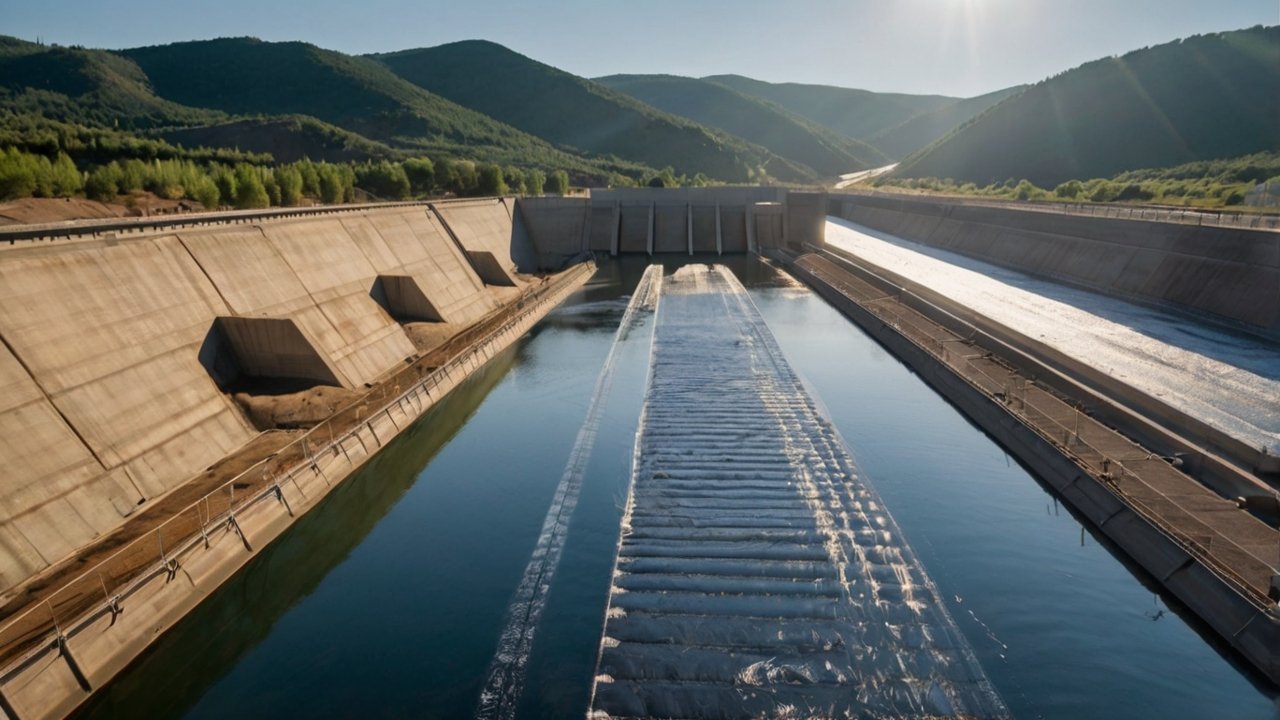
Financial forecasters deploying Life Cycle Cost Analysis (LCCA) models routinely reveal immense long-term economic superiority when selecting cabled engineered systems over bulk aggregate dumping. While initial material outlays appear comparatively heightened, streamlined mechanical deployment speeds substantially mitigate massive equipment mobilization fees and highly specialized marine labor costs. Contractors routinely observe on-site installation velocities tripling, severely reducing peak overhead burn rates.
Continuous maintenance expenditures—representing the volatile core of heavy infrastructure OPEX—plummet. Unlike traditional riprap requiring perpetual top-ups following heavy seasonal flooding, cabled interconnected matrices behave entirely monolithically. LCCA data confirms an aggregate savings projection averaging 31.4% per linear kilometer extended over strictly quantified thirty-year operational intervals.
Volume discounts secured during the pre-construction submittal phase further neutralize upfront fiscal shocks. Procurement divisions adept at establishing strategic vendor long-term supply pacts effectively lock down raw commodity prices, insulating their broader engineering portfolio from sudden cement indexing spikes or aggressive fuel surcharges generated during tumultuous global shipping seasons.
Fortifying Supply Chain Resiliency and Freight Logistics
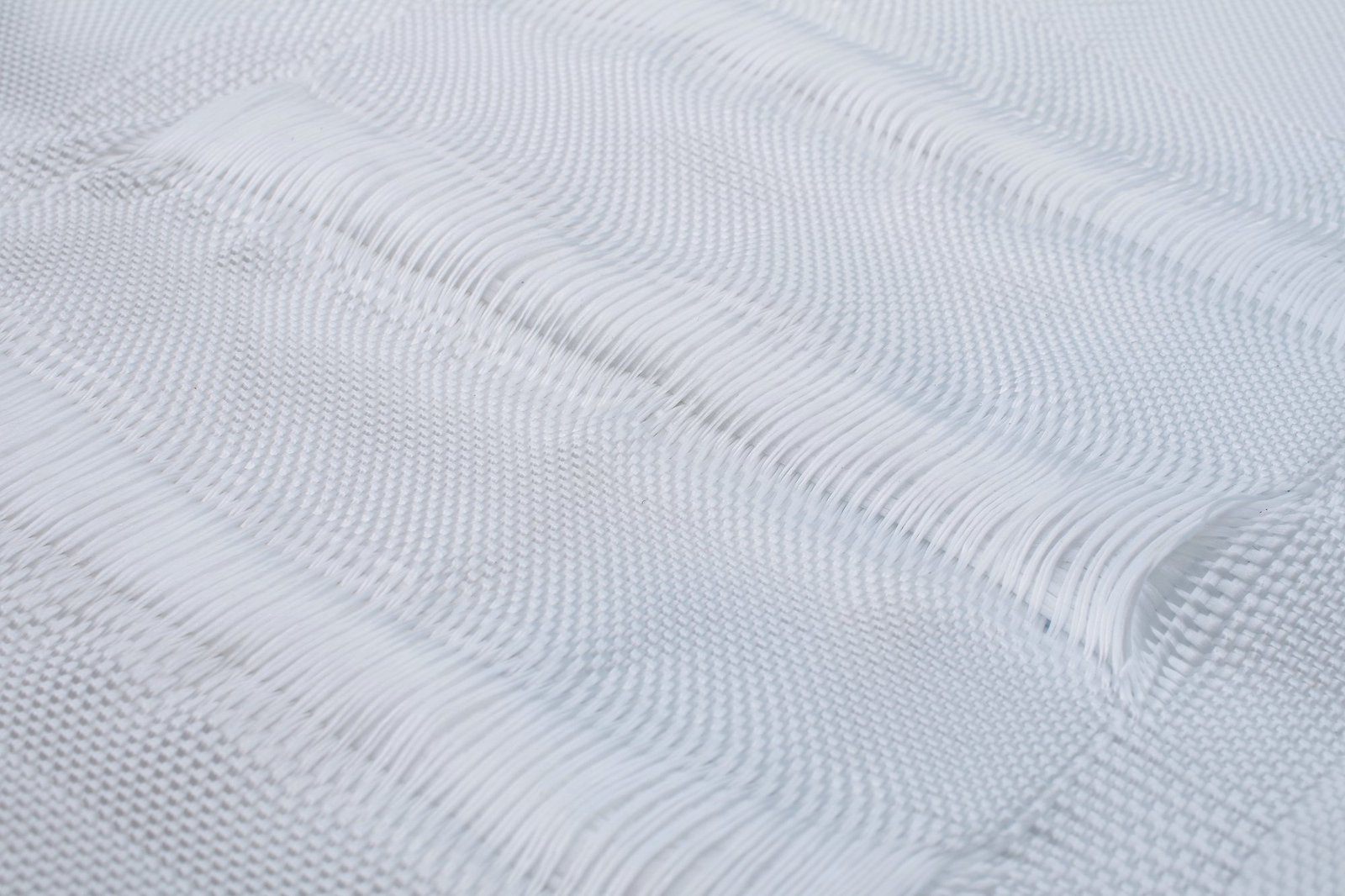
Executing macro projects containing strict governmental completion deadlines demands an exceptionally insulated supply network. The sourcing apparatus must navigate raw material volatility alongside restricted intermodal heavy-freight bottlenecks. Dedicated staging protocols require suppliers to manage vast curing yards, pre-fabricating up to twenty thousand square meters of palletized matrices to establish an unshakeable inventory buffer.
Synchronized dispatch logistics utilize heavily reinforced flatbed convoys timed seamlessly with active barge loading schedules. Delivering specialized over-dimensional concrete units directly to turbulent marine environments requires exacting transport choreography, ensuring that individual pallets arrive precisely as installation cranes sequence their designated grid sector. Dropping this synchronization results in massive, costly demurrage penalties.
Strict supply-side capacity audits remain the optimal defensive procurement strategy. Evaluating a manufacturer’s immediate access to bulk cement silos, internal rail spurs, and integrated port facilities prevents unpredictable project paralysis. Only vendor operations demonstrating entirely vertically integrated raw-material-to-finished-product lifecycles survive this rigorous vetting process.
Evaluating Engineered Solutions: The Vendor Landscape Bridge
Executing multi-million dollar hydraulic defense contracts requires an engineering partner possessing unassailable technical infrastructure. Vendor evaluation often highlights organizations that maintain absolute control over the production lifecycle.
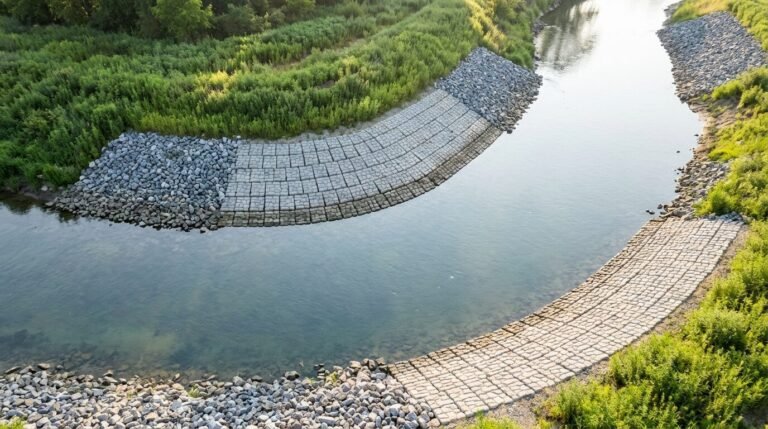
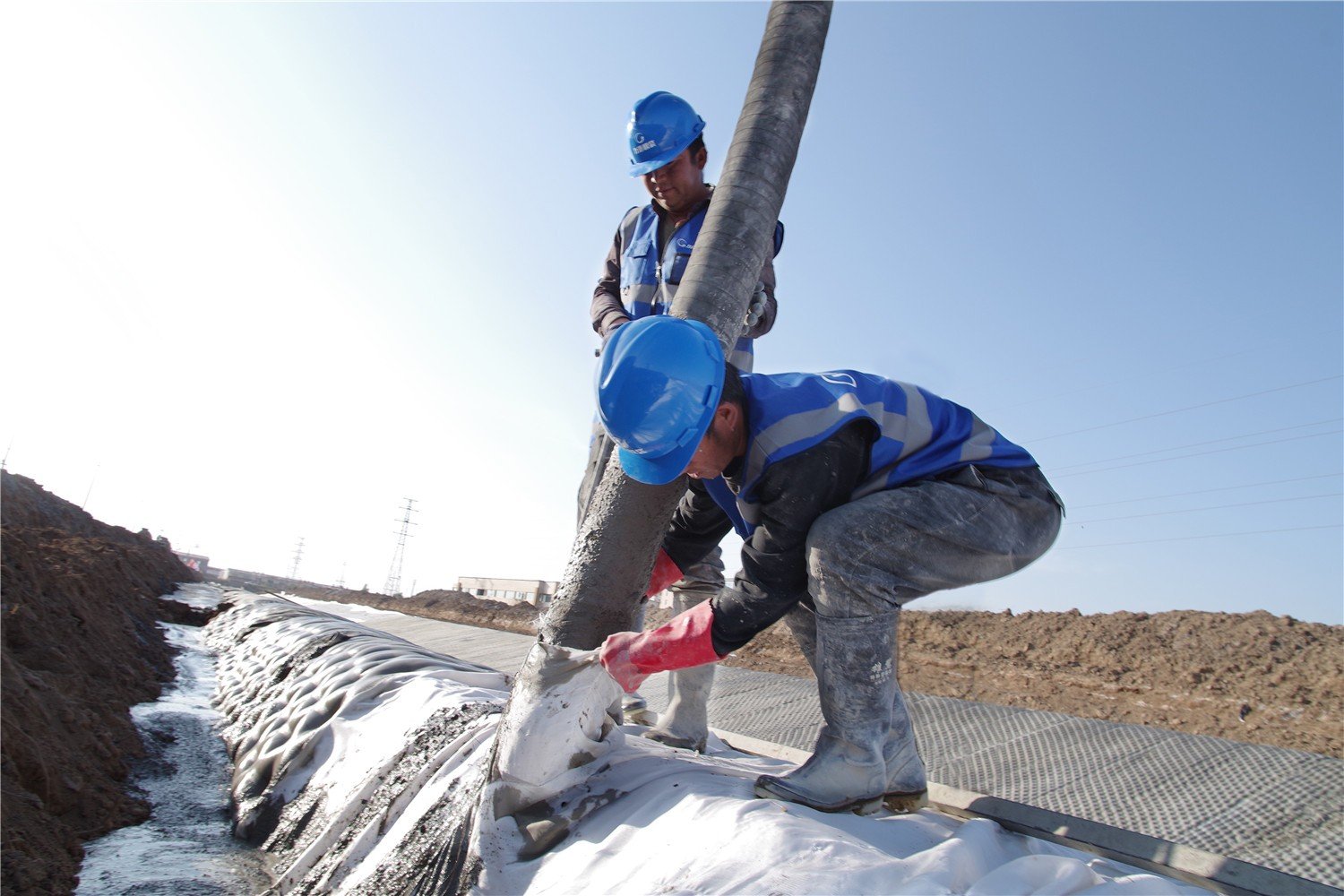
Advanced facilities orchestrate vast catalogs of interlocking designs, seamlessly deploying rigid filter point concrete mattress solutions alongside entirely customized poured matrices. This vast array of heavily vetted topologies gives procurement teams the targeted flexibility to fortify unique channel geometries heavily subjected to irregular scour actions. The inherent technical scaling capabilities directly convert into verifiable structural longevity across exposed coastal networks.
Where municipal ESG mandates heavily dictate procurement scores, engineered systems quickly align by providing ecologically integrated vegetated concrete mattress matrices that promote substantial marine biodiversity without sacrificing primary hydrodynamic shear resistance. Procurement precision lies purely in identifying when to spec articulated concrete slab mattress units based entirely on localized morphological site condition variables.
Frequently Asked Questions
Q: What are the typical lead times for industrial articulated concrete mattress procurement 2025?
Base procurement lead times for continental-scale hydraulic contracts currently average 45 to 60 days from final shop drawing approval to initial palletized delivery. Procurement officers must secure rigid production slots early, as unpredicted municipal supply chain congestion frequently spikes timeline delays by 14.2% across peak infrastructure development seasons. Advanced vendor communication directly counters freight bottlenecks.
Q: How does precise block spacing affect overall hydrodynamic shear resistance?
The specified gap distance strictly controls internal pore relief velocity rates, drastically altering overall structural shear resistance bounds. Geometries holding uniform 0.8% void ratios reliably neutralize sustained channel velocities surpassing 6.8 meters per second, effectively eliminating the massive catastrophic uplift forces that routinely dismantle poorly specified rigid riprap embankments.
Q: What defines the fundamental engineering difference between standard filter point structures and cabled block mattresses?
Filter point systems rely upon intricately woven synthetic dual-layer formworks pumped entirely on-site with high-slump fine-aggregate grout, molding distinctly to severe localized topographies. Conversely, cabled block systems are comprehensively pre-cast, heavily vibrated grids secured by internal marine-grade tendons that provide massive overlapping sheer mass and rapid modular, mechanized drop placements.
Q: What is the standard minimum order quantity (MOQ) concerning custom-cabled molding matrices?
Specialized engineering production runs utilizing deeply customized dimensional cables mandate a baseline minimum commitment spanning 2,500 square meters. These necessary thresholds validate massive initial operational CAPEX associated strictly with machinery recalibrations, proprietary extrusion plate tooling operations, and synchronized heavy multi-modal logistics handling procedures.
Strategic Trajectory for Extreme Hydraulic Armor Development
The uncompromising parameters dictating industrial armoring frameworks are structurally shifting how expansive municipal sectors view geotechnical longevity. Adopting deeply analyzed specifications—ranging from precise 0.38 w/c curing ratios heavily integrated alongside robust UV-resistant geotextile matrices—generates total stability within the harshest hydrodynamic corridors. As shifting climatic factors violently increase localized peak flow metrics, aligning strictly with these technical data points remains the exclusive pathway dictating unshakeable embankment infrastructure survival.
To definitively secure material validation and flawless capacity synchronization across forthcoming intensive embankment engineering deployments, Get a project-specific quote within 48 hours and permanently eliminate volatile sourcing risks impacting timeline trajectories.
Related Resources
- Articulated Concrete Mattress Systems — Product specifications
- HydroBase Project Case Studies — Completed projects
- Request a Quotation — Factory-direct pricing
Need a concrete mattress solution for your project?
HydroBase provides end-to-end concrete mattress engineering & installation services — from hydraulic design and factory-direct ACM supply to on-site supervision and post-project inspection. Trusted by civil engineers in 50+ countries.