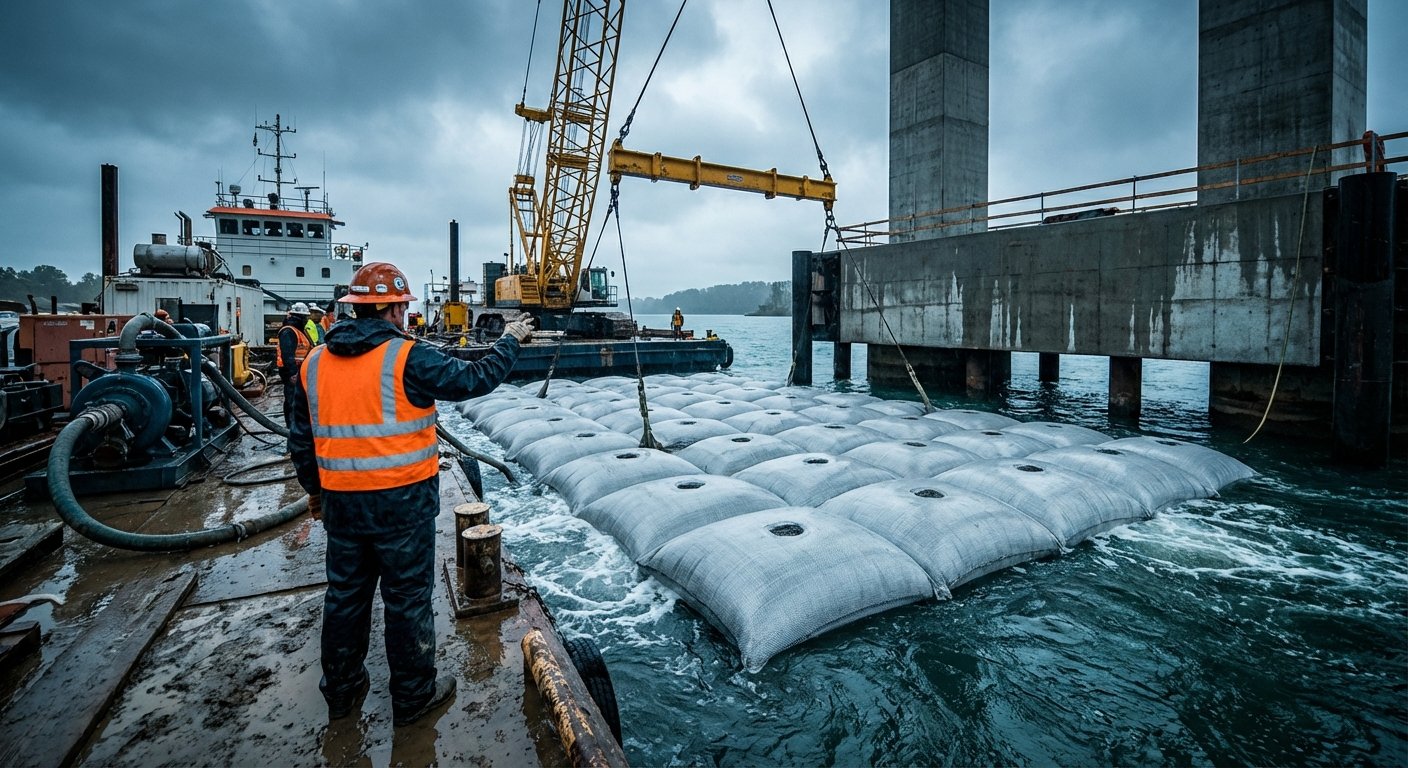
The Fluid Dynamics of Vessel Induced Scour
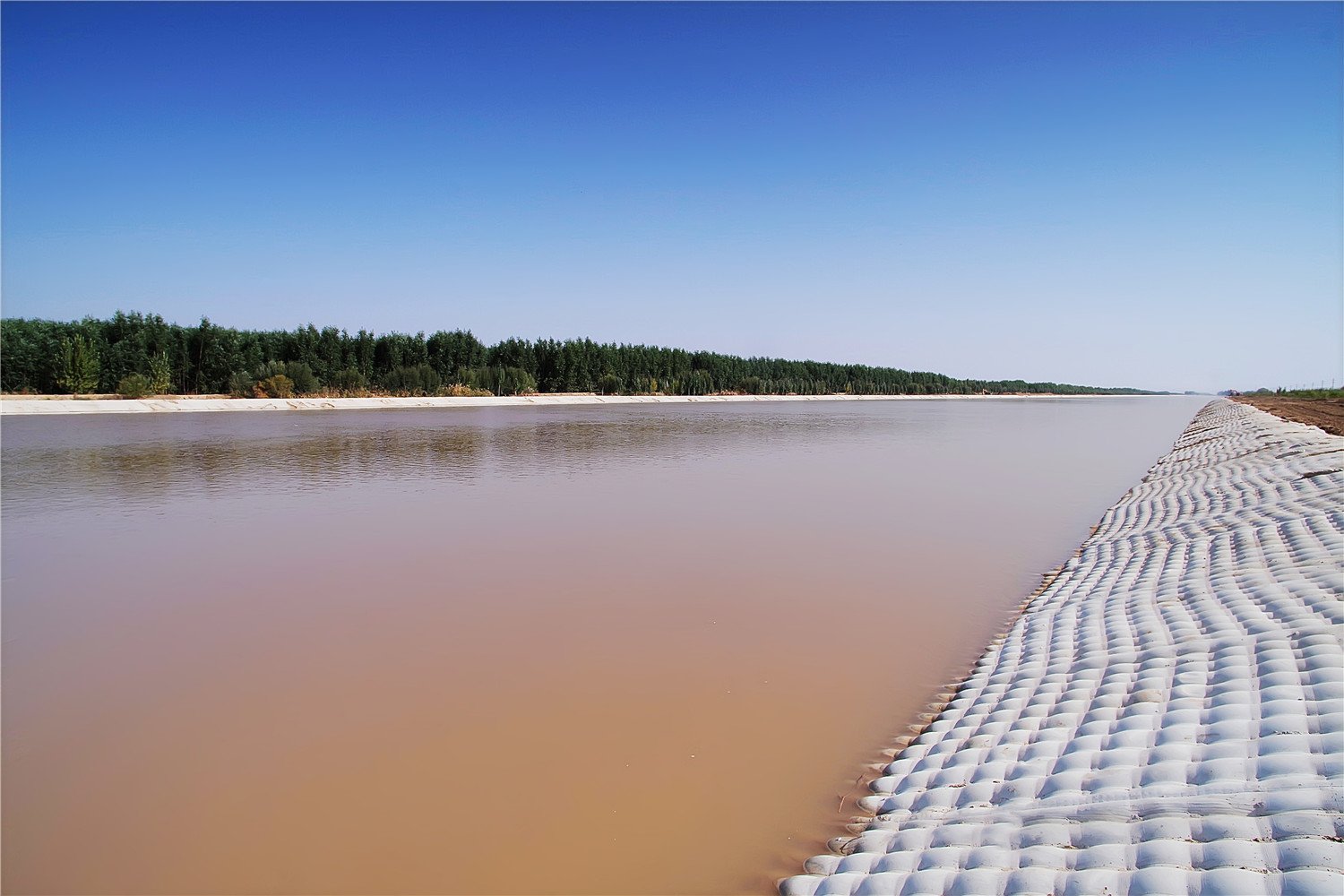
Water expelled from a modern ship thruster does not merely flow passively over the harbor bottom. Fast-moving currents attack the structural subgrade with a harsh scouring action that rapidly pulls fine sediments away from critical marine infrastructure. When evaluating modern hydrodynamics and protection measures for commercial ports, port engineers quickly realize that standard revetment sizing formulas completely break down under close-proximity propulsion zones. Bottom velocities adjacent to docking aprons can seamlessly exceed 4.8 m/s during routine maneuvering operations alone.
Vessels pivoting heavily off terminal walls generate highly focused, repetitive stress points that dig aggressively into the seabed. A standard rock blanket might look fine on paper for ambient tidal flows and minor wave actions. Throw a 5,000 HP tugboat thrust jet into the mix, and that exact same covering takes an absolute beating. Naval engineers must factor in peak bed shear stress exceeding 120 Pa during maximum thrust scenarios. Sustaining that massive localized force demands a monolithic, high-mass response rather than relying on loose interlocking aggregates.
Why Standard Revetments Fail Under Bow Thruster Loads
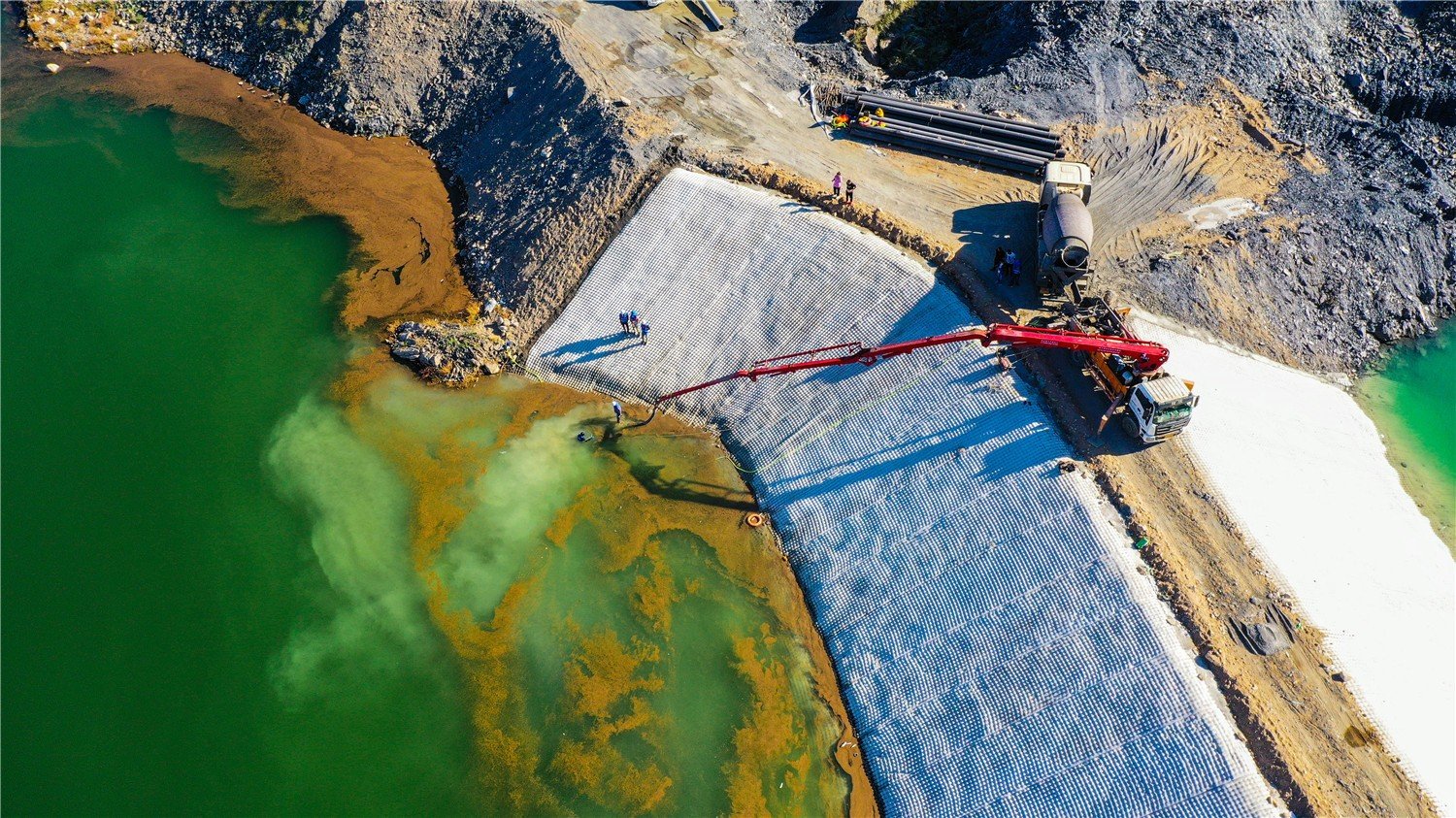
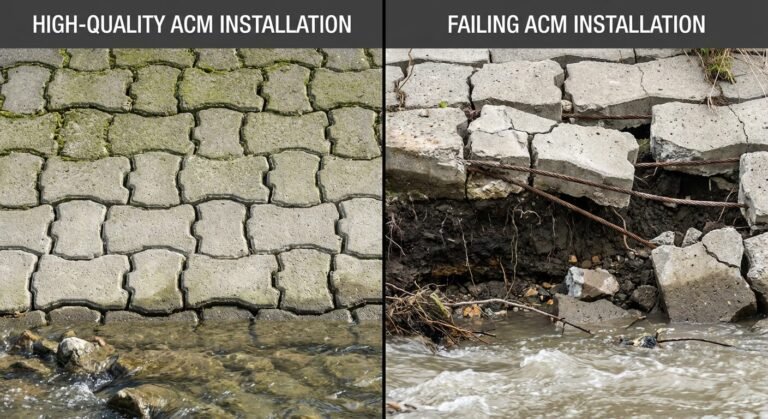
Using standard stone grading for protective riprap near a Ro-Ro ramp is usually asking for trouble. Ship wakes create a severe localized vacuum effect that forcefully plucks loose stones right out of their carefully placed interlocking matrix. Once a single 400kg critical toe stone rolls out of place, the entire supporting structure begins unraveling rapidly with subsequent vessel movements. Gabion baskets suffer similarly devastating failures when intense hydrodynamic vibration causes accelerated wire mesh fatigue over just a few short operational seasons.
Relying on heavily armored, cast-in-place rigid concrete slabs presents an entirely different logistical nightmare for marine contractors. Traditional rigid concrete slabs flatly cannot conform to complex seabed undulations without incurring massive underwater formwork costs and dangerous extended commercial diving operations. They almost universally lack sufficient built-in drainage capacity. Trapping high volumes of groundwater buildup tightly behind the sea wall often causes catastrophic structural blowout failures during extreme low tide events.
Engineering Fabric-Formed Uniform Section Mattresses
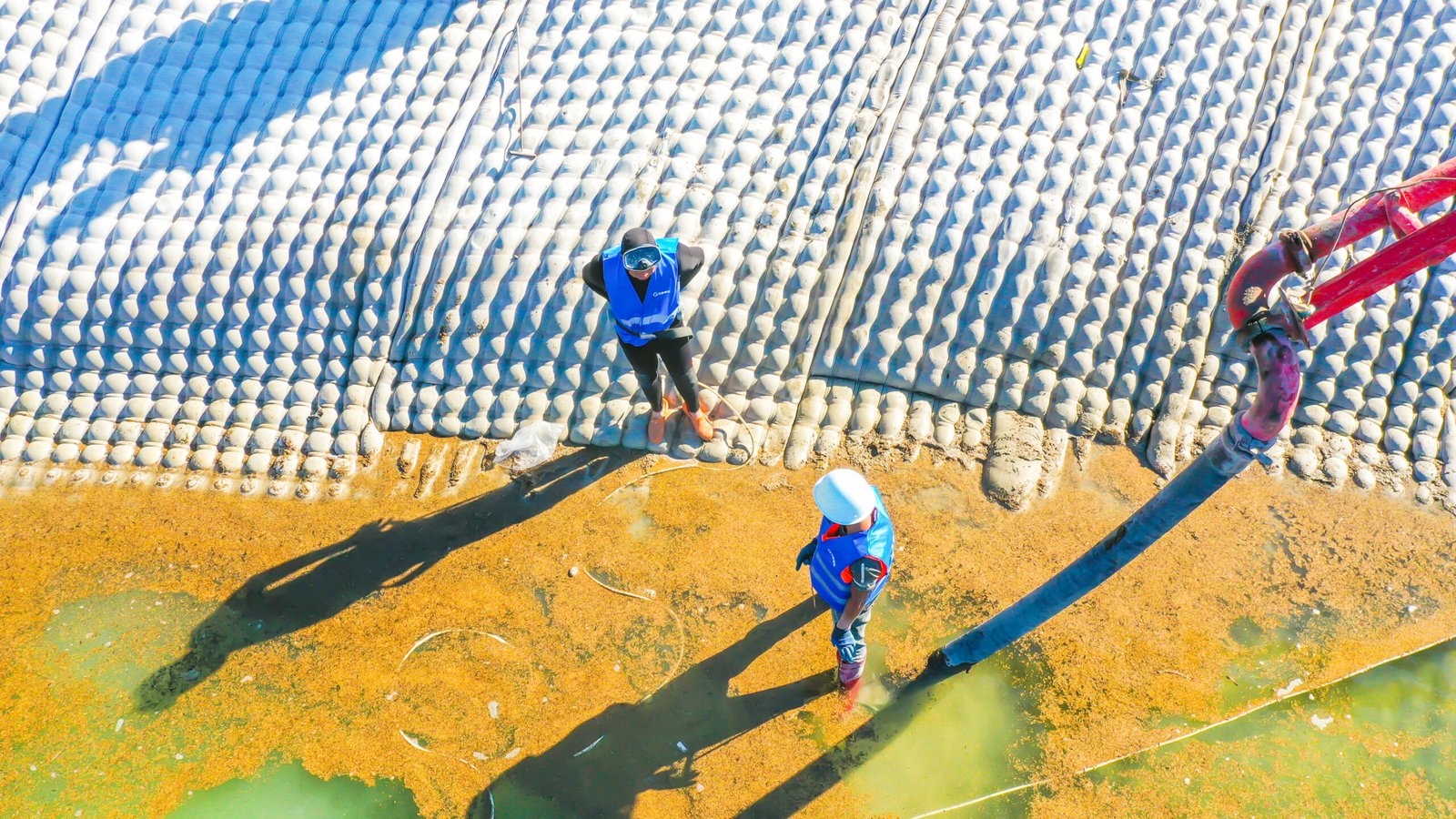
Solving this intense scouring energy requires marrying the sheer deadweight of a continuous concrete slab with the ultimate adaptability of geotextile containment. Uniform section variations of the Filter Point Concrete Mattress | Erosion Control intentionally trap high-strength flowable grout directly between two layers of woven synthetic industrial fabric. Because the flexible fabric casing acts as a permanent, conforming formwork, marine contractors can deploy it straight onto irregular underwater contours seamlessly.
Engineers typically specify a heavy-duty dual-layer woven nylon or polyester fabric boasting a minimum tensile strength exceeding 45 kN/m in both the machine and cross directions. During the high-pressure pumping phase, the fabric envelope inflates slowly to a highly controlled, uniform thickness. Planners often specify thicknesses between 150mm and 250mm strictly depending on the required vessel-induced scour protection density thresholds required for that specific dock.
Balancing Impermeability with Groundwater Relief
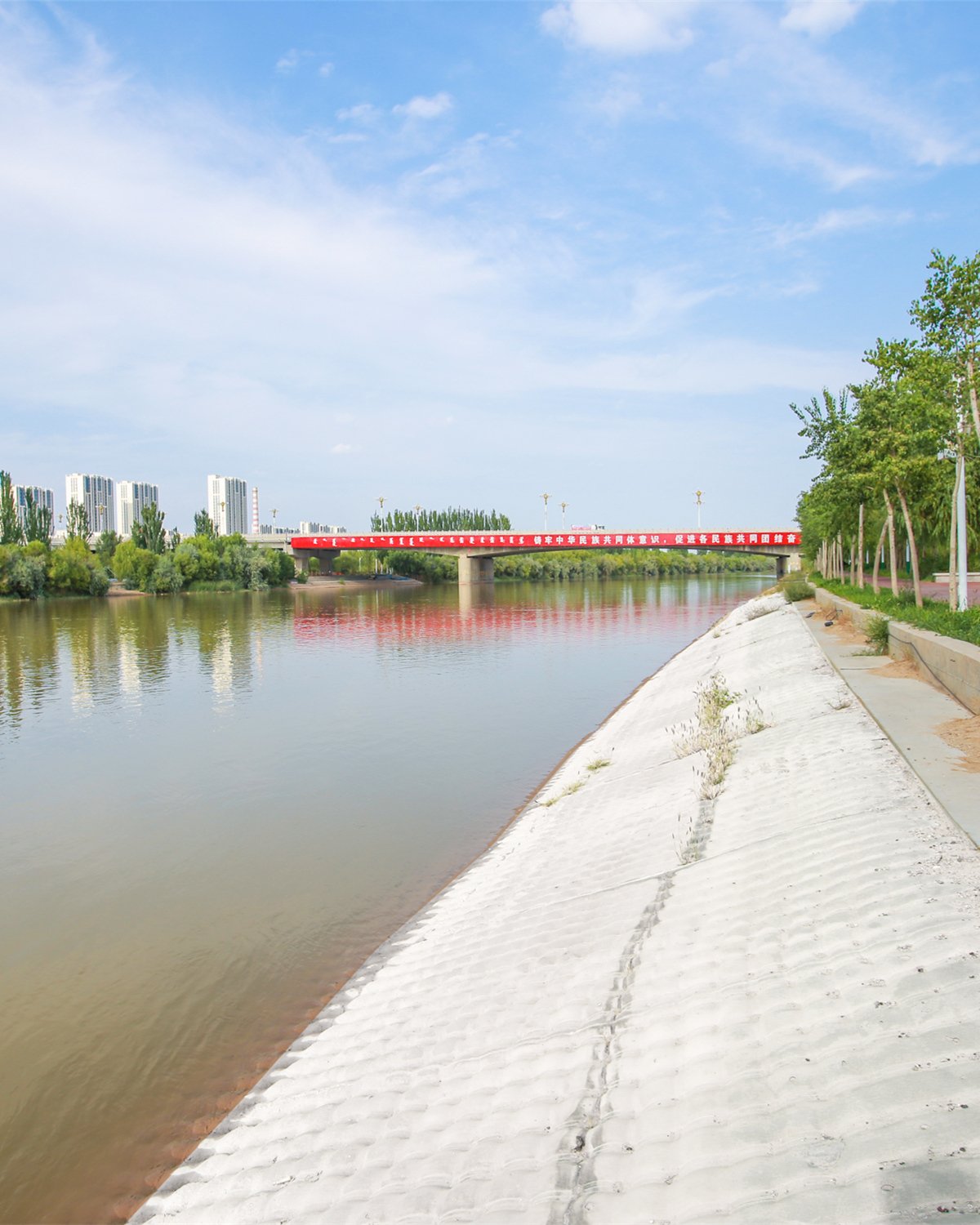
Pouring a solid sheet of impermeable micro-concrete underwater instantly traps immense hydrostatic pressure underneath. Built-in filter points spaced at precise intervals—typically engineered at 150mm to 200mm center-to-center—act as crucial physiological relief valves. Those entirely unpumped fabric islands permit trapped groundwater to safely escape from the subsoil directly into the open water column.
Retaining an adequate permeability coefficient around 1.5 x 10^-3 cm/s actively prevents established uplift pressure resistance limits from ever being disastrously breached. Achieving proper flow rates without losing fine sand requires highly engineered woven jackets that perform as completely true soil filters. Successful erosion control measures in bustling commercial ports hinge entirely on sustaining this delicate balance between holding the heavy earth back securely and letting the internal water bleed through continuously.
Subgrade Protection and Seam Peel Strength Criticals
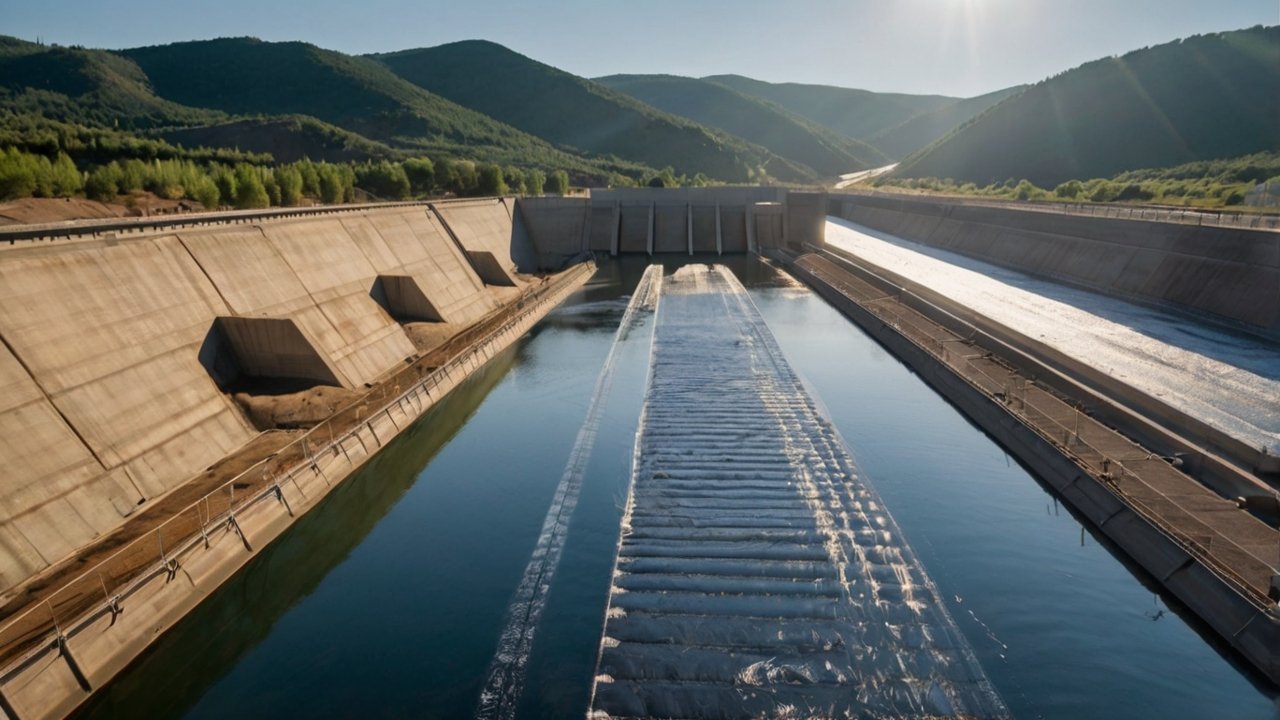
Before the very first pump hose hits the water, the seabed requires precise grading logic and sometimes a secondary non-woven geotextile backing layer. Subpar subgrade preparation severely creates dangerous hidden voids that even a highly fluid micro-concrete mix cannot bridge over effectively. Proper continuous contact ensures the hardened finished mat distributes massive point loads uniformly across the weaker sandy or silty bottom soils beneath.
Industrial factory stitching plays a surprisingly massive role in the overall survivability profile before the grout ever cures. Pumping dense micro-concrete at high volume continuously pushes the fabric envelope strongly to its absolute bursting limits. Strict technical specifications must explicitly verify a minimum seam peel strength of ≥8.5 kN/m to definitively guarantee the woven panels do not rupture mid-installation.
Managing High-Velocity Bottom Shear Stresses
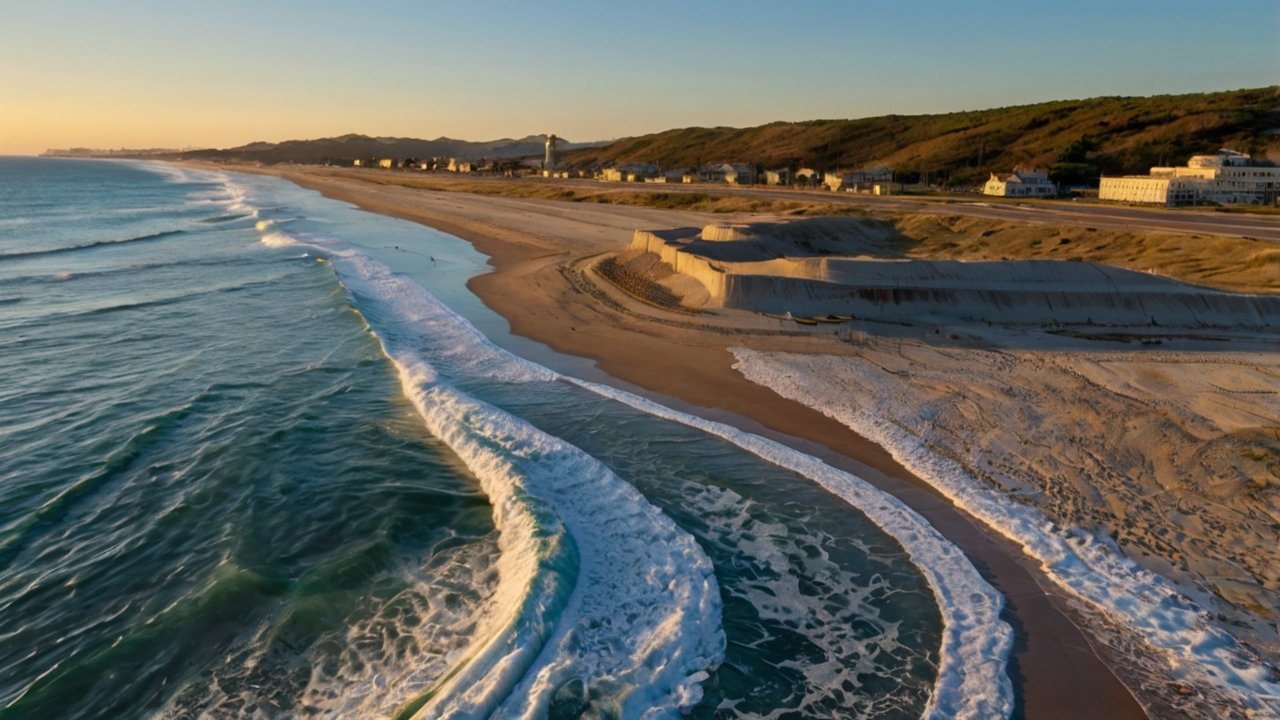
When a massive vehicular ferry engages its main propulsion to forcefully pull away from a berth, the resulting powerful wake immediately digs a deep hole right at the apron toe line. Uniform section fabrics aggressively form a continuous armored blanket that eliminates the blunt leading edges where hydrodynamic drag normally initiates structural failure. Creating smooth, largely undulating surfaces effectively generates a significantly lower hydraulic roughness coefficient across the target zone.
Rigorous civil engineering texts outlining correct design, construction, and testing guidelines confirm that tightly interlocking systems handle sheer stresses well, but monolithic fabric-formed mats completely eliminate the terrifying risk of block extraction. When 100% of the seabed surface is perfectly covered by a 200mm thick (approximately 450 kg/m²) continuous mass, chaotic turbulent flow absolutely cannot grab hold of individual armoring components.
Specifying Filter Point Concrete Mattress Systems
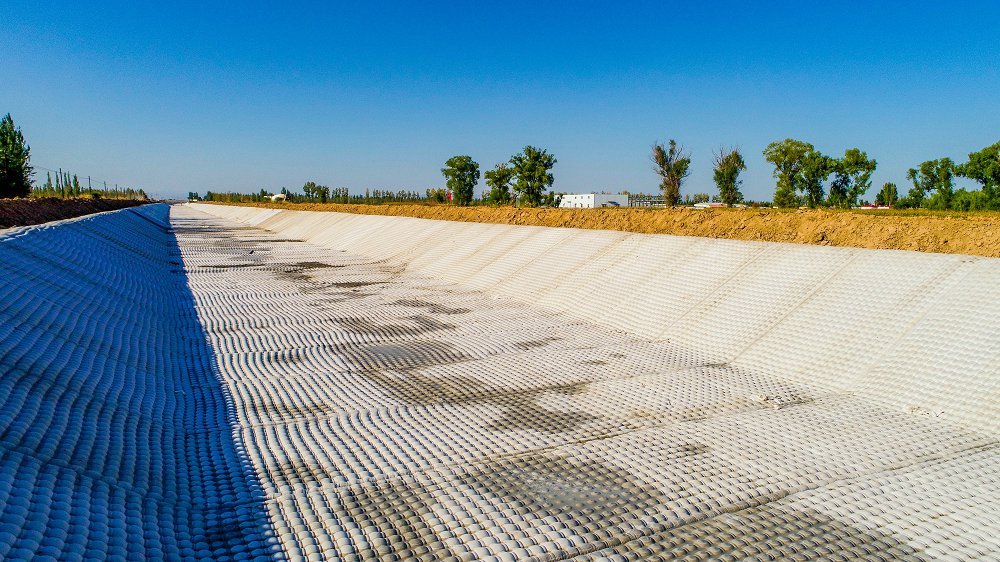
Selecting the right industrial manufacturer heavily dictates exactly how well the geotextile formwork mechanically performs during the chaotic underwater pouring phase. Reliable, experienced vendors readily provide tailor-made fabric sections comprehensively pre-sewn to fit the exact terminal bathymetry required. For example, HydroBase precisely engineers custom filter point manufacturing layouts that directly address specific bow thruster erosion control parameters for incredibly heavy industrial ports.
Commercial vessel maneuvering areas naturally demand exceptionally strict quality control over both the woven fabric integrity and the grout injection sequence. Accurately evaluating top-tier manufacturing partners requires smartly looking past basic material marketing sheets to fully understand their real-world ability to actively support complex underwater pours.
Prop-Wash Scour Armor Selection Criteria
| Evaluation Metric | Basic Standard | High-Thrust Port Requirement |
|---|---|---|
| Finished Mat Thickness | 100mm | 200mm – 300mm |
| Woven Fabric Tensile Strength | 30 kN/m | ≥50 kN/m (MD/CD minimum) |
| Factory Seam Peel Strength | 5.0 kN/m | ≥8.5 kN/m |
| In-situ Permeability Coefficient | 1.0 x 10^-4 cm/s | >1.5 x 10^-3 cm/s |
| Engineered Filter Point Spacing | Random / Core Slit | 150mm – 200mm C/C Grids |
| Pumped Concrete Grade | Standard C25 | Flowable Micro-concrete C30/C35 |
Port Revetment Concrete Armoring Protocols

Executing a flawless marine installation smoothly always comes firmly down to precise pumping logistics and highly synced diver coordination. Pumping high-slump fine-aggregate micro-concrete directly through submerged complex fabric forms is virtually an art form itself. Mix designs must reliably flow easily through long lines clearly but sternly resist cement washout when pumped distances aggressively exceed 150 meters from the shoreline batch plant.
Experienced commercial contractors often lean heavily on a detailed Field Ops: Mastering Filter Point Concrete Mattress Pumping operational sequence to strictly avert weak cold joints forming. The dedicated hose operator intentionally starts at the very lowest elevation point, steadily filling every single connected fabric pocket while methodically moving upward. HydroBase brilliantly customizes their standard injection ports with heavy reinforced sleeves to firmly lock the pump hose securely in place, powerfully preventing accidental blowouts completely blind in zero-visibility harbor conditions.
Extending Protection to Culvert and Terminal Edges
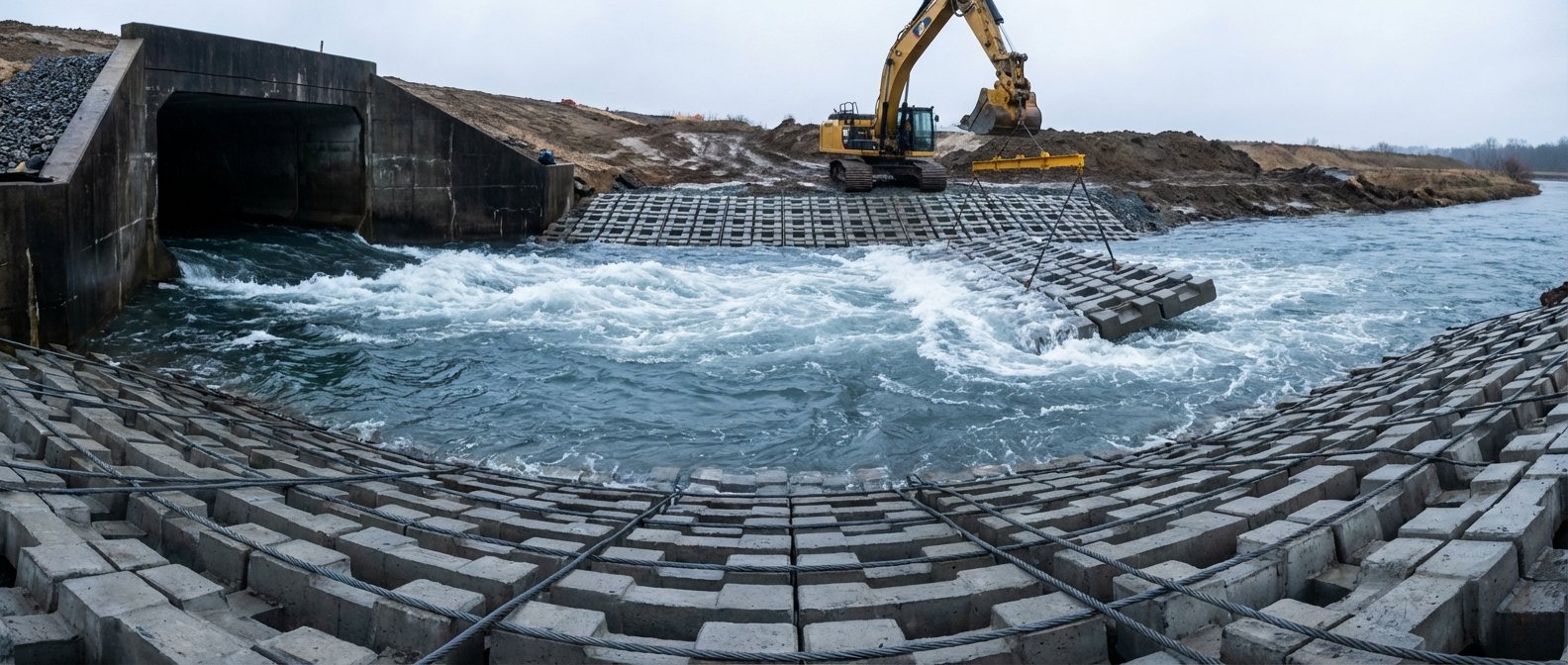
Severe prop scour does not exclusively chew up the vast main navigation channel; it silently destroys the vulnerable transitions right where vertical terminal walls meet natural grades. Unrelenting underwater surges from massive ship thrusters will aggressively relentlessly hunt out any unprotected minor seam inside the bulkhead structure. Terminating the continuous heavy fabric mat safely requires firmly locking the loose fabric edges tightly down by rapidly trenching them securely into the harsh subgrade by at least one full meter.
Tide-exposed port layouts routinely feature embedded drainage pipes brazenly discharging directly into the chaotic thruster zone. Thoughtfully combining a continuous submerged filter point system seamlessly alongside vital Culvert Outfall Scour Protection: The Complete ACM Guide parameters ensures highly complex geometric zones are fully armored against both stormy stormwater discharge and unpredictable intense vessel thrust.
Long-Term Maintenance of Ferry Terminal Seabed Stabilization
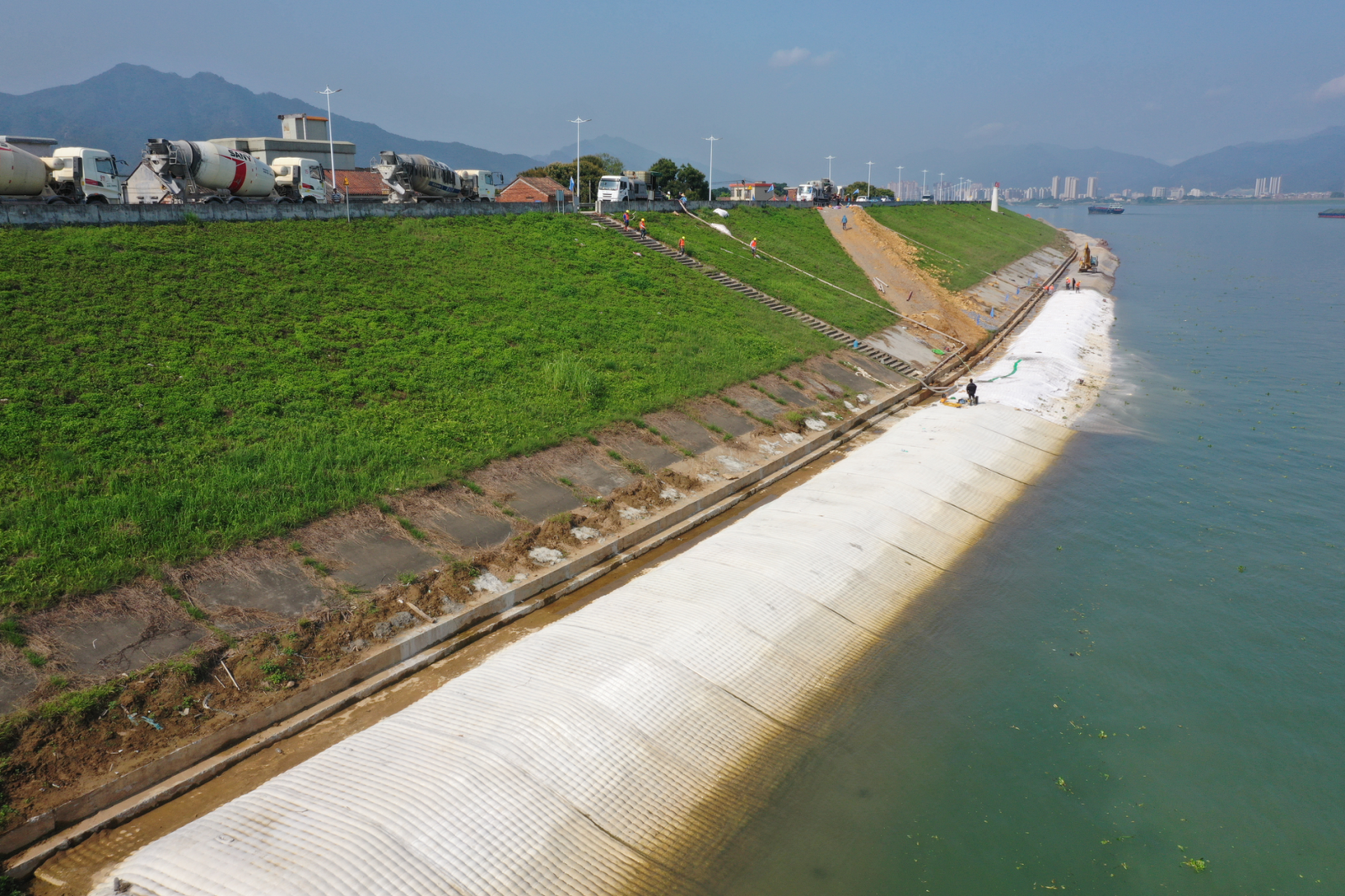
Commercial asset managers invariably breathe a massive sigh of relief firmly when a rigid-yet-permeable mattress system finally cures hard. Unlike loose shifting riprap that eternally requires scheduled periodic sonar bathymetry scans and wildly costly stone top-ups practically every single year, a properly poured uniform section mat operates functionally as a purely “set and forget” core infrastructure component. There are absolutely zero loose tumbling pieces for wayward heavy anchor chains to violently drag away.
Utilizing robust HydroBase fabric-form stabilization systems means routine maritime inspections mostly just involve swiftly checking the protective perimeter anchor trenches for unexpected adjacent soft-bottom scouring signs. The primary armored monolithic body comfortably, effortlessly withstands long decades of punishing daily vehicular ferry dockings largely without experiencing measurable structural surface degradation.
Frequently Asked Questions
Q: How does a filter point concrete mattress handle extreme hydrostatic uplift?
The highly engineered system directly relies on totally unpumped woven fabric nodes smartly spaced tightly together to function dynamically as automated pressure relief valves. These precisely placed filter points constantly allow trapped groundwater to freely pass right through the dense concrete layer while concurrently retaining microscopic subsoil particles securely in place. Maintaining a rigorous system permeability coefficient mathematically guarantees internal water pressure naturally expelled from fast receding tides absolutely never physically lifts the massive heavy cementitious blanket violently off the deep seabed. As our lead craftsman always says, “You can feel when the concrete mattress is right.”
Q: What is the typical operational lead time for custom port terminal mattress orders?
Standard automated production for massive commercial port-level fabric volumes generally takes cleanly between 15 to 30 continuous business days strictly following final technical shop drawing approval. Because highly complex multi-ramp Ro-Ro terminal layouts rigorously require totally customized panel geometries and incredibly specific factory seam locations, final manufacturing schedules fundamentally depend heavily upon initially obtaining razor-accurate underwater bathymetric survey baseline data.
Q: What is the core difference between an articulated concrete block and pumped uniform section fabric?
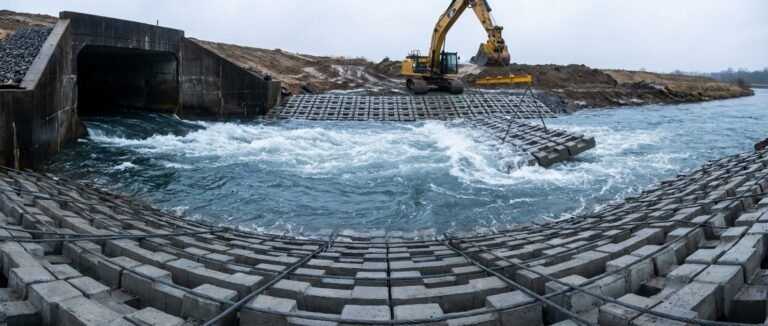
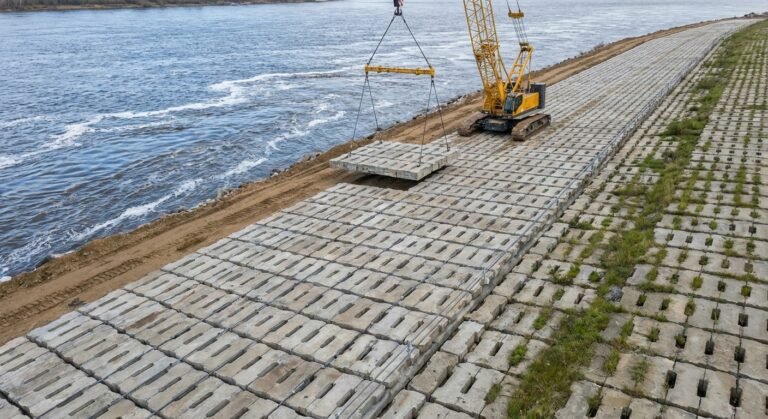
Heavy precast articulated block mats functionally consist of individual solid concrete pieces physically linked endlessly by specialized high-strength steel or polymer cables, whereas flexible uniform section fabric systems genuinely involve pumping liquid concrete strictly on-site directly inside an empty dual-layer sewn geotextile envelope. Fluid fabric-formed technical solutions dynamically conform utterly perfectly to deeply highly irregular jagged underwater harbor slopes.
Q: Can this heavily armored mattress type resist aggressive commercial anchor dragging?
Thick continuous fabric-formed monolithic concrete heavily provides genuinely excellent deflection resistance highly uniformly across its entire poured surface, though logically no underwater system survives completely completely immune to severe blunt heavy commercial anchors. The impressively continuous 200mm to 300mm slick poured concrete slab inherently drastically heavily reduces dangerous potential point catch points incredibly significantly compared to totally individual loose marine rocks or standard precast blocks.
Protecting vital highly active berthing structures fundamentally requires bravely confronting the harsh chaotic reality of incredibly concentrated maritime hydrodynamic forces forcefully head-on. Continuing to rely stubbornly entirely upon loose unbonded rock covers under deeply intense repetitive ship propeller wash functionally constitutes a massively wildly expensive endless exercise in sheer futility. By intelligently adapting smartly highly engineered, structurally robust uniform section fabric formworks, marine structural engineers successfully quickly achieve a reliably continuous protective monolithic armor clearly fully capable of confidently shrugging off violent extreme peak bottom velocities entirely without ever sacrificing fundamentally vital ongoing groundwater relief pressure.
Intelligently carefully strategically choosing the technically correct filter point hydraulic spacing, strictly relentlessly verifying necessary extreme factory seam peel strength minimums, and meticulously executing a brilliantly flawless continuous underwater grout pour successfully transforms painfully vulnerable deep port mudlines firmly into incredibly highly permanent resilient concrete marine infrastructure.
To formally efficiently strictly evaluate totally exact engineering specifications tailored seamlessly perfectly for intensely upgrading securely your next tough port terminal expansion, immediately proudly formally request a free technical consultation and review the detailed Filter Point Concrete Mattress | Erosion Control engineering data sheet today.
Related Resources
- Filter Point Concrete Mattress Systems — Marine scour protection
- Articulated Concrete Mattress Systems — ACM product range
- Culvert Outfall Scour Protection Guide — Related scour guide
Need a concrete mattress solution for your project?
HydroBase provides end-to-end concrete mattress engineering & installation services — from hydraulic design and factory-direct ACM supply to on-site supervision and post-project inspection. Trusted by civil engineers in 50+ countries.