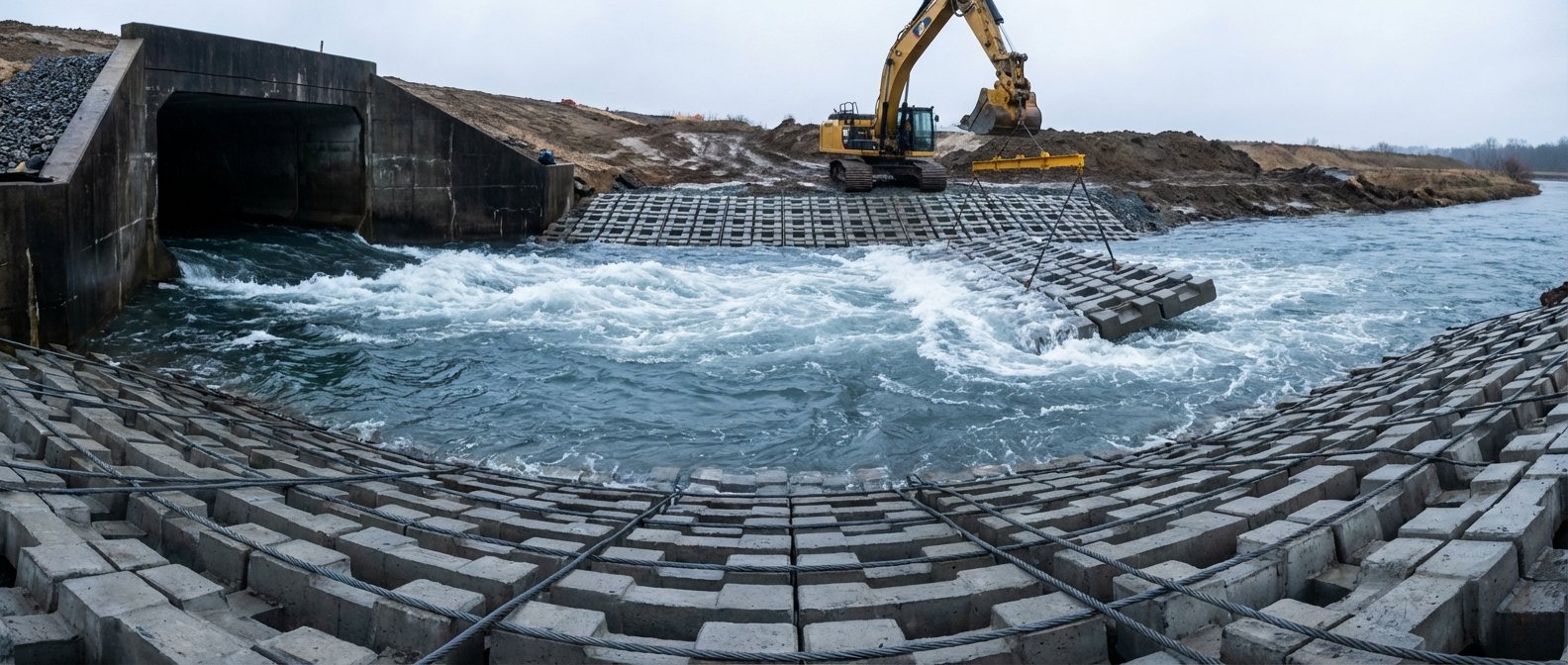
Water discharging from a culvert creates severe hydrodynamic forces that violently attack the transition point between the pipe and the receiving channel. Plunge pools deepen, embankments slough, and structural undermining becomes a mathematical certainty when infrastructure lacks appropriate continuous hard armor. Spending over 10 years engineering these specific hydraulic transitions and analyzing scour failures across hundreds of infrastructural projects has shown me exactly why traditional stabilization methods repeatedly wash out. Designing robust culvert outfall scour protection articulated concrete mattress systems requires moving beyond outdated rock scatter mentality into precise, engineered load dispersion.
Relying on loose riprap for high-velocity outfalls often results in catastrophic soil loss beneath the armor layer, leading to expensive retrofits. Rigid cast-in-place concrete aprons inevitably crack under differential settlement, creating piping pathways for groundwater that destroy the subgrade. Modern infrastructure demands a flexible, interlocking framework that maintains intimate subgrade contact while resisting concentrated jet flow. Articulated concrete blocks joined by embedded cables deliver exact hydraulic roughness and shear resistance without sacrificing ecological permeability. This guide dissects the hydrodynamic realities of pipe outfalls and explains exactly how to specify heavily engineered flexible concrete systems to eliminate aggressive structural erosion.
The Mechanics of Outfall Scour and Structural Undermining
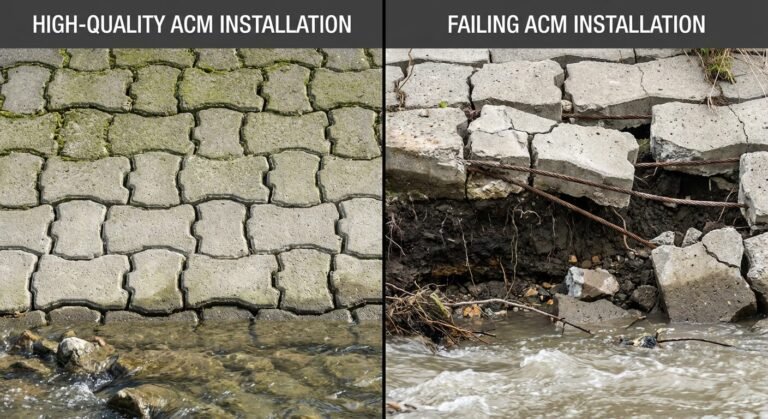
Stormwater forced through a confined circular pipe exits with concentrated energy that violently interacts with stationary bed material. Hydraulic jump turbulence at this exact transition creates extreme shear stress localized in a remarkably small footprint. Turbulent eddies excavate native soil particle by particle, effectively digging a plunge pool that migrates upstream toward the concrete headwall.
Subgrade erosion accelerates when the protective surface layer lacks internal cohesion. Water penetrates the gaps in loose rock arrays, pulling fine soils directly into the water column. Municipal environmental agencies strictly mandate reducing the resuspension of soils during heavy rain events, making zero-migration subgrade protection mandatory for compliance.
Velocity spikes easily dislodge individual stones resting at the pipe apron. Once a single rock rolls downstream, the localized channel geometry changes instantly. Flow vectors dive into the newly created void, exponentially increasing the excavation rate around adjacent stones until the entire apron unravels.
Mitigating this failure requires an armor layer that behaves as a unified monolithic structure while retaining enough flexibility to contour to minor bed shifts. Linked concrete blocks shift slightly under settlement but cannot be swept away individually because the entire mattress matrix shares the hydraulic load. As our lead craftsman always says, “You can feel when the concrete mattress is right.”
Engineering the Transition: Why Riprap Scatters
Calculations for stone sizing often underestimate the specific severity of wall-zone turbulence immediately exiting a box or circular culvert. Engineers specify heavy riprap hoping gravity alone will resist a 4.5 m/s localized jet velocity. Water acts like a pry bar against the leading edges of irregular stones, lifting and rolling them during peak flash flood conditions.
Interstitial flow passing between large boulders creates an invisible vacuum effect on the underlying soil. Even with a standard non-woven filter fabric beneath the rock, the physical weight of shifting boulders frequently punctures the textile layer. You are practically shooting yourselves in the foot if you ignore the interaction between rigid rock edges and delicate filtration fabrics during high-flow events.
Replacing scattered rock with a cabled block framework fundamentally changes the calculus of erosion protection. The uniform surface of an articulated mattress reduces chaotic flow deflection, cleanly sweeping water over the top rather than driving it downward into the subgrade. A predictable hydraulic roughness coefficient allows engineers to calculate exact energy dissipation rates across the entire length of the stabilization apron.
Failing to properly address these turbulent zones leads inevitably to the high cost of procurement failures where replacement costs dwarf initial capital expenditures. Infrastructure owners cannot afford to repeatedly rebuild outfall aprons every time a ten-year storm breaches historical flow levels.
Core Technical Specifications for High-Velocity Discharges

Protecting a critical outfall demands precise material tolerances that eliminate guesswork on the job site. The foundational parameter is block thickness, which typically ranges from 150mm to 225mm for aggressive discharge zones. Specifying a block depth directly correlates to the unit weight of the mattress, which must frequently exceed 320 kg/m² to resist the highest uplift forces.
Concrete quality dictates long-term survival in saturated, abrasive environments. Systems must utilize a C30/C35 concrete grade to ensure immense compressive strength and protect against freeze-thaw degradation. High-density block casting ensures the matrix remains impervious to chemical weathering from polluted stormwater runoff.
Properly engineered concrete mattresses can withstand scour velocity resistance up to 6.5 m/s, far exceeding the capability of standard vegetative or loose-laid alternatives. Comprehensive drainage system design guidelines emphasize that calculating scour protection requires analyzing both velocity and shear stress to prevent complete washouts at the critical wall zone.
Hinge joints formed by heavy-duty synthetic or stainless-steel cabling provide the tension required to hold the matrix together. The internal revetment cable breaking strength must register at ≥37kN to ensure the blocks do not separate when conforming to plunging contours.
Geotextile Filtration and Subgrade Stability
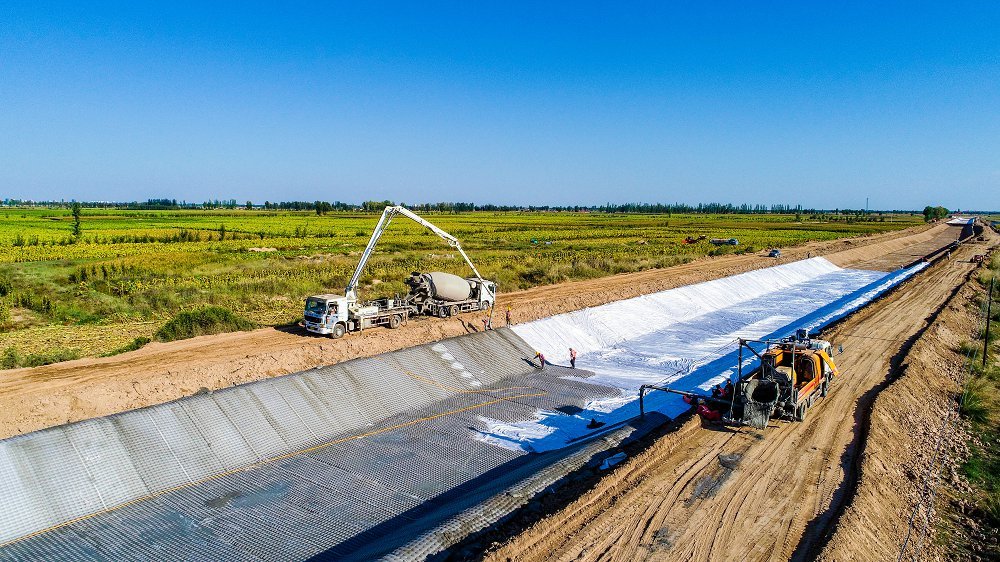
The concrete blocks perform the heavy lifting against physical impact, but the underlying woven geotextile fabric actually stops soil migration. Engineers must pair the concrete layer with a textile featuring a tensile strength of ≥50kN/m to resist tearing during installation and subsequent bed shifting.
Permeability coefficients within this textile layer govern how quickly groundwater can relieve hydrostatic pressure from behind the embankment. Water trapped beneath an impermeable layer will eventually blow out the armor from below. The specific open-cell design of the blocks, often engineered with a 15% open area ratio, aligns with the fabric pores to allow rapid drainage.
Regulatory assessments for major utility crossings explicitly require engineered protection for stormwater pipe outfalls to maintain strict environmental compliance. Maintaining subgrade integrity prevents massive sediment plumes from violating downstream water quality standards during flash accumulation.
When native soil contains high percentages of silt or clay, geogrids are occasionally layered with the non-woven textile. This composite subbase ensures that even micro-vibrations from turbulent discharge do not liquefy the immediately adjacent soil structure.
Designing the Apron and Toe Trenches
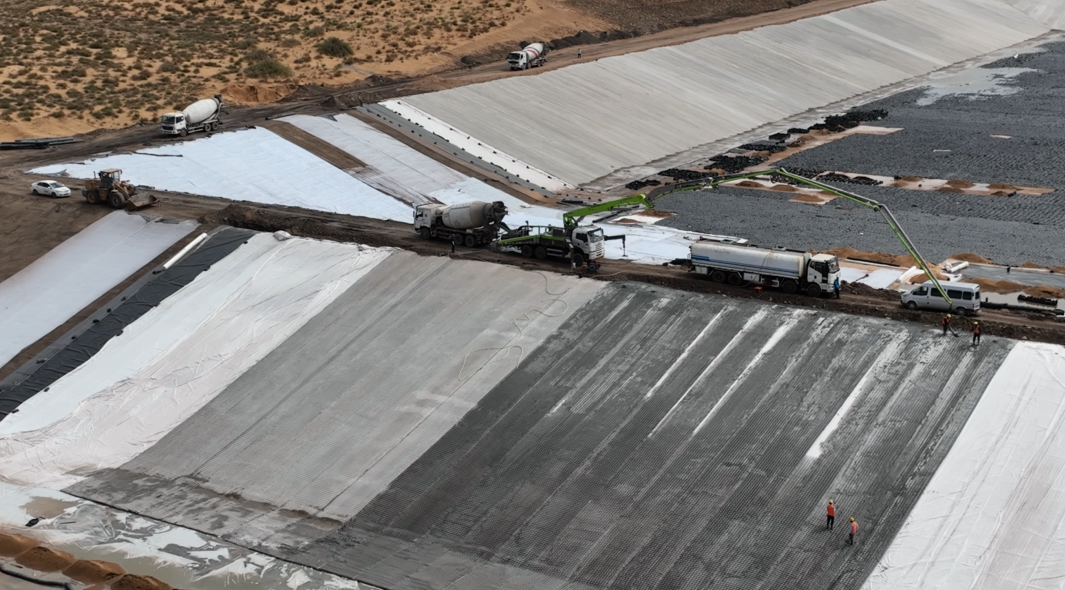
Geometry plays a massive role in whether an impact structure survives its first major storm. Discharge aprons must flare outward from the pipe exit, typically expanding at a 3:1 or 4:1 ratio to match the natural expansion of the hydraulic jet.
Ending the mattress directly on the flat channel bottom invites disaster. The leading downstream edge must terminate in a meticulously excavated toe trench. Dropping the leading edge of the mattress 600mm to 900mm beneath the anticipated scour depth anchors the entire structure, preventing eddy currents from peeling the armor backward.
Side slope trenches are equally critical. Flanking occurs when floodwaters overtop the main channel and bite into the unprotected dirt beside the concrete blocks. Keying the lateral edges of the mattress deep into the embankment creates a closed system that cannot be bypassed by rising water levels.
Analyzing Flexible Formwork vs. Precast Panels
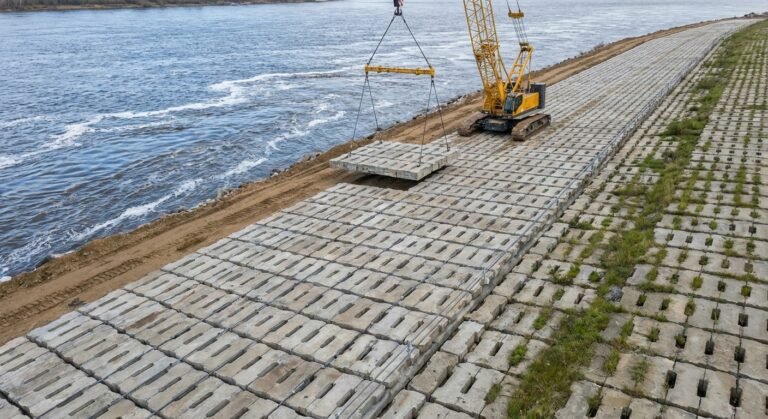
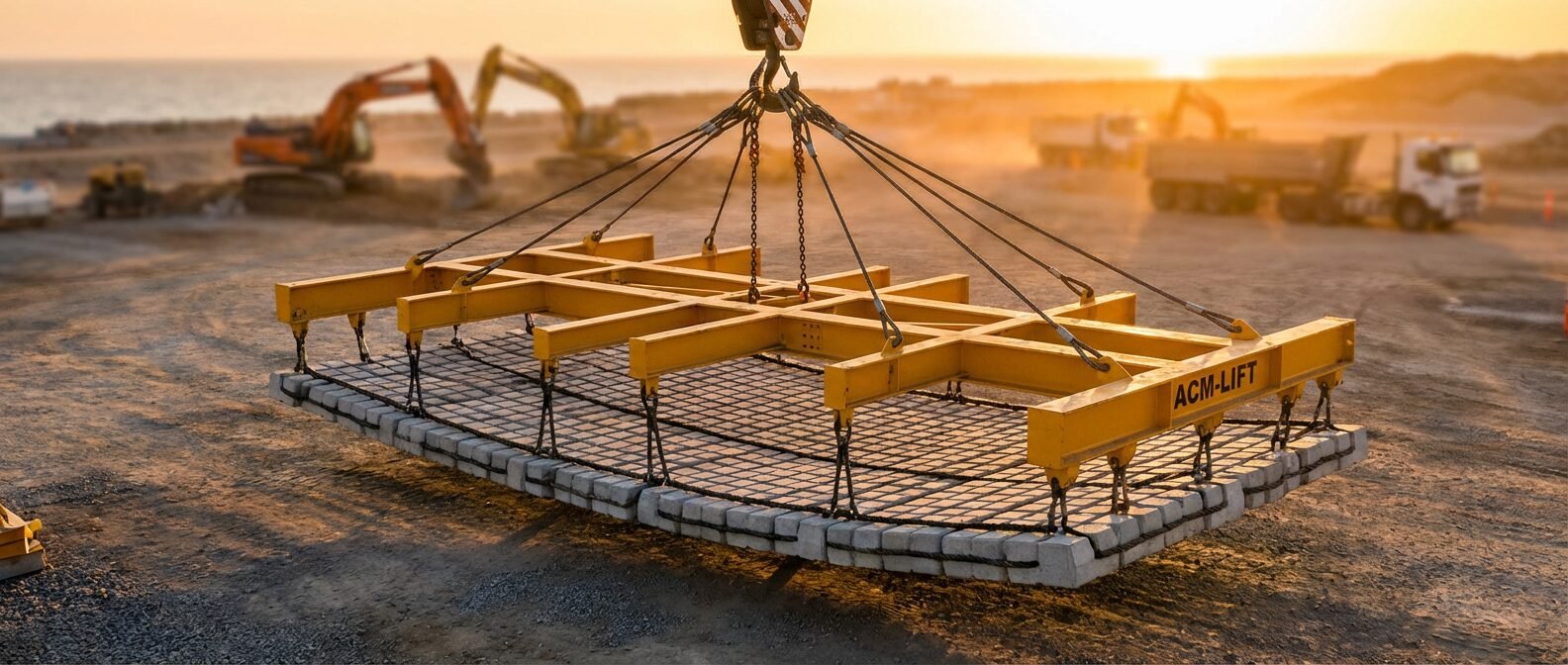
Evaluating delivery methods often determines project feasibility in restricted outfall environments. Precast concrete blocks are manufactured off-site, strung together with cables, and trucked to the job site in heavy rolls or flat mats. Installation requires substantial crane access to maneuver panels weighing several tons into position over the pipe apron.
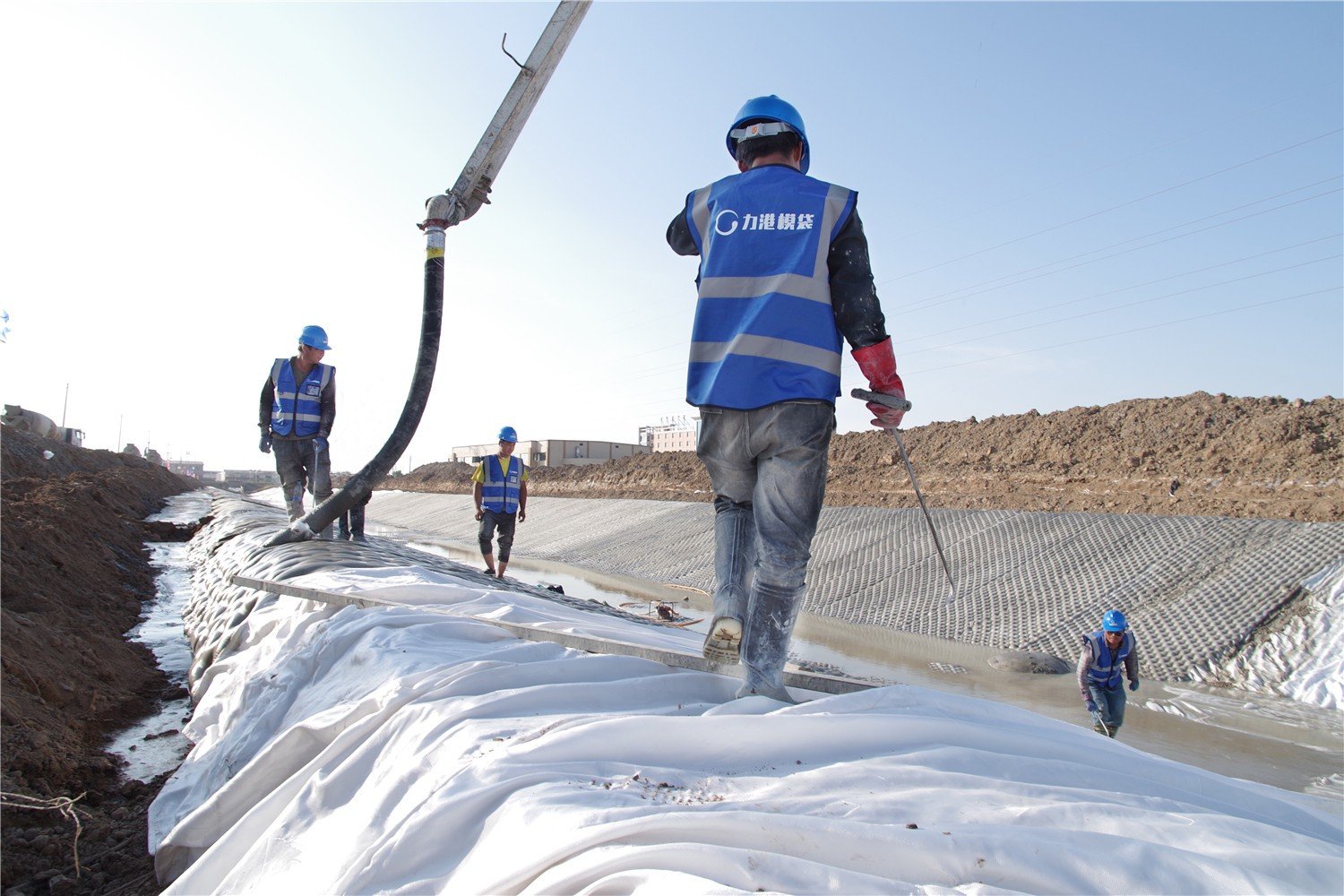
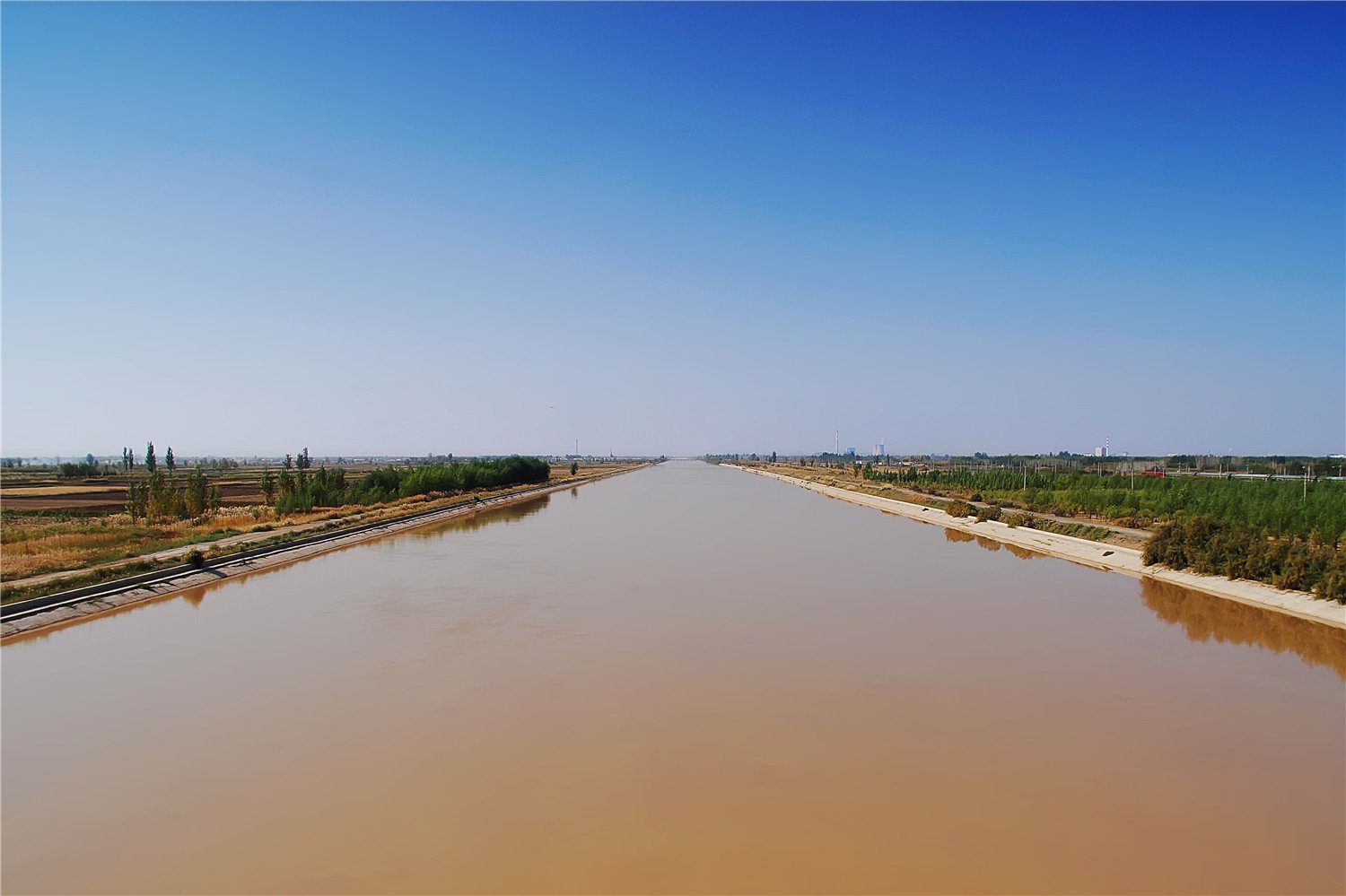
Pumped systems involve laying empty synthetic fabric pockets over the subgrade and filling them with fine aggregate concrete. This continuous pour method conforms tightly to highly irregular terrain where rigid blocks might bridge over small depressions.
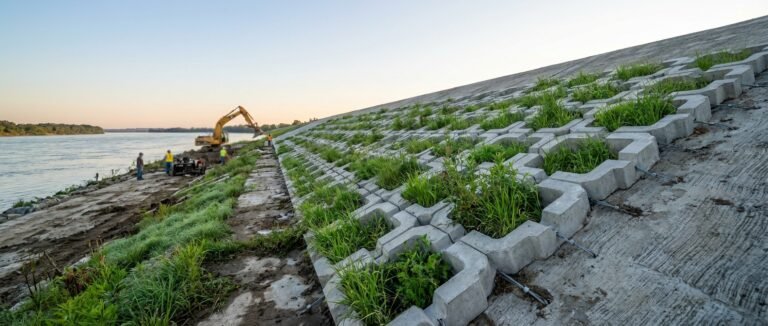
Understanding when to utilize structural slab alternatives versus standard open-cell blocks depends heavily on the predicted flow conditions. Solid precast panels eliminate vegetation growth entirely but provide maximum hydraulic efficiency, while open blocks slow the water down and eventually blend into the natural shoreline ecosystem.
Modern Manufacturing Tolerances in Outfall Armor
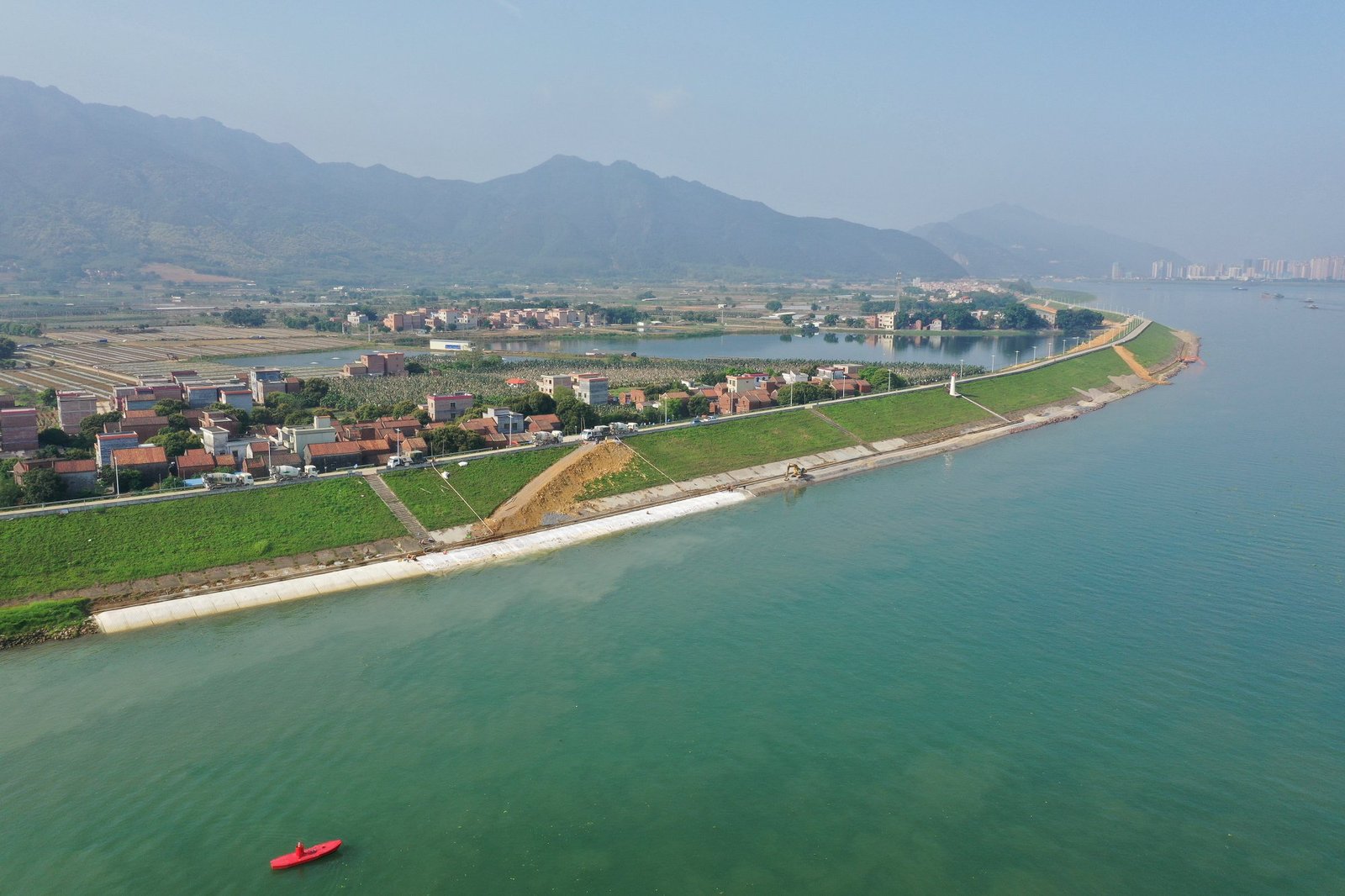
Translating rigorous engineering specifications into physical infrastructure requires partnering with manufacturers who treat quality control as a hard science. We see many projects fail simply because the concrete batching was inconsistent or the cabling alignment drifted during the pouring process. HydroBase operates specifically to eliminate these discrepancies by heavily automating the casting process for protective outfall systems.
Producing a high-performance culvert outfall scour protection articulated concrete mattress requires exact dimensional accuracy. If block heights vary by even 10mm across a single panel, the resulting surface irregularity introduces immediate turbulent drag that shouldn’t exist. HydroBase maintains precise C35 concrete mixing protocols that guarantee a uniform 320 kg/m² unit weight across every square meter dispatched to the field.
Reliability in the manufacturing stage translates directly to speed during installation. When cable loops align perfectly and block spacing remains consistent, contractor crews can stitch adjacent panels together without fighting bound cables or mismatched joints. This level of predictability is an absolute game changer for municipalities working within tight seasonal waterway construction windows.
Geotextile integration is another manufacturing detail that separates entry-level products from heavy infrastructure staples. Factory-bonding the stabilization fabric directly to the base of the concrete blocks ensures that installation crews do not have to battle wind and water trying to place fabrics manually before lowering the heavy armor panels.
B2B Practical Tool: Culvert Outfall ACM Design Checklist
To prevent specification gaps when planning high-energy structural transitions, project engineers should utilize this strict evaluation matrix before finalizing procurement. It covers the nuts and bolts of proper bed armor selection.
1. Hydraulic Loading Parameters
- [ ] Calculate maximum anticipated pipe exit velocity (Target: Matrix must resist ≥6.5 m/s).
- [ ] Verify the Manning’s n coefficient of the specified blocks (Typical range: 0.030 – 0.035).
- [ ] Determine maximum bed shear stress during a 100-year flood event.
2. Physical Dimension Variables
- [ ] Select required block thickness (150mm for moderate flow, 225mm+ for plunging jets).
- [ ] Calculate total apron length (Minimum requirement: 4x the pipe diameter).
- [ ] Define toe trench burial depth (Target: Below maximum calculated plunge depth).
3. Material Integrity Standards
- [ ] Confirm concrete compressive strength meets or exceeds C35 grades.
- [ ] Verify revetment cable breaking strength registers at ≥37kN.
- [ ] Ensure backing geotextile features a tensile strength of ≥50kN/m.
4. Ecosystem Integration
- [ ] Select open area ratio based on vegetation requirements (15% to 20% typical).
- [ ] Verify soil fill capacity inside the block void spaces for root establishment.
Procurement and Lifecycle Cost Mitigation
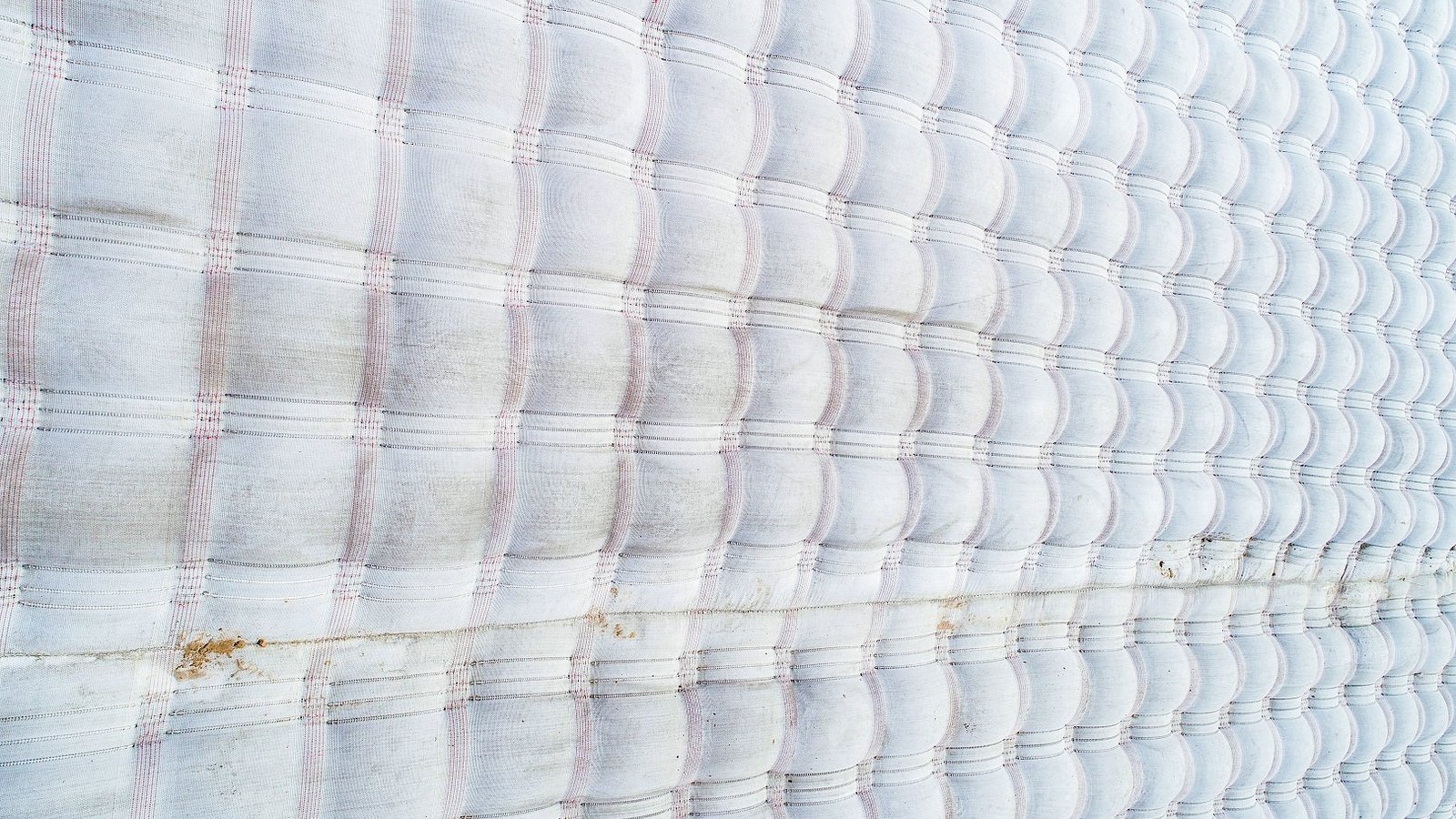
Civil engineers specifying municipal infrastructure face intense pressure to reduce upfront material costs. Sacrificing the block weight or cable quality of a concrete mattress to hit a restrictive budget is a guaranteed route to premature failure. Repairing an outfall where the pipe has actually broken off due to undermining costs exponentially more than simply ordering the correct armor thickness on day one.
Using standardized, factory-controlled matrices from manufacturers like HydroBase dramatically shrinks the liability footprint of a civil project. Contractors understand exactly how many square meters they need, how it will arrive on site, and specifically what lifting frames are required to place it safely. Precision manufacturing lowers bid contingencies because the installation variables are heavily reduced.
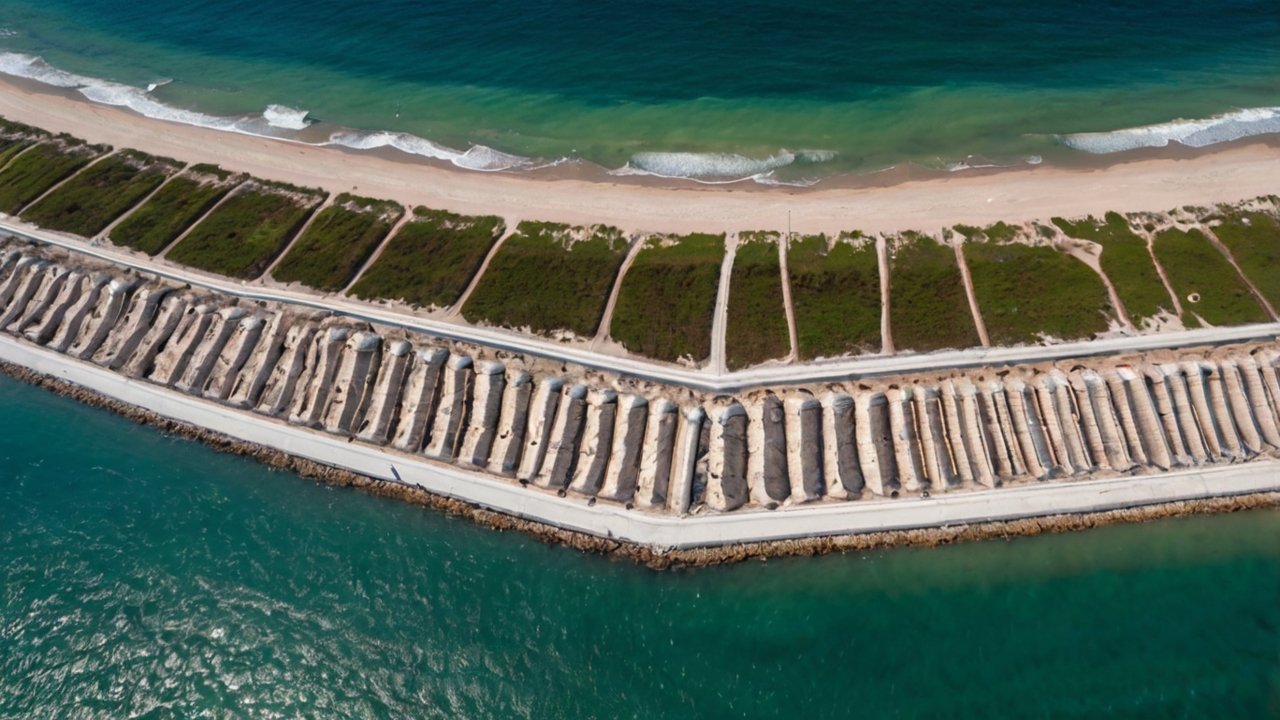
Long-term maintenance drops to practically zero when the system is installed correctly. Unlike riprap that requires periodic topping-up after major storms, an articulated block system locked into deep perimeter trenches stays exactly where it was placed. Vegetation eventually takes over the open-cell blocks, completely masking the hard armor while reinforcing the concrete matrix with deep, binding root structures.
Frequently Asked Questions
Q: What is the minimum ACM block thickness required for a large 48-inch RCP outfall?
A 48-inch reinforced concrete pipe typically requires at least a 150mm thick concrete block to adequately handle the corresponding volume and velocity. If the outfall discharges down a steep gradient, upgrading to a 200mm to 225mm thickness is necessary to resist uplift forces and localized hydraulic jumping.
Q: How do articulated concrete mattresses compare to gabion mattresses for culvert discharge?
Articulated blocks offer significantly higher shear resistance and zero risk of structural wire degradation compared to gabion baskets. Gabions rely on galvanized or PVC-coated wire that can snap under heavy debris impact, instantly spilling inner rock, whereas solid C35 concrete blocks endure heavy impact without compromising the structural matrix.
Q: Can concrete mattresses be installed directly underwater in an actively flowing plunge pool?
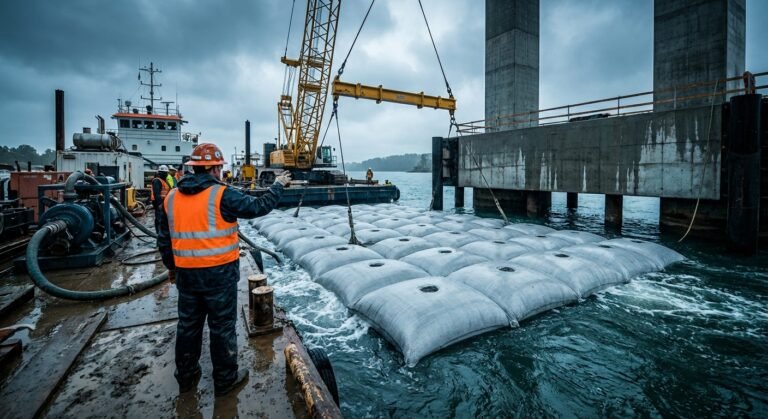
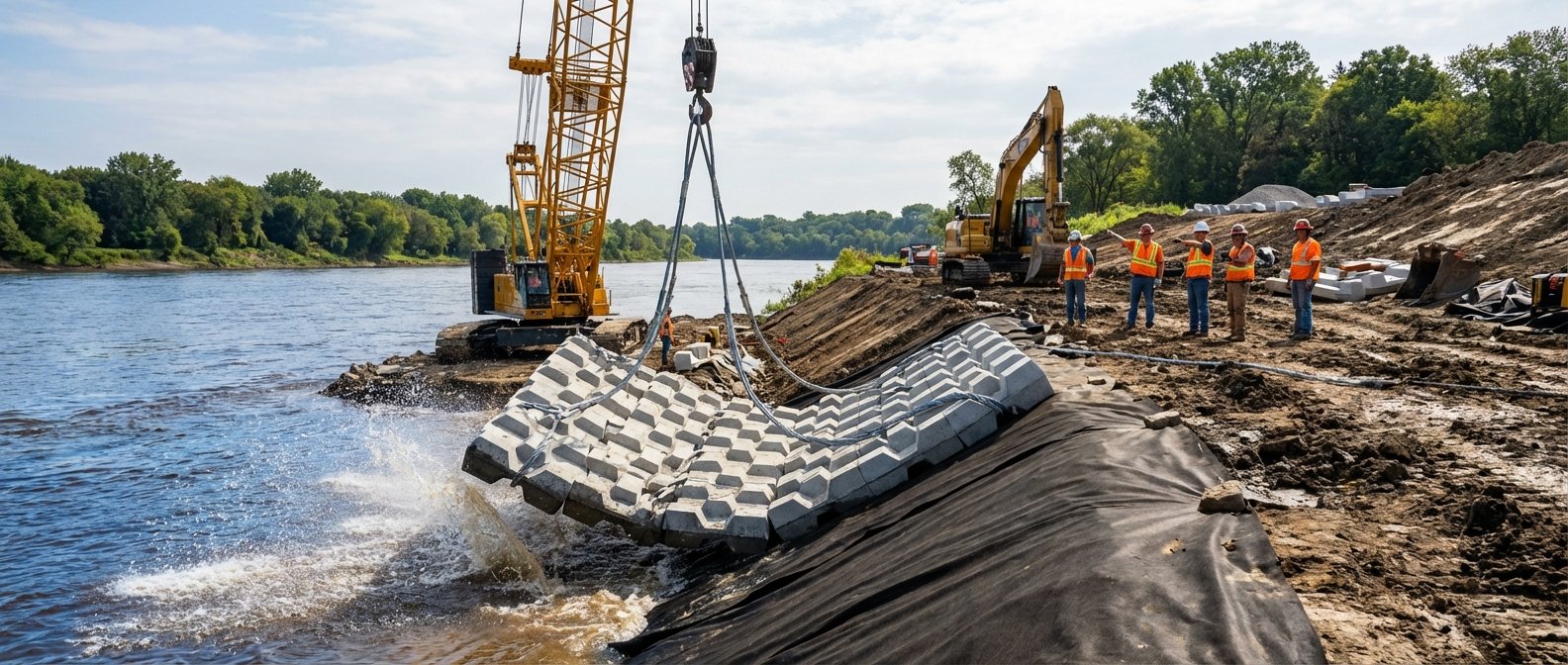
Yes, precast concrete mattresses can be hoisted by crane and placed seamlessly in submerged conditions without halting water flow. Because the heavy concrete blocks and backing geotextile are pre-assembled, they sink uniformly into place, avoiding the material washout issues associated with dumping loose aggregate into active currents.
Q: What are the typical lead times and MOQs for custom outfall mattresses for municipal projects?
Standard lead times range from two to four weeks depending on the exact block thickness and total square meter volume required. While minimum order quantities vary slightly by manufacturer, reputable suppliers routinely accommodate the specific layout constraints of localized pipe transitions without demanding excessive bulk purchases.
Securing Your Hydraulic Infrastructure
Engineers tasked with stabilizing high-velocity pipe discharges cannot afford to rely on temporary loose-rock remedies. Preventing massive soil migration and structural undermining demands a cohesive, flexible framework designed specifically to absorb and dissipate chaotic energy. Using engineered concrete blocks with specified 37kN breaking strength cables ensures that the transition between your rigid culvert and the natural waterway remains completely indestructible.
Taking the guesswork out of structural stability requires sourcing materials that hit exact unit weight and concrete compressive strength targets every single time. Transitioning from reactive maintenance to permanent infrastructure protection requires specifying materials built precisely for these violent hydrodynamic environments to seal the deal securely. Provide your infrastructure with an armor layer capable of outlasting the pipe itself.
For comprehensive technical data on specific block sizes, cable tension thresholds, and customized outfall layouts, you need immediate access to detailed manufacturing specs. Request our concrete mattress specification sheet and technical design guide to properly detail your next critical hydraulic transition.
Related Resources
- Filter Point Concrete Mattress Systems — For drainage applications
- Articulated Concrete Mattress Systems — Hard armour for outfalls
- Concrete Mattress Engineering & Installation Services — Site installation support
Need a concrete mattress solution for your project?
HydroBase provides end-to-end concrete mattress engineering & installation services — from hydraulic design and factory-direct ACM supply to on-site supervision and post-project inspection. Trusted by civil engineers in 50+ countries.