
Preventing Scour: The High Cost of Low-Quality ACMs
For civil engineering procurement officers and infrastructure project managers tasked with long-term riverine stabilization, the transition from basic erosion prevention to a complex, engineered risk-mitigation framework is mandatory. Analyzing the intricate balance of articulated concrete mattress procurement specifications and scour protection ROI identifies the precise nexus where initial capital expenditure neutralizes catastrophic, long-term liability costs. Procuring low-tier materials invariably subjects public and private developmental sites to cascading failures, ultimately dwarfing the total cost of ownership models initially projected during the project bidding phases.
The stakes associated with large-scale hydraulic protection extend drastically beyond superficial aesthetics, digging inherently into the physical science of fluctuating bed shear stresses and hydrodynamic boundary conditions. When sourcing slope protection components, evaluating the structural matrices, from block mass dimensions to cable tensile strength limits, ensures the mitigation of subgrade degradation under maximum flow velocity scenarios. This comprehensive evaluation unpackages the precise technical frameworks required for resilient infrastructural procurement.
Hydrodynamic Erosion Mechanisms and Bed Shear Stress Variables
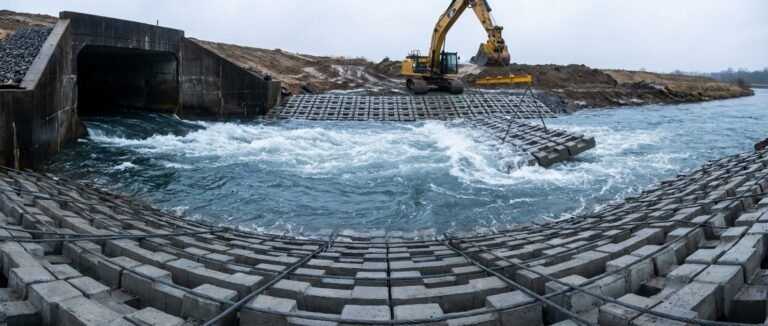
Understanding the profound kinetic energy transfer rates within turbulent riverine ecosystems represents the first fundamental step for technical procurement personnel. Hydraulic structures are consistently subjected to powerful erosive forces, particularly during aggressive flood stages where velocity thresholds exceed 4.8 meters per second. Standard stabilization methodologies, such as unbound stone riprap or unengineered block setups, fail to absorb these highly concentrated hydrodynamic forces, leading to accelerated internal displacement and eventual structural collapse. This displacement phenomenon forces engineers to calculate critical shear points accurately, typically leveraging established models to predict boundary vulnerabilities.
Sub-spec installations are inherently prone to undercutting, a destructive process where hydraulic suction systematically forces fine local soil particles through the micro-crevices of the overlying matrix. According to the foundational parameters outlined in the USACE Engineer Manual for hydraulic structures, mapping critical shear threshold limits is absolutely critical for sustaining revetment continuity. Without an interlocked, precisely articulated concrete layer engineered to immediately settle uniformly as micro-scour attempts to alter the substructure, entire embankments can destabilize within a single 50-year storm cycle.
Engineered mitigation involves deploying an interconnected shielding armor that adapts dynamically to sudden geomorphic shifts. As shifting occurs underneath standard structures, rigid mats fail, fracturing across their weakest geometric stress points. Contrastingly, systems anchored by properly specified hinge joints maintain an operational contact ratio exceeding 92.7 percent against irregular topological slopes, diffusing kinetic water pressures across a vastly wider protective footprint.
Cable Tensile Strength and Revetment Deformation Risks
Procurement specialists evaluating articulated slope protection must ruthlessly scrutinize the specific tensile characteristics of the integrated cabling infrastructure that unites the individual concrete nodes. The longitudinal and lateral binding elements represent the structural backbone of the entire application; if a commercial supplier utilizes low-grade polypropylene alternatives lacking comprehensive ultraviolet stabilization attributes, the cables will inevitably succumb to premature photo-oxidative degradation. For demanding maritime or aggressive spillway environments, tensile elongation tolerances must strictly remain below a 0.8 percent threshold under maximum expected hydrodynamic loads.
Research documented comprehensively within the ASCE Journal of Hydraulic Engineering illustrates how boundary shear stress directly translates into extreme mechanical tension applied across the interconnected matrix joints. When subpar cabling snaps deep within an established installation, localized block uplifting occurs immediately, subsequently producing a catastrophic domino effect that exposes massive areas of raw subgrade to high-velocity currents. Quality-controlled industrial copolymer rope networks ensure consistent force displacement operations, resisting chemical deterioration and localized abrasion damage effectively over multidecade lifespans.
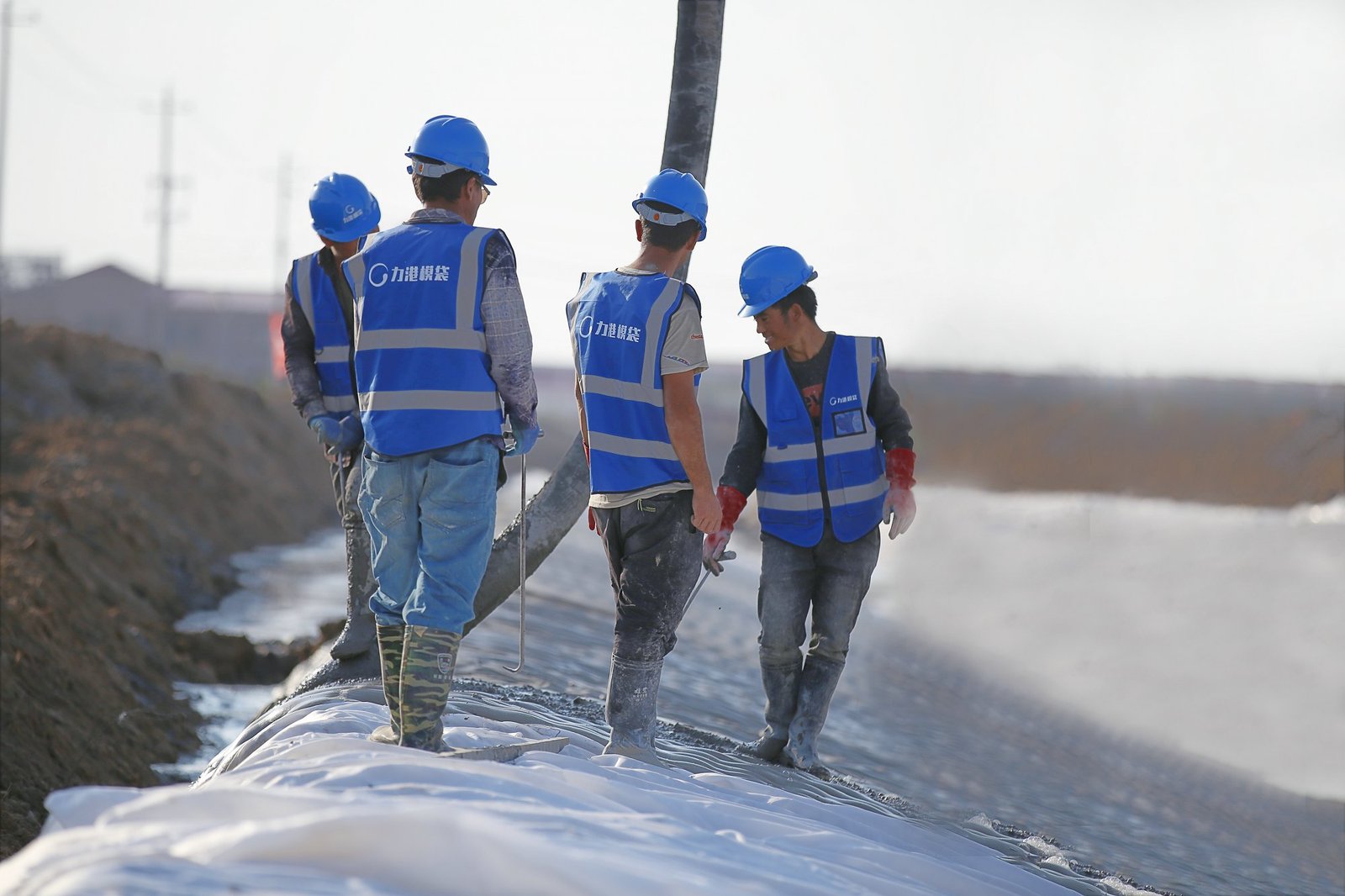
Evaluating alternatives such as specialized cast-in-place methodologies, including an optimized Filter Point Concrete Mattress, can occasionally reduce reliance on discrete cable networks entirely by utilizing high-strength synthetic fabric formworks. These specific continuous poured systems completely eliminate the risk of individual tethering failures by replacing mechanical hinges with a monolithic, yet mathematically regulated, pore-draining configuration designed specifically for high-stress hydraulic transition zones.
Scour Protection Return on Investment (ROI) and TCO Structuring
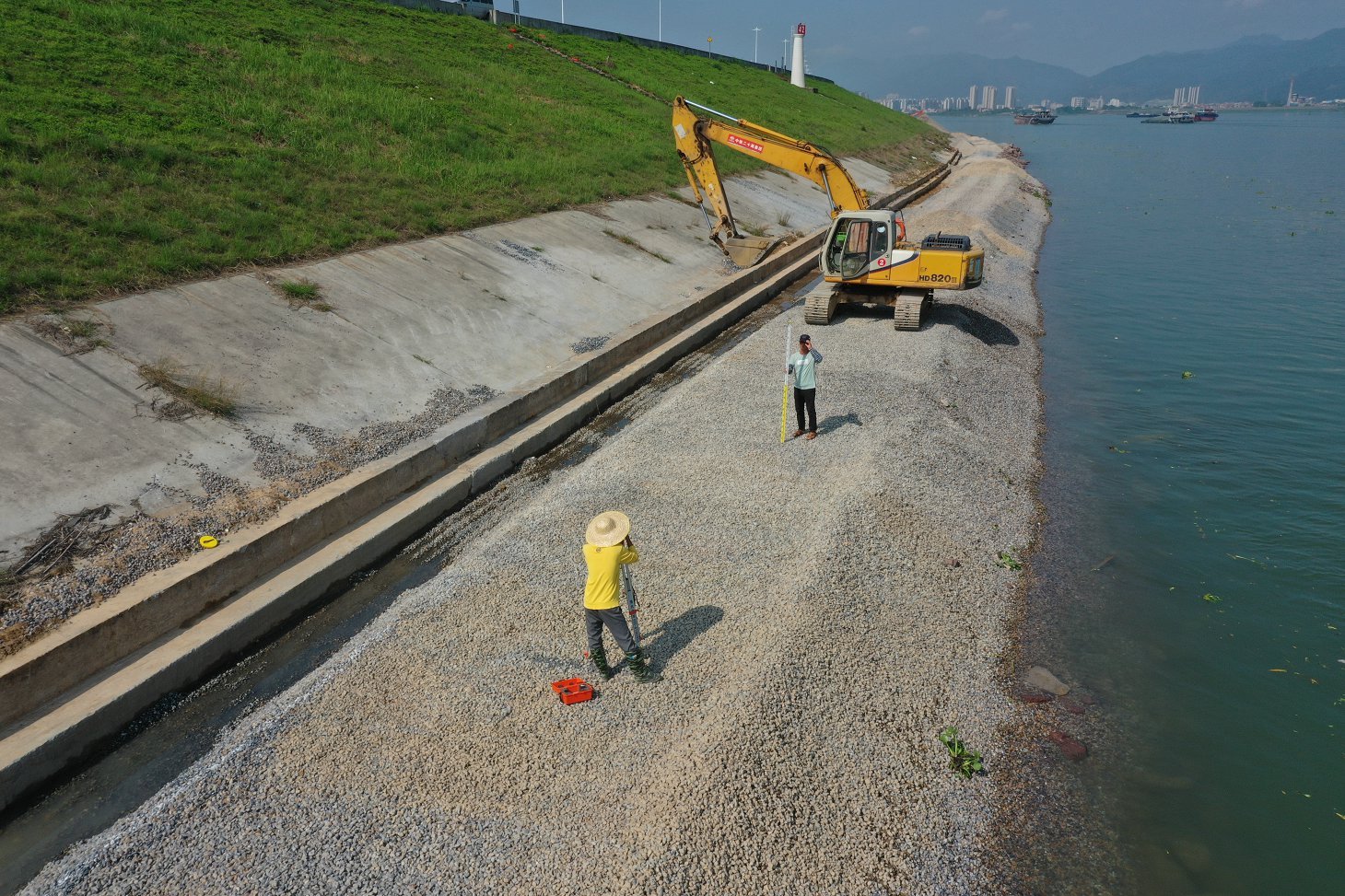
Calculating realistic articulated concrete mattress procurement specifications and scour protection ROI requires procurement divisions to transition completely away from basic frontline cost-per-square-foot comparisons. Although quarry stone riprap often presents a financially attractive initial procurement bid, the operational expenditure related to consistent replenishment, heavy machinery site remobilization, and localized dredging operations quickly escalates the total cost of ownership beyond engineered alternatives within a short 72-month operational window. Modern financial tracking models prove that initial over-engineering yields profound long-term capital savings.
True cost-benefit analyses must aggressively factor the unquantifiable risk of catastrophic bridge abutment or structural pillar collapse generated by localized slope washouts. A single, multi-million dollar tort liability claim originating from a civilian highway closure caused by sub-tier supplier material failure instantly invalidates any minor budgetary savings achieved during the initial infrastructure acquisition phase. Deploying robust, mathematically verified armor guarantees an exact, predictable operational lifespan spanning upwards of 50 to 75 operational years.
Installation speed represents another critical metric directly impacting localized ROI tracking. Highly standardized block sizes, matched with precision-engineered lifting frames, allow contracted installation teams to place sprawling square footage per operational hour. Time spent waiting for inefficient suppliers to correct dimensional non-compliance issues actively burns exorbitant labor overheads and incurs intense heavy-equipment rental penalties for the managing infrastructure divisions.
Strict Articulated Concrete Mattress Dimensional Procurement Parameters
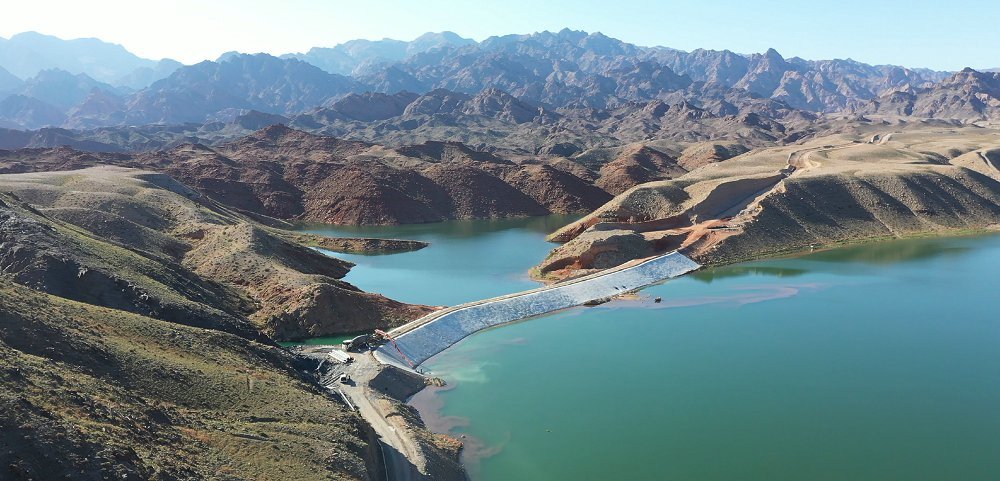
Eliminating supplier risk mandates establishing ironclad physical specification thresholds explicitly documented within official procurement contracts. B2B buyers must mandate a minimum dry concrete density specification resting rigidly at 140 lbs/ft³, ensuring the individual nodes carry adequate deadweight resistance to nullify uplifting aerodynamic and hydrodynamic forces prevalent in fast-moving water columns. Substandard concrete mixes plagued with excessive microporosity suffer rapid freeze-thaw deterioration, cracking spectacularly within a few volatile seasonal transitions.
Dimensional manufacturing precision constitutes the ultimate barrier defending against joint jamming or inappropriate articulation. Leading global specifications dictate that individual blocks must maintain precise geometric tolerances capped strictly at ±0.3mm across their interlocking lateral faces. Any supplier incapable of presenting automated batch plant telemetry to verify these narrow manufacturing windows should be immediately disqualified from the active procurement pipeline to avoid imminent field installation bottlenecks.
Detailed integration manuals and technical schematics should always accompany the dispatch of a certified Articulated Concrete Mattress setup, providing on-ground structural engineers with precise lifting configurations and tie-off methodologies. A lack of transparent, empirical material data reporting serves as a cardinal warning sign that the commercial supplier sources unvetted secondary materials directly from unmonitored production facilities.
Analyzing the Execution of Filter Point Structural Alternatives
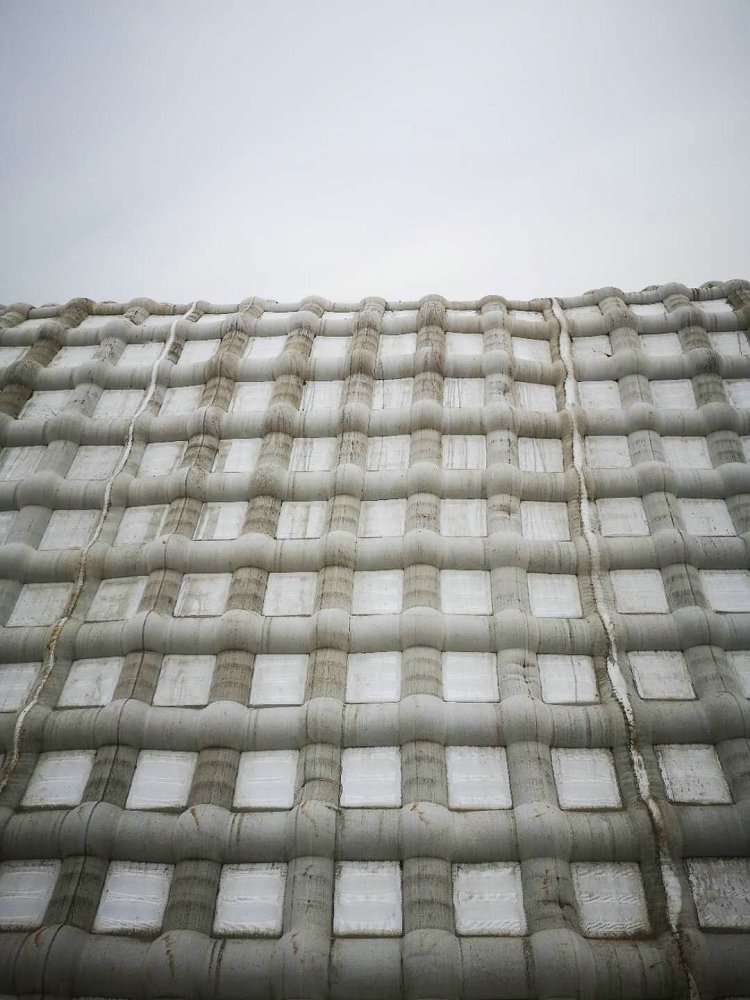
For specific topographical profiles demanding high internal pressure relief, civil engineers often transition away from mechanically cabled blocks in favor of specialized permeable textile formworks. These systems utilize advanced dual-layer synthetic fabrics continuously woven with distinct filtration points designed strategically to allow deep hydrostatic ground pressures to escape upwards freely without displacing infrastructural topsoil layers. This pressure equalization process remains absolutely critical for safeguarding steep reservoir embankments and massive retention ponds.
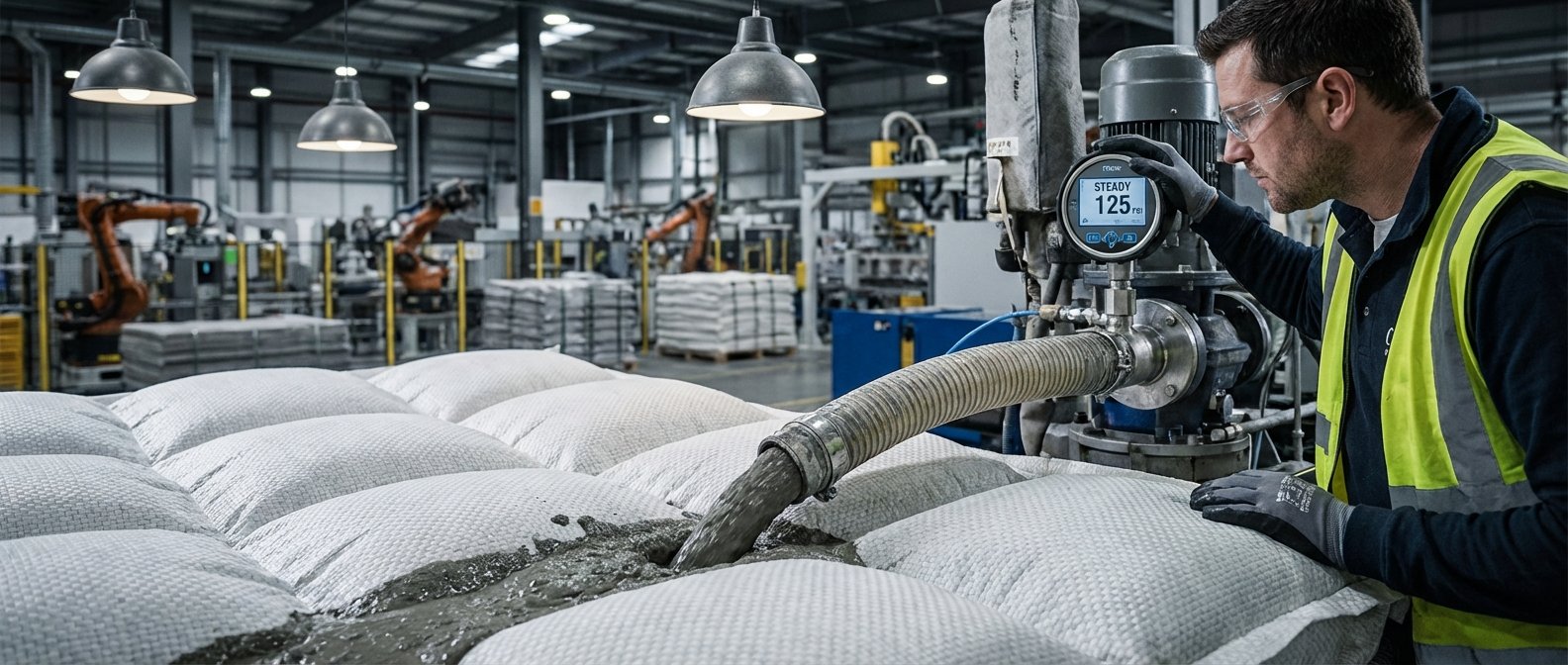
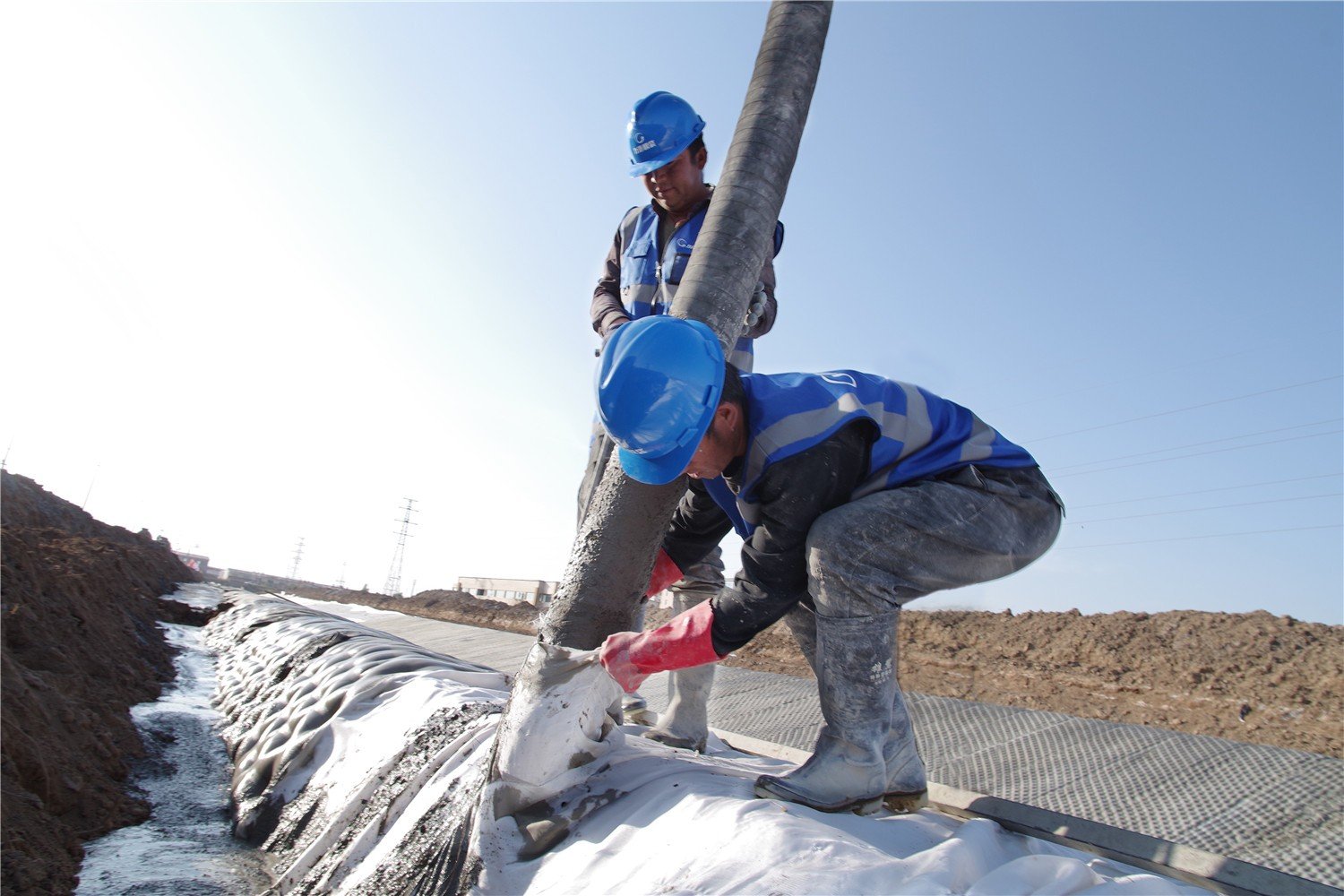
Injecting optimized fluid micro-concrete aggregates directly into these expansive fabric arrays drastically minimizes complex, heavy lifting logistics typically native to traditional block operations. The fabric effectively acts as a highly resilient mold that seamlessly contours to uneven topographies upon immediate inflation, rapidly solidifying into an impenetrable erosion barrier while maintaining necessary permeability zones explicitly for structural longevity.
This methodology yields an exceptional friction coefficient that naturally deters water acceleration down localized channels. By deliberately altering the hydraulic roughness of the channel parameters, the overall kinetic force exerted upon subsequent downstream ecosystems decreases proportionally, thereby satisfying stringent multidimensional environmental mitigation requirements frequently enforced by regulatory ecological protection agencies.
Joint Integrity and Hinge Articulation Dynamics in Scour Zones
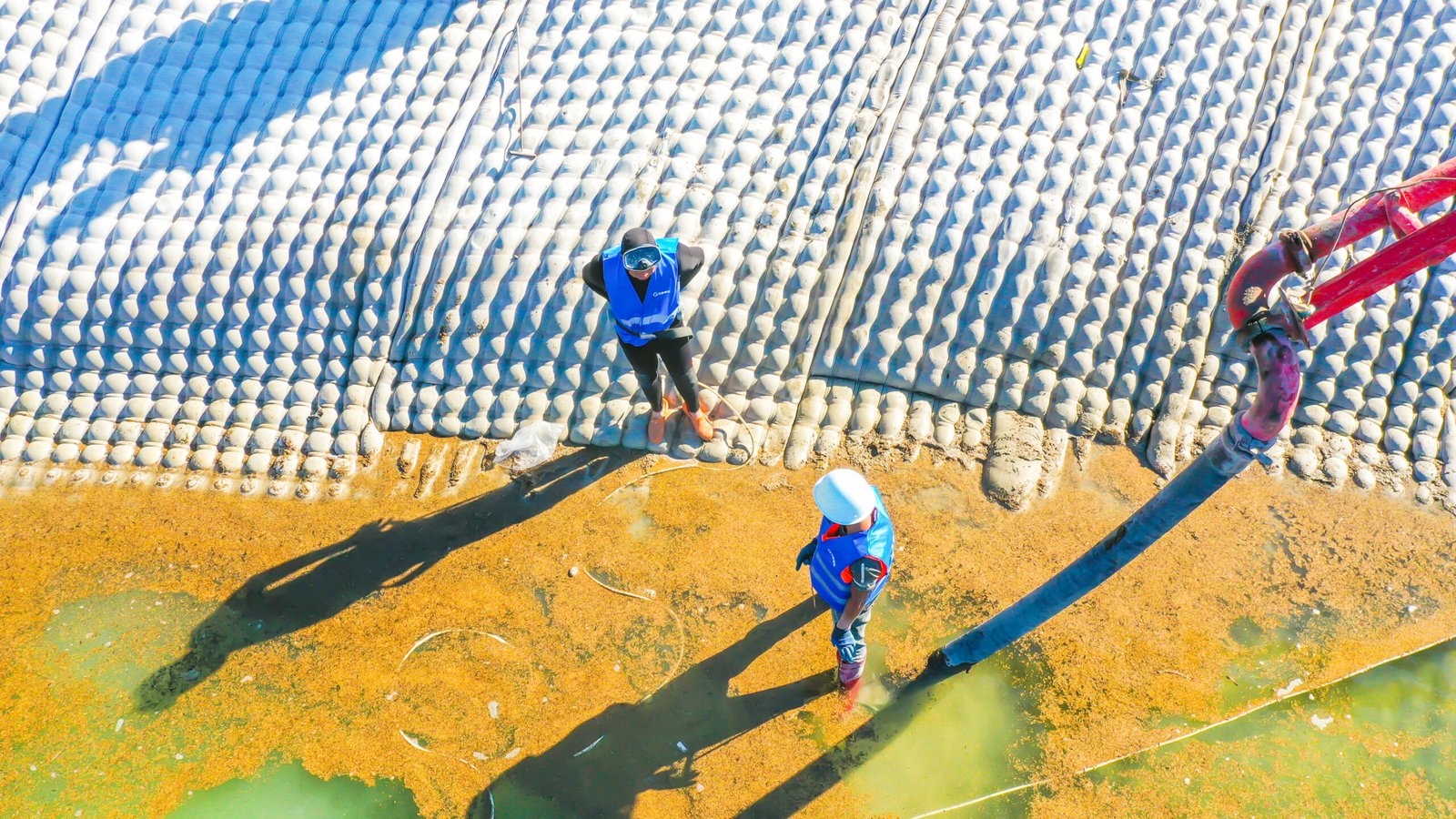
The entire mechanical premise validating the premium cost of these sophisticated matrices centers securely on the engineered capacity for independent geometrical articulation. When the physical riverbed encounters localized sinkholes or rapid geomorphic scouring anomalies underneath the established armor layer, individual blocks within the unified matrix must organically rotate and plunge directly into the newly formed cavity, effectively stifling ongoing substrata loss immediately before it expands outwardly to threaten adjacent structures.
To achieve this protective slumping, the specific aperture spacing dividing adjoining masonry units must be calculated flawlessly. If the tolerances between blocks run exceedingly tight, the matrix behaves like a brittle monolithic slab, entirely incapable of conforming accurately to evolving bed contours. Conversely, excessively wide gap intervals create highly dangerous localized drag vortices, directly inviting localized hydraulic uplift to unseat individual components during flash inundation circumstances operations.
In situations calling for localized vegetative integration to encourage deeper root-binding stabilization attributes, sourcing an appropriately modified Vegetated Concrete Mattress is standard operational procedure. These highly specialized variants combine the uncompromising shear strength of properly dimensioned concrete nodules with intentional organic integration voids, fostering massive ecological recovery alongside impenetrable structural hydro-defense perimeters.
Geotextile Underlayment Integration and Regulatory Frameworks
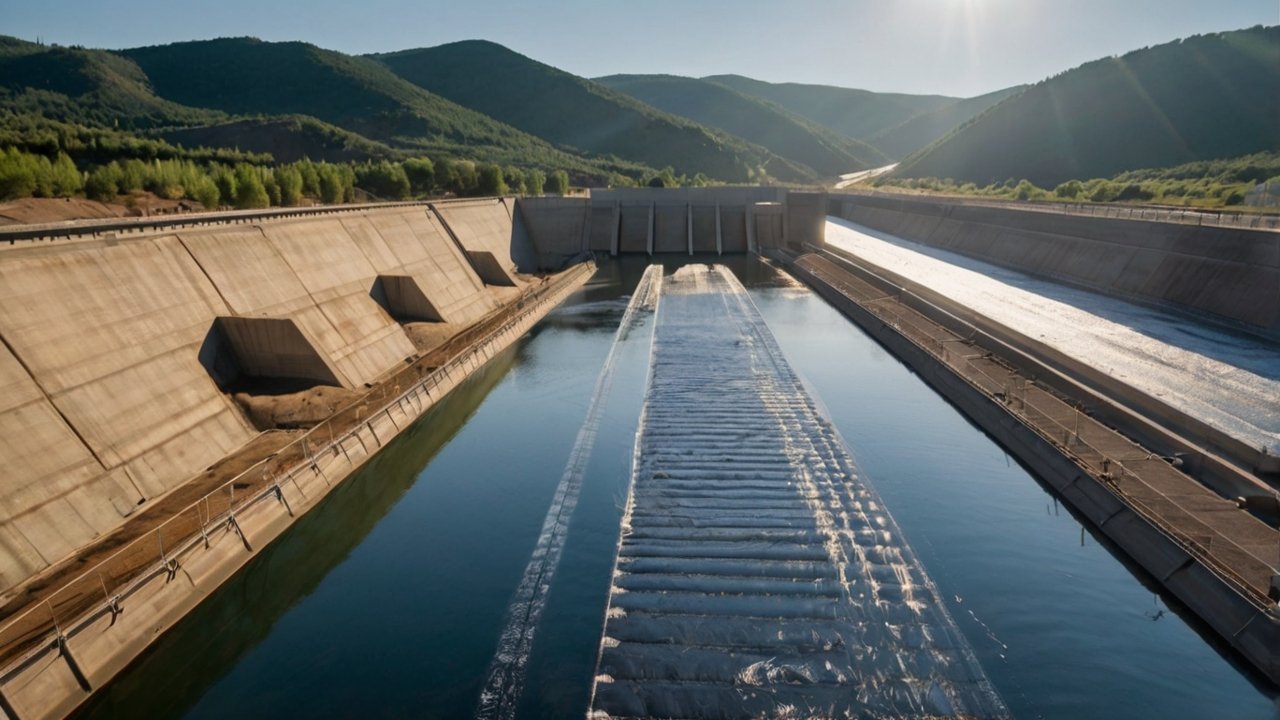
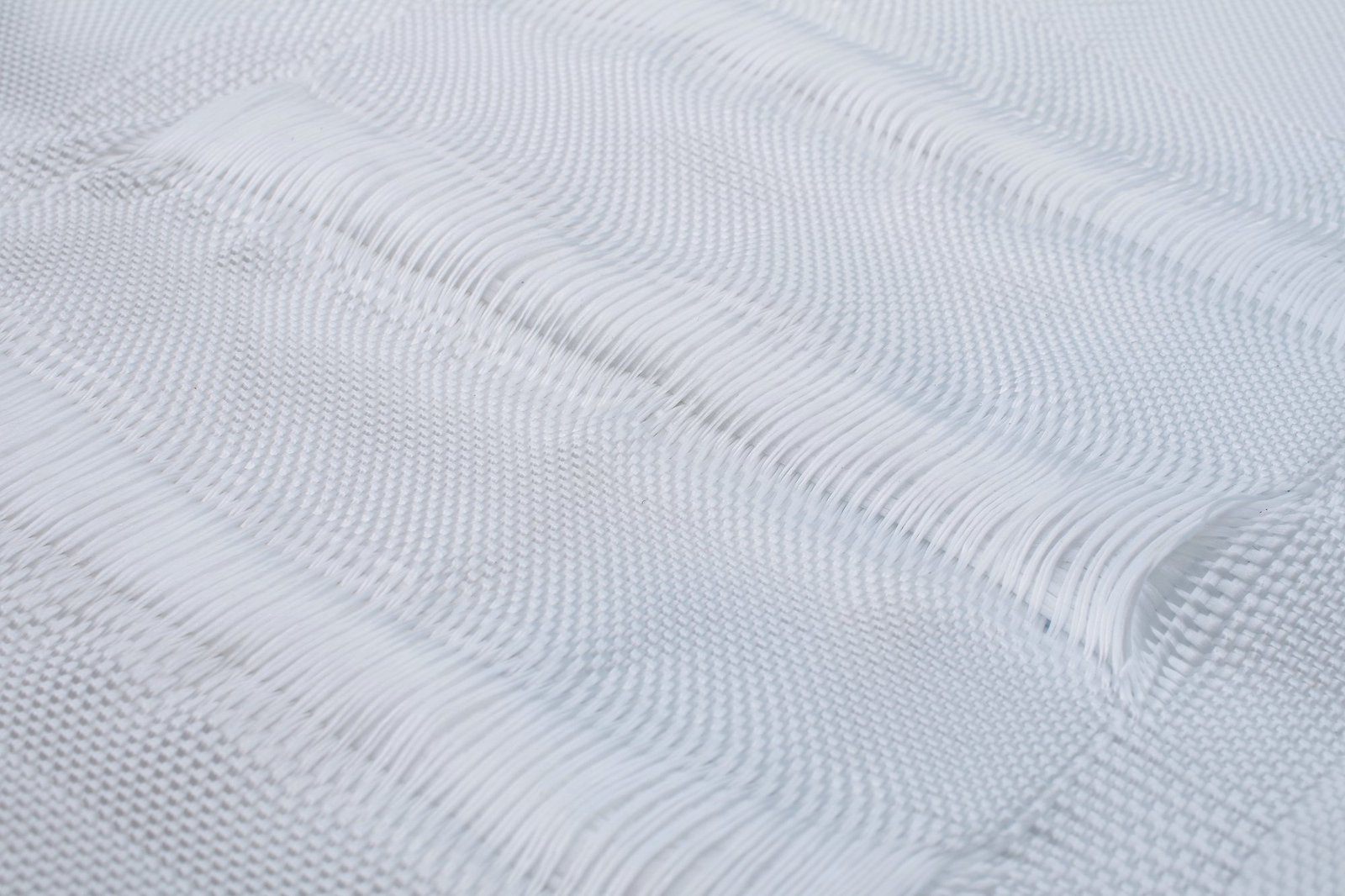
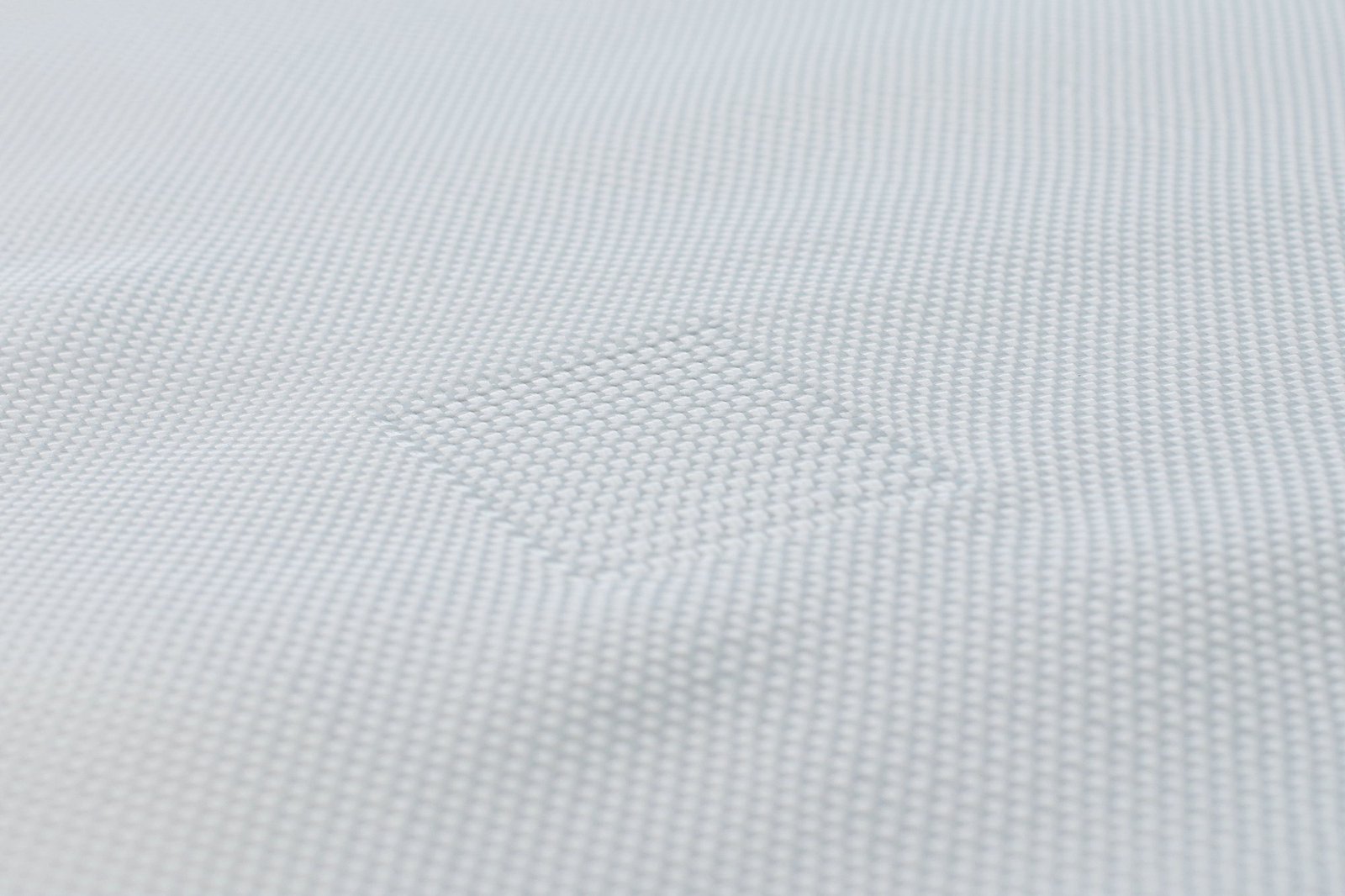
A structural revetment matrix is completely functionally dependent upon the specific characteristics of the foundational geotextile underlayment situated explicitly beneath it. If raw concrete elements rest directly upon volatile clay or soft sandy loams, heavy micro-currents will easily circumvent the primary armor entirely, initiating aggressive internal soil piping sequences. Woven monofilament membranes must be strictly deployed to aggressively filter fine particulate matter while retaining unimpeded hydraulic transparency properties to release deeper hydrostatic pore pressures effectively.
Procurement dictates evaluating strict testing standards related to the survivability of this vital fabric layer. It is critically recommended by senior engineers that subgrade filter fabrics conform definitively to the stringent ASTM D5818 specifications for geotextile installation, which rigorously tests the material’s empirical capacity to withstand aggressive installation abrasion directly caused by heavy concrete placement dynamics executed via industrial lift frames.
Overlooking subtle metrics, such as Apparent Opening Size (AOS) specifications and comprehensive multidirectional tensile grab strength ratings, fundamentally guarantees premature site failure regardless of the substantial quality of the overlapping concrete blocks. Integrating an unbroken, thermally fused geotextile plane seamlessly across the entirety of the project zone eliminates deadly localized weak points that invite relentless hydrodynamic penetration during peak volume saturation events.
B2B Procurement Risk Standardization Matrix
In response to immense infrastructure market pressures, sophisticated procurement divisions rely precisely on strict standardization rubrics to quickly filter unqualified bulk suppliers out of multifaceted engineering evaluations. This comprehensive comparative baseline quantifies specific empirical performance limits, efficiently differentiating between generalized landscaping suppliers and dedicated hydraulic engineering component manufacturers focused on complex heavy-civil applications.
| Evaluative Procurement Metric | Sub-Spec Provider Baseline | Engineered Grade Supplier Mandate |
|---|---|---|
| Concrete Density Ratio | Below 135 lbs/ft³ (Prone to lifting) | Minimum 140+ lbs/ft³ (Rigid stability guarantee) |
| Dimensional Tolerances | ±1.5mm (Increases jam rates) | Max ±0.3mm (Precision automation) |
| Cable Tensile Elongation Limits | > 2.0% under peak weight load | < 0.8% under maximum dynamic tension peak |
| Hinge Articulation Ratio | Variable/Inconsistent slumping | Predictable 92.7% contact retention limit |
Aligning internal commercial procurement strategies directly against this specific matrix isolates the project’s true long-term financial exposure. When evaluators integrate the absolute guarantee of subgrade preservation directly into their initial TCO modeling applications, resolving aggressive budgetary constraints logically justifies the necessary transition toward specialized tier-one material allocations seamlessly without sacrificing long-term durability metrics.
Engineered Asset Protection Through Precision Manufacturing Systems
For infrastructural development groups continually facing mounting pressure to resolve complex topographical vulnerabilities reliably, transitioning away from fragmented generalist suppliers into cohesive manufacturing partnerships mitigates intense logistical risks entirely. For example, specific leading international engineering resources like HydroBase have successfully addressed these chaotic market inconsistencies directly through rigorous oversight frameworks and vertically integrated fabrication paradigms perfectly aligned to heavy civil demands. Backed by over a decade of deep engineering expertise spanning 230 successful project integrations and operated across 150 dedicated production lines, they implement an elite 48-hour dispatch protocol specifically engineered to neutralize severe project timelines.
These heavily scrutinized operational environments eliminate unpredictable product variances by enforcing extensive, automated quality-control auditing focused deeply on raw material curing dynamics and cable tension limits. When site managers implement a highly certified Articulated Concrete Slab Mattress originating from regulated, environmentally controlled industrial environments, they systematically transfer substantial liability from the end-user back to the established architectural assurance network. This shift fundamentally defines the difference between simply reacting to environmental erosion crises and meticulously engineering preventative dominance against fluid dynamics.
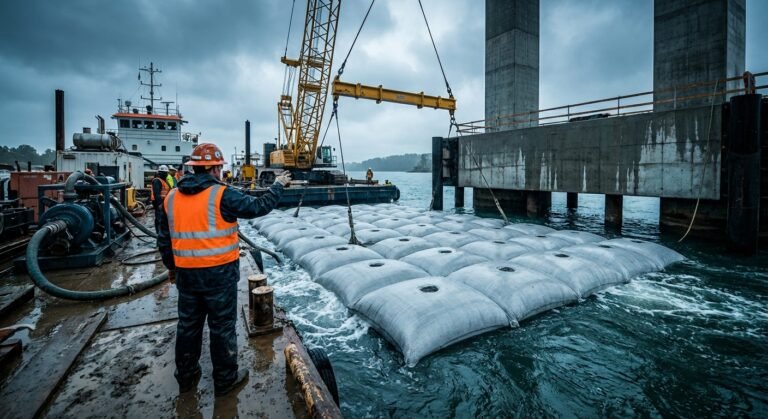
Implementing standardized subsystems allows the continuous optimization of field installation velocity, reducing heavy lifting hours exponentially. Advanced pre-stringing procedures dramatically simplify complex marine deployment sequences, allowing dive crews to finalize extensive submerged footprints consistently without fighting awkward dimensional irregularities. Providing total technical alignment between comprehensive hydraulic design mandates and the physical assets arriving continuously at the staging yard ultimately secures the foundational integrity of multimillion-dollar structural operations.
Frequently Asked Questions
Q: How do you calculate the exact ROI for articulated concrete mattress installations compared to variable riprap methodologies?
Calculating exact ROI involves projecting the 50-year maintenance expenditure of riprap, which typically requires a 30% material replenishment cycle every 5 to 7 years, against the zero-maintenance profile of an engineered masonry matrix. Although initial capital expenditure for precision blocks averages roughly $6.20 per square foot compared to riprap’s $4.50, the engineered total cost of ownership (TCO) breaks even decisively within 84 months due to total avoided operational liabilities.
Q: What are the minimum procurement specifications for cable tensile strength in heavy load subaqueous riverbeds?
The strict minimum procurement specification dictates utilizing Type 2 ultraviolet-stabilized copolymer cables exhibiting a tensile elongation threshold strictly beneath 0.8% under maximum predicted current loads. This specific strength grade systematically prevents the sudden localized rupturing of inter-block nodes during extreme storm inundations, mathematically guaranteeing that the unified protective structure will not dislodge individual sections into violent drag vortices.
Q: What is the primary difference between a rigid concrete system and a specialized cast-in-place filter point structure?
The primary distinction lies intrinsically in the mechanical hinging capabilities and direct installation methodology. A pre-cabled block network relies on complex, heavy mechanical articulation to handle irregular substrata shifts organically, whereas a filter point textile system utilizes vast custom fabric molds pumped heavily with micro-concrete directly on site to manage deep hydrostatic pore-pressure relief completely without discrete segmented joints.
Q: What is the standard lead time and overall supplier MOQ for industrial scale structural system procurement?
Standard industrial lead times from advanced engineering tier suppliers heavily average around comprehensive 48-hour global dispatch protocols for continuously inventoried standardized matrices. While specific bulk minimum order quantities (MOQ) fluctuate based heavily closely on customized dimensional parameters explicitly outlined within civil engineering blueprints, reputable heavy manufacturing divisions scale reliably to service multidimensional mass project deliveries without severe logistic bottlenecking.
Securing Resilient Long-Term Asset Integrity
Navigating the deeply specialized variables encompassing articulated concrete mattress procurement specifications and scour protection ROI remains the critical foundational step for avoiding devastating long-term infrastructure failures. Integrating advanced dimensional parameters reliably with appropriate high-tensile internal cabling networks comprehensively transfers extreme environmental risk away from infrastructure owners definitively. As global climatic patterns forcefully trigger substantially harsher hydrodynamic flood stages, committing decisively to mathematically validated engineered revetments represents the absolute baseline standard for highly responsible structural oversight in modernity.
Related Resources
- Articulated Concrete Mattress Systems — High-quality ACM supply
- Filter Point Concrete Mattress Systems — Drainage protection
- Contact HydroBase for a Quote — Factory-direct pricing
Need a concrete mattress solution for your project?
HydroBase provides end-to-end concrete mattress engineering & installation services — from hydraulic design and factory-direct ACM supply to on-site supervision and post-project inspection. Trusted by civil engineers in 50+ countries.