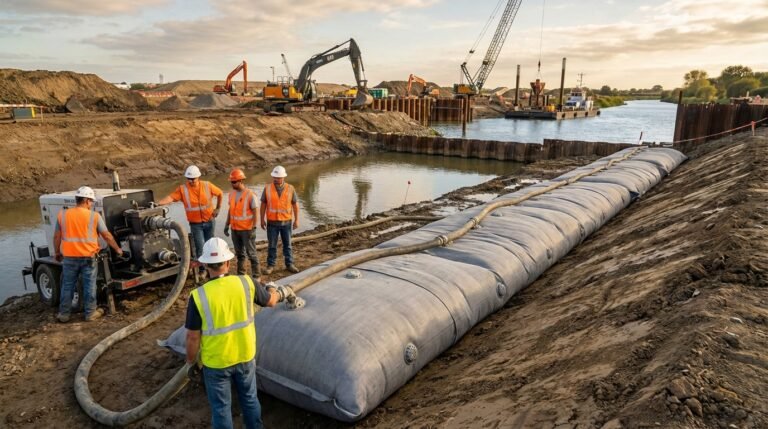
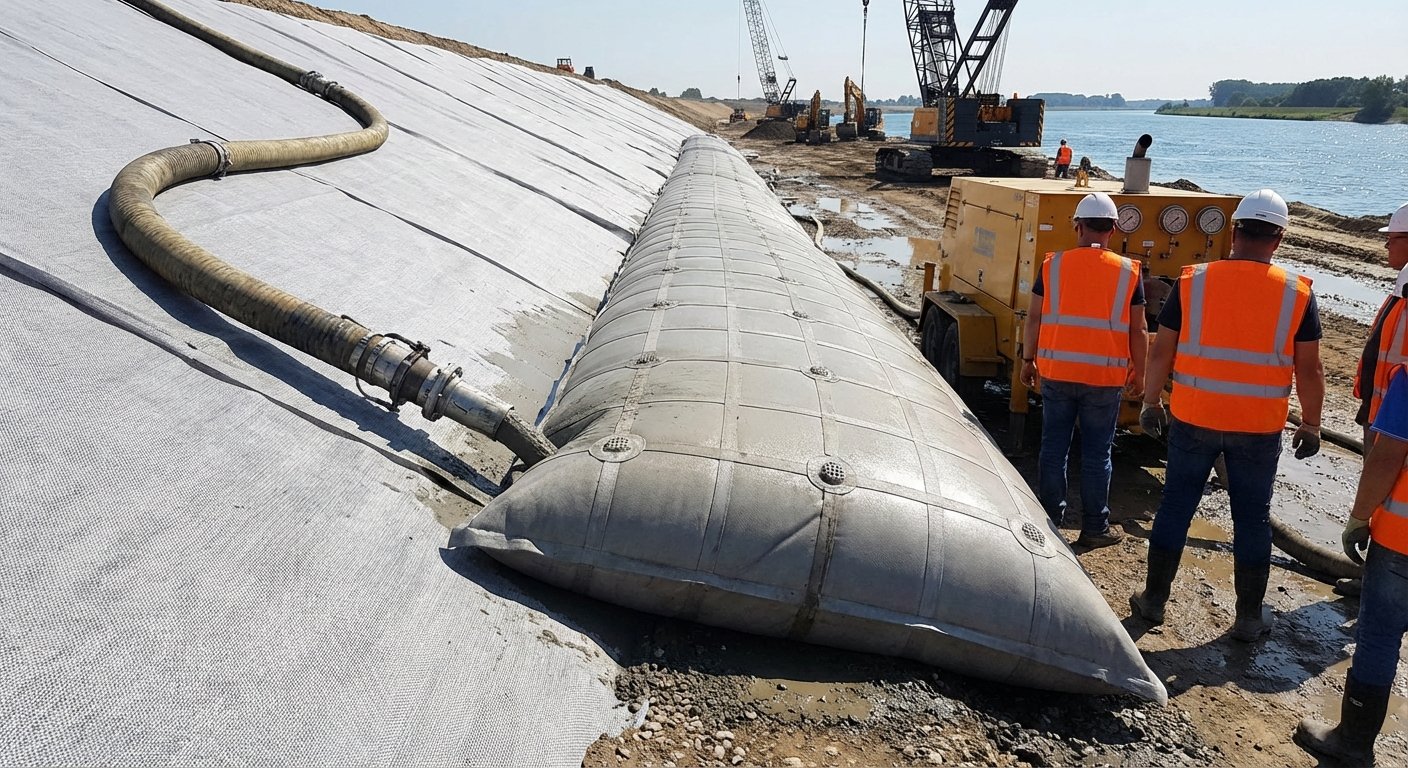
You can procure the strongest geotextile on the market, but terrible grout pump pressure settings will always cause a catastrophic failure. Pumping concrete into closed fabric cells behaves completely differently than pouring a standard flat slab. Water resource engineers must clearly recognize that internal hydrostatic pressures compound rapidly inside woven sleeves. Building a comprehensive filter point concrete mattress pumping guide requires focusing on actual fluid dynamics rather than just basic dimensional tolerances. You are essentially pouring a high-strength concrete floor inside a restrictive, pressurized woven envelope.
Fine Aggregate Concrete Mix Design Fundamentals

Aggregate sizing completely dictates the continuous flowability through the narrow neck of a fabric panel. Crews absolutely need a slurry that easily transits a highly constricted delivery line without bleeding its vital cement paste. Typically, approved grout mixes stick strictly to a maximum aggregate size of 9.5mm. Trying to force course rock through those heavily stitched injection ports guarantees an immediate, rock-solid blockage. As our lead craftsman always says, “You can feel when the concrete mattress is right.”
Achieving a highly fluid, low-bleed micro-concrete is strictly non-negotiable for prolonged erosion control applications. Slump configurations should rigorously target between 150mm and 200mm to guarantee the material rapidly pushes into the furthest corners of each block compartment without any heavy aggregate segregation. Incorporating a premium superplasticizer solves almost all basic workability issues. Reading through the recent High-Strength Concrete Market industry analysis, you clearly see how modern chemical admixtures effortlessly ensure prolonged workability even at lower water-cement ratios. This technical advantage remains crucial for maximizing final compressive strength while ensuring the dense slurry slides safely past the tightly woven filter points.
Ambient weather conditions on the job site aggressively alter how this mix officially behaves inside the delivery hoses. Hot afternoon temperatures accelerate early hydration, stripping away your coveted slump margin just when your pump operator needs it most. Implementing chilled mix water or adding heavily scrutinized retarding agents ensures the batch maintains its original liquidity from the truck chute directly into the furthest sub-surface corners of your embankment matrix.
Managing Grout Pump Pressure Settings

Pushing concrete too fast is a notorious rookie mistake that inevitably shreds expensive fabric. High internal pump pressure severely tests the specified seam peel strength of the formwork, which usually hovers right around ≥50kN/m. Exceeding those calculated threshold limits physically forces raw mortar violently out of the micropores or literally unzips the reinforced structural compartments entirely.
Operators should optimally start with a reliable positive displacement pump. Set the mechanical pumping strokes to a slow, highly methodical cadence that allows the geotextile fabric to stretch evenly without shock-loading the seams. Topside gauge watchers must easily maintain a continuous delivery pressure ideally staying far below 15 psi right at the primary injection port. Sudden aggressive spikes in visual backpressure universally indicate pending line blockages. Whenever the pressure dial bounces aggressively, your field crew must cut the feed instantly.
Choosing between a peristaltic squeeze pump and a standard swing-tube piston pump drastically changes your field operations. Squeeze pumps generally deliver a much smoother, continuous line pressure that heavily protects the fragile non-woven geotextile backing. Piston pumps, while incredibly powerful for long delivery runs, naturally produce pulsating shockwaves during every single mechanical stroke cycle, easily stretching the fabric form weave beyond its safe operational recovery limits.
Preventing Blowouts and Installation Problems
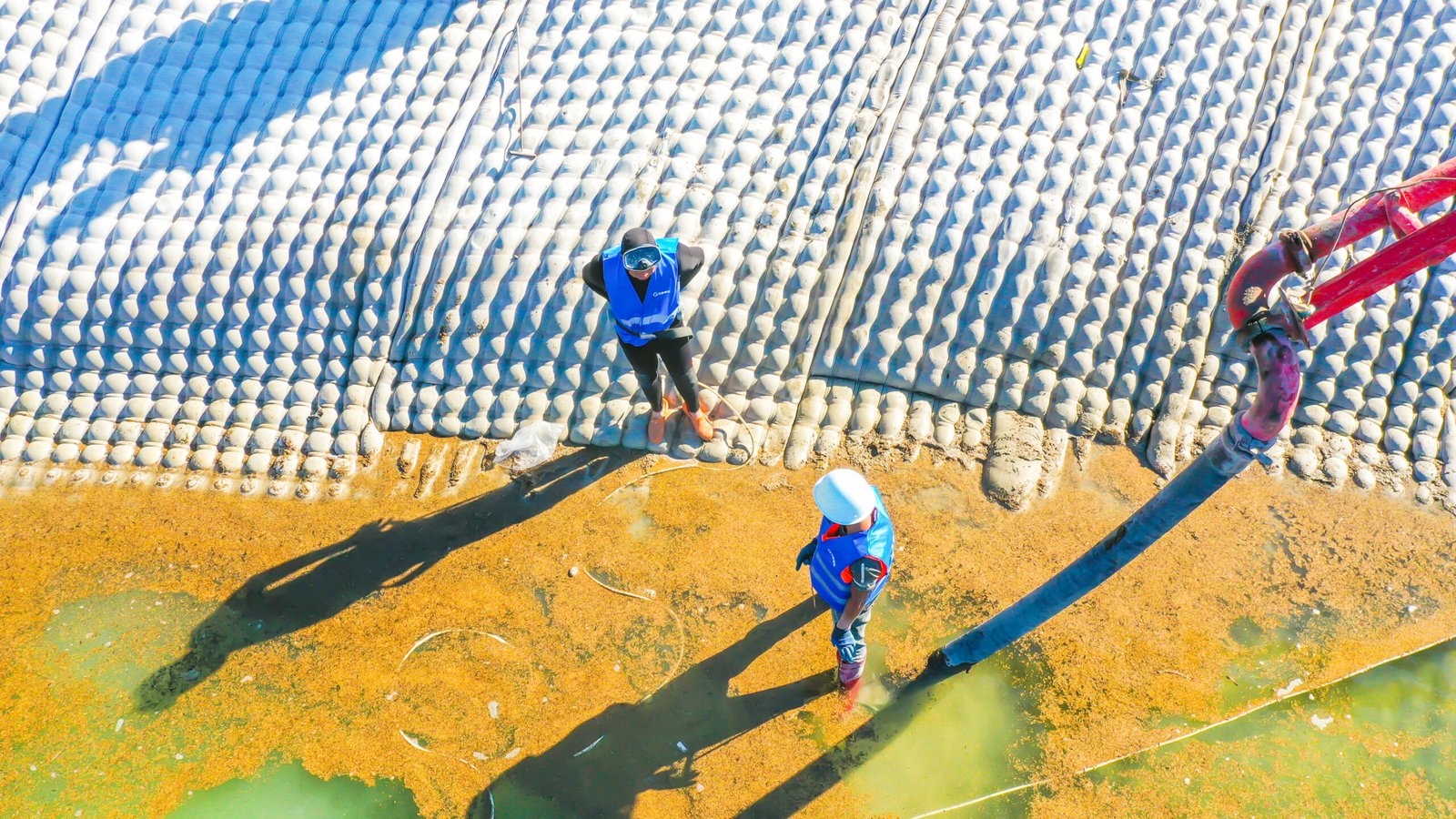
Common filter point mattress installation problems almost always stem directly from poor pumping sequencing on steep slopes. Filling the formwork continuously from the highest elevation and moving downwards practically guarantees a nasty structural blowout. Gravity severely accelerates the heavy wet slurry, thereby building massive localized hydrostatic head pressure at the lowest sealed formwork edges.
Smart field operations dictate actively working methodically from the absolute toe of the slope upwards. Filling lower submerged sections first successfully creates a heavy anchor block that physically supports the immense sliding weight of subsequent upper panels. The integrated woven filter points act as reliable mechanical friction anchors and strategically restrict uninhibited flow velocities between individual adjacent cells.
Should spotters suddenly notice excessive pillowing happening in a localized cell, immediate mechanical intervention is required. That ballooning usually means the injection nozzle is lodged far too tightly against the backing fabric, or the fine aggregate concrete mix design is prematurely stiffening inside the hoses. When minor blowouts do frustratingly occur, operators must quickly patch the localized rip with specialized underwater epoxy resin or immediately cinch the broken compartment tightly to prevent neighboring cells from bleeding aggressively into the compromised void.
Tactics for Filling Fabric Formwork Underwater
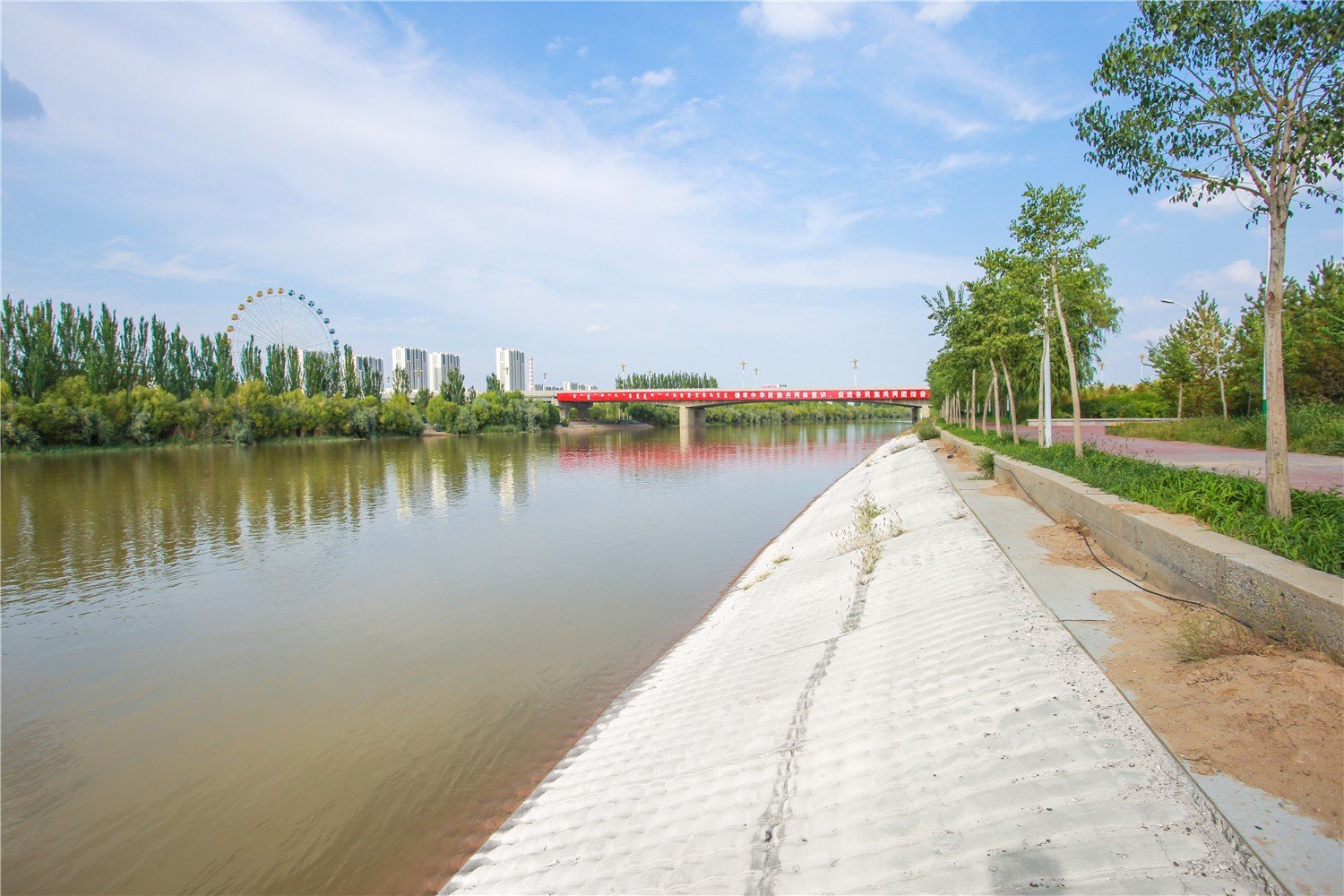
Submerged waterway applications completely rewrite the standard operational pumping resistance algorithms. Ambient cold water pressure forcefully pushing physically against the outside of the geotextile formwork works both for and directly against your pump operator. Hydrodynamic scour velocity resistance factors heavily into evaluating exactly how quickly you can safely inflate the submerged mattress without floating it right off the prepared subgrade.
Dive teams must constantly monitor the ongoing inflation uniformness entirely via physical touch and restricted sight. Placed heavy concrete rapidly displaces trapped ambient water, which desperately needs a designated escape route. As formally detailed in technical literature on formed concrete mattresses, a distinct engineering advantage comes from the structural provision of filter points to release pore water pressure from the embankment while simultaneously equalizing the harsh inflation stress.
Communication protocols dictate zero margin for error below the surface baseline. Clear, unbroken radio communication between the lead structural diver and the topside pump operator is an absolute daily necessity here to adequately prevent severe internal over-inflation. Divers guide the nozzle directly into designated factory ports, rigorously verifying that the required permeability coefficient stays fully functional while simultaneously dodging fast-moving lateral river currents.
Uplift Pressure Resistance and Filter Mechanics
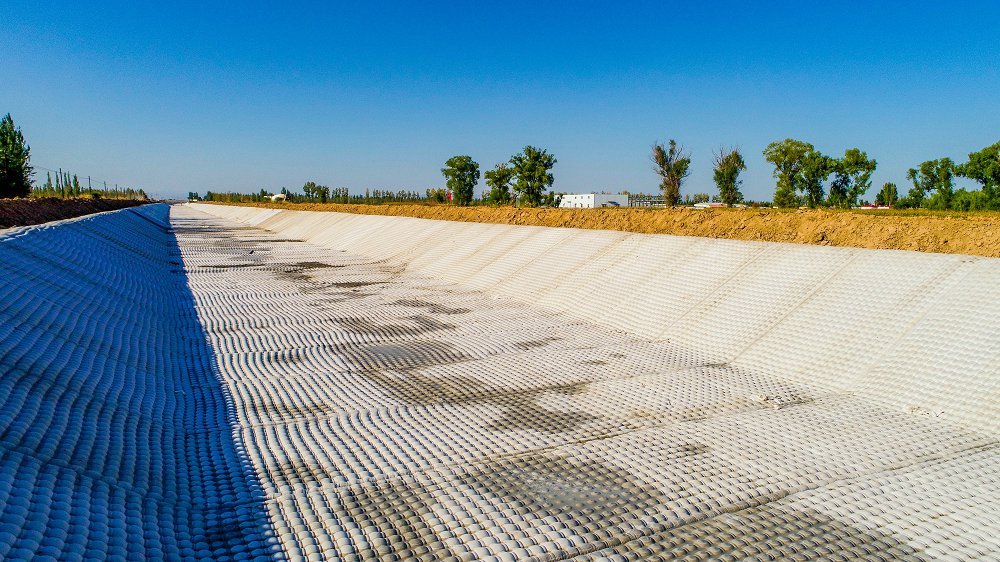
Those recessed fabric dimples scattered equally across the mattress surface serve a massive structural purpose for the long-term revetment integrity. They structurally compress the dual woven fabric layers tightly together, physically acting as permanent reverse-flow relief valves for trapped groundwater. A properly installed rigid matrix directly provides exceptional uplift pressure resistance during rapid channel drawdowns or extreme seasonal tidal shifts.
Precise spacing layouts of these critical filter points directly influences the rigidness and the ultimate hydraulic roughness coefficient of the entire poured concrete slab. Topside pump equipment operators need to watch these specific intersection points incredibly closely. If a woven filter point begins to visibly bulge outward or internally separate, the concrete delivery flow rate must drop instantaneously.
They practically serve as the reliable canary in the coal mine for evaluating excessive internal line pressure before a localized rip severely compromises the entire layout. The underlying structural integrity heavily requires these exact weave points to stay deeply embedded within the curing grout. If high-pressure pumping aggressively pops these dimples flat, you inadvertently create an expansive blinding layer that totally nullifies your engineered drainage capacity forever.
Permeability Coefficient Limits During Pumping
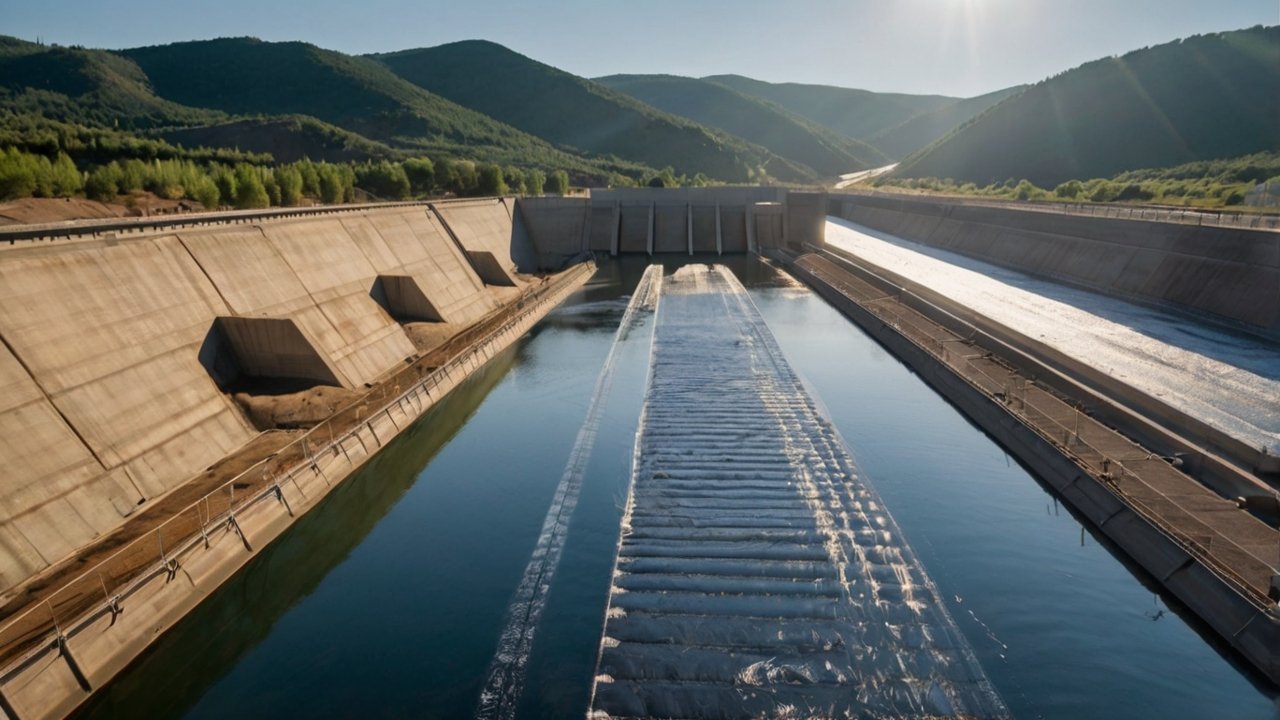
Allowing residual bleed water to gently escape is entirely necessary for proper strength development, but it undeniably requires extremely careful monitoring. The specialized woven and non-woven geotextile backing is explicitly manufactured utilizing a specifically engineered permeability coefficient limit. Hydrology engineers desperately want trapped internal mixing water to quietly weep out, but you simply cannot allow rich cement paste to rapidly wash away into the adjacent river ecosystem.
Pumping an excessively watery grout mix quickly clogs the delicate surrounding fabric pores. Once those vital exterior pores heavily blind over with sticky cementitious fines, excess bleed water gets permanently trapped indefinitely inside the closed micro-cells. This trapped surface moisture eventually creates a terribly weak, spongy concrete block unit exhibiting a severely decreased final unit weight.
Maintaining heavy discipline eliminates this expensive disaster altogether. Sticking strictly to your predetermined 0.45 water-to-cement ratio and heavily relying entirely on modern industrial plasticizers completely removes this incredibly messy operational scenario. The resulting poured unit properly sets with an incredibly hard exterior finish, perfectly matching original design specifications.
Handling Embankment and Slope Pumping Operations
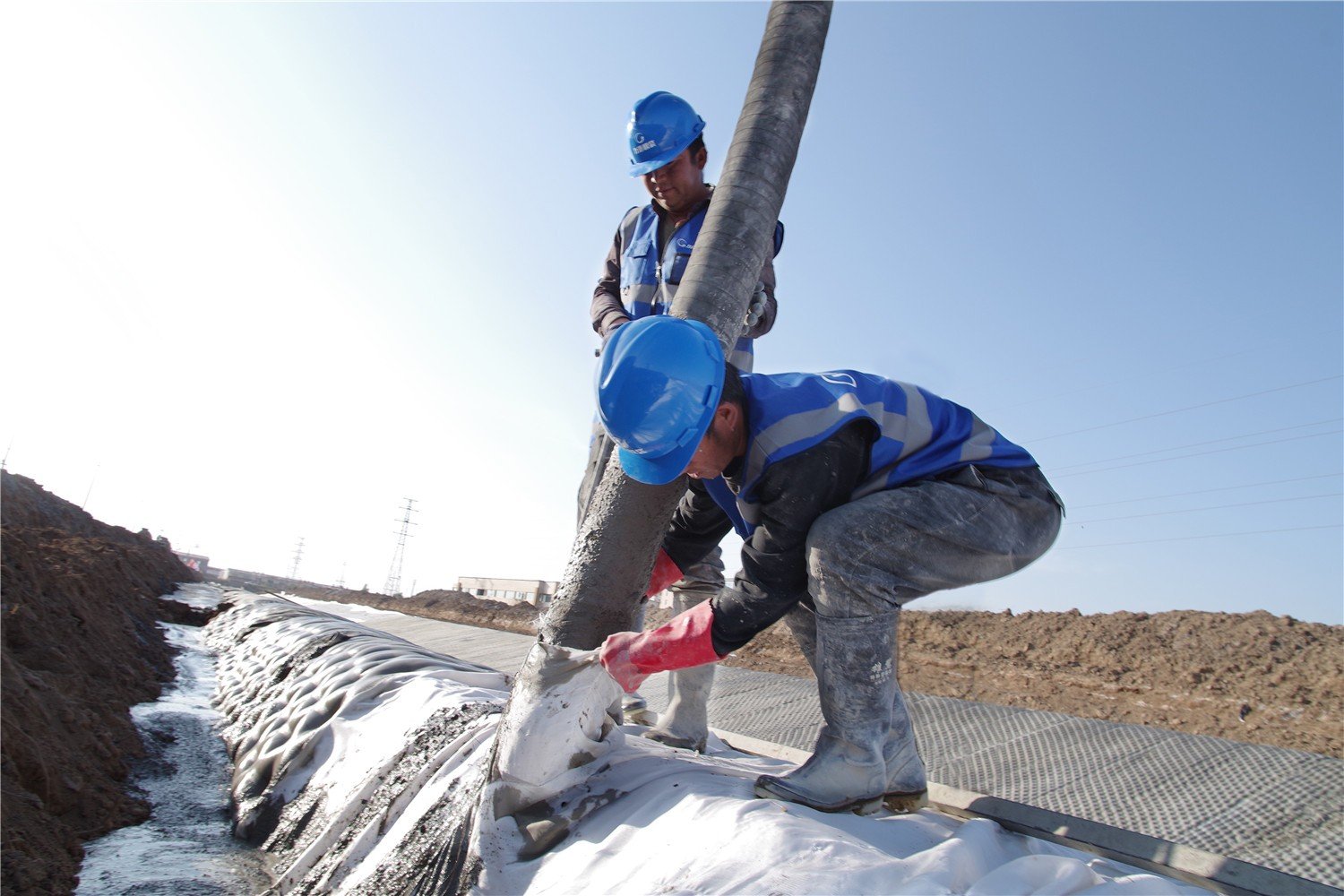
Pouring material continuously on steep embankment grades often strongly requires utilizing pump mixes heavily modified with premium viscosity-enhancing agents to actively prevent intense gravitational slumping. Crews typically pump the lowest foundational structural lifts, wait patiently for the initial chemical set to harden, and then diligently continue systematically upwards towards the elevated crest.
Deploying sophisticated commercial chemical retarders comfortably allows the installation crew to properly manage massive structural volume pours over extended summer operational shifts. Referencing comprehensive data from the Concrete Admixtures Market Size projected growth, utilizing customized chemical modifiers is now increasingly the accepted standard for building complex hydraulic structures.
These specific industrial admixtures flawlessly allow operators to perfectly dial in the exact necessary curing timeline required for securing steep revetments against fast-moving turbulent water. Preventing the wet heavy grout from aggressively sagging into a large shapeless bulge heavily defines a deeply successful slope stabilization campaign.
Bridging Site Reality with Manufactured Tolerances
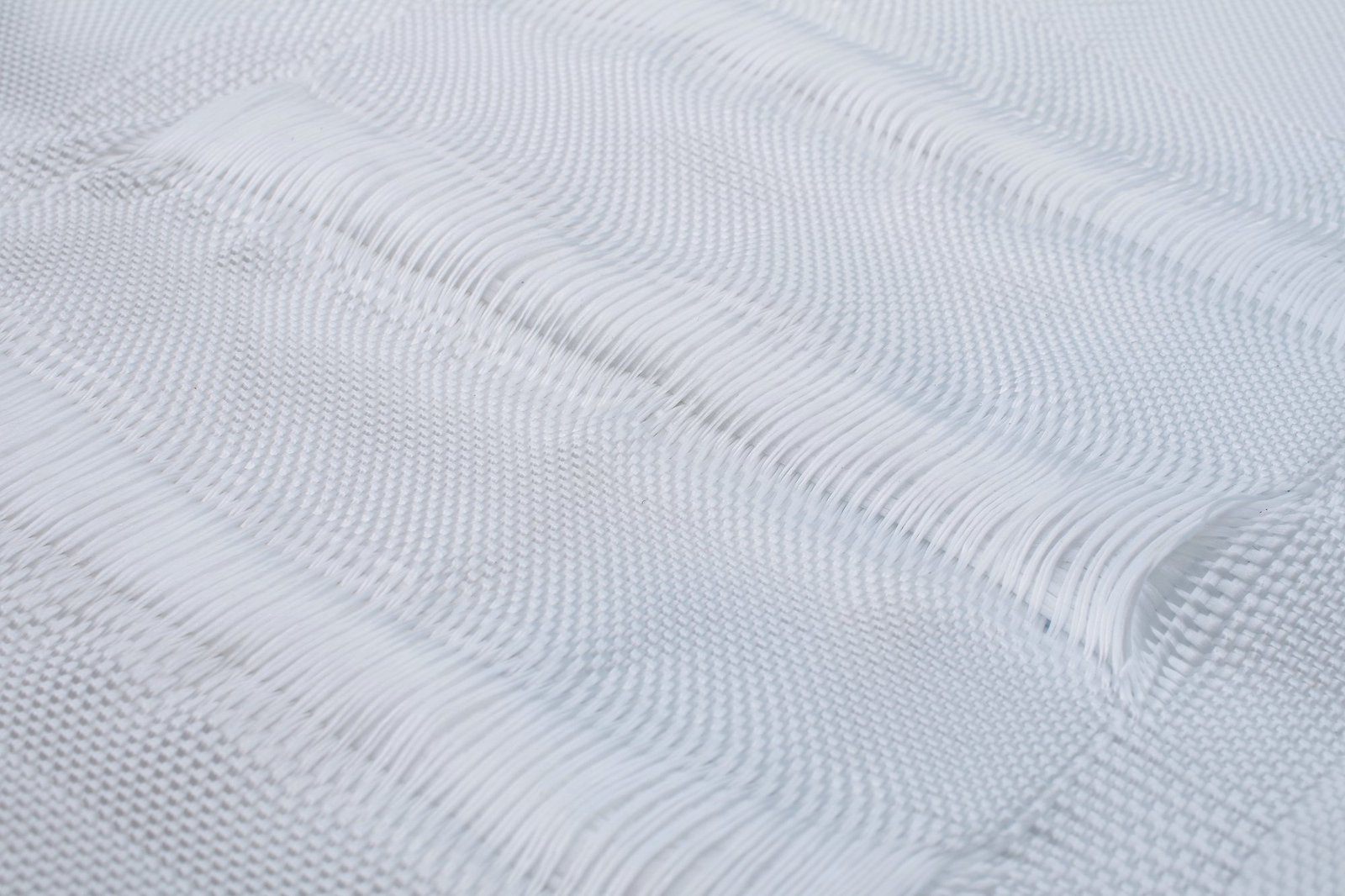
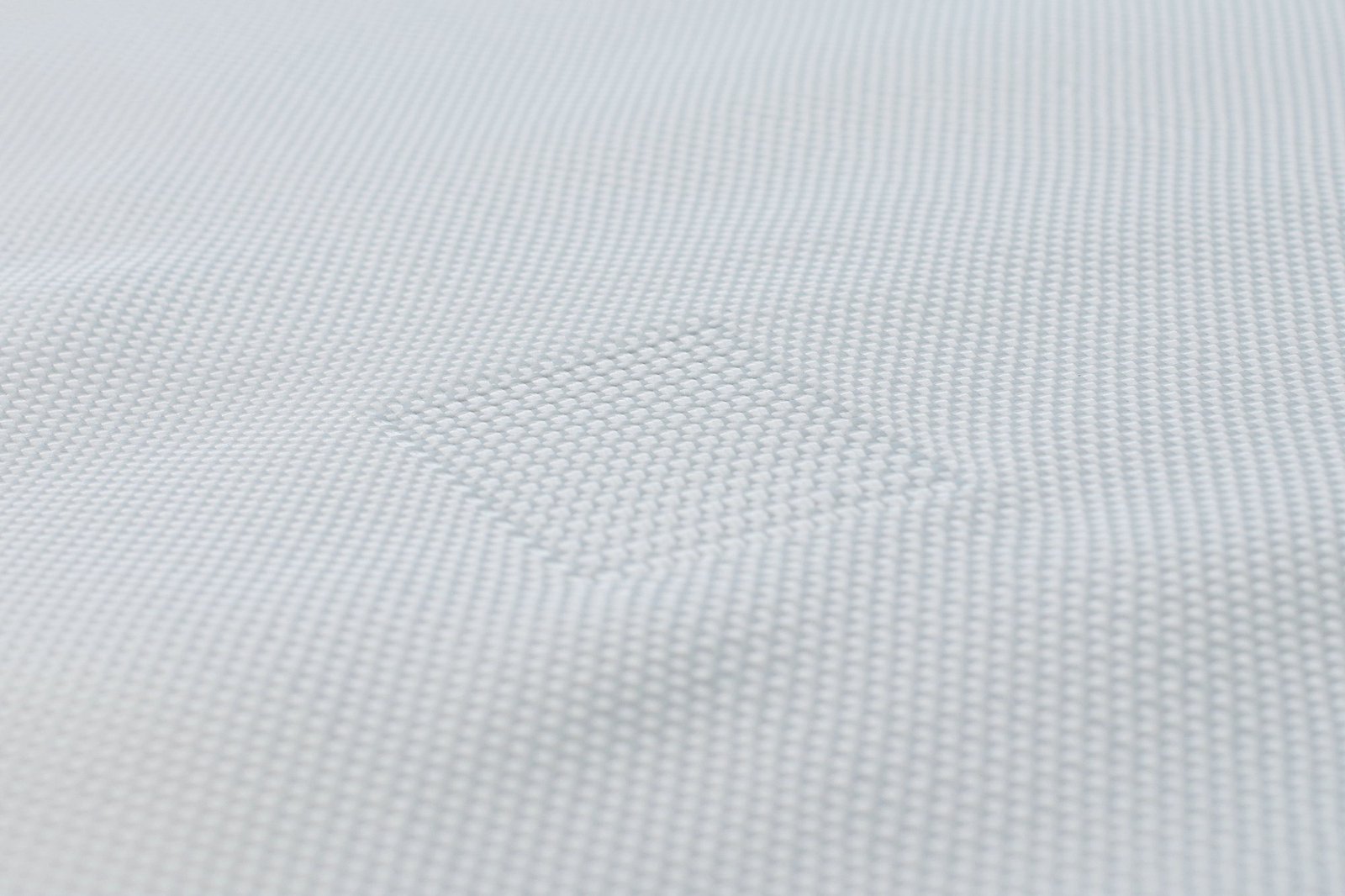
Procuring premium woven fabric formwork directly successfully mitigates a massive portion of these typical operational pumping risks. Tight weaving tolerances meticulously managed securely within specialized manufacturing facilities save field engineers countless wasted hours of miserable environmental troubleshooting. Generic or poorly stitched fabrics frequently stretch unevenly apart under a heavy wet load, whereas specialized technical products reliably perform highly predictably under pressure.
Looking at HydroBase as a solid industry example, their heavy-duty woven polyester and nylon geotextile fabrics are engineered specifically to safely handle high-velocity commercial injection pumping. Mechanically reinforcing the vital overall seam peel strength and precisely calibrating the exact woven filter point spacing simply gives harried structural pump operators a much wider daily margin of safety. When construction procurement managers purposefully specify a reliable and tested Filter Point Concrete Mattress, they are basically heavily investing in site predictability.
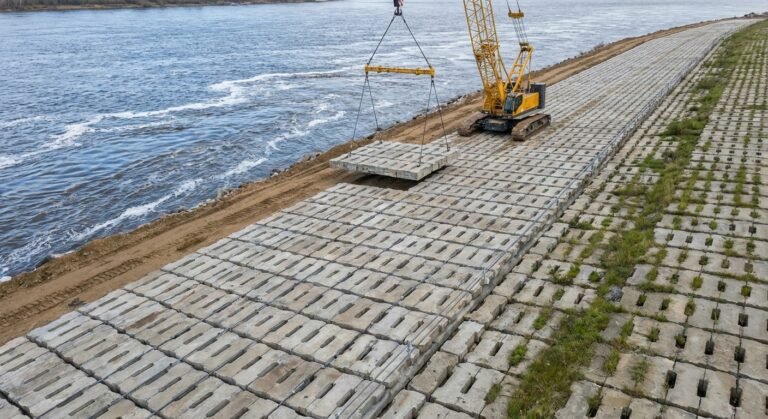
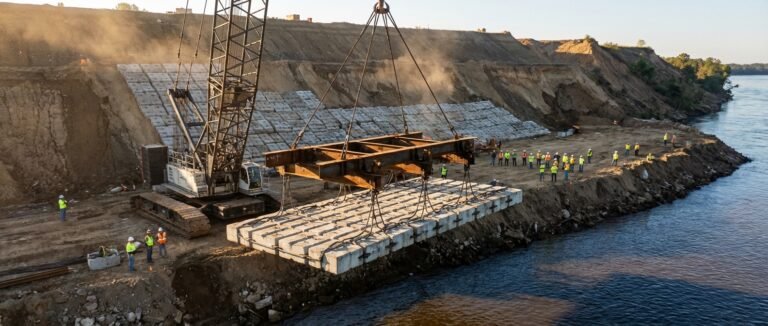
Their integrated technical drainage capacity successfully handles excessive slurry bleed water effortlessly inside the envelope, keeping the internal structural baseline hydrostatic pressures securely situated well within safe operational testing limits. We repeatedly transition between different interconnected rigid revetment types depending entirely on targeted channel flow velocity, sometimes heavily debating exactly when to clearly specify an articulated concrete slab mattress versus utilizing a continuously rigid poured fabric form system. Finding a capable manufacturing partner that easily custom handles both intricate geometries greatly streamlines the entire project procurement pipeline significantly.
The Pumping Parameters Verification Checklist
Smart field operations structural engineers constantly rely heavily on a tangible, physical system established well before the first commercial concrete truck even physically arrives on location. Mastering an intricate filter point concrete mattress pumping guide always mandates very strict daily field adherence to rigid operational baselines. A formally documented procedural matrix nicely aligns the topside mechanical pump crew, the submerged contracted dive team, and the overseeing project installation manager.
By actively utilizing a fully structured field execution matrix, you firmly lock in necessary quality control metrics across multiple rapidly changing operational shifts:
- Slump Test Physical Verification: Measured precisely and consistently between a strict Minimum 150mm and Maximum 200mm.
- W/C Ratio Absolute Cap: Locked permanently and firmly at 0.45 without any unauthorized spontaneous field adjustments.
- Maximum Aggregate Sizing Limits: Verified rigidly as 100% easily passing a standard 9.5mm filtration screen.
- Pump Stroke Rate Configuration: Initially established safely to the absolute lowest mechanical variable speed setting available.
- Injection Port Sequencing Rules: Mandated strict bottom-up progression specifically to actively prevent gravity-induced structural slumping.
- Filter Point Spacing Dimensional Stability: Visually thoroughly verified continuously throughout the entire rapid inflation phase.
- Backpressure Gauges Hardware: Confirmed fully mechanically operational and distinctly calibrated right before launching daily pumping.
Deploying this precise daily operational checklist essentially prevents basic, highly lazy assumption-based commercial errors. Every minute variable stretching from the sand-rich grout mix properties all the way down to the non-woven geotextile backing porosity simply must exist in perfect balanced harmony to successfully achieve the desired long-term structural scour velocity resistance. Deeply reviewing decades of highly successful previous concrete mattress projects proves relentlessly that extremely methodical, highly controlled daily execution consistently outperforms aggressively rushed, chaotic high-volume blind pumping.
Frequently Asked Questions
Q: What is the optimal concrete mix for filling fabric formwork underwater?
A submerged filter point concrete mattress heavily mandates a highly flowable, fine aggregate sand-cement formulated grout. The specific mix design must totally cap the precise water-to-cement ratio strictly at 0.45 while simultaneously utilizing premium superplasticizers to easily achieve a slump operating between 150mm and 200mm. Carefully eliminating coarse rocks totally prevents catastrophic internal line blockages during the localized pressure injection phase.
Q: How do you fix a clogged pump line during mattress installation?
Instantly reversing the heavy mechanical pump stroke immediately successfully relieves built-up dangerous system backpressure. Crews basically must quickly physically disconnect the fully blocked hose section and actively physically flush it out with pressurized river water or air before the grout permanently chemically sets. Daily maintaining continuous delivery pressures vastly below 15 psi right at the injection port effectively prevents ninety percent of these highly costly structural solidifications.
Q: What is the exact difference between a filter point and an articulated concrete mattress?
A filter point system operates exactly as a continuous, rigid fabric formwork continuously pumped totally full of fine concrete directly on-site, explicitly featuring integrated weave points engineered specifically for groundwater drainage. Alternatively, an articulated concrete mattress structurally utilizes precast fabricated concrete blocks rigidly physically tied tightly together securely with synthetic structural cables, safely allowing for extreme dynamic subgrade flexibility and functional structural hinges.
Q: What is the standard lead time and MOQ for custom fabric formwork?
Standard operational production engineering lead times for specialized geotextile woven formwork generally consistently range from two to properly four weeks actively depending entirely on required overall yardage and specifically specified seam peel strength. Most established industrial mattress manufacturers successfully institute rigid minimum order quantities starting right around 1,000 square meters primarily to financially justify actively customizing the precise dimensional filter point spacing for highly specific individual commercial projects.
Successful site installation execution of expansive woven concrete revetments absolutely relies entirely today on meticulously mastering the totally invisible wet fluid dynamics heavily occurring inside the fragile fabric. Pouring dense slurry continuously into highly confined, custom-stitched compartments radically tests the absolute limits of both your engineered fine aggregate mix design and your field crew’s operational patience.
Neglecting these highly critical fundamental pumping baseline parameters inevitably blindly invites deeply catastrophic seam structural blowouts and heavily delayed stressful construction schedules. Properly seamlessly aligning your expensive mechanical delivery equipment directly with premium, tightly tested geotextile parameters practically guarantees you effectively fully achieve the safely promised scour velocity resistance without needlessly wasting thousands of operational dollars on completely wasted, ruined grout.
Ready to completely standardize your upcoming steep embankment active revetment pour? Get our hydraulic protection design guide and concrete mattress specification sheet directly from HydroBase. Prepare your site operations team with reliable data before the first concrete truck pulls onto the riverbank.
Need a concrete mattress solution for your project?
HydroBase provides end-to-end concrete mattress engineering & installation services — from hydraulic design and factory-direct ACM supply to on-site supervision and post-project inspection. Trusted by civil engineers in 50+ countries.