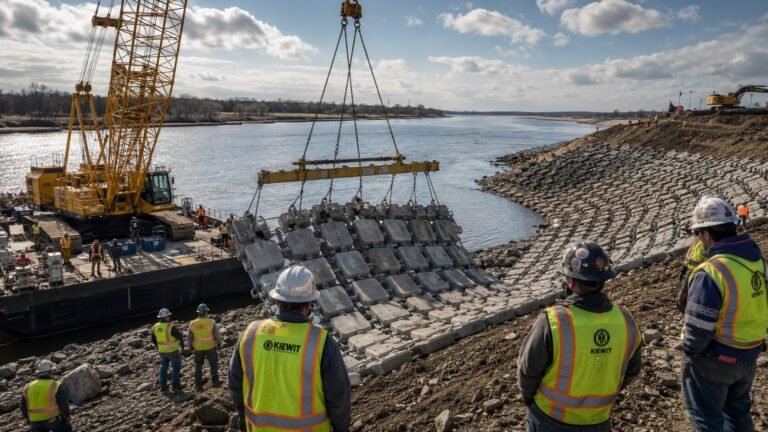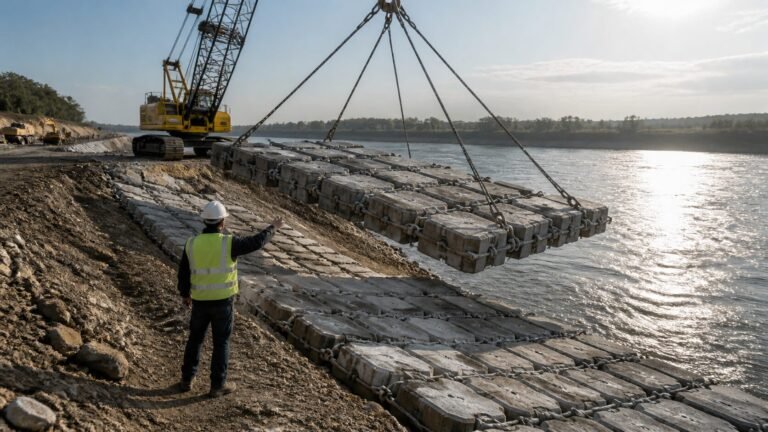

Deciding between slab and block geometry in erosion control throws many design teams for a loop. Specifying the correct system requires matching exact hydraulic forces with physical geometries rather than just guessing. As an engineering consultant with over a decade of hands-on experience in concrete mattress manufacturing and hydraulic scour protection design, I evaluate fluid velocity data against revetment mass limits constantly – you can actually feel the concrete density when the mix ratio is spot-on. Comparing different structural forms ensures you achieve long-term channel stability without over-engineering your budgets.
Too many project specifications use generic terms for articulated systems when the nuanced differences between a flat-profile slab and a prominent, high-profile block define the project’s survival. High-velocity channel flows interact entirely differently with planar surfaces than they do with textured, energy-dissipating blocks. You have to analyze the hydraulic shear stress, boundary layer separation, scour velocities, and unit weights. If you miss the mark on geometry, you risk subgrade washout underneath the armor layer. Engineers need clear, test-driven parameters to decide when the low-drag efficiency of a slab outperforms the aggressive interlocking stability of a thicker block.
Fluid Dynamics of Flat Slab vs. Block Profiles
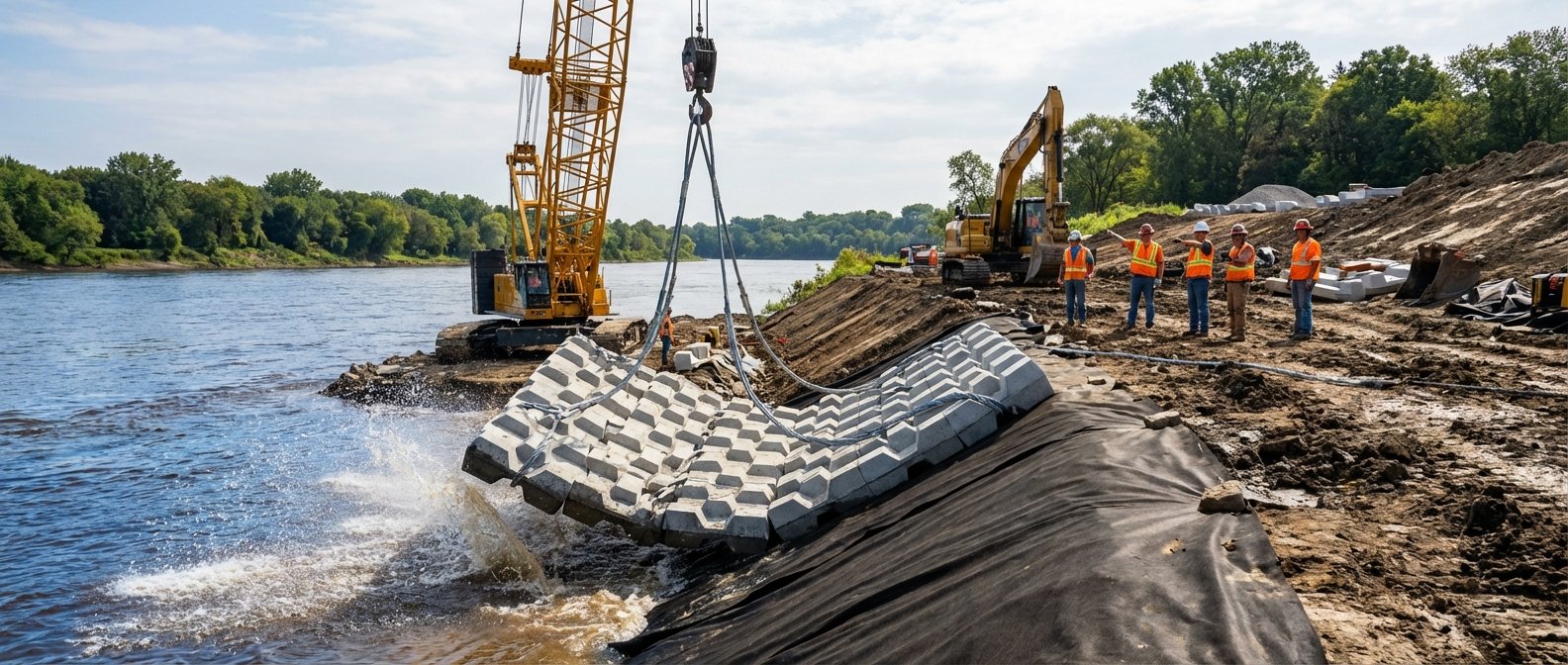
Geometry strictly governs how water behaves as it travels over an armored surface. Standard block configurations often feature raised domes or aggressively chamfered edges designed to maximize surface roughness. This macro-texture acts as an energy dissipator, creating micro-turbulences that slow down the boundary layer flow. Roughness works well in steep drop structures where shedding kinetic energy is the primary goal. However, that exact same roughness increases the overall form drag on the individual concrete units. When water hits those raised edges, it exerts significant lateral pressure against the blocks.
Slab geometries take a completely different hydrodynamic approach to channel protection. Designing a low-profile mattress means engineering a surface that allows high-velocity water to glide over it with minimal frictional resistance. An articulated concrete slab mattress presents a functionally planar surface to the flow, dramatically lowering the Manning’s roughness coefficient. By reducing drag, the flat slab experiences far lower overturning moments at the leading edge of each individual unit. Water simply has less surface area to grab onto during peak discharge events.
Engineers must calculate the precise boundary layer mechanics for their specific channel profile before selecting a shape. In smooth, laminar flow conditions, a flat geometry minimizes head loss across long canal networks. According to fundamental industry guidelines, articulating concrete block (ACB) revetment systems are used to provide erosion protection by establishing a stable, contiguous matrix. You maintain that stability in a slab system by relying on low-profile dynamics rather than sheer vertical mass.
Analyzing Subgrade Preparation and Scour Potential
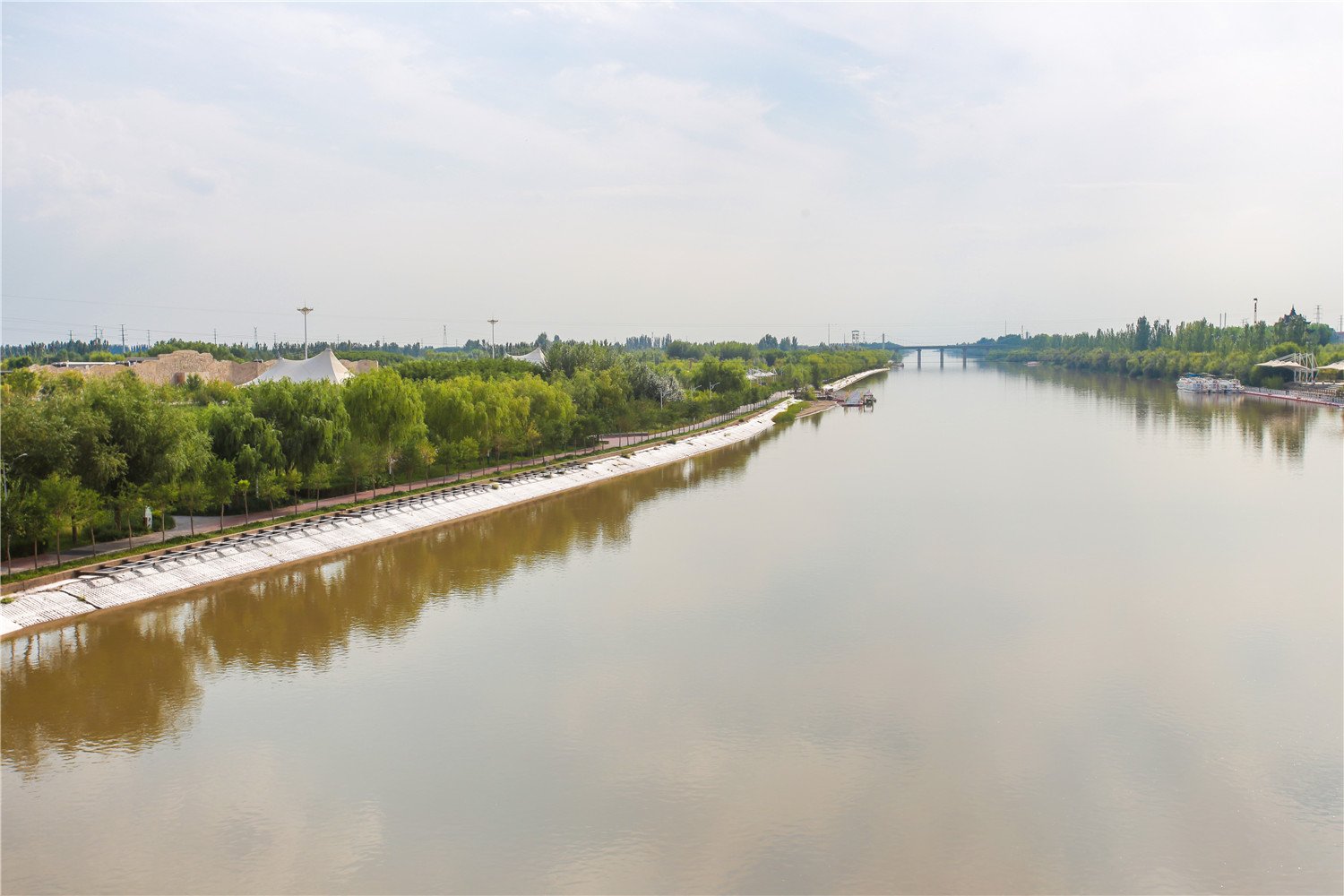
Tolerances in the dirt dictate the success of the concrete placed over it. Subgrade preparation becomes entirely unforgiving when you specify a slab-style mattress. Because slabs are thinner—typically ranging from 114mm to 152mm in thickness—they conform tightly to the exact contours of the compacted soil beneath them. If the grading contractor leaves ruts, indentations, or sharp humps in the bank profile, the thin slab will telegraph those imperfections immediately upon placement.
Block systems, with thicknesses sometimes exceeding 228mm, have enough structural rigidity to bridge minor subgrade anomalies. Slabs cannot mask poor dirt work. When a flat mattress drapes over an unevenly graded bump, the individual concrete elements tilt. This tilting creates localized edge projections, which are a major hazard in fluid dynamics. If a single slab edge catches the direct flow vector, hydrodynamic uplift forces multiply exponentially compared to a flush surface.
Addressing localized scour requires flawless integration of the underlying geotextile fabric. The non-woven or woven geotextile acts as the soil retention barrier, preventing fine silts from migrating through the concrete matrix. Tensile strength parameters for these fabrics generally must exceed 52.5 kN/m to resist puncturing during installation. Strict site preparation standards are vital here. As noted in major regional public works standards, restoring stream beds near original conditions requires removing concrete debris over 150 mm to ensure the subgrade is perfectly uniform before the mattress makes contact.
Hydraulic Shear and Velocity Thresholds
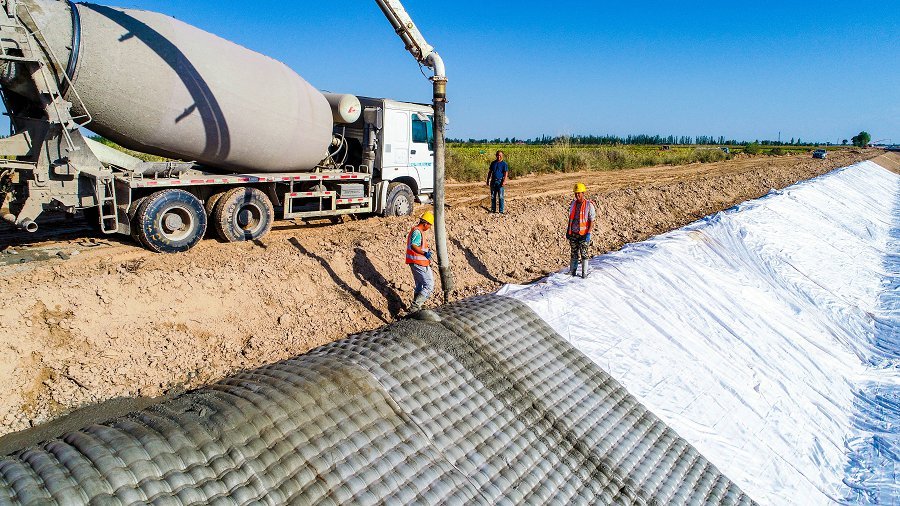
Translating theoretical flow models into physical concrete choices revolves heavily around shear stress capacities. Shear stress, measured in pounds per square foot (lbf/ft²) or Pascals (Pa), represents the tractive force water applies to the channel bed. Prominent block geometries utilize aggressively interlocking edges that lock the system together under heavy turbulence, sometimes resisting shear stresses well above 18 to 24 lbf/ft². They rely on mechanical interference between the units to prevent any single block from dislodging.
Low-risk channels and moderately flowing canals rarely generate such extreme tractive forces. Slabs handle moderate hydraulic shear incredibly efficiently by simply not offering resistance. A typical slab-style mattress might be rated for a maximum shear stress of 12 to 14 lbf/ft² and flow velocities around 4.5 to 5.2 meters per second. The protective mechanism relies entirely on continuous unit mass and minimizing form drag. Because there are no raised profiles to catch the current, the hydraulic load on the system remains predictably low under standard operating conditions.
Specifiers looking at high-velocity drop structures should lean toward heavy, interlocking blocks. Those designing long agricultural drainage networks or steady-state river realignments find better value in slabs. It boils down to a cost-benefit analysis of mass versus velocity. There is no physical reason to pay for 250mm thick concrete blocks when an engineered 125mm slab provides an acceptable safety factor for the predicted 50-year storm velocity.
Weight Distribution and Flexibility Mechanics
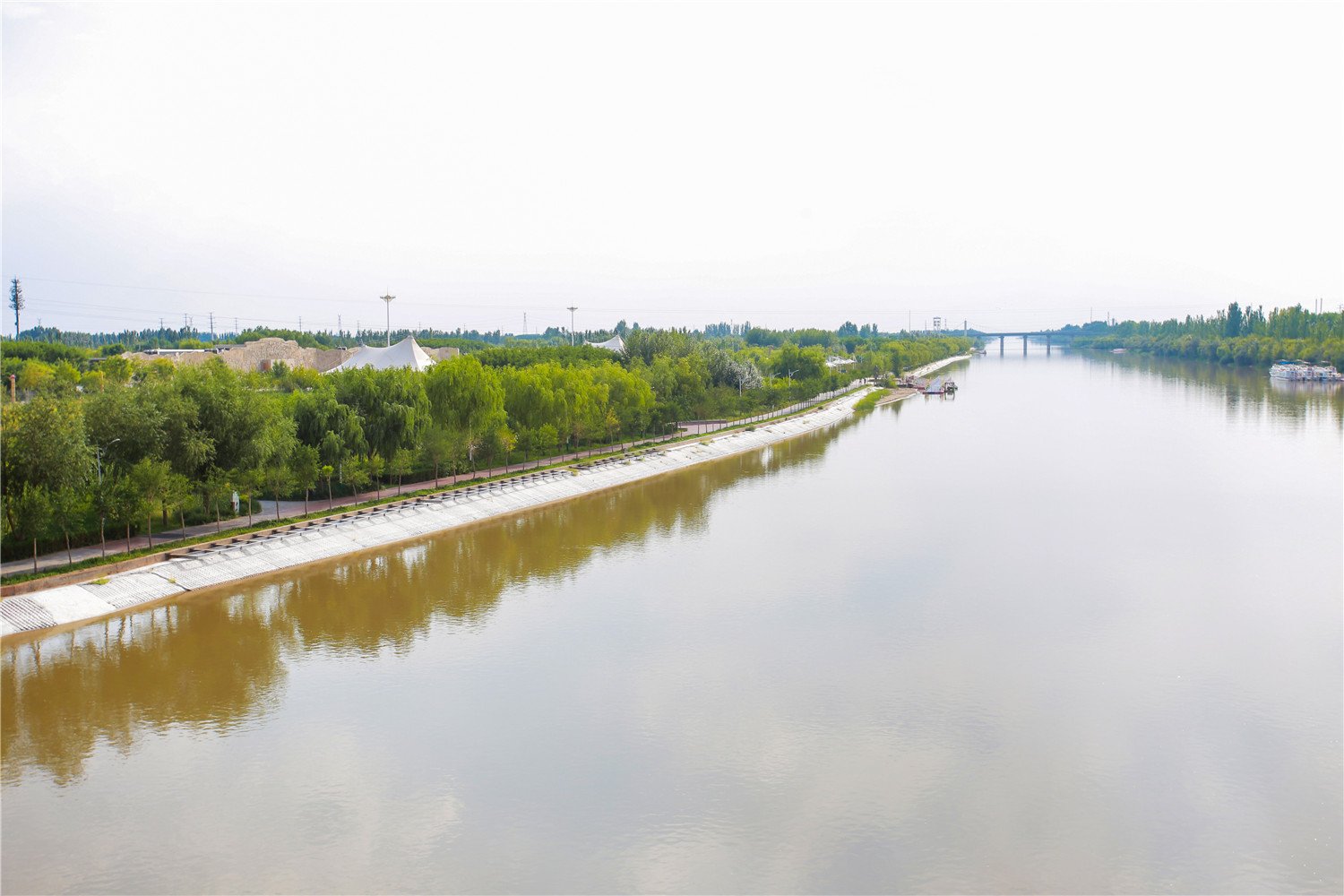
Mass acts as the final line of defense against hydrodynamic uplift. A standard block system concentrates high mass into a smaller footprint, achieving unit weights that can exceed 390 kg/m². Slabs maintain a lower, more uniform weight distribution, spreading a steady footprint of roughly 220 to 240 kg/m² across the embankment. This consistent weight distribution creates uniform compression on the geotextile interface, locking the soil layer tightly without demanding excessive bearing capacity from soft riverbank clays.
Flexibility differentiates heavy revetments from poured-in-place rigid concrete. Hinge joints and interconnecting cables allow the mattress to settle dynamically if minor subgrade shifts occur. Slabs feature slightly tighter physical spacing between the concrete units since they lack deep interlocking side tapers. This tighter geometry restricts the ultimate bending radius somewhat compared to taller blocks. You can roll a heavy block mattress over a surprisingly sharp crested weir because the deep tapers allow articulation. Slabs prefer smoother, gentler transitions.
Engineers must calculate the bending moment applied to the cables when the mattress conforms to a channel toe. Sharp transitions force the upper corners of flat units into direct alignment, potentially binding the system if the radius is too aggressive. Properly grading a continuous 3:1 or gentle 2.5:1 slope eliminates binding risks and allows the flat matrix to perfectly mirror the native topography.
Managing Open Area Percentages for Pressure Relief
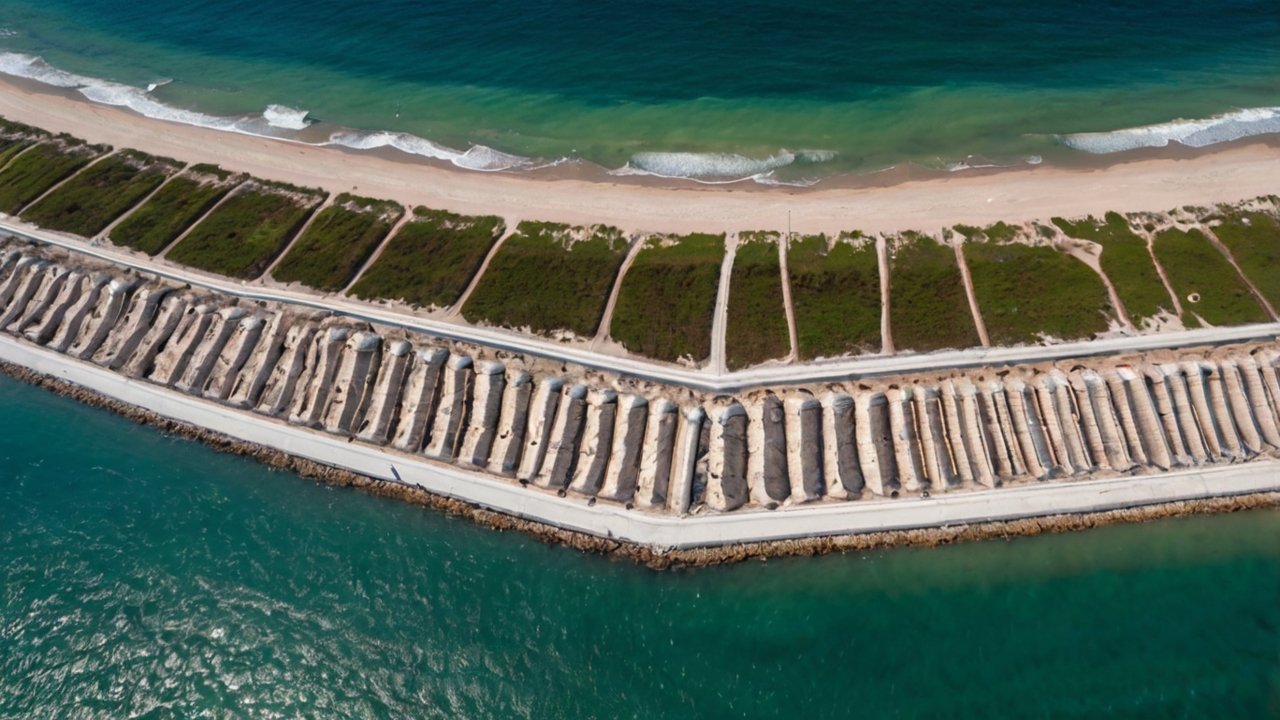
Hydrostatic pressure builds up relentlessly behind any revetment system installed in fluctuating water levels. When water levels drop rapidly after a storm event, the trapped groundwater inside the bank attempts to push outward. Systems with high open areas let this groundwater escape instantly, relieving subsurface pressures that could otherwise pop the armor layer off the slope.
Standard block designs frequently incorporate vertical voids, boasting open area percentages anywhere from 15% to 25%. These large voids encourage rapid drainage while functioning beautifully as planters for deep-rooted native grasses. Specifying a completely different ecological goal shifts the design entirely. For example, utilizing a vegetated concrete mattress maximizes root penetration to anchor the system chemically and biologically into the clay layer.
Flat geometry panels intentionally minimize their open voids. Slabs typically run very tight open area ratios, generally hovering between 5% and 10%. The goal is to provide maximum solid surface area to deflect rapid surface currents. Because the open area is restricted, the underlying subgrade must consist of free-draining granular soils, or the engineer must deliberately specify weep holes and synthetic drainage composites under the mattress. You cannot place a tight slab directly over saturated clay without addressing groundwater relief mechanics.
Cable Reinforcement and Lifting Dynamics
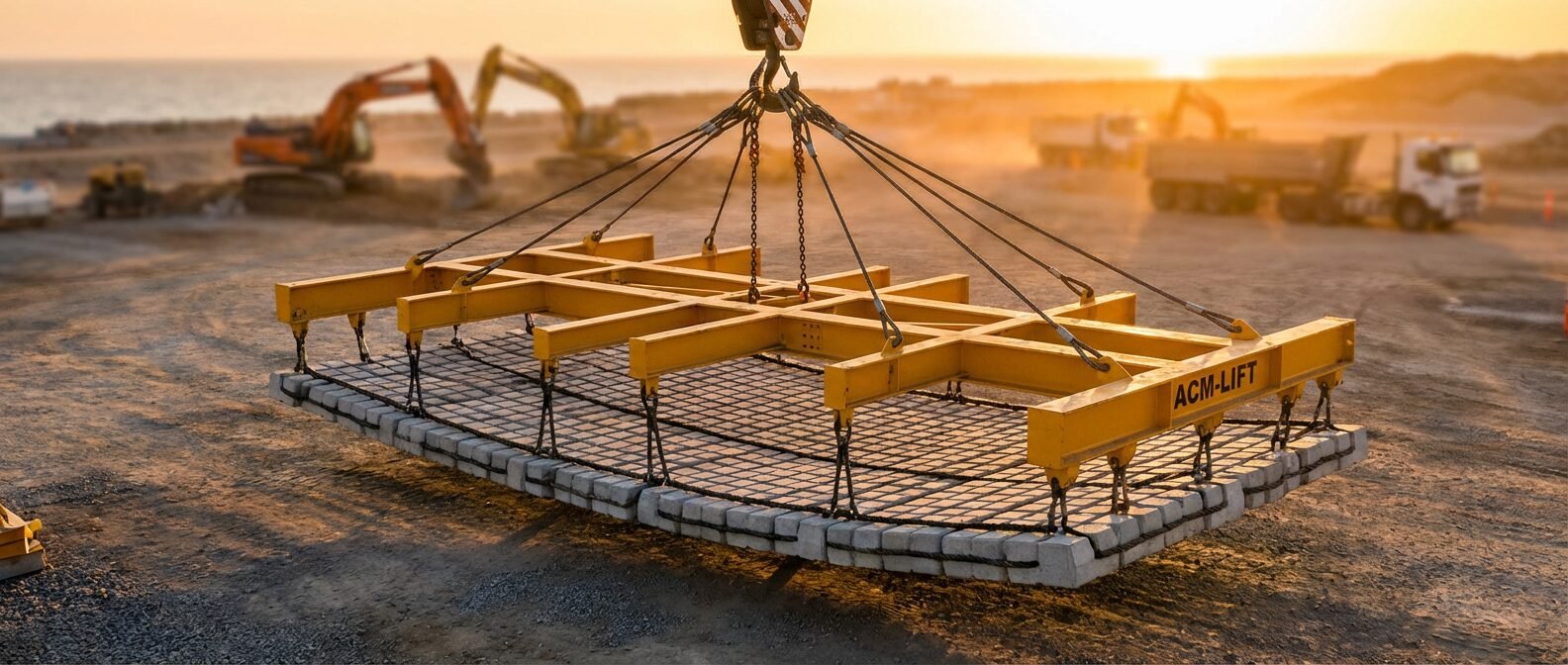
Internal cabling serves two distinct phases in the life of articulated systems: deployment and long-term stability. The continuous grid of longitudinal and lateral cables holds the individual concrete elements together during lifting operations. Polyester revetment cables and galvanized steel alternatives possess completely different elongation profiles. Polyester ropes stretch slightly under massive dead loads, whereas stainless steel offers higher rigidity but carries a higher risk of localized crimp failure if bent sharply.
Lifting a precast concrete block assembly with massive dimensions requires heavily engineered spreader bars. Taller geometries possess inherently stronger structural moments around the cable duct. Flat slabs require multi-point lifting frames designed to distribute pick stresses perfectly evenly across the entire structural grid. If a contractor attempts to lift an 8-meter long flat configuration with a basic two-point sling, the middle sections undergo severe deflection, risking internal cable snapping outright.
Municipal estimating relies on clearly defining these lifting and material logistics. Funding allocations frequently reference national databases where revetment mat articulated concrete block pay items explicitly outline the installation costs per square meter. Managing deployment physics properly ensures those allocated budgets are met, rather than eaten up by broken concrete panels discarded during botched lifting protocols.
Specifying an Articulated Concrete Slab Mattress
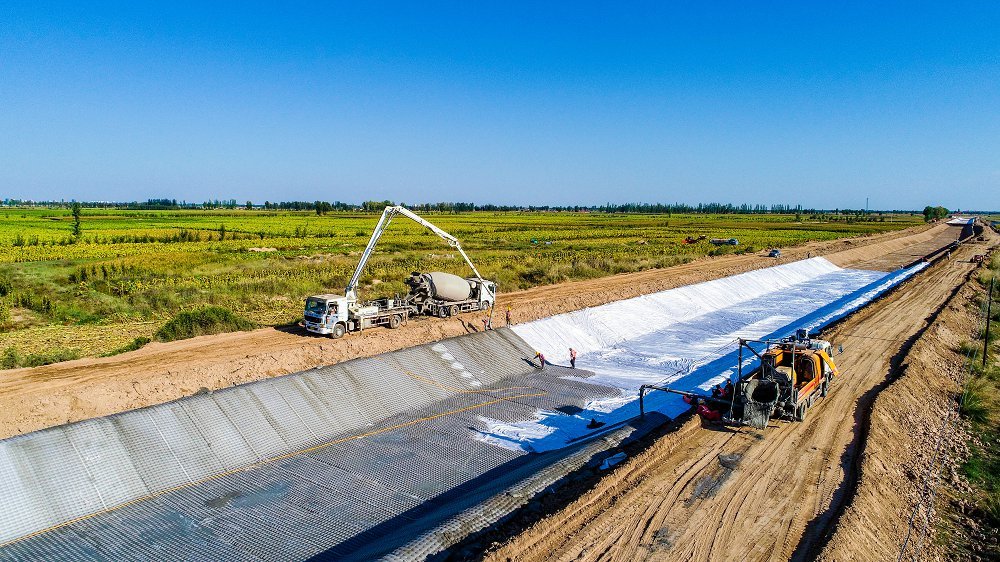
Navigating the shift from a conventional bulky shape to a specialized planar layout is an exercise in exact mathematical modeling. You are trading rugged mechanical interlock for streamlined hydrodynamic efficiency. Certain manufacturing partners focus heavily on perfecting the dimensions of these low-profile structures. HydroBase, for instance, operates an extensive custom production operation dedicated to refining the exact edge bevels required to stop edge projection on thin panels.
Transitioning from a general concept to heavy infrastructure procurement demands extreme quality control. By casting units from high-durability C30/C35 grade concrete, manufacturers guarantee the thin sections remain structurally dense. You do not have the luxury of sacrificial mass with a 130mm thick panel. Every cubic inch of concrete must meet rigid compressive strength standards to endure potential debris impacts floating down the canal. Specifying a precision-engineered articulated concrete slab mattress provides engineers the streamlined footprint needed for massive irrigation basins and low-gradient drainage networks.
The real engineering trick lies in managing the cable voids. Drilling tight tolerance channels through a flat element requires sophisticated automated molding equipment. If the cable void is too large, the individual unit shifts laterally during flow variations, destroying the tight planar surface. Reliable suppliers enforce rigorous tolerances (+/- 2mm) on void placement to ensure the internal skeleton of the matrix remains completely taut once deployed on the river bank.
Analyzing Material Specifications and Tolerances
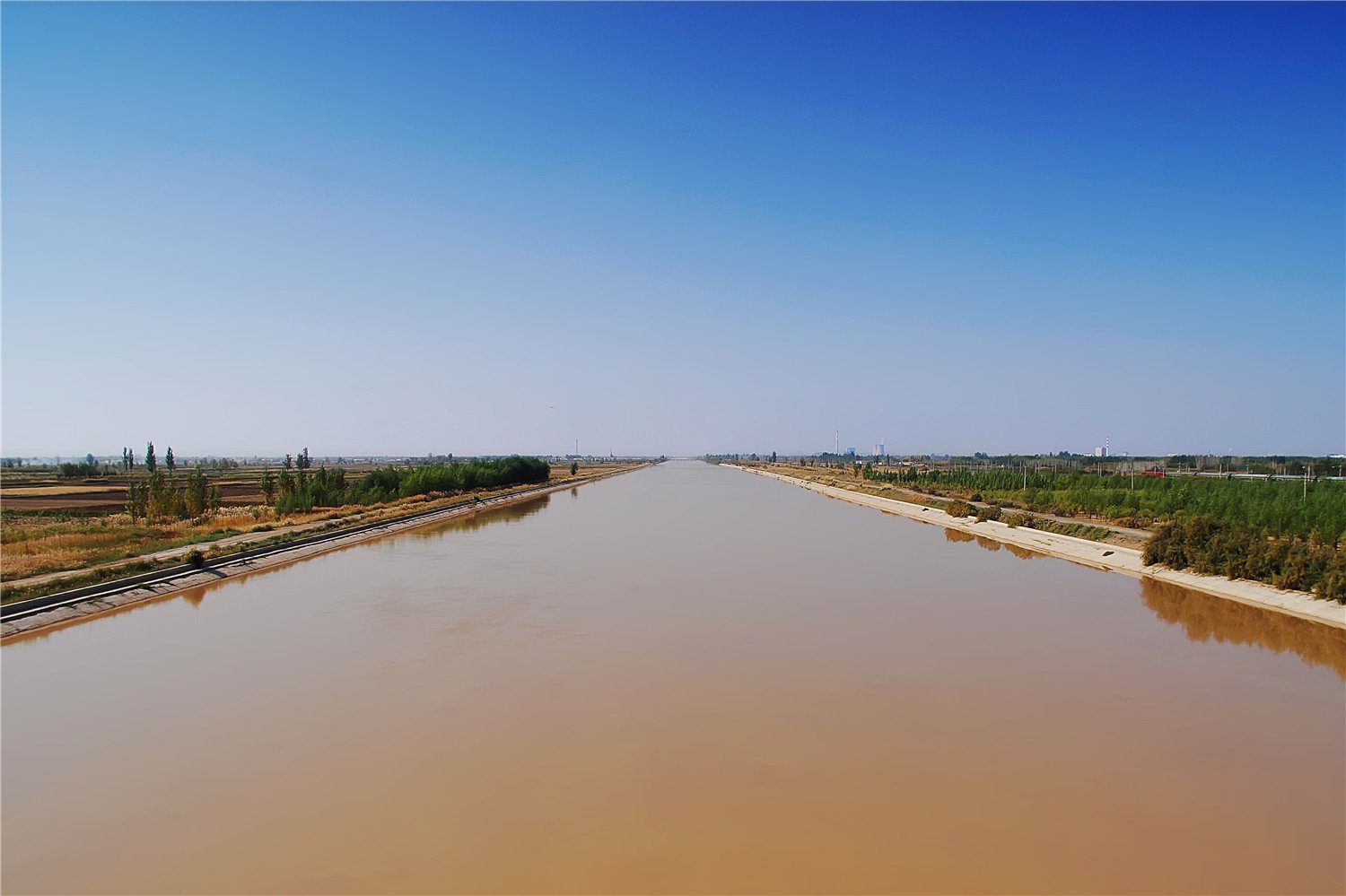
Choosing a specific armor layout means mapping parameters visually against project risk elements. I frequently compile comparative spreadsheets to prevent contractors from substituting the wrong geometry during the bidding phase. Creating a clear matrix allows design teams to evaluate the hard numbers associated with each geometric classification instantly.
Taking these data points seriously helps prevent devastating failures on the jobsite. A filter point concrete mattress offers different permeability mechanics, but when evaluating pure precast cable-tied geometries, the comparison matrix below directs your final structural selection perfectly.
| Design Parameter | Articulated Flat Slab Profile | High-Profile Block System |
|---|---|---|
| Typical Unit Thickness | 110mm – 150mm | 175mm – 250mm+ |
| Open Area Ratio (Varies) | 5% – 12% (Low Permeability) | 15% – 25% (High Permeability) |
| Hydraulic Shear Limit | 10 – 15 lbf/ft² | 16 – 24+ lbf/ft² |
| Manning’s Roughness (n) | 0.025 – 0.030 | 0.035 – 0.045 |
| Subgrade Grading Tolerance | Extremely Strict (No bridging) | Moderate (Can span minor ruts) |
| Ideal Application Area | Canals, gentle slopes, lake banks | Drop structures, spillways, sharp curves |
| Logistics / Freight Efficiency | High (Dense packing possible) | Low (Bulky, fewer m² per truck) |
Overcoming Logistical Hurdles in Procurement
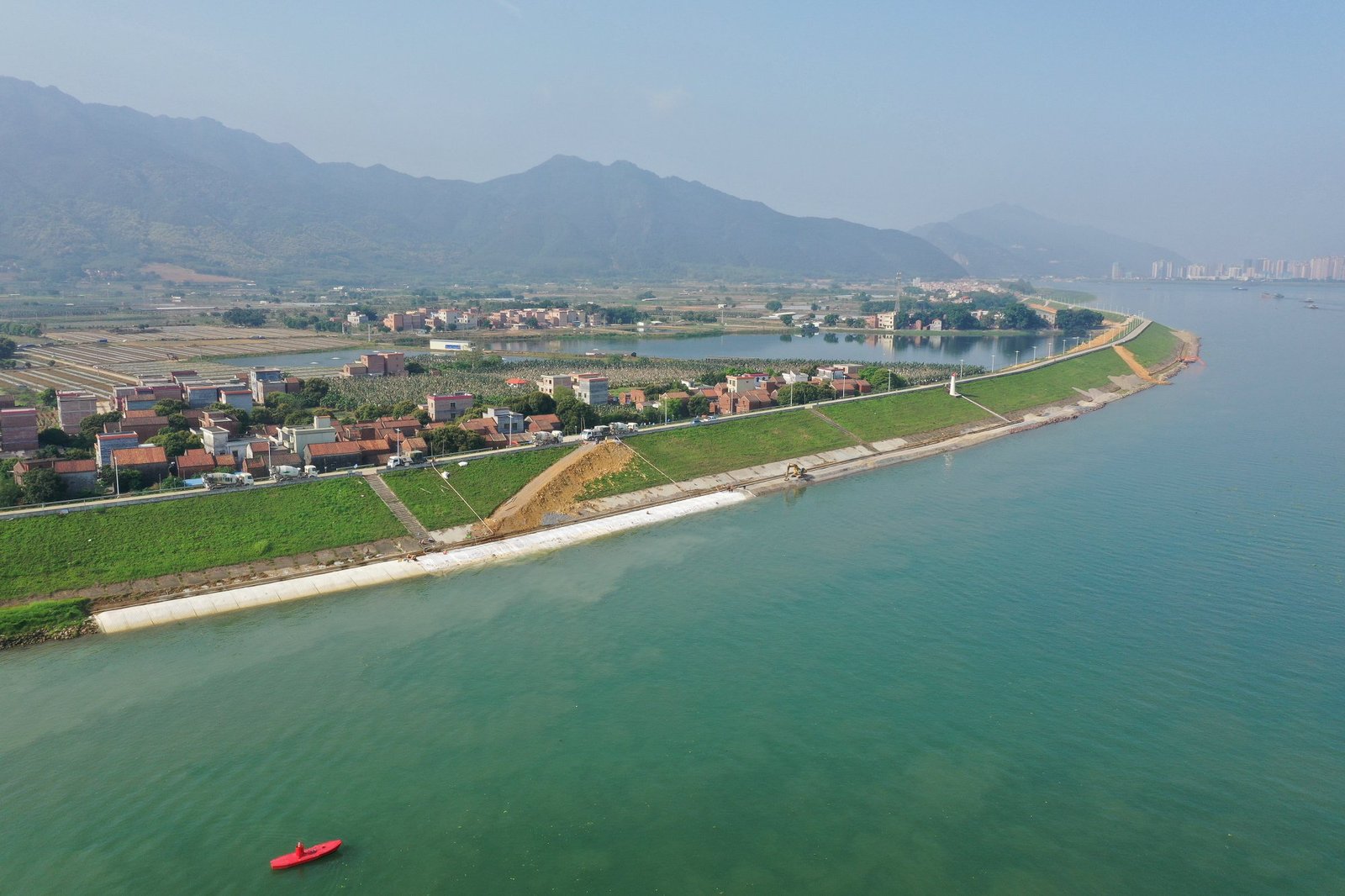
Getting hundreds of tons of precast material to a remote riverbank challenges even the most efficient supply chains. Flat geometries hold massive logistical advantages over deeply tapered shapes. Because there are no prominent vertical structures projecting from the face, slabs stack incredibly tightly onto flatbed trailers or inside international shipping containers. You are moving pure concrete mass rather than paying to transport trapped air between large interlocking teeth.
Delivering more square meters of coverage per truckline directly shrinks the project’s carbon footprint and freight budget. HydroBase actively capitalizes on this packing efficiency by bundling low-profile slabs securely, making massive erosion control projects in remote locations economically viable. Shipping bulky components restricts the viability of many municipal budgets right out of the gate. Maximizing the amount of armor layer you can fit onto a standard 22-ton hauling rig transforms your overall unit economics.
Handling dense stacks on site requires clear staging protocols. Contractors must lay down proper timber dunnage to prevent the bottom units from sinking into muddy riverfront laydown yards. The tight vertical nesting means the crane operator has to rig very cleanly; snatching a panel roughly can scuff the flush face of the adjacent units. Properly planned staging and deployment maximize the inherent financial advantages of flat concrete systems.
Frequently Asked Questions
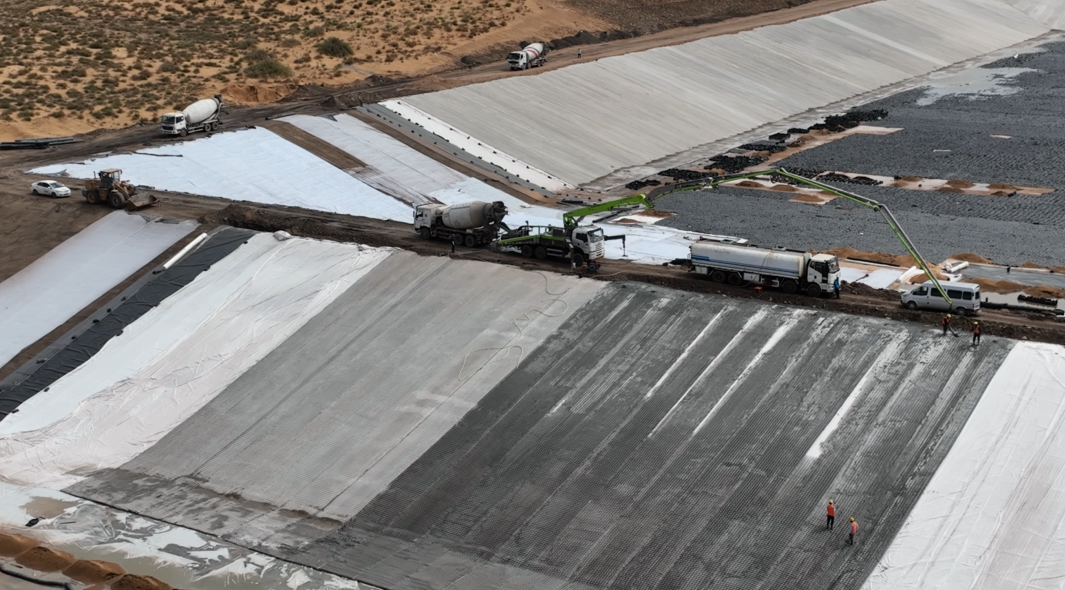
### Q: What is the maximum allowable flow velocity for an articulated concrete slab mattress?
An articulated concrete slab mattress typically withstands flow velocities between 4.5 and 5.5 meters per second, depending on cable tension and subgrade compaction. High-profile blocks handle higher velocities up to 7.0 m/s due to heavier unit mass. Always consult exact hydraulic lab testing data for the specific geometry chosen.
### Q: What is the difference between a cable-tied slab and a filter point concrete mattress?
A cable-tied slab consists of precast concrete panels linked by internal cables, offering immediate mass upon installation. A filter point mattress utilizes pumped concrete filling a dual-layer fabric formwork on-site to create localized drainage nodes. Slabs handle impacts better, while pumped fabrics conform better to irregular underwater topography.
### Q: How does shipping cost differ between slab and block geometry?
Slabs drastically reduce shipping costs per square meter because their flat profile allows for high-density stacking without wasted air space. Buyers can fit up to 30% more coverage area into a standard shipping container. This makes flat profiles ideal for large-scale B2B procurement and global logistics.
### Q: What subgrade preparation is required for a flat concrete mattress?
Flat mattresses require highly precise subgrade grading smoothed to within +/- 25mm of the design elevation. Because slabs are thin (typically 114mm-152mm), they cannot bridge bumps. Geotextile underlayment with a tensile strength exceeding 50kN/m must be installed smoothly without wrinkles to prevent soil pumping.
Form Follows Flow
Selecting the exact geometry for your erosion revetment goes far beyond reading a generic product catalog. Analyzing the specific channel hydraulics, boundary layer drag, and sheer logistics dictates whether a thick, interlocking layout or a streamlined, low-profile barrier fits the parameters best. Slabs offer an incredibly efficient, low-drag surface ideal for agricultural canals, moderate velocity river courses, and aesthetically sensitive lake edges. They minimize frictional head loss and drastically optimize freight costs through dense stacking capabilities.
Understanding exactly how these articulated concrete elements interact with peak discharge flow determines the survival rate of the riverbank infrastructure you specify. Geometry is an active engineering variable. You must evaluate the grading tolerances of your contractors, the subgrade permeability, and the exact shear stresses involved.
Request a free technical consultation to match your specific channel dynamics with the correct geometry. Get expert hydraulic specifications directly from HydroBase at our articulated concrete slab mattress technical portal.
Need a concrete mattress solution for your project?
HydroBase provides end-to-end concrete mattress engineering & installation services — from hydraulic design and factory-direct ACM supply to on-site supervision and post-project inspection. Trusted by civil engineers in 50+ countries.