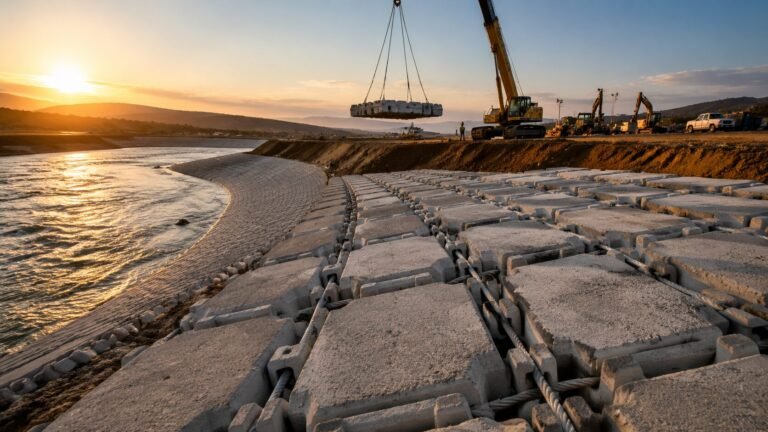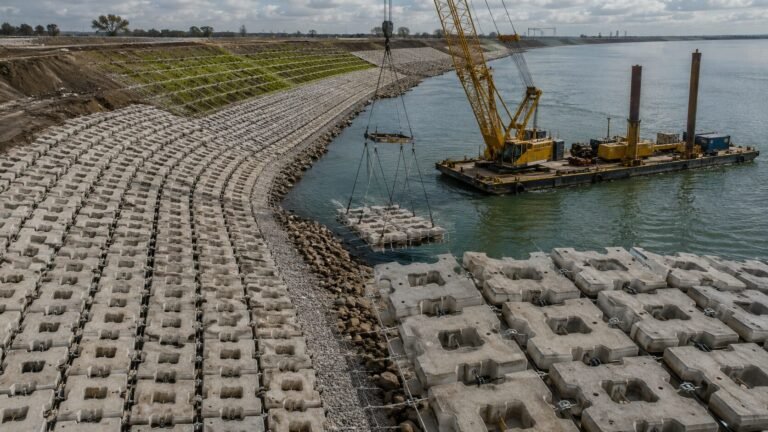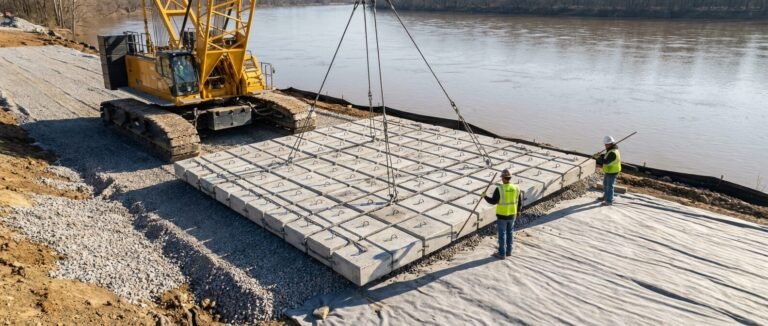

Staring at a hydraulic model showing boundary shear stress spiking on a river bend is a familiar scenario for civil designers. Specifying generic revetment systems without dictating the precise surface geometry leaves active channels vulnerable to uplift at the leading edge. In over a decade of analyzing hydraulic lab testing standards and engineering these precise protection matrices, we consistently see subgrade failures rooted in the fundamental slab versus block geometry debate. When you accurately map the aerodynamic flow profile of a low profile concrete mattress against a traditional truncated block, you unlock localized scour protection that survives turbulent flood stages.
Geometries dictate performance in high-velocity open channels. Specifying the correct articulated concrete mattress framework ensures the matrix maintains intimate contact with the degrading subgrade. Balancing mass against hydraulic roughness requires digging past generic brochures and understanding how woven formworks dictate the final cured concrete structure.
Hydraulic Mechanics of Slab vs. Block Geometry
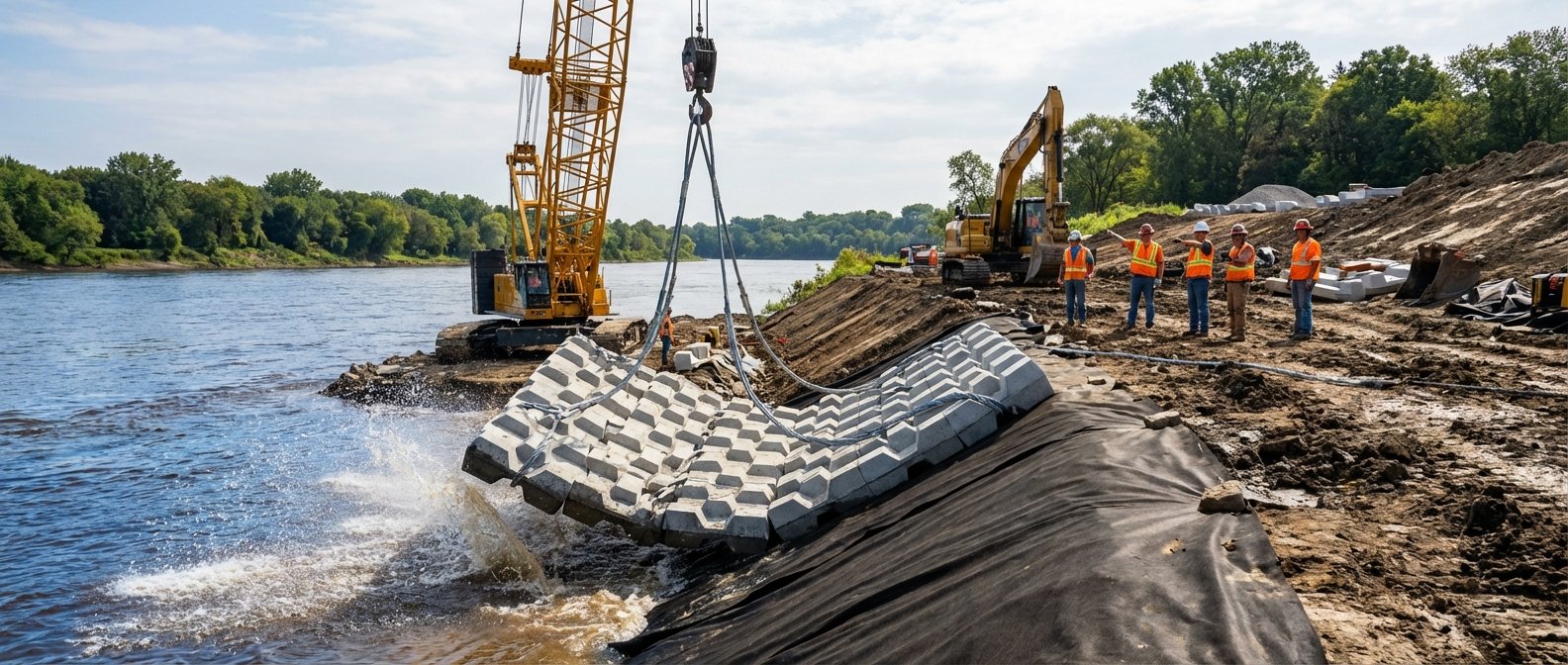
Water flowing over a submerged revetment behaves radically differently depending on the surface topography. A continuous planar slab profile creates a streamlined boundary layer that minimizes flow separation. Traditional discrete block elements cause micro-turbulence at every joint, which generates excellent energy dissipation but severely limits conveying capacity in constrained channels.
Slab geometries present a significantly lower Manning’s roughness coefficient, typically hovering around n = 0.025. Smooth surfaces allow rapid water transit during peak flood stages. Thick blocks, by contrast, push the Manning’s value closer to 0.035, intentionally retarding velocity at the expense of creating localized drag forces on the individual concrete elements.
When evaluating articulating concrete block (ACB) revetment installation standards, the hydrodynamic drag on individual elements directly informs the required mass density. Heavy blocks rely almost entirely on their dead unit weight to resist overturning moments. Thin slabs tackle the same forces by distributing the lift pressure across a vast, continuously woven fabric matrix. This structural continuity means a thinner section can often replace a significantly heavier discrete block system, provided the anchorage points hold.
Velocity Thresholds and Boundary Shear Stress
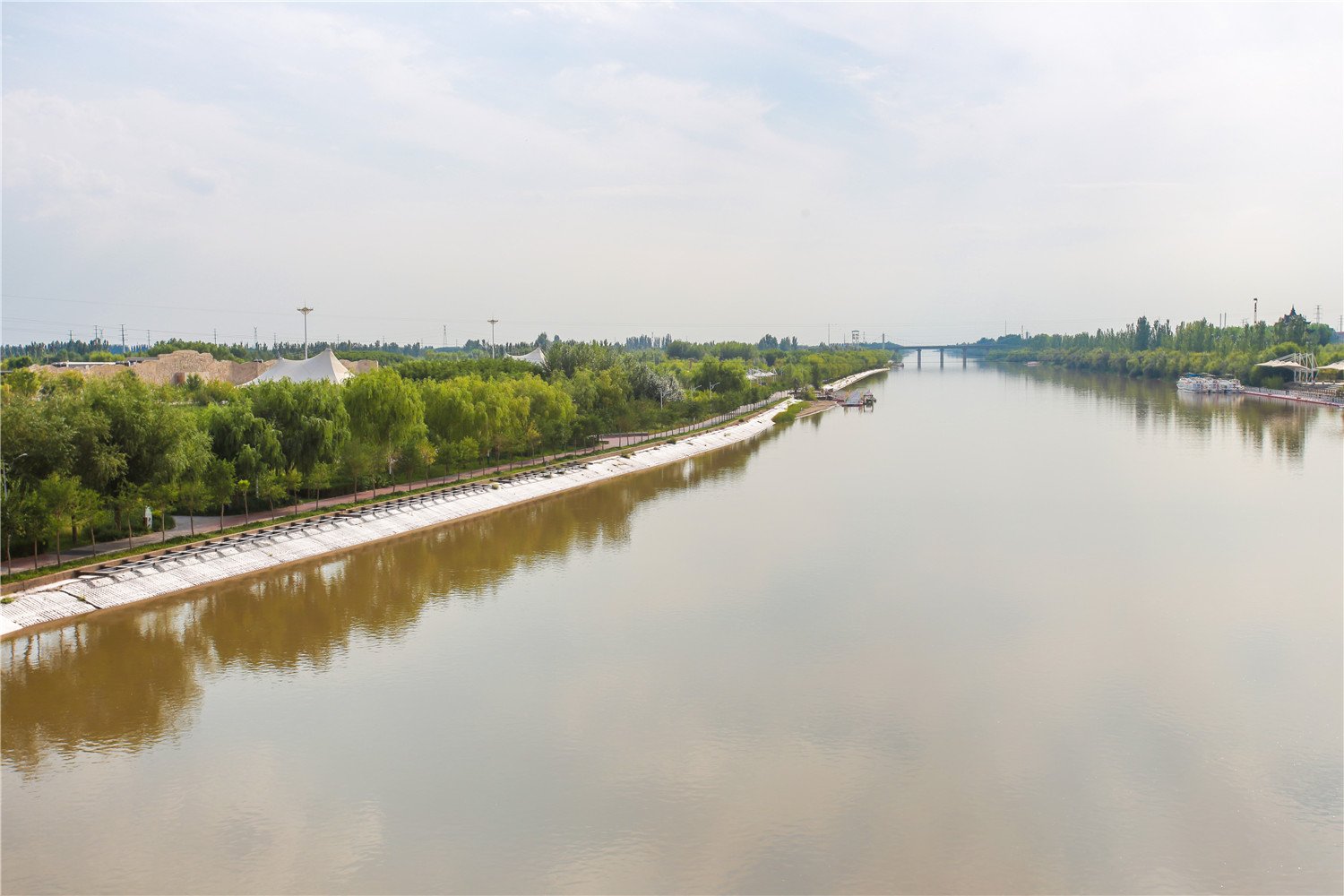
Differentiating between flow states requires evaluating sheer capacity versus aerodynamic drag. Slabs excel in linear flow environments where minimizing boundary layer separation is paramount. High velocities passing over a low-profile concrete surface exert frictional shear, but very little direct aerodynamic impact against the face of the concrete elements themselves.
Engineers routinely specify block thickness for slab formations between 100mm and 200mm. Achieving similar shear resistance with a discrete block system might require pushing profiles up to 300mm thick. Fabric-formed slabs draw their strength from the integrated woven geotextile possessing a longitudinal tensile strength of ≥50kN/m, creating a flexible armor layer acting as a unified monolithic shield.
Designing these systems demands high-quality fill materials. The internal core requires a minimum concrete grade of C30/C35 to withstand the chronic abrasion caused by suspended bedload transport. Pumping low-quality mixes compromises the structural integrity of the individual cells. High-grade concrete ensures the matrix withstands both the primary hydraulic shear and the secondary abrasive grinding from cobbles rolling down the channel invert.
Formwork Flexibility and Subgrade Conformity
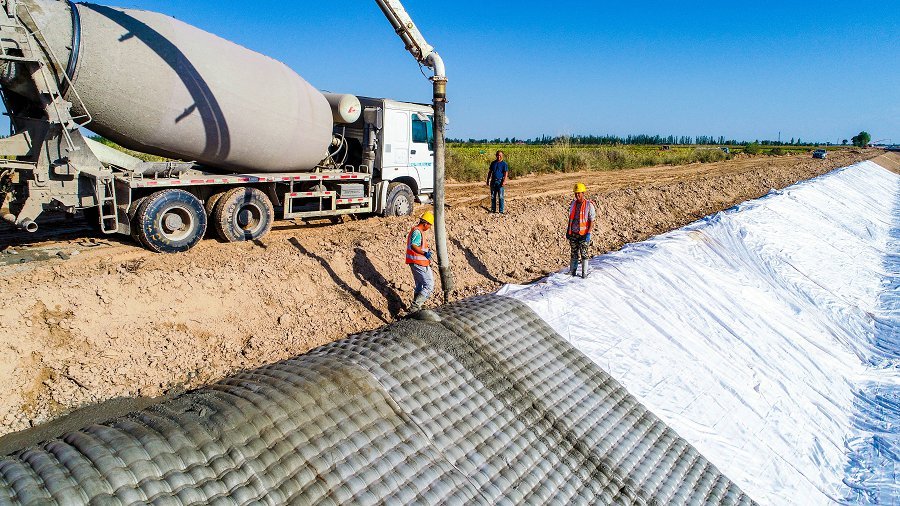
Laying rigid construction elements over a dynamic riverbed rarely yields perfect contact. Precast blocks often bridge across high spots in the subgrade, leaving dangerous hidden voids underneath the revetment. Unseen voids invite active piping failures, where rapid flow velocities extract fine soil particles right out from under the heavy armor.
Pumping a fluid system into an empty fabric envelope changes the installation dynamics. The unfilled formwork drapes perfectly across the undulating terrain before the introduction of any concrete. Internal spacer threads act as primary tension members during the filling process, locking in the precise uniform thickness required across the entire embankment face.
Government oversight bodies clearly recognize the necessity of perfect ground contact. Engineers dealing with public infrastructure often reference stringent integration mandates when reviewing Federal Highway Administration road pay items governing concrete revetment mats. Conforming tightly against the existing soil profile prevents the exact microscopic scour channels responsible for massive downstream embankment collapses.
Evaluating Scour Resistance at the Toe
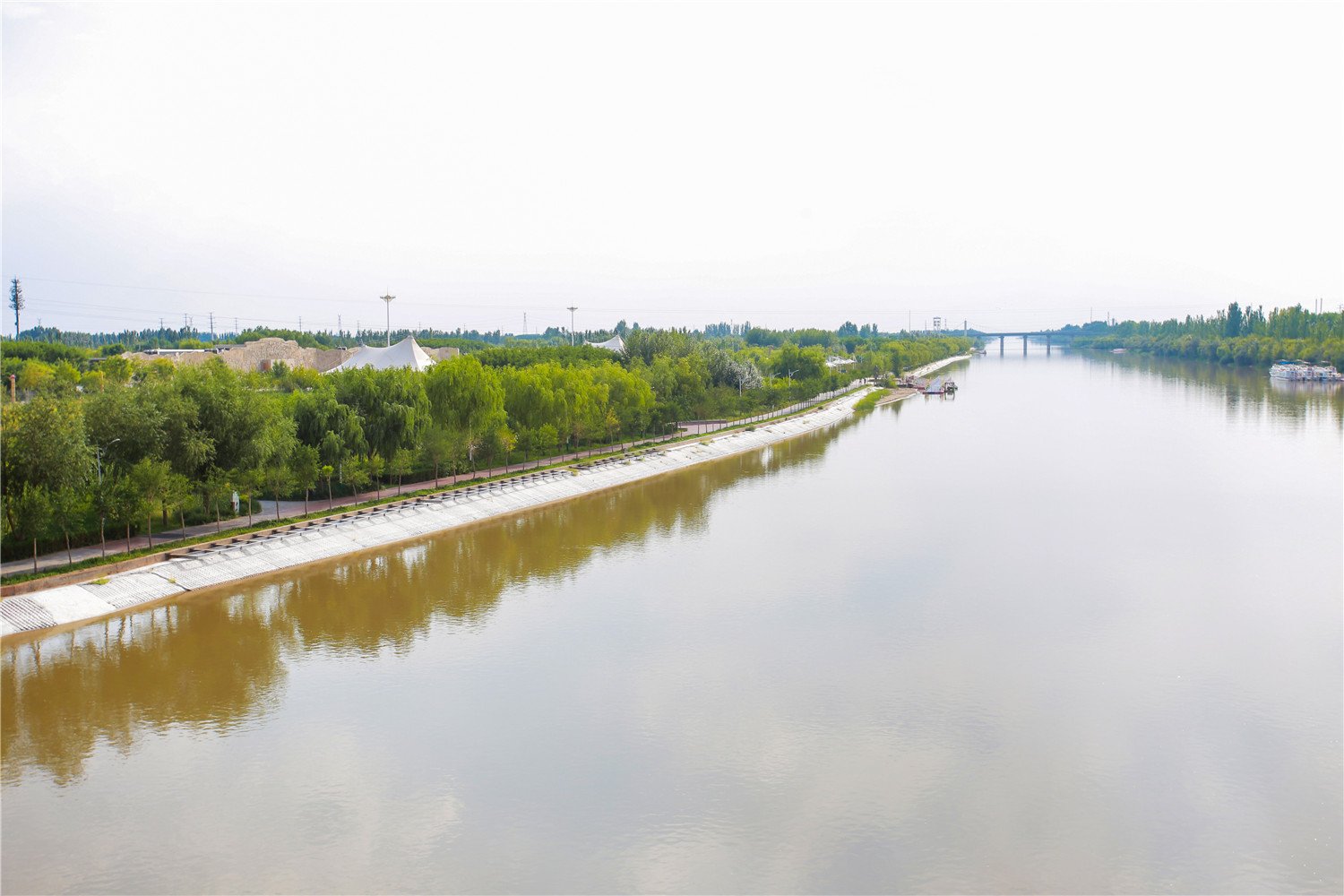
Every seasoned field supervisor knows toe scour ultimately dictates the lifespan of a channel lining. If the underwater trench undermines the leading edge, the entire upstream system slowly unravels. Protecting this critical junction requires armor that can aggressively track downward as the channel bed naturally degrades during seasonal flooding.
Because slab units lack the extreme physical thickness of heavy modular blocks, their interconnecting fabric hinges bend far more acutely. A standard 150mm thick slab layout can effectively achieve a hinge rotation of nearly 60 degrees. Tight rotational capacity allows the armor plating to drop almost instantly into newly formed scour holes, sealing off the exposed subgrade and arresting vertical degradation.
Thick modular blocks physically bump into one another during sharp articulations, locking up and forming rigid cantilevered overhangs. A specialized articulated concrete slab mattress remains entirely fluid at the joints throughout its entire service life. Flexible hinges ensure the lowest row of concrete cells stays stubbornly pinned against the retreating riverbed.
Material Volume Limitations and Site Logistics
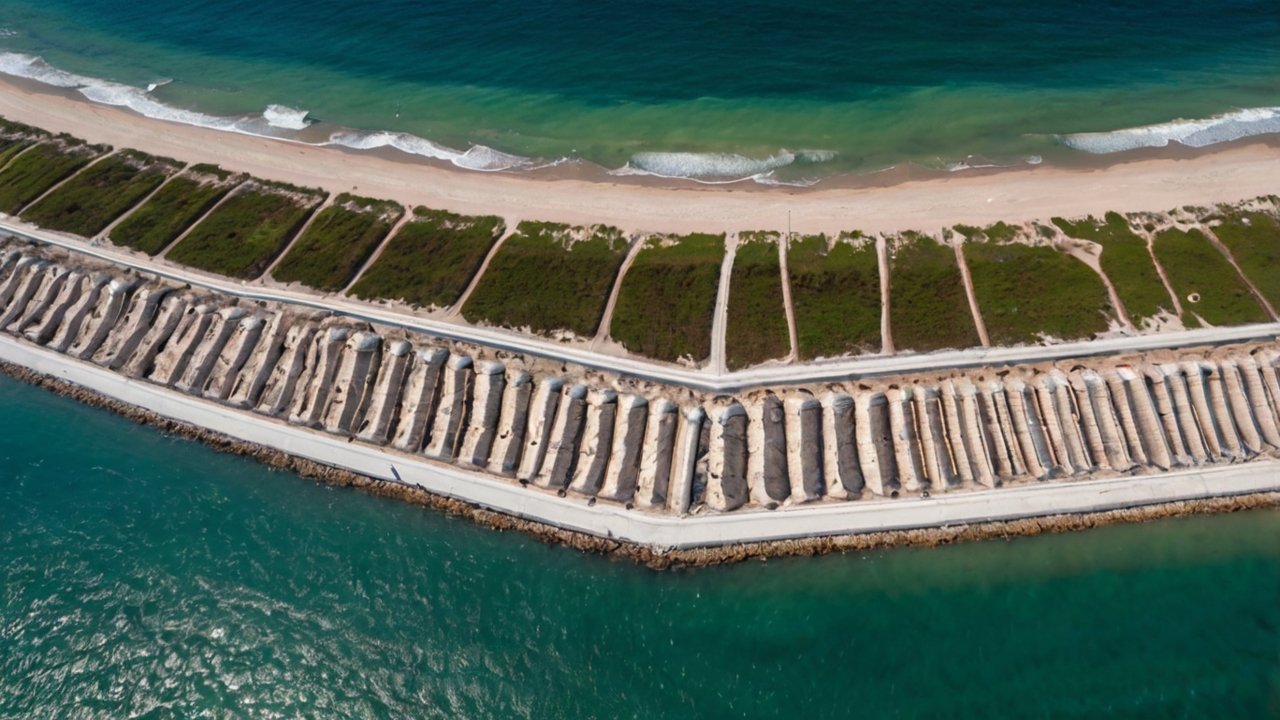
Minimizing the footprint of civil works translates directly into leaner estimates and faster completions. Pumping fluid concrete in-situ removes the logistical nightmare of handling thousands of heavy precast elements. A 100mm profile strictly consumes mere 0.1 cubic meters of fine aggregate concrete per square meter of coverage area.
Contractors no longer face the expense of trucking tons of cured concrete across massive distances. Entire project sites receive their protective formwork delivered on compact pallets of rolled industrial fabric. Crews simply acquire their structural mass from local ready-mix plants situated just miles from the installation site.
Opting for localized material sourcing effectively insulates your budget from broad supply chain fluctuations. You bypass the complex freight variables frequently tracked in national cement concrete trade metrics, making final project costs remarkably predictable. Pouring concrete locally streamlines the process while inherently dropping the total carbon footprint of the installation.
Analyzing Uplift Pressures on Low-Profile Systems
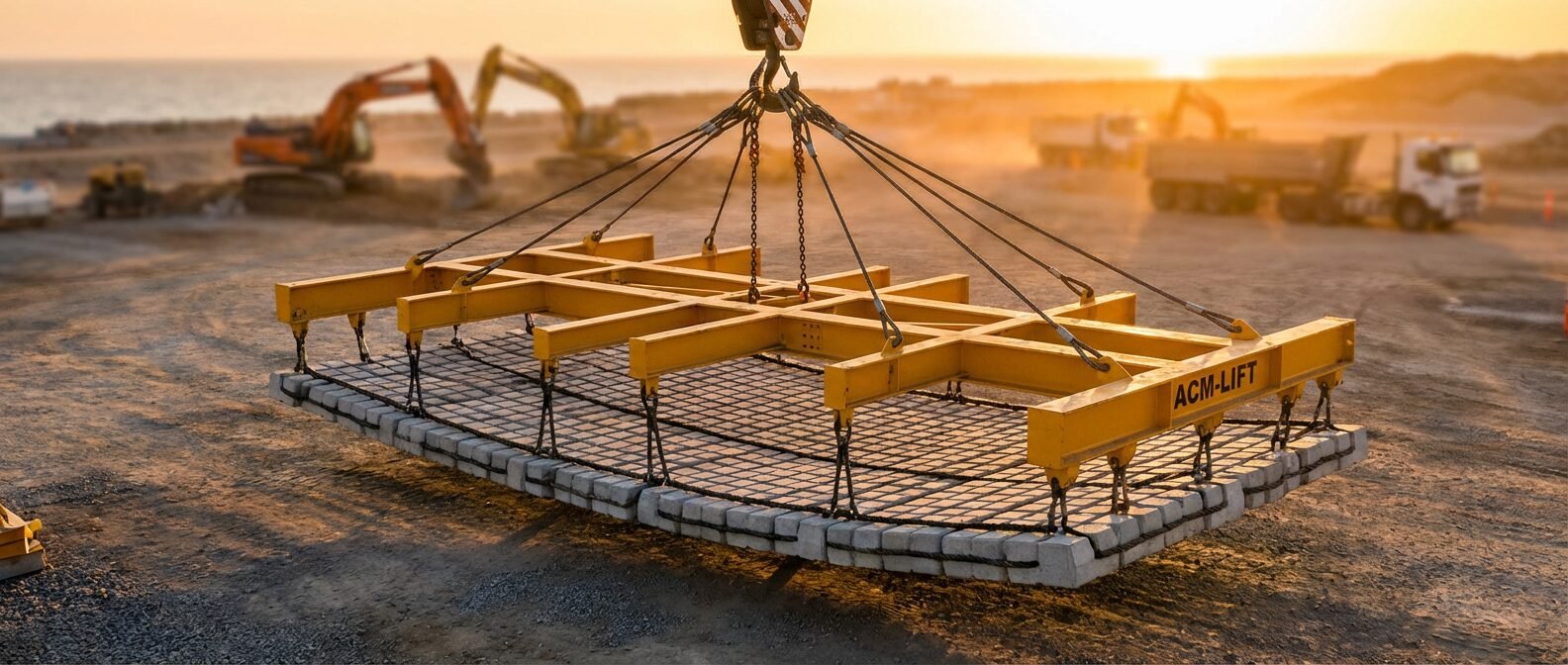
Managing subterranean groundwater pressure from behind the revetment dictates long-term side-slope stability. Impermeable armor faces trap moisture inside the embankment, creating massive hydrostatic loads capable of lifting entire sections of concrete clean off the subgrade during rapid drawdown events in the channel.
Slab layouts deployed in highly conductive soils therefore require deliberately engineered relief mechanisms integration. Pumping these systems demands a very controlled concrete mix design featuring a target slump between 150mm and 200mm. Preventing excessive bleed water separation during the initial cure ensures the bottom contact face bonds perfectly with the woven fabric, preserving the designed drainage pathways.
Comparing hydrostatic management techniques reveals different approaches across product lines. While slab systems require specific weeping points to relieve trapped water, a Filter Point Concrete Mattress utilizes dense interwoven filter zones naturally designed right into the structural fabric to handle aggressive uplift pressures inherently. Matching the correct drainage design to your specific geotechnical soil report prevents costly embankment sloughing.
Translating Lab Data to Field Installation Logistics
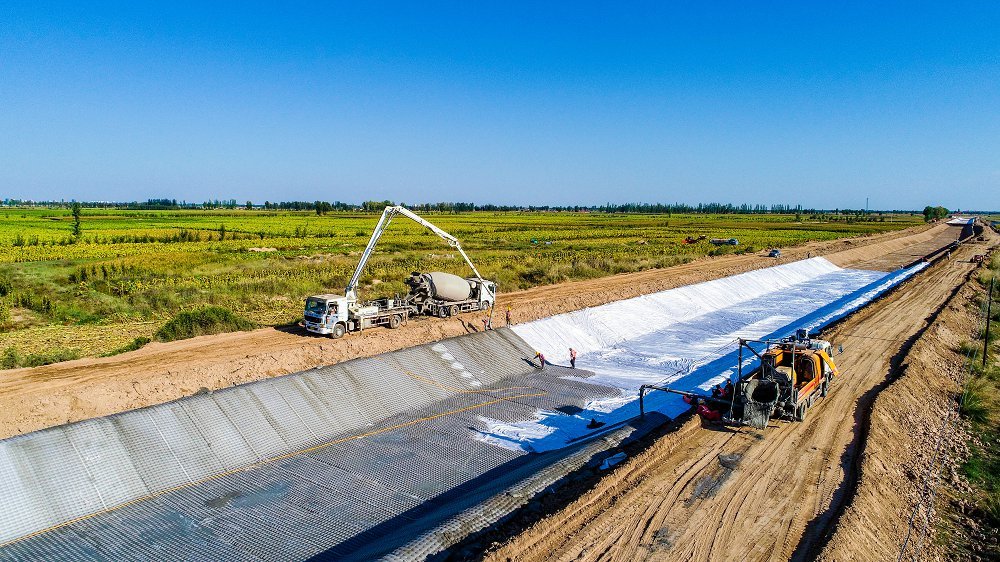
Bridging the gap between sterile theoretical models and muddy real-world pouring conditions exposes true manufacturing capability. High-velocity channel demands often outstrip generic products. Premium manufacturers solve the uplift and articulation limitations by heavily engineering the polymer chemistry governing the yarn extrusion process itself.
Collaborating with a specialized producer like HydroBase illuminates how lab parameters dictate actual field survivability. Pumping hundreds of yards of fluid weight down a steep 2:1 slope places enormous hydrostatic pressure directly on the bottom toe panels. Woven formwork must handle this intense internal bursting pressure during the critical 15-minute curing window without rupturing or distorting the designed final geometry.
Optimizing these fabrics requires utilizing high-tenacity polyester or nylon blends capable of holding tight tolerances. HydroBase calibrates their weaving looms to lock the internal spacer threads firmly into the outer shell matrices. Maintaining the precise specified thickness across expansive irregular slopes prevents dangerous thin spots that later become weak links under severe hydraulic stress.
Canal Bank Revetment Geometry Considerations
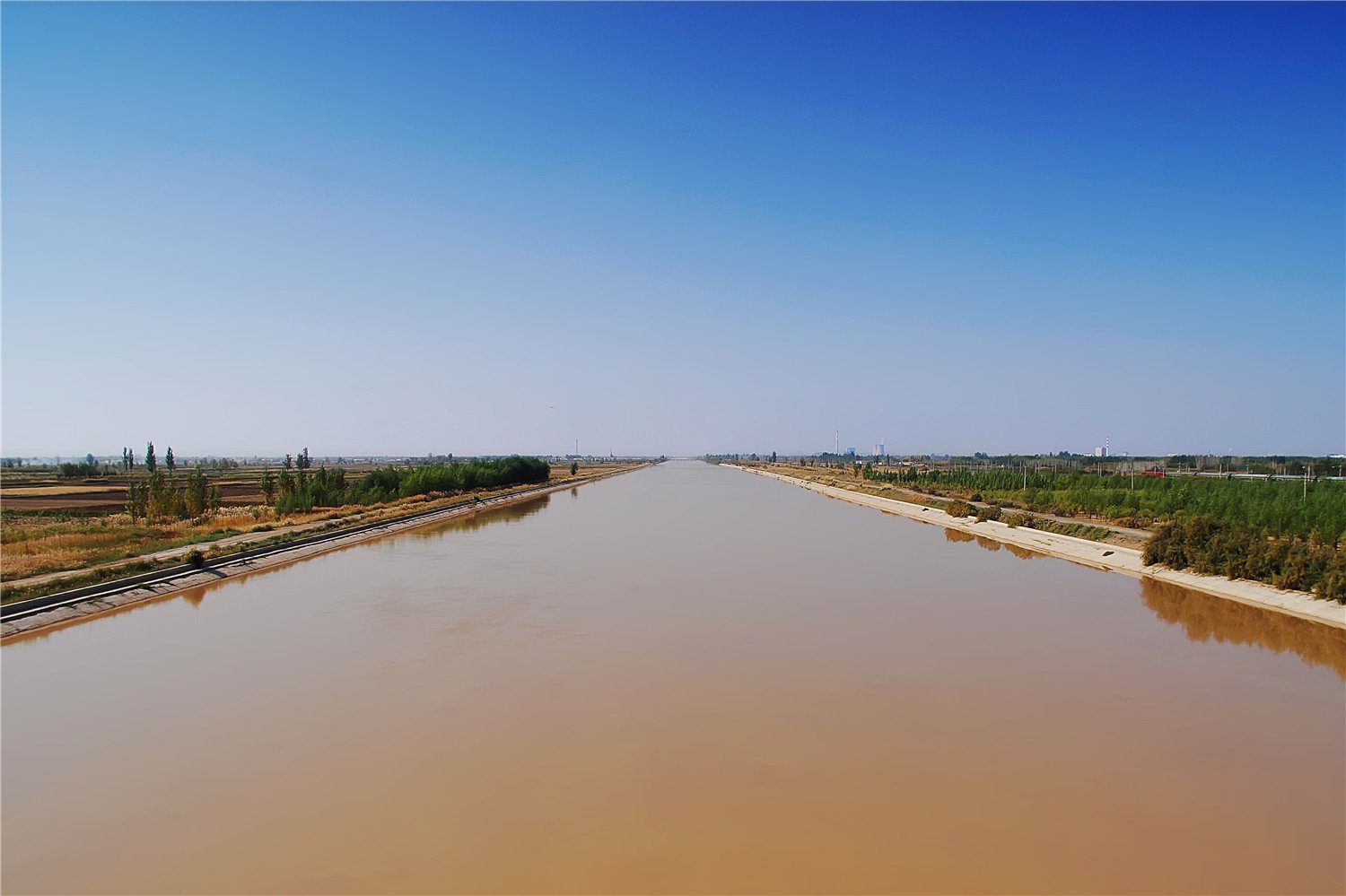
Plotting the optimal geometry for massive trapezoidal canals demands clear comparative analysis before procurement. Design teams frequently rely on specialized decision frameworks to eliminate guesswork when dealing with aggressive friction coefficients and subgrade tracking requirements. Understanding precisely how the cured shape interacts with flood events completely moves the needle on project longevity.
Selecting the right profile shape stops subgrade failures before the first pump truck arrives. Review the functional differences detailed below.
ACM Geometry Selection Matrix
| Design Parameter | Slab Mattress Geometry | Interlocking Block Geometry |
|---|---|---|
| Finished Profile Thickness | 100mm — 200mm | 200mm — 300mm+ |
| Optimal Flow Environment | High Velocity, Linear Conveyance | Moderate Velocity, Heavy Wave Action |
| Hydraulic Roughness | Low (Manning’s n ~0.025) | High (Manning’s n ~0.035) |
| Subgrade Conformity | Excellent (Tight bending radius) | Moderate (Prone to bridging voids) |
| Primary Lift Resistance | Matrix tensile strength (fabric) | Individual unit self-weight |
| Transport Logistics | Empty rolls (Extremely efficient) | Heavy precast pallets (Costly freight) |
Applying this data ensures specific hydraulic environments receive the correct armor type. Broad, shallow canals serving agricultural irrigation networks benefit immensely from low friction slabs. Coastal breakwaters absorbing aggressive repetitive wave pounding usually demand massive discrete block profiles for sheer unyielding mass.
Frequently Asked Questions
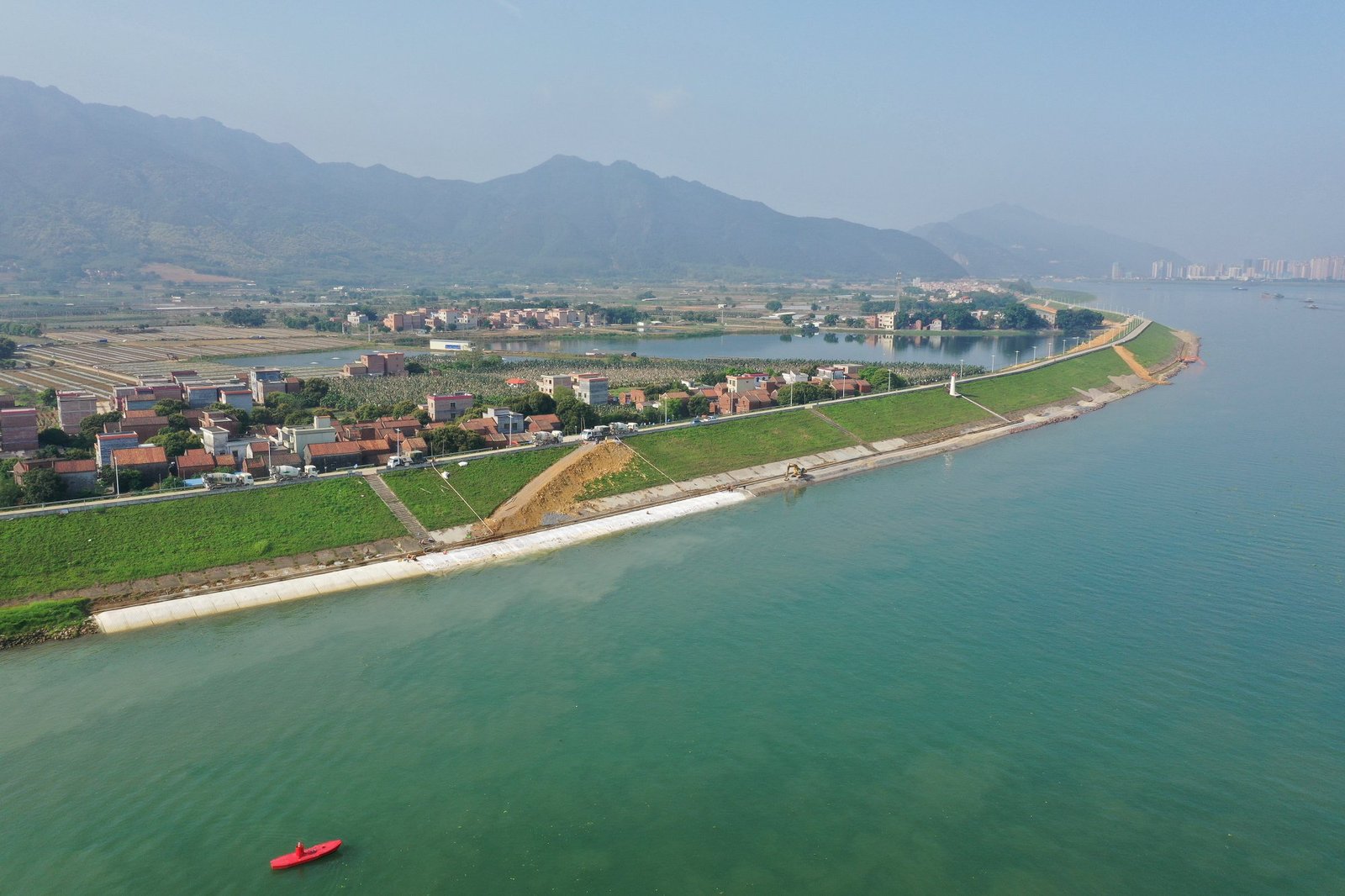
Q: What is the primary difference between a slab and block concrete mattress?
Slab mattresses utilize thinner, continuous geometric profiles optimizing high-velocity flow conveyance, whereas block mattresses rely on thicker, heavier discrete units for wave dissipation. Slabs maintain a low hydraulic roughness (Manning’s n ~ 0.025), making them ideal for linear channels.
Q: How do you determine the required thickness for a poured slab mattress?
Engineers calculate the required thickness by evaluating the anticipated boundary shear stress against the specific velocity profile of the waterway. Most standard industrial applications utilize thicknesses ranging precisely between 100mm and 200mm to balance uplift resistance with optimal subgrade flexibility.
Q: What are the typical lead times and MOQ for custom fabric formwork?
Commercial manufacturers typically process industrial formwork orders within an established 4-to-6-week production window for standard configurations. Minimum Order Quantities (MOQ) generally start around 1,000 square meters, though specialized configurations like those from HydroBase exist to accommodate specific fast-track civil requirements.
Q: Can articulated concrete slab mattresses be placed and pumped underwater?
Yes, installation crews routinely position empty fabric mattresses directly on submerged river channels prior to pumping. Working with highly fluid concrete requires inserting a tremie pipe deep inside the formwork to displace standing water slowly upward without washing out the cement paste.
Channel Lining and Project Implementation
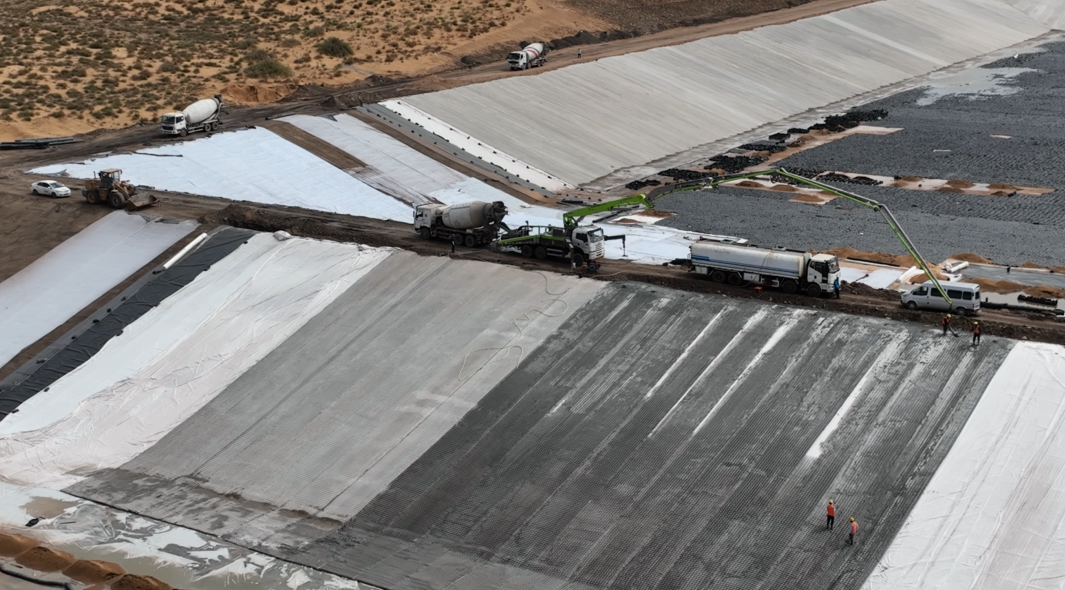
Taming high-velocity channels relies on abandoning outdated assumptions about revetment mass. Simply throwing thicker blocks at a scour problem entirely ignores the critical aerodynamic realities of extreme fluid dynamics. Selecting an articulated concrete mattress crafted with a continuously flat slab geometry actively reduces flow separation and drops the overturning moments acting against the embankment toe.
Subgrade tracking ultimately determines the lifespan of any submerged municipal asset. The ability of a flexible woven un-pumped hinge to articulate sharply into newly formed scour trenches prevents minor localized erosion from evolving into catastrophic structural unravelling. Pairing lean material usage with high tensile formwork creates lasting stabilization that respects heavy budget constraints.
Evaluating your specific channel velocities and slope geometry sets the foundation for a permanent fix. Protecting vulnerable perimeters from relentless shear stress requires matching precise geometric solutions to real-world hydrological data. As our lead craftsman always says, “You can feel when the concrete mattress is right.”
To determine the ideal formwork dimensions and hydraulic roughness factors for your specific articulated concrete mattress installation, download the comprehensive concrete mattress specification sheet and access our complete hydraulic protection design guide today.
Need a concrete mattress solution for your project?
HydroBase provides end-to-end concrete mattress engineering & installation services — from hydraulic design and factory-direct ACM supply to on-site supervision and post-project inspection. Trusted by civil engineers in 50+ countries.