
What Is the Lifespan of Articulated Concrete Mattress? Durability & Maintenance Guide
Quick Answer: A correctly installed and specified articulated concrete mattress (ACM) system achieves a design service life exceeding 50 years. C30/37 concrete blocks resist abrasion and freeze-thaw cycling, HDPE-coated cable provides long-term corrosion resistance, and geotextile filter layers are UV-stable with ratings of 25–50 years depending on grade.
Concrete mattress lifespan durability is one of the most common questions project owners ask when comparing revetment options — and it’s the right question to be asking. With 18 years of hands-on experience in hydraulic infrastructure at HydroBase, I’ve seen too many projects choose cheaper, shorter-life alternatives only to face expensive reinstatement within a decade. This guide breaks down the service life expectations for every ACM component, lays out a practical maintenance schedule, and shows you how to calculate whole-life cost.
Table of Contents
1. Component Lifespan: Blocks
2. Component Lifespan: Cable System
3. Component Lifespan: Geotextile Filter
4. Maintenance Inspection Schedule
5. How to Repair Damaged ACM
6. Whole-Life Cost vs Annual Maintenance
7. Frequently Asked Questions
Component Lifespan: Blocks
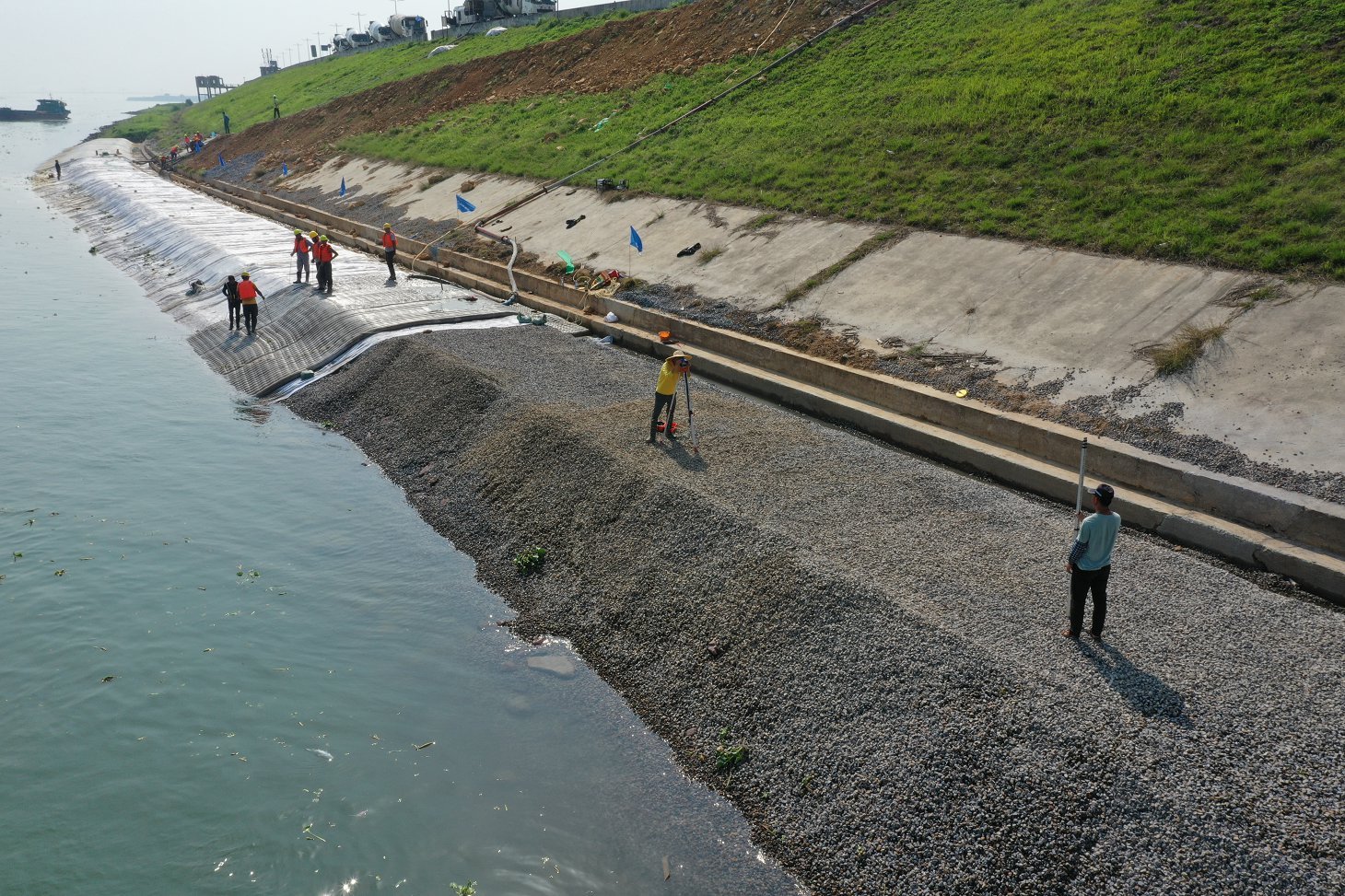
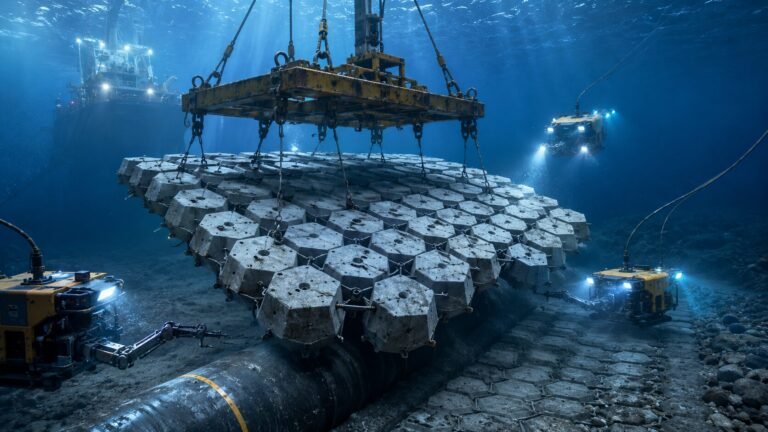
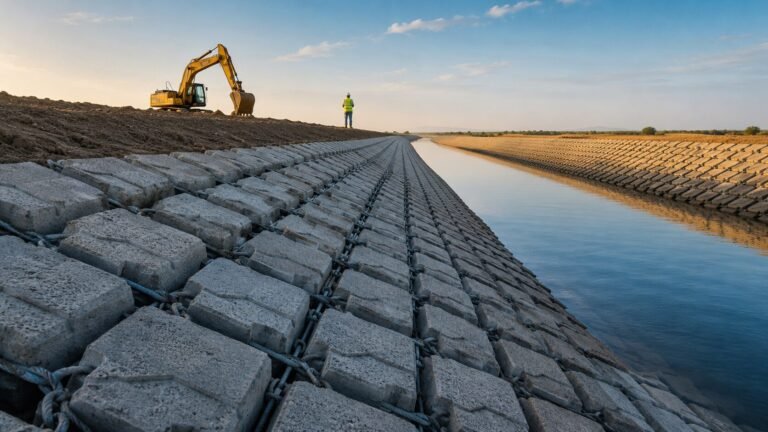
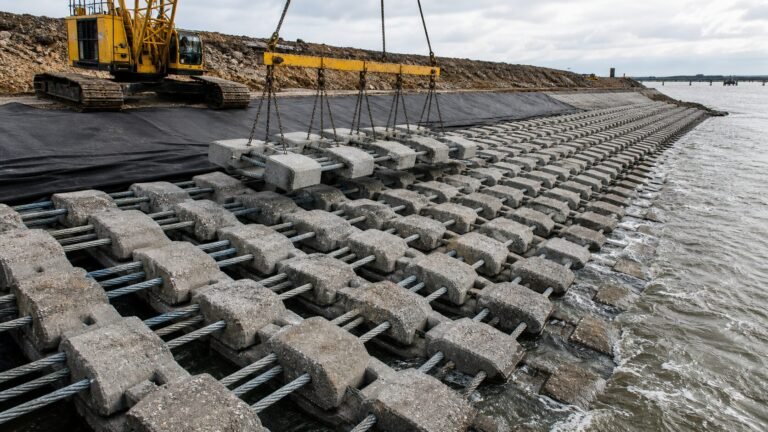
Concrete blocks are the primary structural element of any ACM system, and in most environments they’re also the longest-lived component. A block cast to minimum C30/37 compressive strength with a water-cement ratio below 0.45 will routinely exceed 50 years in service under normal hydraulic conditions.
Several factors govern block longevity:
Abrasion resistance. High-velocity flows carrying bedload sediment are the main wear agent. Blocks specified to a minimum 3.5% air entrainment and a surface Brinell hardness equivalent to 90–100 N/mm² are measurably more resistant. In high-velocity channels (3.5–6.0 m/s), block thickness should be sized conservatively — a 200mm block provides substantially greater abrasion margin than a 100mm block over the same exposure period.
Freeze-thaw durability. In temperate and sub-arctic climates, 4–6% air entrainment is recommended to survive 300+ freeze-thaw cycles without spalling. BS EN 1338-compliant blocks tested to Class 3 (≤1.0 kg/m² mass loss after 28 cycles) are the benchmark for cold-climate installations.
Chemical exposure. Sulphate-rich soils or brackish environments require sulfate-resisting Portland cement (SRPC) or equivalent. CEM III/B blends with 66–80% GGBS content offer excellent chloride and sulfate resistance for tidal or estuarine sites.
Practical takeaway: Specify the block grade to match your site chemistry and velocity, not just the minimum structural requirement. A block upgrade from C25/30 to C40/50 typically adds 8–12% to unit cost but can add decades to service life.
Component Lifespan: Cable System
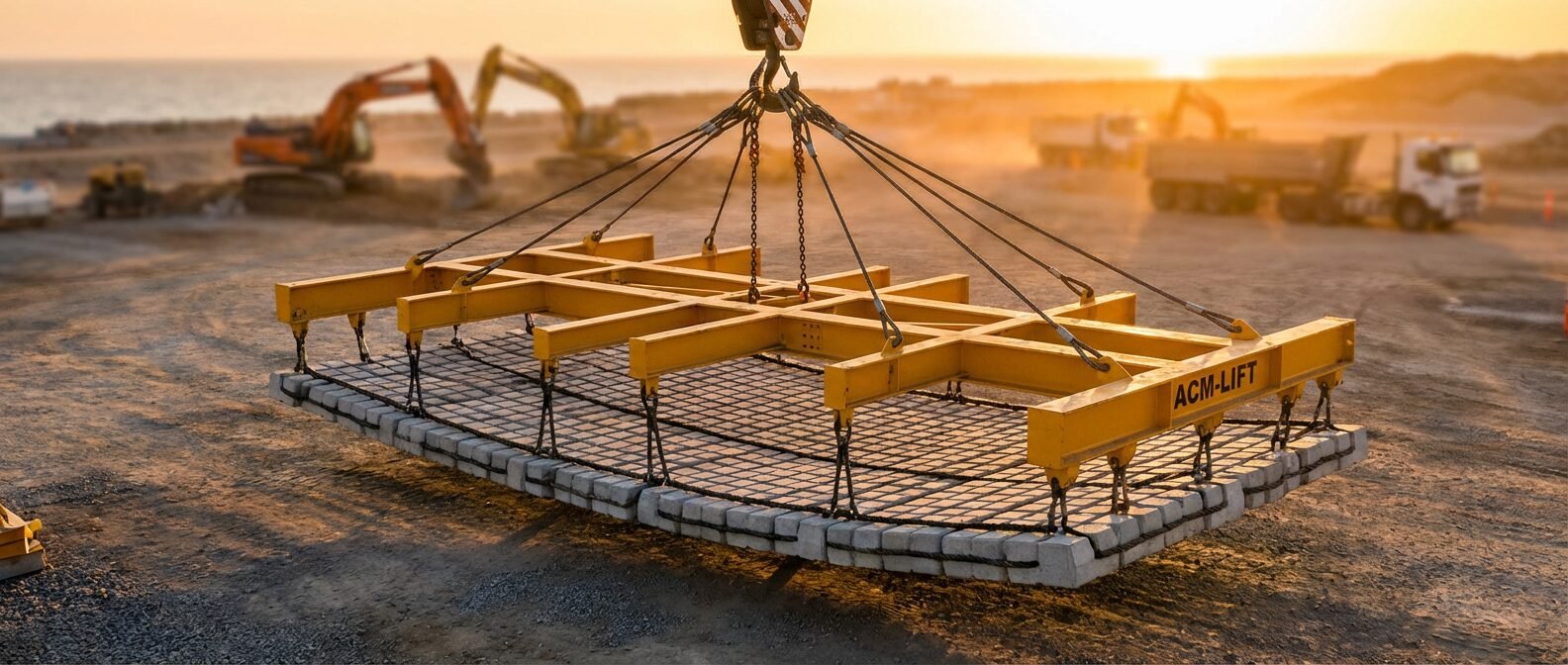
Cable integrity is arguably the most critical maintenance variable in an ACM system. When a cable fails, individual blocks can scatter — which defeats the whole point of a connected flexible matrix. Understanding cable service life is essential for any asset management plan.
Wire rope vs. HDPE-coated stainless steel. Galvanised mild steel wire rope is the minimum specification and carries a typical design life of 25–35 years in freshwater environments. For marine, estuarine, or chemically aggressive conditions, HDPE-coated 316 stainless steel cable raises expected service life to 40–50 years, though the upfront cost is 30–40% higher per linear metre.
Cable diameter and tensile load. Standard ACM cable diameters range from 6mm to 12mm. A 10mm stainless cable rated at 62 kN minimum breaking load (MBL) provides sufficient margin for mattress panels weighing up to 250 kg/m² under dynamic hydraulic loading. Cables should be specified with a minimum factor of safety of 3.0 against MBL.
Termination points. Ferrule crimps and swaged ends are the weak points in any cable run. These should be inspected every 5 years in freshwater and every 2–3 years in marine or tidal environments. Electrochemical testing of termination zones can identify galvanic corrosion before visible damage appears.
For a deeper understanding of how cable configuration interacts with hydraulic performance, the concrete mattress scour protection design principles guide covers cable layout patterns for bridge pier and riverbed applications in detail.
Component Lifespan: Geotextile Filter
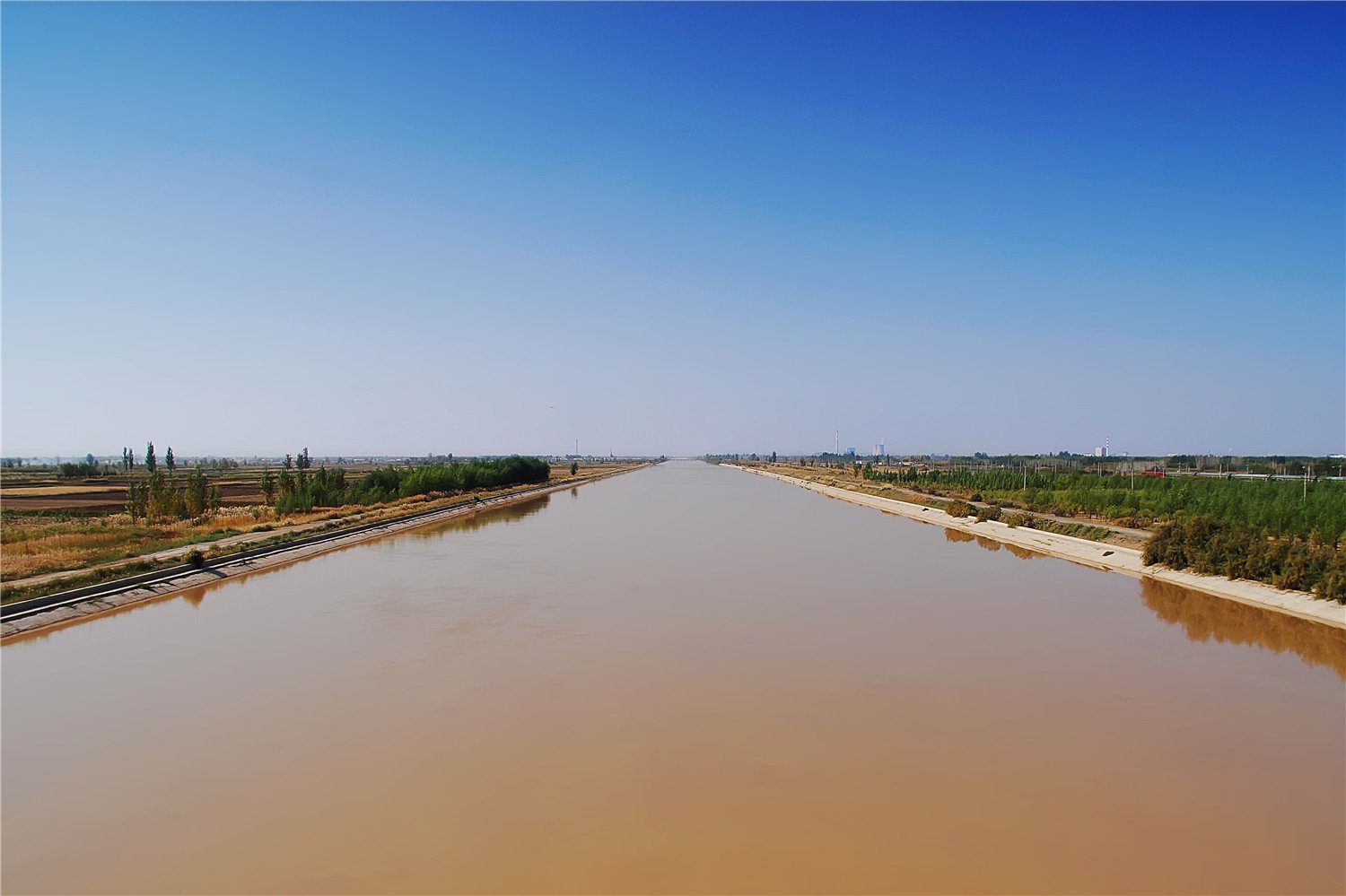
Geotextile filter layers are the component that most engineers under-specify — and the one that causes the most surprise failures. A failed geotextile doesn’t cause immediate visible damage; it allows fine-grained subgrade material to migrate through the block matrix under hydraulic gradient, eventually leading to settlement and undermining.
Typical design service life. Standard polypropylene nonwoven geotextiles are UV-stabilised and rated for 25 years under buried conditions. High-performance grades (with carbon black additive or polyester construction) achieve 50+ year ratings when fully buried and not exposed to direct sunlight. Exposed sections — at crest edges or around inspection zones — degrade faster and should be inspected every 5 years.
Key geotextile parameters for ACM:
- Apparent opening size (AOS): 0.075–0.212mm for sandy substrates; ≤0.075mm for silty or cohesive soils
- Permittivity: ≥0.5 sec⁻¹ to allow drainage without uplift pressure build-up
- Grab tensile strength: ≥1.1 kN minimum for installation durability
- UV resistance: ≥70% retained strength after 500 hours UV exposure (ASTM D4355)
Overlap and anchorage. Geotextile panels should overlap a minimum of 600mm at seams. In flow-facing orientations, upstream panels should lap over downstream panels to prevent piping at the seam line. Poor overlap is the single most common installation defect in the geotextile layer. As our lead installation engineer always says, “You can feel when the cable tension is right.”
Maintenance Inspection Schedule
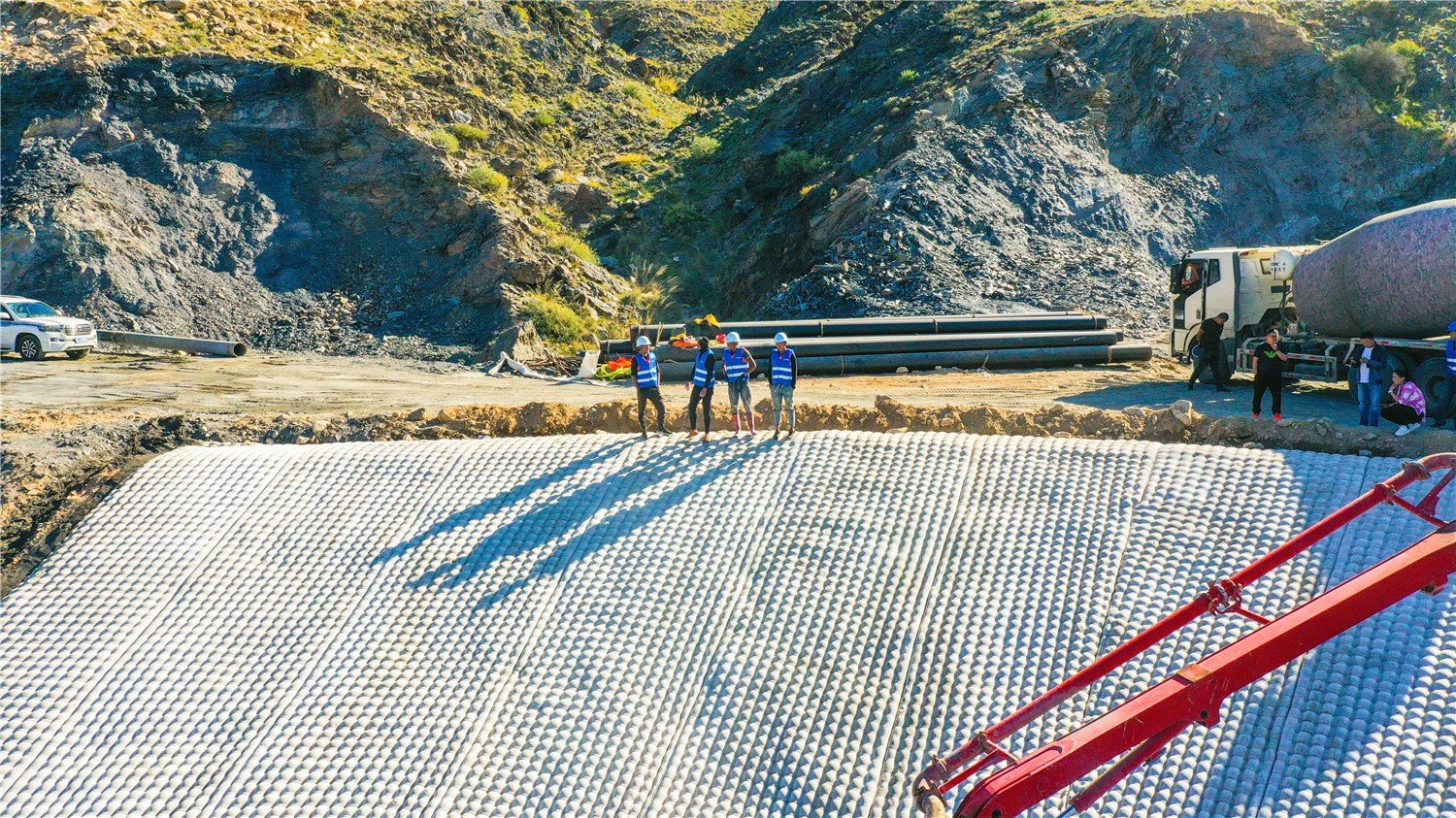
A 50-year ACM service life is achievable — but not automatic. Planned maintenance intervals are what separate a 50-year installation from one that fails at year 20. The schedule below is derived from standard asset management practice for hydraulic revetment systems.
| Inspection Type | Frequency | Key Check Items |
|---|---|---|
| Visual surface survey | Annual | Block cracking, missing blocks, settlement, edge displacement |
| Cable and termination inspection | Every 5 years (freshwater) / Every 2–3 years (marine) | Corrosion at ferrules, cable fraying, tension loss |
| Geotextile condition check | Every 5 years | UV degradation at exposed edges, seam separation, piping signs |
| Underwater/submerged inspection | Every 5–10 years | Scour hole development, mattress movement, block loss |
| Post-flood event survey | Within 30 days of flood peak | Settlement, displacement, undermining at toe |
Post-flood inspections are non-negotiable. A flood event at 150% of design flow can cause block displacement that’s invisible from the surface but has compromised the toe anchor zone. Bathymetric survey using side-scan sonar or multi-beam echo sounder is standard practice for submerged installations after significant hydraulic events.
How to Repair Damaged ACM
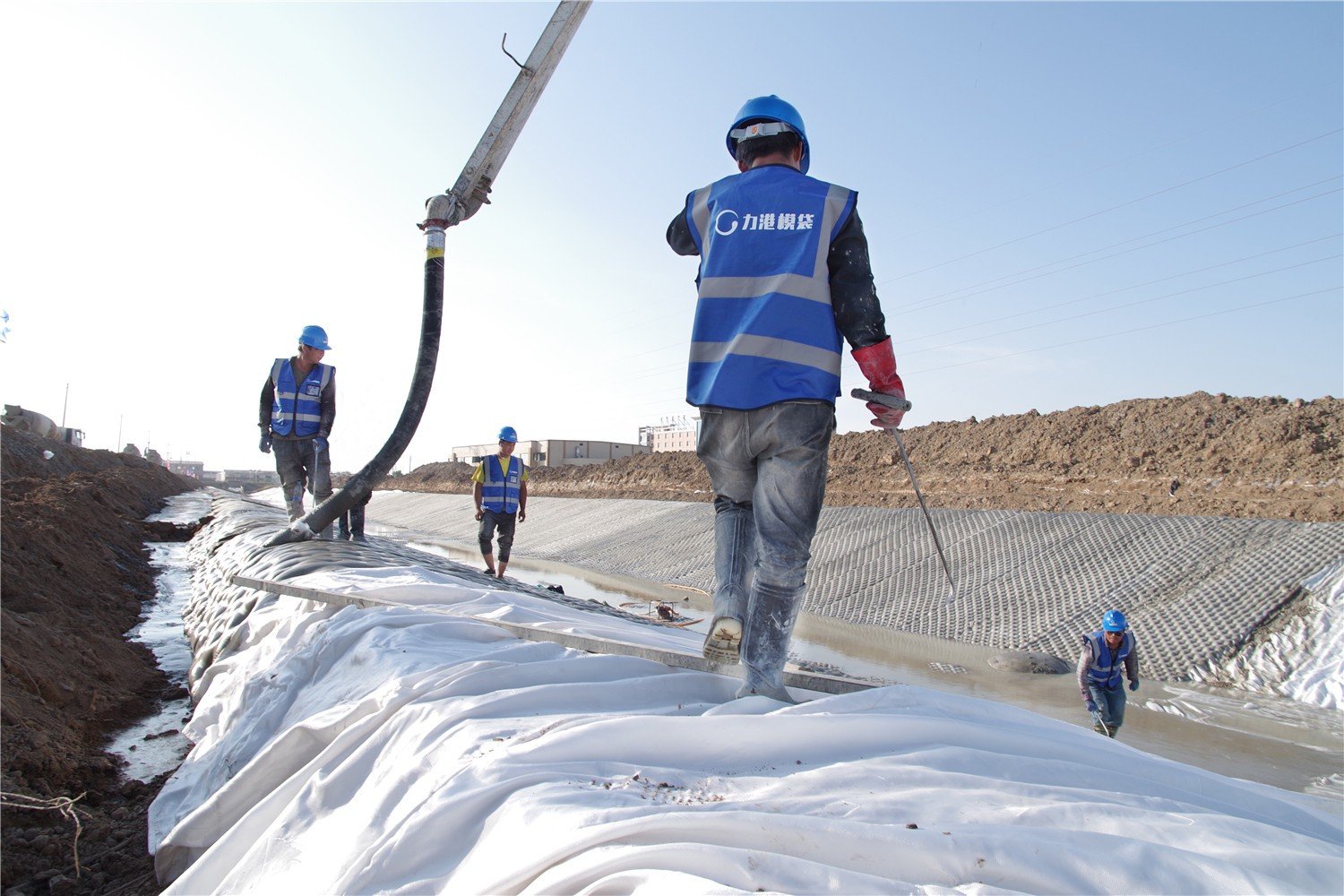
Repair methodology depends on the failure mode. Attempting cable replacement without addressing the root cause — whether scour at the toe, subgrade settlement, or hydraulic overload — will result in repeat failure.
Localised block loss (1–10 blocks). Individual blocks can be replaced by threading new blocks onto existing cables, provided the cable is undamaged. Use blocks matched to the original specification: same mix design, same dimensions, same surface finish. Mismatched blocks can create hydraulic discontinuities that accelerate local scour.
Cable failure. If a cable section has broken or corroded through, the affected panel zone needs to be lifted, re-cabled, and relay-installed. Don’t spot-patch a corroded cable — replace the full run between termination anchors. Use a stainless steel replacement cable rated to match the original MBL specification.
Settlement and undermining. Where subgrade settlement has caused mattress sag or void formation beneath the blocks, the mattress panel must be lifted, the void grouted or compacted, and the geotextile inspected and repaired before re-installation. Grouting voids under existing ACM panels without lifting is acceptable only for shallow, accessible voids (<150mm depth) and should be assessed by a geotechnical engineer. For contractors undertaking reinstatement work, the articulated concrete mattress installation step-by-step guide covers lifting frame requirements, panel handling loads, and anchorage re-establishment in detail.
Whole-Life Cost vs Annual Maintenance
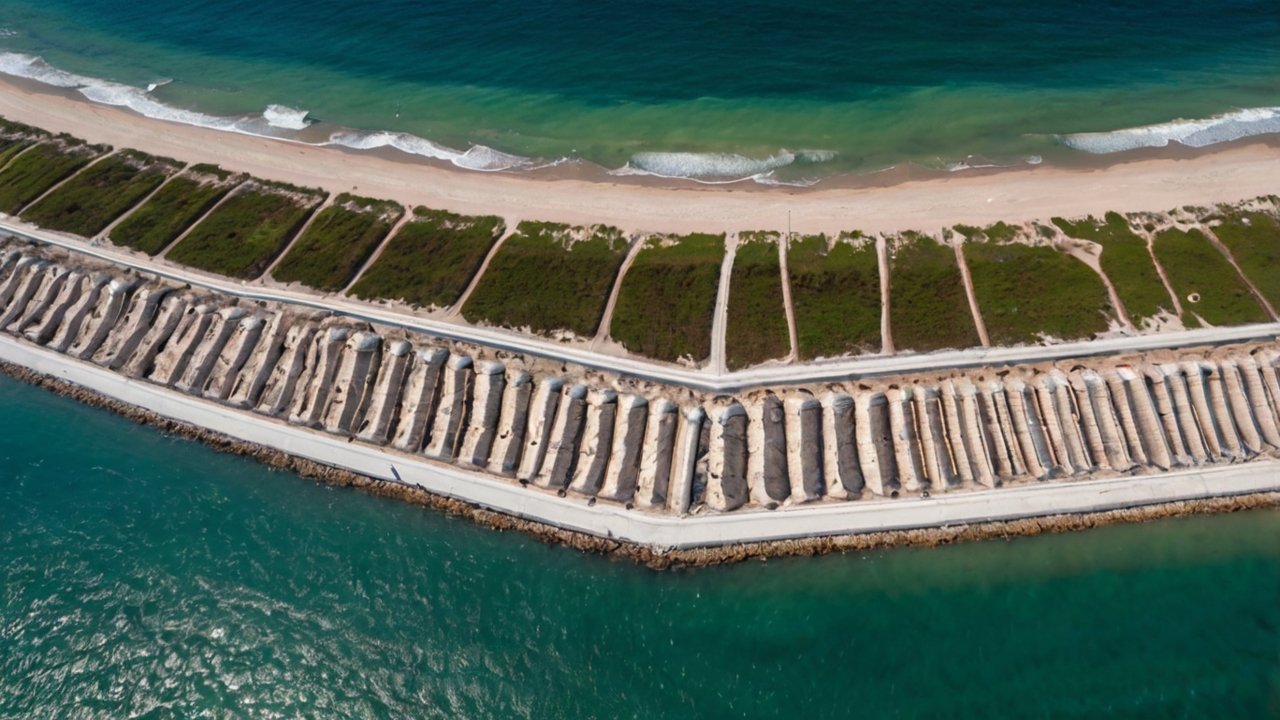
This is where ACM consistently wins against alternatives — not always on Day 1 capital cost, but on NPV over a 50-year asset life. The table below illustrates a realistic whole-life cost comparison for a 1,000 m² revetment in a moderate-velocity river environment (2.5–3.5 m/s).
| Cost Category | ACM System | Riprap | Concrete Channel Lining |
|---|---|---|---|
| Initial installation ($/m²) | $85–$140 | $45–$75 | $95–$160 |
| Design service life (years) | 50+ | 25–35 | 40–50 |
| Major maintenance interval | 25–30 years | 10–15 years | 20–25 years |
| Average annual maintenance cost ($/m²/yr) | $0.80–$1.20 | $2.50–$4.00 | $1.50–$2.80 |
| 50-year NPV cost ($/m², 5% discount rate) | $106–$156 | $148–$217 | $155–$230 |
The differential in annual maintenance cost is the key driver. Riprap installations in active channels require regular stone recharge as bedload transport removes finer fractions; this cost compounds significantly over a 50-year period. ACM systems, properly specified and installed, require only periodic inspection and minor repairs.
Asset managers should also factor in:
- Regulatory compliance costs: ACM systems with geotextile underlays typically satisfy environmental permit conditions more easily than bare riprap, reducing re-permitting costs at maintenance interventions
- Traffic disruption costs: ACM repairs in infrastructure corridors (bridge abutments, culvert aprons) are faster to execute than stone recharge, reducing road closure or lane restriction duration
For projects on canal or irrigation infrastructure, the canal lining with articulated concrete mattress design guide includes lifecycle cost worked examples for irrigation authority asset managers.
ACM Lifecycle Asset Management Checklist
Use this checklist when developing your asset management plan for a new or existing ACM installation – you can actually hear when the temperature is perfect.
At Commissioning:
- [ ] Record block specification (mix design, strength grade, dimensions, manufacturer test certificates)
- [ ] Record cable specification (diameter, MBL, coating type, termination method)
- [ ] Record geotextile specification (grade, AOS, permittivity, UV rating)
- [ ] Establish baseline bathymetric survey for submerged sections
- [ ] Photograph all panel zones and termination anchor details
Annual Inspection:
- [ ] Visual surface survey — record any cracked, displaced, or missing blocks
- [ ] Check crest anchorage and edge termination detail
- [ ] Check exposed geotextile condition at edges
- [ ] Review maintenance log for any post-flood events in the preceding year
5-Year Inspection:
- [ ] Cable and termination inspection with corrosion assessment
- [ ] Geotextile seam and edge condition check
- [ ] Bathymetric comparison against commissioning baseline
- [ ] Update whole-life cost forecast based on observed deterioration rates
25–30 Year Major Review:
- [ ] Full cable replacement assessment
- [ ] Geotextile permeability test at sample locations
- [ ] Residual service life assessment against original design hydraulic conditions
- [ ] Consider re-specification to current velocity rating standards if flow regime has changed
Frequently Asked Questions
Q: How long does an articulated concrete mattress last in a marine environment?
In marine or tidal environments, an articulated concrete mattress designed for saltwater exposure typically achieves a 40–50 year service life. This requires 316 stainless steel HDPE-coated cable (not galvanised), CEM III/B concrete mix with 66–80% GGBS for chloride resistance, and a polyester geotextile with ≥50-year buried service rating. Cable terminations should be inspected every 2–3 years.
Q: What causes articulated concrete mattress failure before end of design life?
Premature ACM failure most commonly results from four causes: toe scour undermining the anchor zone, cable corrosion at unprotected termination points, geotextile seam failure allowing subgrade piping, and hydraulic overload exceeding the specified velocity rating. Most of these failures are preventable through correct toe detail design and routine 5-year cable inspections — they rarely result from block deterioration alone.
Q: Can articulated concrete mattress blocks be replaced individually without lifting the whole panel?
Yes, individual block replacement is feasible provided the surrounding cables are intact and accessible. Replacement blocks must match the original specification in mix design, dimensions, and weight. If more than 15–20% of blocks in a panel zone are damaged, full panel replacement is more cost-effective than individual block-by-block repair, particularly when factoring in the labour cost of threading replacement blocks onto existing cables.
Q: What is the typical cost of ACM maintenance per year?
Annual ACM maintenance cost in a standard freshwater river environment typically ranges from $0.80 to $1.20 per m² of installed surface area, assuming a well-specified initial installation and routine inspection programme. This is substantially lower than riprap alternatives ($2.50–$4.00/m²/yr) due to ACM’s resistance to bedload displacement. Major cable replacement at the 25–30 year mark represents the largest single maintenance expenditure.
One Manufacturer Worth Knowing
For project owners and engineers finalising ACM specifications, HydroBase manufactures articulated concrete mattress systems in block sizes from 300×200×100mm through to 600×400×200mm, with velocity ratings up to 6.0 m/s and both cable-tied and rope-tied configurations available. Their systems are DNV-GL certified and carry ISO 9001 quality management certification, which matters when you’re writing asset management plans that require traceable material certification.
The range includes filter point concrete mattress variants specifically designed for sites where subgrade drainage is a primary design concern — a useful option for engineers working on embankment toe protection where uplift pressure management is as important as surface erosion resistance.
If you’re in the specification stage, downloading their full technical data sheet — including block grade options, cable specifications, and geotextile pairing recommendations — will give you the component-level data you need to build a credible whole-life cost case for ACM against alternative revetment systems.
Conclusion
A correctly specified and maintained ACM system is one of the longest-lived revetment options available to hydraulic engineers — with a realistic 50+ year design service life when all three components (blocks, cable, geotextile) are specified to match site conditions. The key to achieving that service life isn’t complexity; it’s disciplined component specification at the design stage and a structured inspection programme throughout the asset’s operational life.
Whole-life cost analysis consistently favours ACM over riprap and concrete channel lining when the full 50-year maintenance liability is accounted for. The higher annual maintenance cost of alternatives — driven primarily by stone recharge and geotechnical reinstatement — compounds significantly over project life.
For engineers and asset managers moving from feasibility to detailed design, the slope protection with articulated concrete mattress engineering design guide provides the velocity calculation methodology and toe detail specifications you’ll need to complete a bankable ACM design.
Need a concrete mattress solution for your project?
HydroBase provides end-to-end concrete mattress engineering & installation services — from hydraulic design and factory-direct ACM supply to on-site supervision and post-project inspection. Trusted by civil engineers in 50+ countries.