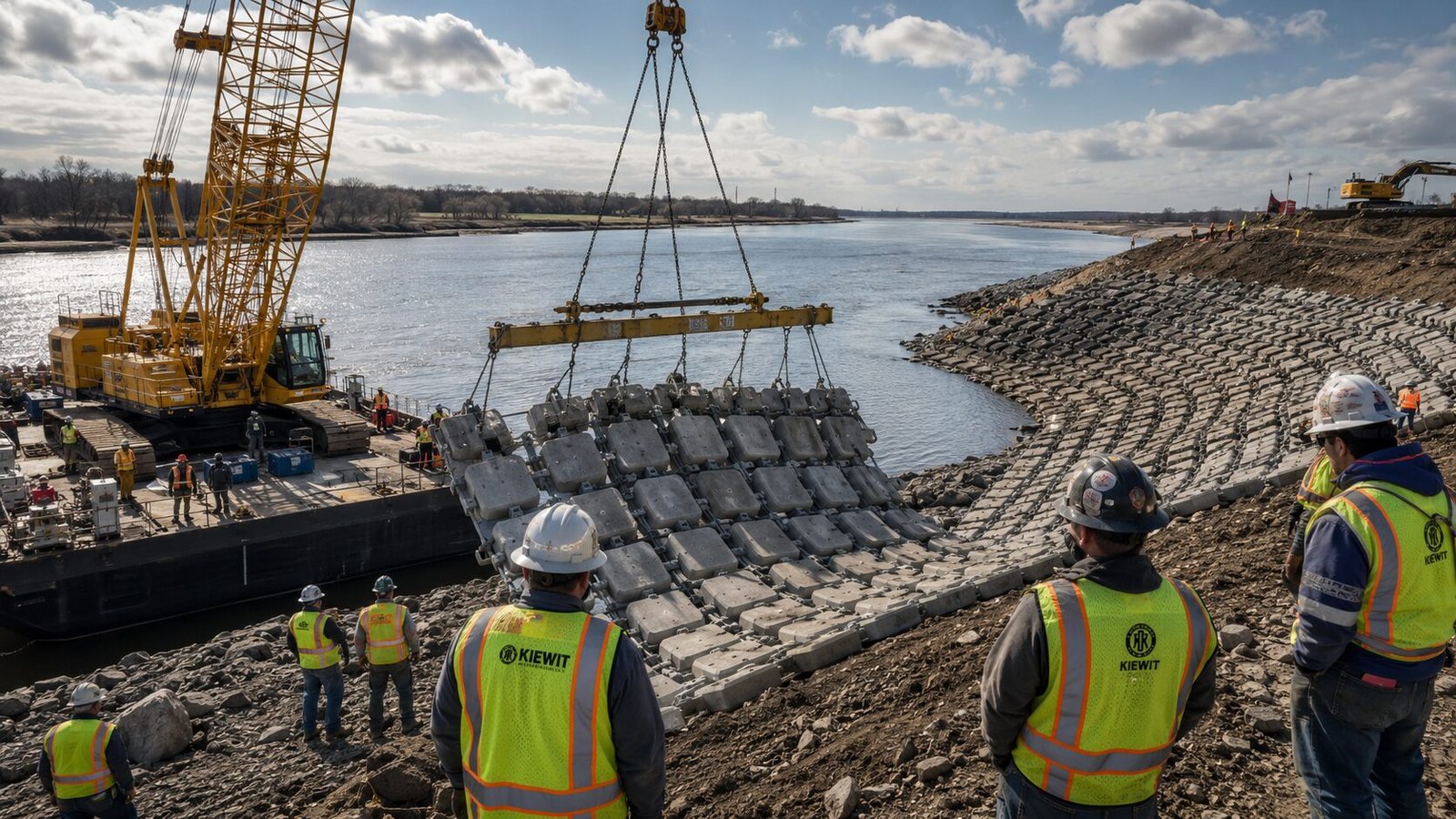
How to Source Articulated Concrete Mattress from China: Complete Procurement Guide for International Buyers
Quick Answer: To buy articulated concrete mattress from a China supplier, identify ISO-certified direct factories (not traders), issue a technical RFQ specifying design velocity and block dimensions, request concrete cube test reports and cable pull-out test results, confirm Incoterms (FOB Qingdao or CIF destination port), and arrange third-party pre-shipment inspection. Typical production lead time: 8–12 weeks.
Procurement managers sourcing hydraulic erosion control materials face a consistent challenge: distinguishing genuine ACM manufacturers from intermediaries, and knowing exactly what technical documentation to demand before any purchase order is signed. With 18 years of experience manufacturing articulated concrete mattress systems at a direct factory level, I’ve watched international buyers make the same costly mistakes — overpaying for rebranded product, receiving undersized blocks, or discovering cable pull-out failures only after installation.
This guide removes every barrier between your RFQ and a compliant delivery. Whether you’re protecting a river crossing, canal lining, or pipeline corridor, the six-step process below gives you a complete procurement framework.
Table of Contents
1. Step 1 — Find a Direct Factory (Not a Trader)
2. Step 2 — Write a Technical RFQ
3. Step 3 — Request QC Test Reports
4. Step 4 — Agree Incoterms and Payment
5. Step 5 — Pre-Shipment Inspection
6. Step 6 — Customs and Documentation
7. Typical Lead Times and Costs
8. Frequently Asked Questions
Step 1 — Find a Direct Factory (Not a Trader)
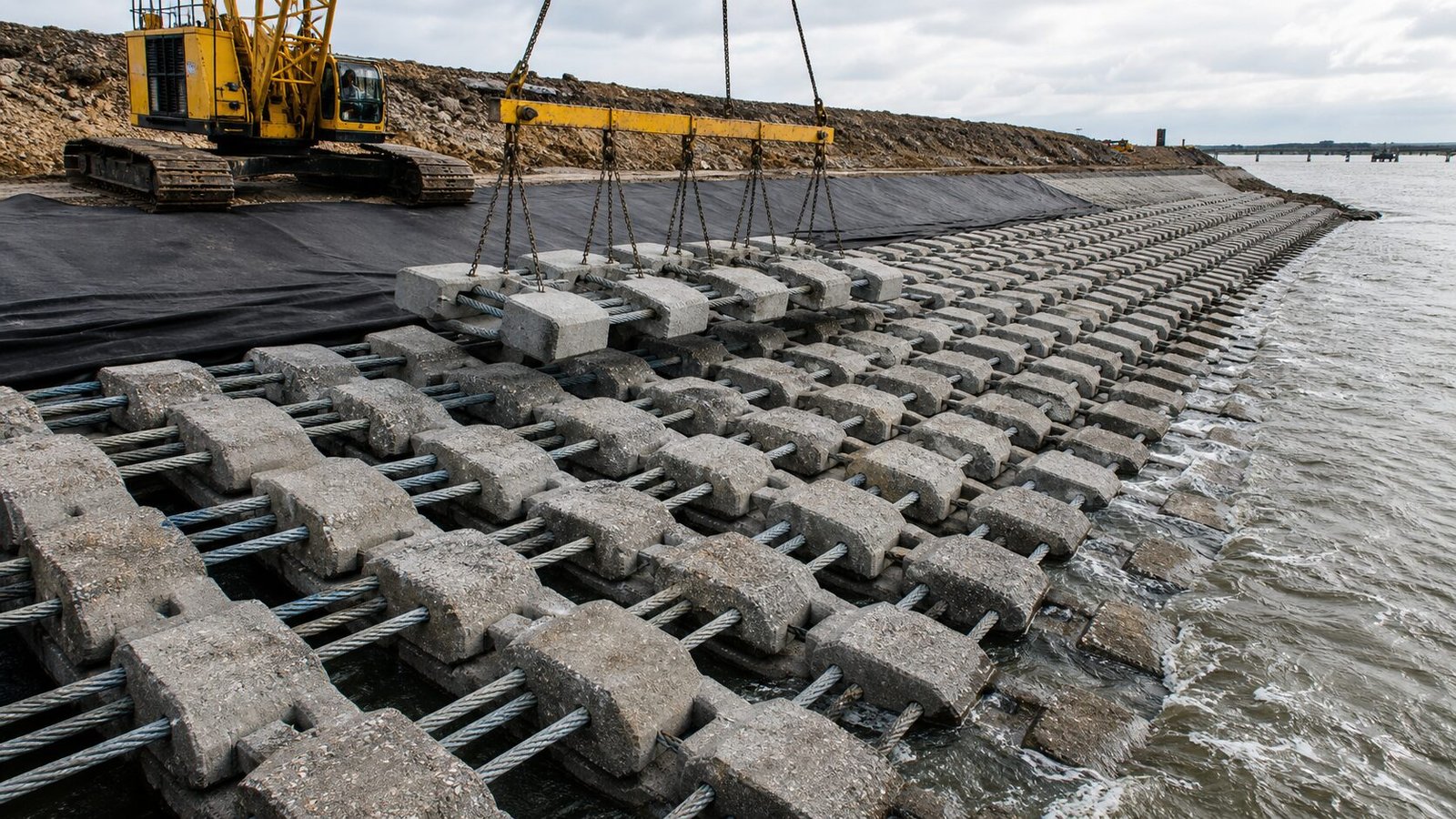
China has hundreds of companies listing “articulated concrete mattress” on B2B platforms. Fewer than 15% are actual manufacturers with dedicated casting beds, cable assembly lines, and QC laboratories. The rest are trading companies adding 20–35% margin while providing zero technical accountability.
How to separate factories from traders:
– Ask for a video walkthrough of the production facility — specifically the block casting area, curing yard, and cable/rope assembly station. A real factory can show you this within 48 hours.
– Request the business licence (营业执照) and cross-check the registered business scope. Manufacturers list “混凝土制品” (concrete products manufacturing). Traders typically list “贸易” (trading).
– Ask who holds the ISO 9001 certificate — the certificate should name the production address, not a head office in a different city.
– Verify annual production capacity. A credible ACM factory capable of handling mid-to-large project orders will typically have a casting capacity of at least 5,000 m² per month.
Platforms like Alibaba and Made-in-China can be starting points, but always move the relationship off-platform to verify the above. A factory audit visit — either physical or virtual — is worth every hour it takes.
Step 2 — Write a Technical RFQ
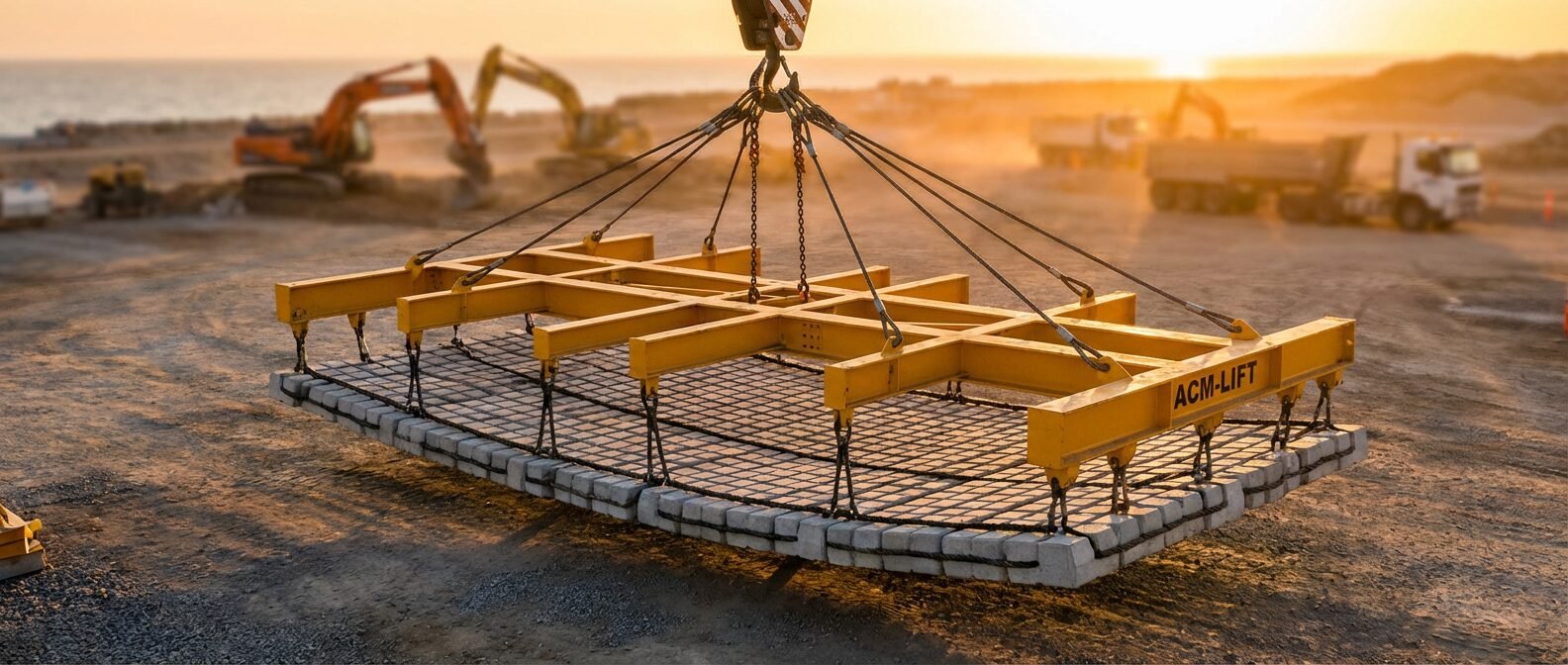
A vague RFQ produces a vague quotation — and that leads to disputes at delivery. Your RFQ for ACM from a China supplier should specify the following parameters without exception:
Core Technical Parameters to Include
| Parameter | Typical Range | Your Project Value |
|---|---|---|
| Block dimensions (L × W × H) | 300×200×100mm to 600×400×200mm | ________ |
| Block weight per unit | 3.5 kg to 55 kg | ________ |
| Mattress panel size (L × W) | 3m×3m to 6m×12m | ________ |
| Design flow velocity | Up to 6.0 m/s | ________ |
| Cable/rope type | HDPE rope or stainless wire | ________ |
| Block pattern | Open (filter) or Closed | ________ |
| Geotextile backing | Required / Not required | ________ |
| Concrete compressive strength | Minimum C30 (30 MPa) | ________ |
| Compliance standard | HEC-23 / DNV-GL / local spec | ________ |
| Quantity (m²) | Project-specific | ________ |
| Delivery port | FOB Qingdao / CIF [destination] | ________ |
Getting the block dimensions right is critical. A 300×200×100mm block at C30 compressive strength handles roughly 2.5–3.5 m/s design velocity. For velocities up to 5.0–6.0 m/s, you’re typically looking at blocks in the 450×300×150mm to 600×400×200mm range with closed-pattern articulation. If you need guidance on selecting block size for your specific flow conditions, the articulated concrete mattress velocity rating and block size specifications page provides a detailed selection framework.
Also state your quality standard upfront. HEC-23 (FHWA Hydraulic Engineering Circular No. 23) is the benchmark for U.S. and internationally funded projects. DNV-GL certification matters for offshore and subsea applications. Specifying this in your RFQ filters out factories that simply can’t meet it.
Step 3 — Request QC Test Reports
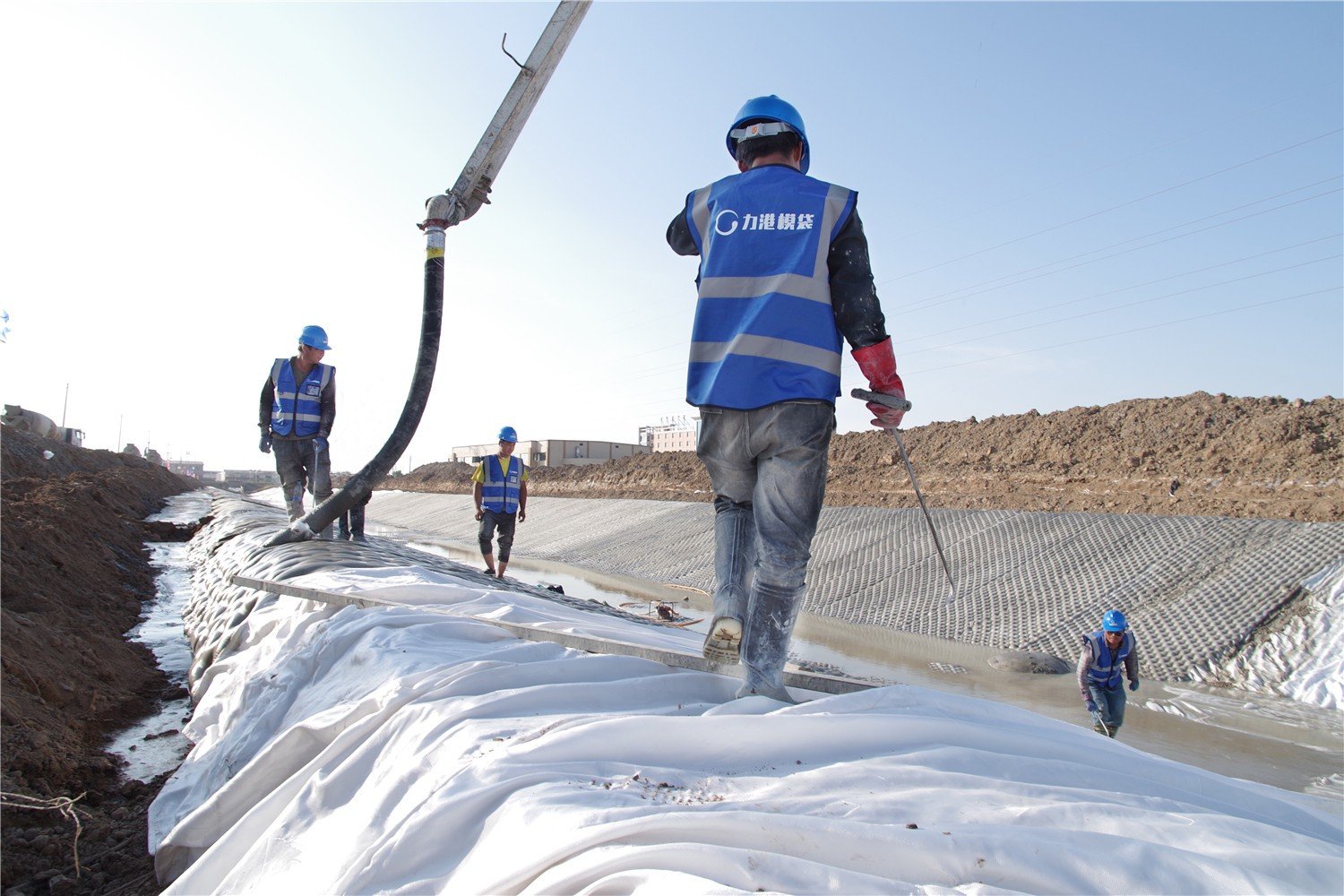
Quality documentation is where most buyers skip steps — and it’s where product failures originate. Before approving production, demand the following:
Mandatory QC Documents
1. Concrete Cube Compressive Strength Report
28-day cube tests per GB/T 50081 or BS EN 12390-3. Minimum characteristic strength: 30 MPa (C30). For aggressive marine or chemical environments, specify C35 minimum with a water-cement ratio below 0.45.
2. Cable/Rope Pull-Out Test Results
Individual cable terminations should withstand a minimum pull-out force of 8.0 kN for standard rope-tied systems. For stainless steel cable-tied mattresses on high-velocity applications, require certification to 12.0–15.0 kN minimum per anchor point.
3. Block Dimensional Tolerance Report
Acceptable dimensional tolerance: ±3mm on block length and width, ±2mm on thickness. Exceeding these tolerances causes uneven articulation and stress concentrations in the cable network.
4. Water Absorption Test
Maximum permissible water absorption: 6% by mass per BS EN 1338 or equivalent. Higher absorption indicates inadequate cement content or improper curing, both of which compromise freeze-thaw durability.
5. Batch Material Certificates
Cement conformance (typically 42.5R or 52.5R grade), aggregate grading curve, and — if applicable — admixture datasheets.
6. Production Batch Records
Dated pour records, curing duration (minimum 28 days for structural tests), and inspector sign-off. This becomes critical if you ever need to trace a batch defect post-installation.
Don’t accept “we can provide on request” from a supplier. If these documents don’t exist already, that’s a red flag. A well-run factory maintains these records as standard practice.
Step 4 — Agree Incoterms and Payment
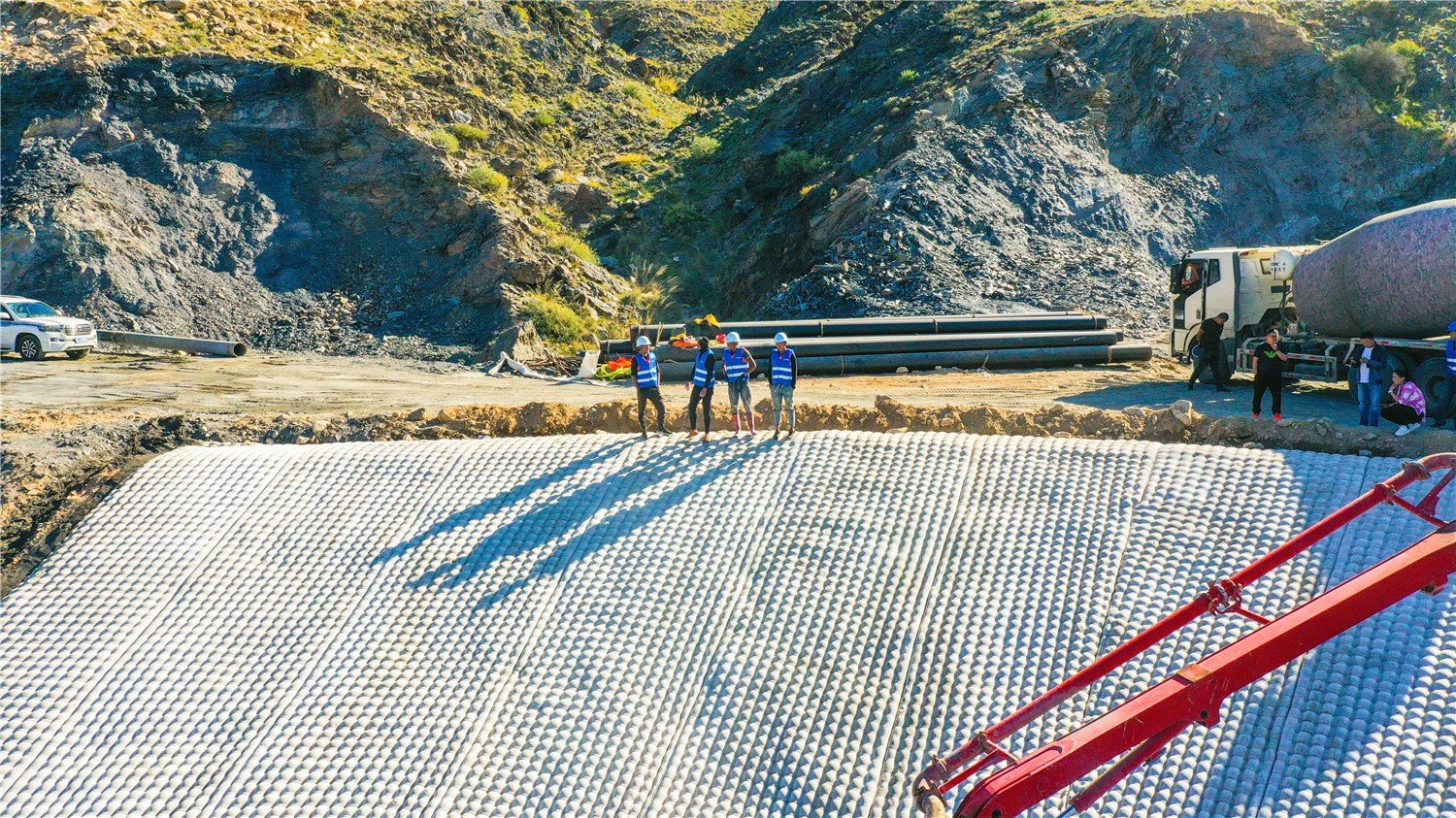
Getting the commercial terms right protects you from hidden freight costs and payment disputes. For ACM sourced from China, the two most practical Incoterms are:
FOB (Free On Board) — Port of Qingdao, Shanghai, or Tianjin
The supplier delivers goods loaded onto the vessel. You arrange and pay for ocean freight, insurance, and destination port handling. This gives you full control of logistics costs and carrier selection. Best for buyers with established freight forwarding relationships.
CIF (Cost, Insurance, Freight) — Destination Port
The supplier covers ocean freight and insurance to your named port. You handle import customs and inland delivery. Simpler for smaller orders where you don’t want to manage freight directly.
DAP (Delivered At Place) can work for buyers with no import infrastructure, but it inflates the China supplier’s cost basis and reduces your visibility over actual logistics spend.
Payment Terms That Protect Both Parties
Avoid 100% upfront payment — no matter how convincing the supplier’s track record appears. Standard B2B terms for China manufacturing orders:
– 30% T/T deposit to confirm production slot
– 70% T/T balance against copy of Bill of Lading (or before loading if you have a trusted relationship)
For first-time orders above USD 50,000, a Letter of Credit (LC at sight) gives you documentary protection — payment is only released when the supplier presents compliant shipping documents. Yes, it costs 1–2% in bank fees. Worth it on a first engagement.
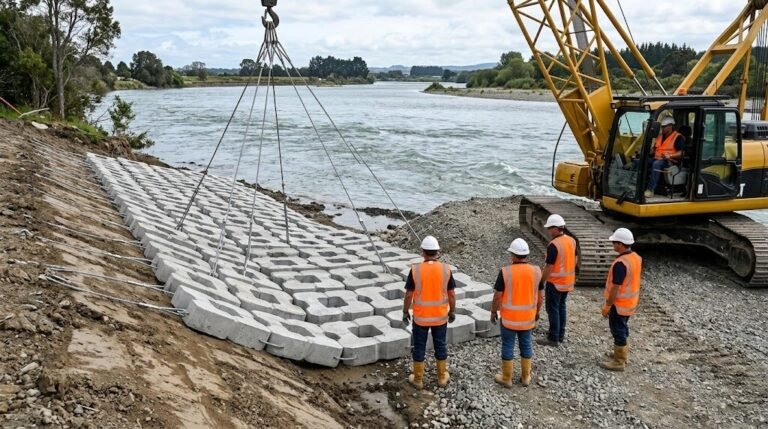
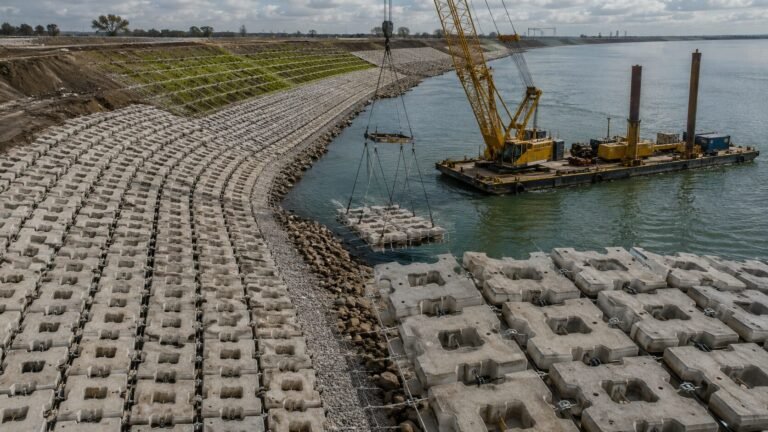
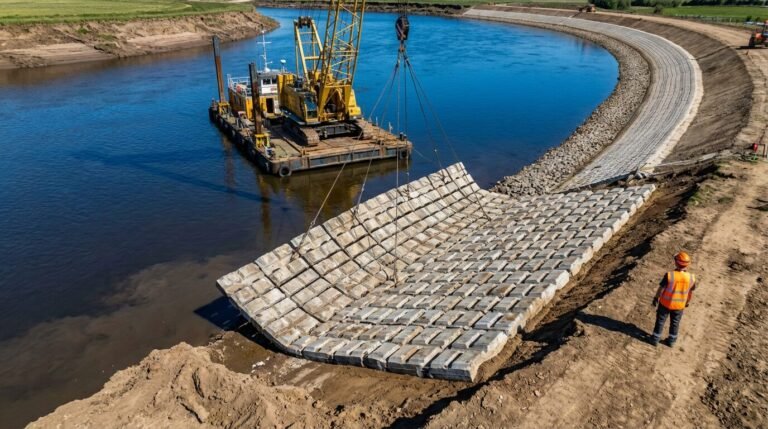
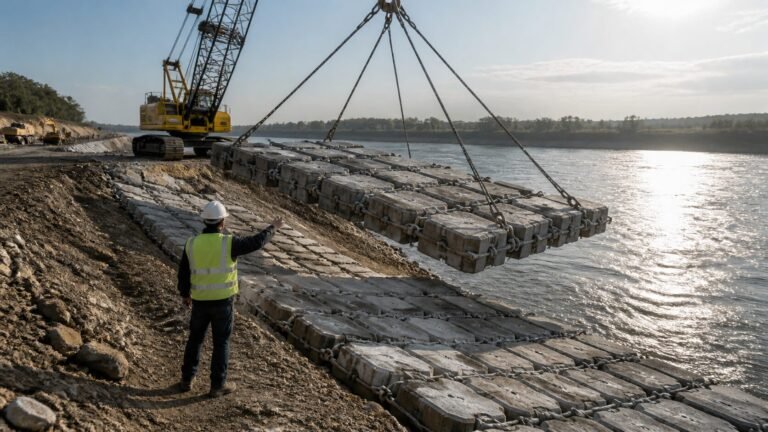
For an understanding of installation requirements that affect your freight planning (panel sizes, lifting equipment, crane barge access), the step-by-step ACM installation method guide covers what your site team will need at the receiving end.
Step 5 — Pre-Shipment Inspection
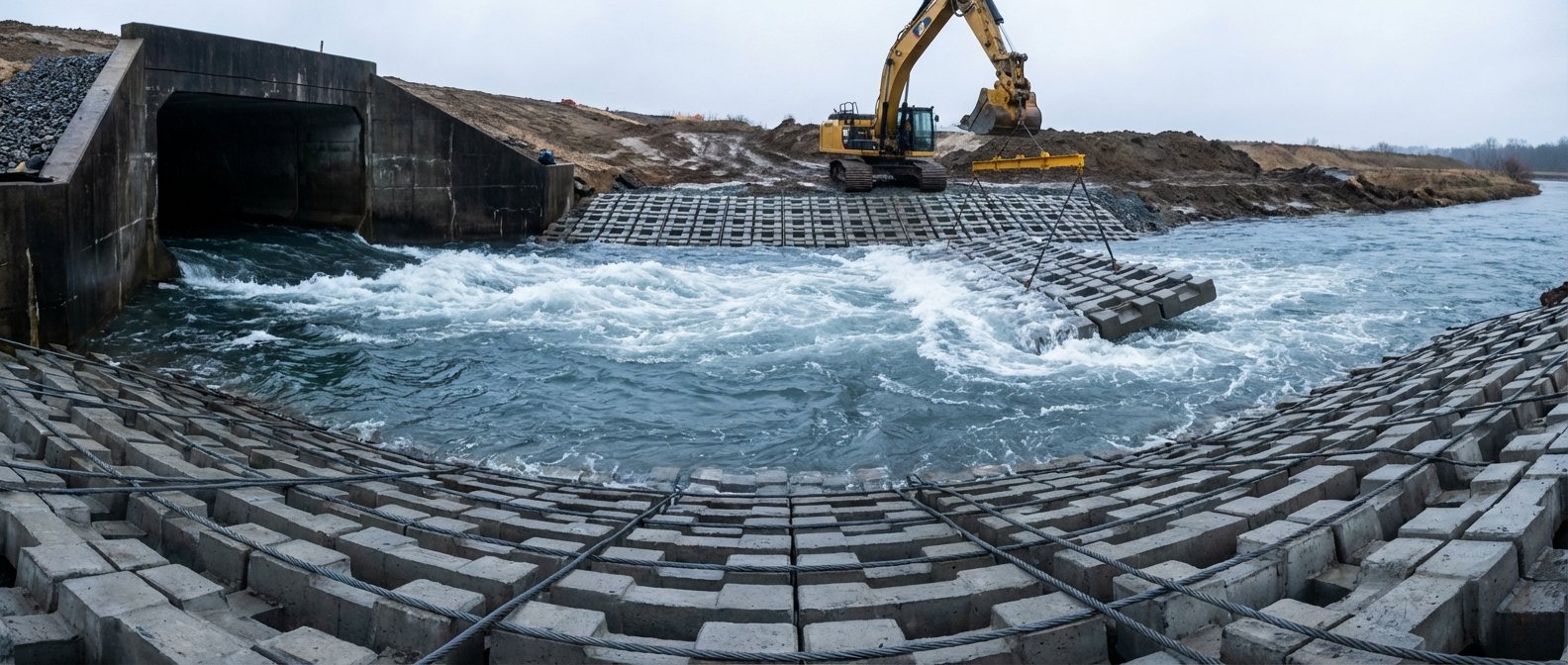
Pre-shipment inspection (PSI) is the single most underused tool in China procurement. For ACM specifically, a PSI catches two categories of problems: dimensional non-conformance and cable/rope assembly defects. Both are invisible from a shipping document.
Appoint a third-party inspection company (SGS, Bureau Veritas, Intertek, or a specialist civil materials inspector) to attend the factory before loading. The inspection scope should cover:
Pre-Shipment Inspection Checklist
– [ ] Block count against purchase order quantity
– [ ] Random dimensional check — minimum 5% sample per batch (L×W×H to ±3mm tolerance)
– [ ] Cable/rope continuity check on 10% of assembled panels
– [ ] Visual inspection for surface cracking, honeycombing, or spalling on sampled blocks
– [ ] Compressive strength certificate cross-reference (verify cube test batch numbers match production records)
– [ ] Mattress panel size check against RFQ specification
– [ ] Packing method — adequate timber dunnage or steel pallet, no direct concrete-on-concrete contact
– [ ] Container loading photo documentation
A standard PSI costs USD 250–450 per man-day and typically takes one to two days for a container-scale order. On a USD 30,000–100,000 order, that’s cheap insurance. Suppliers that object to third-party inspection should be treated with caution.
Step 6 — Customs and Documentation
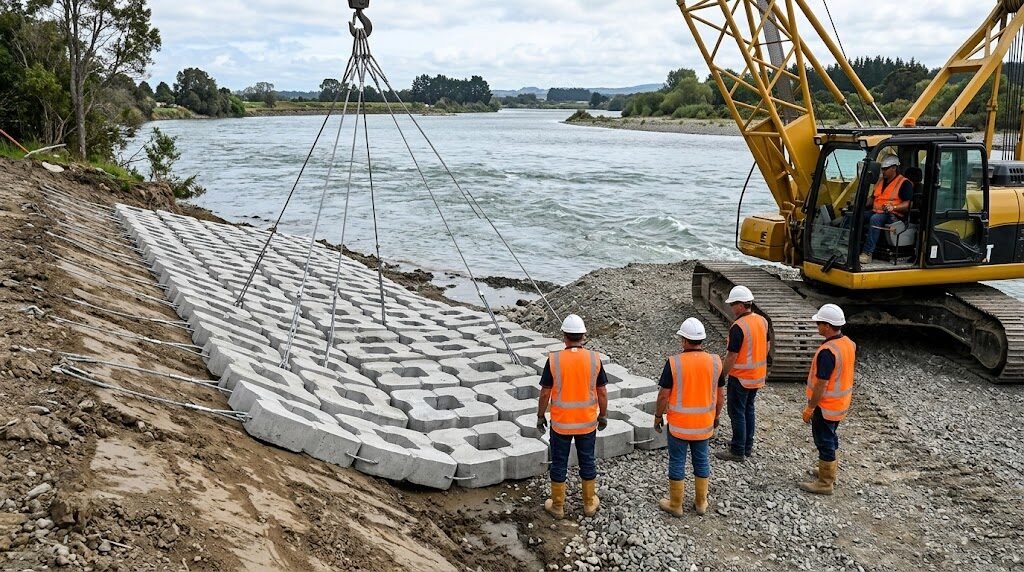
Import documentation for ACM from China is straightforward if you prepare in advance. The key documents you’ll need from your China supplier are:
Commercial Invoice — itemised with unit price, quantity (m² and number of blocks), total value, Incoterms, and HS code.
Packing List — container number, gross/net weight per pallet, dimensions.
Bill of Lading — issued by the shipping line, confirming freight-on-board status.
Certificate of Origin (Form E or CO) — required for preferential tariff treatment under trade agreements (e.g., ASEAN-China FTA, relevant bilateral agreements).
Product Test Reports — as detailed in Step 3. Customs authorities in some markets (Australia, the EU, the Middle East) may request conformance evidence for infrastructure materials.
HS Code for ACM
Articulated concrete mattress products typically clear customs under HS code 6810.99 (articles of cement, concrete or artificial stone) or 6810.19 depending on the destination country’s tariff schedule. Confirm with your freight forwarder or customs broker before shipment — misclassification causes delays and penalties.
Import duty rates vary significantly: 0% in some GCC markets, 5–7.5% in Southeast Asia, and higher in markets with local manufacturing protection. Factor this into your landed cost comparison when evaluating China supply against regional alternatives.
Typical Lead Times and Costs
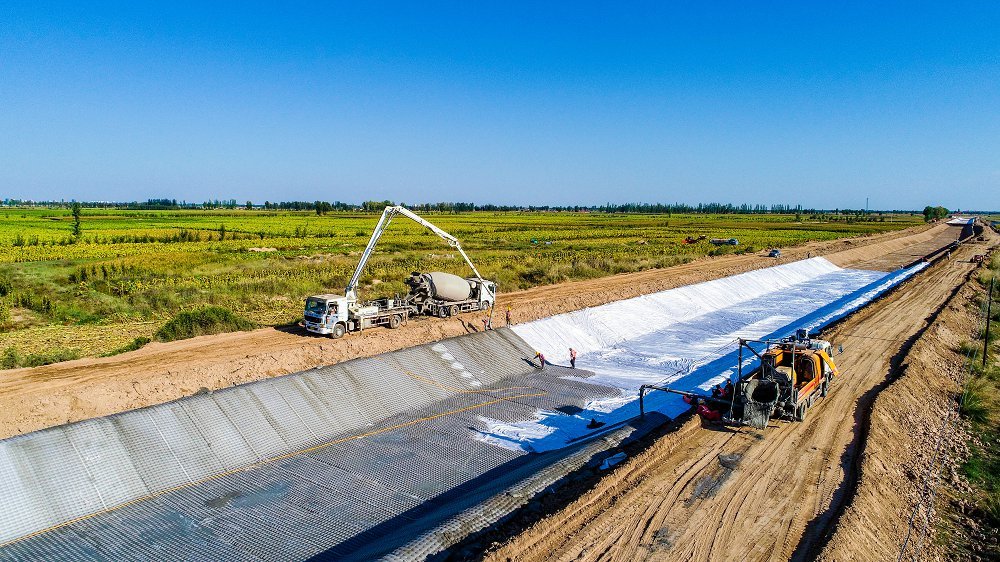
ACM Procurement Timeline
| Stage | Typical Duration |
|---|---|
| Factory identification and vetting | 1–2 weeks |
| RFQ → quotation receipt | 3–7 days |
| Commercial negotiation and PO confirmation | 1–2 weeks |
| Production (standard order, 1,000–5,000 m²) | 6–10 weeks |
| Pre-shipment inspection | 1–2 days |
| FCL ocean freight (Asia to Europe/Middle East) | 3–5 weeks |
| FCL ocean freight (Asia to East Coast USA) | 4–6 weeks |
| Total door-to-site | 12–20 weeks |
Plan conservatively. Project-critical scour protection orders have a nasty habit of arriving with no buffer. Build 4 weeks of contingency into your programme.
Cost Benchmarks (FOB China, indicative)
Factory-gate pricing for articulated concrete mattress from direct Chinese manufacturers typically ranges from USD 28–65/m² depending on block size, concrete grade, cable specification, and order volume. Smaller blocks (300×200×100mm, C30) land at the lower end; large-format closed-pattern mattresses with stainless cable for offshore applications sit at the upper end.
Trading company prices are typically 20–35% above direct factory pricing for identical specification. On a 3,000 m² order, that cost difference is meaningful.
Putting It All Together: Working With a Direct ACM Manufacturer
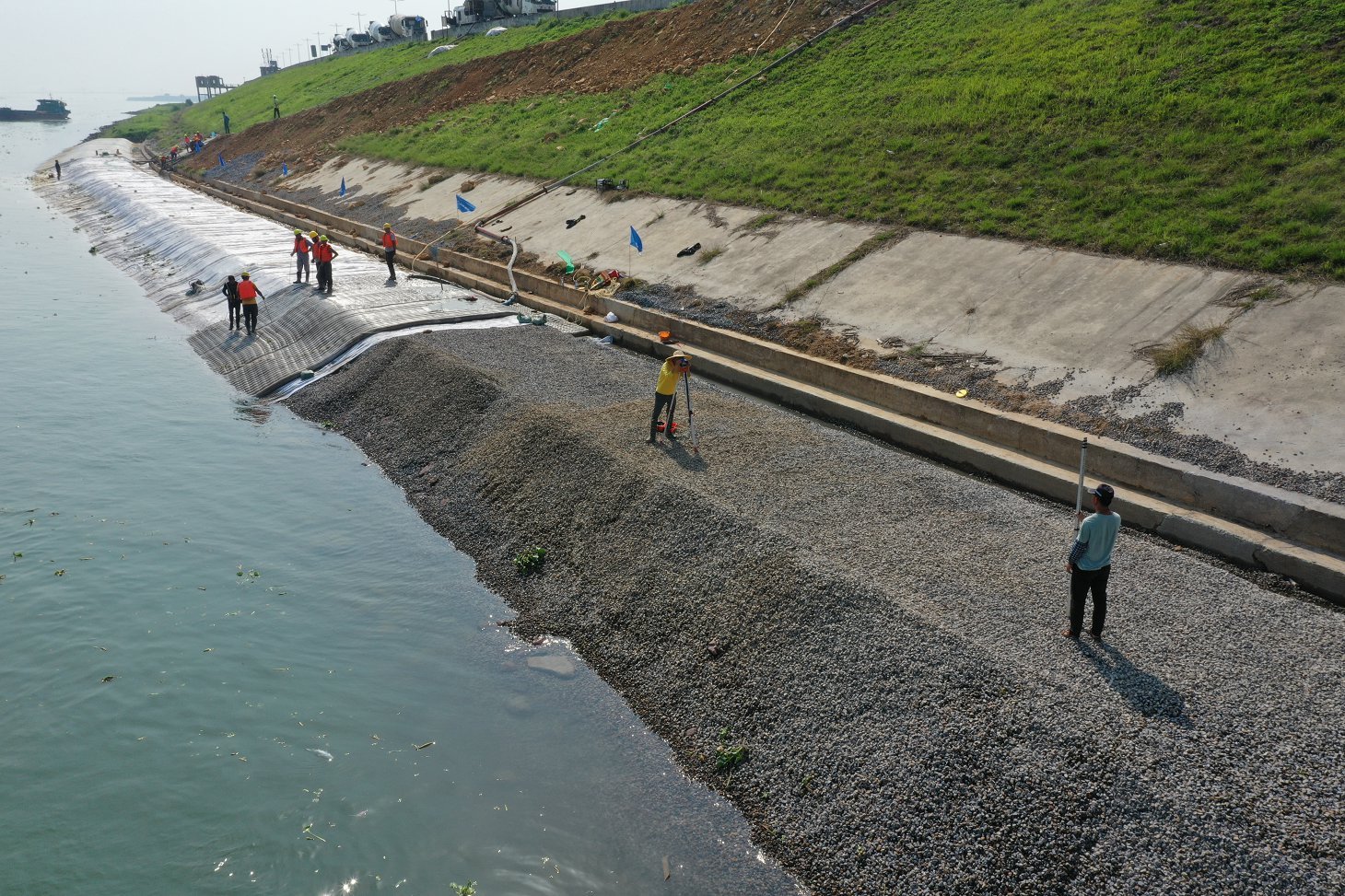
The procurement process above works for any compliant ACM factory — but applying it consistently requires a supplier who actually operates at that documentation standard.
Some manufacturers have built supply chains specifically around international B2B procurement requirements. HydroBase, for example, operates as a direct factory in China producing articulated concrete mattress systems across the standard block size range (300×200×100mm through 600×400×200mm), with documented HEC-23 compliance, ISO 9001-certified QC, and full English-language documentation support for every order stage.
For buyers working across multiple application types — whether that’s canal bank revetment, pipeline crossing protection, or slope protection with articulated concrete mattress on embankments and levees — having a single direct factory source that can handle varied specification requirements and third-party inspection access removes the friction from what is otherwise a complicated procurement chain.
The practical value of working with an established factory also shows up in response time. Technical RFQ responses, sample dispatch, and production updates should be measured in hours, not weeks. If a supplier takes more than 72 hours to respond to a detailed technical enquiry, that’s a preview of how production communications will go.
B2B Procurement Checklist: ACM from China
Use this checklist before issuing your purchase order:
Supplier Vetting
– [ ] Factory audit (virtual or physical) completed
– [ ] Business licence reviewed — manufacturing scope confirmed
– [ ] ISO 9001 certificate verified (production site address matches)
– [ ] Reference projects or sample panel available
Technical RFQ
– [ ] Block dimensions specified (L×W×H in mm)
– [ ] Design flow velocity stated (m/s)
– [ ] Block pattern (open/closed) confirmed
– [ ] Concrete grade (minimum C30) specified
– [ ] Cable/rope type and pull-out force requirement stated
– [ ] Compliance standard (HEC-23, DNV-GL, or local) stated
– [ ] Geotextile backing requirement confirmed
– [ ] Panel size and lifting arrangement discussed
QC Documentation
– [ ] 28-day compressive strength cube test reports requested
– [ ] Cable pull-out test results requested
– [ ] Dimensional tolerance report confirmed
– [ ] Water absorption test confirmed
– [ ] Batch pour records included
Commercial
– [ ] Incoterms agreed (FOB or CIF)
– [ ] Payment terms agreed (30/70 T/T or LC)
– [ ] Delivery port and target arrival date confirmed
– [ ] Pre-shipment inspection arranged (third-party)
Logistics and Customs
– [ ] HS code confirmed with freight forwarder
– [ ] Certificate of Origin required — form type identified
– [ ] Import duty rate factored into landed cost
– [ ] Contingency weeks built into programme
Frequently Asked Questions
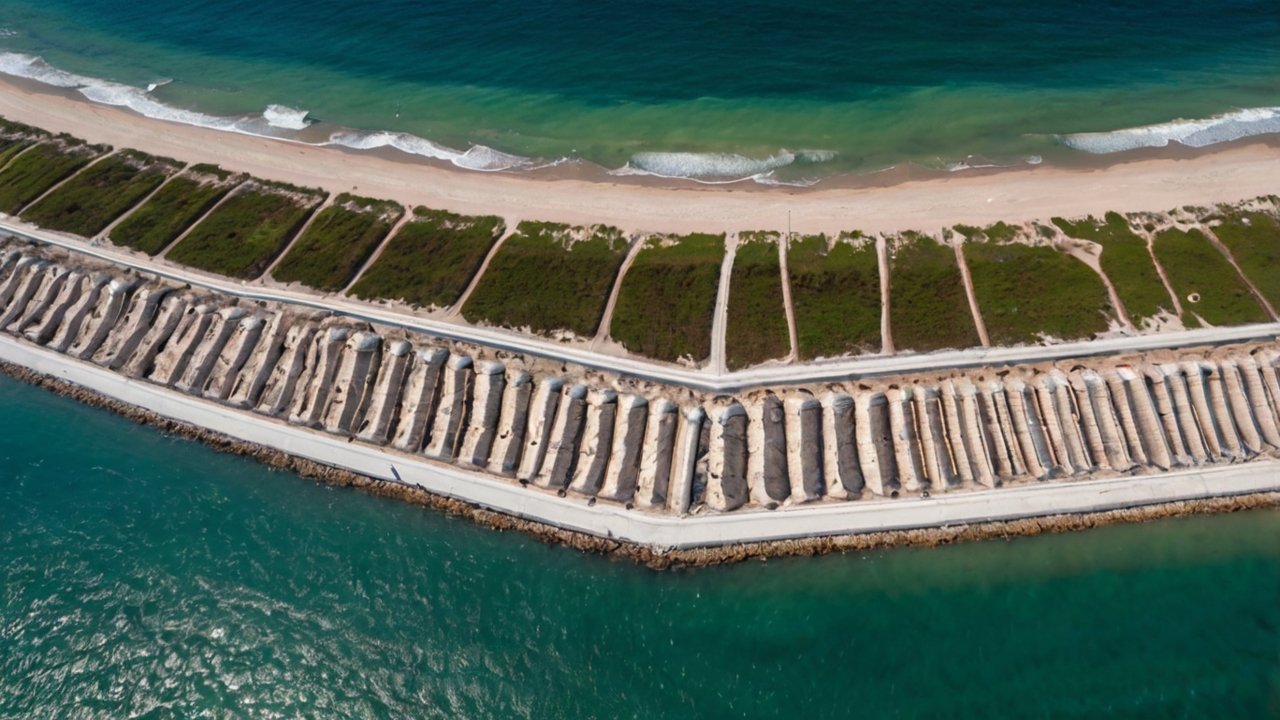
Q: What is the minimum order quantity (MOQ) for articulated concrete mattress from China?
Most direct factories in China set a minimum order of 500–1,000 m² for standard ACM production runs. Some suppliers will accept smaller sample orders of 50–100 m² for project trial purposes, though unit pricing increases significantly at those volumes. For full project orders, 2,000 m² and above typically unlocks the most competitive FOB pricing.
Q: How do I verify that a China ACM supplier is a real factory and not a trader?
Request a live video walkthrough of the production facility showing block casting beds, curing yard, and cable assembly area. Cross-check the ISO 9001 certificate — the registered production address should match the factory location. Ask for a recent PSI report from a previous international order; legitimate factories have these on file.
Q: What is the difference between cable-tied and rope-tied articulated concrete mattress?
Cable-tied ACM uses stainless steel or galvanised wire rope passed through cast-in conduits in each block, offering higher tensile strength (typically 12–20 kN per cable) suited to high-velocity and offshore applications. Rope-tied systems use HDPE or polypropylene rope through the block holes, offering greater flexibility and lower cost, typically rated to 8–12 kN. For most river and canal protection projects at velocities below 4.5 m/s, rope-tied systems are cost-effective and fully adequate.
Q: What concrete grade should I specify for ACM used in seawater or aggressive environments?
Specify minimum C35 concrete grade (35 MPa characteristic compressive strength) with a maximum water-cement ratio of 0.45 and minimum cement content of 380 kg/m³ for marine and chemical exposure conditions. For freshwater riverbank and canal applications, C30 is generally sufficient. Always request the water absorption test result — values below 5% by mass indicate adequate durability for aggressive environments.
Q: How long does sea freight take from China to common ACM destination markets?
Transit times from Chinese ports (Qingdao, Shanghai, Tianjin) typically run 22–28 days to Middle East ports (Dubai, Jubail), 28–35 days to Northern European ports (Rotterdam, Hamburg), and 30–42 days to US East Coast ports. Add 1–2 weeks for port clearance and inland delivery. Always plan your order placement 16–20 weeks before your required on-site date.
Ready to Issue Your RFQ?
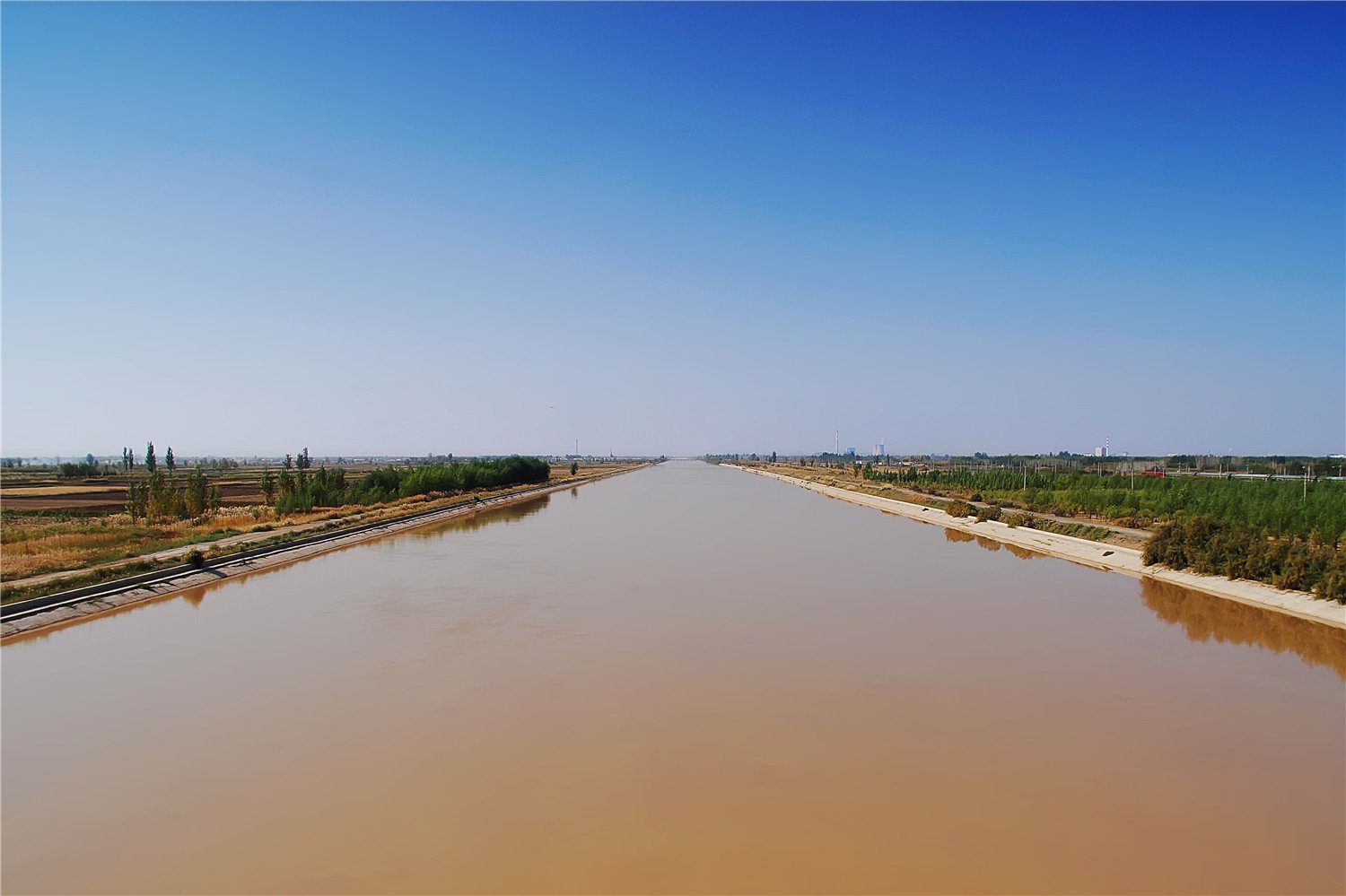
If you’ve worked through this guide, you now have everything you need to place a technically sound purchase order for articulated concrete mattress from a direct China factory — from initial vetting through to customs clearance.
The next step is getting a factory-direct quote with your specific block dimensions, velocity rating, and delivery port. Sending a structured technical enquiry with the RFQ parameters from Step 2 above will get you a meaningful response within 24–48 hours from a real manufacturer.
Send your technical RFQ directly to HydroBase — a direct ACM factory with full English documentation support, third-party inspection access, and FOB Qingdao pricing for standard and custom block configurations: articulated concrete mattress direct factory pricing and specifications.
Sourcing ACM from China is genuinely straightforward when you follow the right process. The six steps in this guide — factory verification, technical RFQ, QC documentation, commercial terms, pre-shipment inspection, and customs preparation — eliminate the risk points that catch unprepared buyers.
The market for Chinese ACM has matured considerably over the past decade. Factory quality, documentation standards, and international logistics capability have all improved. Buyers who know what to ask for, and who ask at the right stage of the procurement process, consistently get compliant product at competitive landed cost.
For project engineers who want to go deeper on design requirements before finalising their specification, the complete guide to articulated concrete mattress design for hydraulic engineers covers block selection methodology, velocity rating calculations, and geotextile filter design in full detail.
Need a concrete mattress solution for your project?
HydroBase provides end-to-end concrete mattress engineering & installation services — from hydraulic design and factory-direct ACM supply to on-site supervision and post-project inspection. Trusted by civil engineers in 50+ countries.